RESPONDING to Controllers (Part 1)

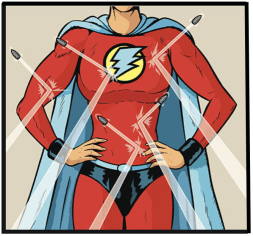
3resist controlNO ONE CAN CONTROL ME –
unless I let them

PREVIOUS: Being controlled – #5

POSTS Relationship FORMS 1 & 2’

See Acronym PAGE for abbrev.


RESPONDING TO CONTROLLERS  (Cs)
• As adults, even when we’re with a Controlling person, we always have at least some control of our own over what happens to us, whether we use that option or not.  As Glenda the Good Witch says in The Wizard of Oz “You always had the power!” If we must stay with a C., we have to protect ourself, otherwise all we can do is capitulate

EXP
: As soon as Jody met sexy Sam at a party, she could tell he was a C – just like her mom. Even so, they started dating & eventually he moved in.  His charm compensated, but Jody still needed to deal with his habit of assuming she was exactly like him (narcissistic control).
She went along when it didn’t matter, but stood her ground when it did. For a while in the beginning – to shift the focus from any specific topic of contention – to the bigger picture – she started saying ‘ Sure, Martha’ whenever he acted like her mom! It took him a while to catch on, but eventually he got the point & backed off (but most C. won’t!)

Re. THEM – Cs are also wounded people who don’t have a right to their needs, but choose to manipulate others into providing for them, & to feel cared for. Pay attention & evaluate which type you’re dealing with:

• Some are not consciously aware of being a C, & will be confused or surprised if it’s pointed out. They have no idea what they are doing ‘wrong’, but also don’t want to know, so they won’t change easily

• Others are aware of trying to deceive or control, but will vigorously deny it because they don’t want to be caught (& it’s socially shameful), OR they just don’t want to be responsible for their actions or old pain.
So they’re less likely to change at all, because they’d have to deal with the underlying damage

• A few are willing to consider the issue when ‘confronted’ & will work to change it
• And some of us are already in the processes of letting go of being controlling!

Re. YOU

DECIDE: When responding to a C, consider what outcome you want:
❈ for revenge, to punish, retaliate, humiliate….OR
❈ to inform, vent, set a boundary, for self-protection, fairness….
"I" statement✶ If you want to be as psychologically clean as humanly possible (NO perfectionism!) then practice making neutral or I’ statements:

“I don’t respond well to being bossed around , That’s not helpful! ,  It sounds like you’re trying to get me to_________ Is that right? , I’d rather__________ , When you ___________ I feel _________  , That doesn’t work for me / not how I feel about it / not what I need…”

EXPECT: resistance in the form of excuses, protests, denials, blaming …. especially from the hard cases.  You can let them know you understand their feelings & wishes, but that you hold the right to have yours, even if that upsets them, makes them angry, attack you or leave in a huff!
• No matter what their reaction, you decide what you’re going to agree to – or not, based on your needs, not theirs!

REMEMBER: When someone insists on accusing you wrongly (a big button for ACoAs) or just refuses to ‘get it’ – only state your truth as clearly as you can. You may have to repeat your position, but DO NOT:
try to make them understand where you’re coming from
—  keep explaining why your point is valid, and
— NEVER justify yourself – ever!  To stay & argue with someone like that makes a fool of yourself!

• The more relentless someone’s controlling behavior, the more narcissistic the person is. In that case you cannot win, because they can’t & won’t see you as being separate from them, with your own identity & personality.
If you have the option, you either limit contact (Read : 60 Healthy responses to narcs“) , OR walk away, no matter how much it hurts, even if it means letting them think they won.
😰 To do anything else is to humiliate yourself!

NEXT: Responding to Controllers (Part 2)

ACoAs Being Controlled (Part 5)

drowningI CAN’T SEEM TO SURFACE
& it’s all your fault!

PREVIOUS: Getting controlled (Part 4)

SITE: 9 Ways We Set Ourselves Up To Be Controlled in Relationships

BOOK: Confessions of an Abandoned Child ~ Curtrina Pharr

See ACRONYM page for abbrev.


Negative STATES causing loss of Control
a. In Bondage / ways to lose independence
Accepting unwanted situations,  addicted & enslaved, be obsessed, be controlled, submitting to another, financially or psychologically tied down against our will
hopelessb. Focus on the Material / only aware of the physical
Caught up in appearances, getting & spending, over-indulging the senses, ignoring or forgetting the Spiritual

c. Ignorance / be unaware & stay
Taken in by appearances, choose to stay in the dark (denial), fear the unknown, live in deprivation, operate within a narrow range of options & emotions
d. Feel Hopeless / lack faith
Believe the worst, despair, doubt, see the world as ‘cold ’, predict a bleak future, think negatively  (More…..)

🎯 WHO / WHAT we LET Control us (cont. from Part 4)
You’re being controlled (or Over-C) WHEN you STAY:
Sphone fatigueon the phone, long texts…. or with someone you want to get away from
• in any location or event you’d rather not be at (or hate)
• in any relationship, job, home…. way too long
• with someone else – when you’d rather be alone, need to rest, or be doing something else, and/or ….
WHEN YOU:
• buy or eat things the other person wants you to, but you don’t like
• endlessly listen to someone’s dumping – who’s in too much pain, demanding, needy, abusive, just using you….
feel sorry for others instead of for yourself
• go out with someone because they want you to, or from loneliness
OR
• keep believing a proven liar, keep depending on someone who is consistently unreliable
bad date• keep seeing friends who are totally focused only on themself, never on you, including dates & mates
• let other invade your boundaries or say mean things — without objecting
• spend a lot of time worrying about someone else that you’re ‘powerless’ over
OR
• pay for things only to please another (not from love but from FoA)
• take care of very damaged people who need much more help than you can give them, because it makes you feel ‘important’, needed, less worthless….
• try to be something you’re not, or do things others want – out of guilt

You’re with a Controller (C.) anywhere :
BEHAVIORAL – if you
are given the ‘silent-treatment’ as punishment
• firmly state a boundary about something, & the C. ignores it completely
• feel like you’re losing it, because the C has systematically isolated you, to make you only be, do & think the way they want
• friends or family see a change in you when you’re with the C.
• have lost friends because the C. complained about or refused to let you see them AMD/OR have badmouth you to them

EMOTIONAL – if you
• feel depressed & physically drained much of the time
• feel suffocated by the C being needy, over-protective or intrusive
• feel ‘less than’, ignorant, belittled or hopeless when you’re with the C.
• end up feeling guilty all the time but don’t know why
IF you:
• eventually ‘shut down’ and ‘give in’ rather than trying to be heard, sticking to your point of view, being taken seriously
depressed• hide or run away from problems with the C. because you feel too weak to confront & stand up to them
✶ are being told by the C. that what you’re feeling – anger, fear, frustration – are from your ‘issues’, that you’re causing it, you’re over-reacting…. (while denying what they ARE doing! to hurt you)

MENTAL – if you
• always second-guess yourself, from actually being criticized, undermined or corrected by the C
• are accused of being boring now because : “You used to be so much fun, more interesting & outgoing…. you just copy me”
• tend to ‘go along with things’ to avoid conflicts with the C
• worry about the C’s reaction before you make a decision

✶ Are often told the C. is not ‘doing anything to you’, but rather that you’re choosing to do or be what the C. wants! (Cs take NO responsibility for their manipulations!)

SPIRITUAL – if you
• are constantly judged & accused of being bad, using a spiritual or religious dogma as ‘proof’
• feel you’ve lost your vision & are willing to compromise your values to try to please them
• punished for not being perfect, not following their rules

NEXT: Responding to Controllers, #1

ACoAs Being Controlled (Part 4)

door matI FOLLOW ALL THE RULES,
so why am I still being walked on?

PREVIOUS: Being Controlled (#3)

SITE : Dealing with Manipulative people – from “In Sheep’s Clothing”

🎯 WHO / WHAT we LET Control us
Controlling patterns are the same as Emotional Abuse.  All but one of the following groups can influence us positively OR negatively. It’s up to us to know what suits us best & stick to it!

INNER DAMAGE – everything this blog covers. Also read “Bitchlifestyle” blog : Who Controls You, Your Bitch or Your Brat? (PP or WIC). The more we try to please everyone, we become:
• MORE angry, disorganized, exhausted, frantic, overwhelmed, unhappy
• LESS focused, rested, peaceful, satisfied, pleasant to be with
AND the fewer people we actually do please!

Letting ourself be controlled is giving our power away. Yet we think it will actually:
• GAIN us acceptance, love, continual attention, protection
• PREVENT being ignored, made fun of, punished or left. Unfortunately, it’s an illusion!

 THIS LIST is about how negative relationships can controls us :
CHILDREN – expressing your love for / attachment to them can go too far, being afraid to set boundaries or they won’t love you, or not teach them discipline so they won’t be angry at you

ENEMIESA) people who dislike or hate us for their own reasons. We didn’t cause it, but we can end up wasting way too much time, energy & money trying to win them over or placating them, instead of leaving them alone, praying for them or being neutral
-OR-
B) those we hate – which eats us up year after year – wasting time trying to get even, obsessing about telling them off (but never doing it), or actually putting nasty plans into motion

JOBs/ Bosses – their expectations, demands … especially the ones we think have to be fulfilled but actually are unreasonable. After all, aren’t we used to doing the impossible ? – or at least trying like crazy

NEMESES – (people we’re jealous of or in competition with) – we can do many foolish or self-defeating things to stay ahead of them or keep them from winning over us, whether the ‘prize’ is important to us or not. We become obsessed, over-work, cheat, connive, worry… just to shore up our weak ego

PARENTS – wanting their love & approval at any expense, we often twist into distorted versions of our True Self – & still never please them or get what we need from them (see Part 3)

PARTNERS – our fantasy beliefs about what a good relationship or marriage is supposed to be (especially that women have to be the ‘giver’) makes us into servants or slaves

PEERS / FRIENDS – trying to keep up with or out-do them, keep their approval, get their admiration, be in the ‘IN’ group, use them to____ ….

HEROES – because we don’t know the real person, they’re usually one-dimensional, yet we put them on pedestals – so they’re not fully human. We think we could / should be like them, but it’s not automatically true that if they can do or be something, we can too.

• And even if we follow their lead in some way, we may not be able to do it right away, or it may be a lot harder that we thought, or we may not have the same talent or resources…. which can leave us discouraged & self-hating.
We have to be realistic, without giving up, working toward goals that fit who we are!

• We may find positive qualities to emulate, but only with careful assessment & background research. THEY must be people:
— who are actively living the qualities you admire and fit your values, not just talking a good game
— you are genuinely similar to (not just matching damages). REMEMBER – Just because someone else can do or be something does not mean you can or should want to!

NO GUARANTEE:  Being psychologically healthy does not prevent damaged people from trying to hurt us. Also – we know there have been some good people in the public eye that have been vilified, even killed!
Self-esteem + correct info are our best protection – recognizing the people who are very unwell & removing ourself from them.

NEXT: Being Controlled (Part 5)

ACoAs Being Controlled (Part 3)

PREVIOUS: Being Controlled #2

REVIEW Posts: Abandonment Pain, Now’ and ‘Negative Introject


Negative Programming MAINTAINED BY

1. Toxic Family RULES
Be loyal to the family, even if they’re crazy, hurtful, neglectful or sadistic” // “Never, ever hold anyone else accountable for their bad behavior” (especially ‘authority’)…  insure that we cling to anyone who treats us as badly as our family, because no one else would want us

• “Do as I say, not as I do” //  “Children should be seen & not heard”… trained us to obey authority, no matter how stupid or cruel
• “Don’t think for yourself” , “You’re stupid & will never amount to anything”….  taught us to believe that others are more qualified to tell us what to do & how to be

• “If you don’t like it you have to stay”, “You’re always supposed to suffer”….  insures that we don’t have permission to object or leave
• “I’m not allowed to want anything and I’ll never get what I need – ever!” , “Being close is dangerous”!….. keep us extra vigilant to deny even normal needs & wants.
They restrict our self-awareness, which then gets externalized as a need to control everything & everyone else, in a vain attempt to feel safe.

• “Other people’s needs & feelings are always more important than mine” //  “I have no rights” …. make us afraid to say what we do or don’t want / will tolerate – lest we hurt someone’s feelings or make them angry at us

• “You can never be comforted when in pain” //  “Joy, contentment & peace are not an option for you”… keep us from finding & staying in comfortable, nourishing relationships or environments
• “You deserve to be punished severely for bad things that others do to you (because it’s your fault)”…  allow controllers to reinforce our victim status & keeps us from questioning the validity of their behavior

2.  ADULT Emotions & EXPERIENCES
We let others control us as long as we do not develop a strong Healthy Adult /Loving Parent UNIT to be responsible for leading our Inner Tribe, which leaved the job to the WIC & PP.

We give in to others because of
:
Fear of Abandonment (FoA) – afraid someone is going to leave us (a lover) or take something important away (a job) – as if we’re still a small child.  We act the Victim, trying to twist ourself into whatever the controlllers demanded of us
Hopelessness – ‘learned helplessness’ is the outcome of trauma, so we learned to not even try, even when circumstances are in our favor
Loneliness – that desperate inner emptiness which is actually a left-over from childhood, & in the present is the result of not having a Loving Parent to nurturing ourself, which would heal the WIC

Because of:
Blanking out – ‘leaving our body‘, which shuts our mind off temporarily & makes us not be present at all, so we can’t think or talk – allowing others to push their way into our thoughts & actions, & take over
Co-Dependence – looking for others to tell us who we are, to know how to earn their love by trying to be what we think they want

Ignorance: not knowing what words to actually say to protect & defend ourself, or push someone away when appropriate
Immaturity – we think when others control us it’s an expression of their love, and we don’t want to be in charge of our own lifealone

Naiveté (denial) – not realizing or not wanting to know – how selfish, narcissistic & unscrupulous some people are, (especially our parents),  wanting to believe everyone has good intentions or are just doing their best!

Narcissism (ours) – thoroughly believe that everything others do, say, think or feel – is about us. Very little is!
Perfectionism –  trying to be all things to all people to make up for feeling unloved as a child, and so guarantee everyone’s approval

Sensitivity – we are highly attuned to other people’s emotional distress – (but not our own !) which we absorb (not having good Bs) and try to fix for them, instead of healing our own
Unable – thinking we don’t know how or can’t do anything, so we let others tells us what to do, think & feel.

NEXT: Being controlled #4

ACoAs Being Controlled (Part 2)

whisper controlI JUST KNOW SHE HATES MEshe didn’t even look at me today

PREVIOUS: Being Controlled (#1)

REVIEW posts: “Noticing Painful Events

SITE: Over-controlling Parents Irritate Adult Children


Our PARENTS still control our thought & emotions IF we
:
• feel guilty & afraid when we want to reduce contact with them or sever it all together
• spend time or talk to them more from obligation than choice
• find it hard to be emotionally separate from them (feel their Es for them, care too much, assume you know what they need…)

• FEEL intimidated or belittled by how they treat us:
— afraid to express our true E. & opinions to them
— get tense even thinking about being around them
— confused by their mixed messages & double binds
— feel disloyal when we act or feel differently than what they want
— are easily annoyed or impatient with them without knowing why

RESULTS of being over-controlled as a child, NOW 
Emotionally we
• expect everyone to hurt, judge or take advantage of us
• feel chronically empty or numb inside, easily bored, restless
• frantically try to avoid real or imagined abandonment – by clinging, people-pleasing, being invisible….
• are intimidated by or feel enraged at controlling people
• experience temporary dissociation (splitting), disconnecting from self or others
Mentally / Socially we
• feel like we’re always under scrutiny – even when alone
• perfectionistic, driven, rarely satisfied – especially with ourself
• keep isolated from shame & so ‘no one can hurt or leave us’
• lose ourselves in relationships by only considering others’ needs
• over- & then under-value people we get too close to
• find it hard to relax, laugh or be spontaneous

We HAVE:
Emotionally / Spiritually
• mood swings not caused by bipolar disease
• inappropriate & intense anger; difficulty controlling our temper
• trouble asserting ourself or feeling proud of our accomplishments
• trouble finding a spiritual belief, or one that feels right

Mentally / Behaviorally
• chronic obsessive thoughts, without trying solutions
• confused or distorted self-image: “Who am I really?” , “What do I really look like?” (ugly, fat, too thin too short….)
• paranoid thinking – as a usual way of experiencing others
WITH
• the harsh “inner critic” torturing us, especially after a loss
• impulsivity – can’t control our choices & reactions
• compulsive self-damaging behaviors in 2 or more areas of life (eating disorder, addictions, fights, under-achieving….)
• recurring suicidal thoughts or tries

Present-day CAUSES of ‘Abandonment’** PAIN 

• Abusive mate, adult-child, boss, friend, elderly parent
• Inaccurate, harsh, judgmental & prejudicial religious beliefs & leaders…
• Loss of a real or imagined beloved person, animal, thing or place
• Unkind or threatening communications (in any form)
• Unfair or abusive political & social laws, policies, rules.
** Technically, adults cannot be abandoned, unless they’re physically or mentally incapacitated, so the term applies to children.
🦋
MEN & CONTROL
Men who are unconsciously ruled by their unresolved Abandonment (A.) issues are fearful & insecure. They often use rage as a way to cover this up, since they know something’s wrong inside, but don’t know how to or refuse to uncover & deal with it.
In many cultures men are ‘allowed’ to be angry rather than sad, hurt & vulnerable.
Using the male stereotype of maintaining power, they may:
• be charming & clever, but manipulative & self-centered
• withdraw from everyone, to control themself
• control others by verbal, physical, sexual or psychological abuse …. to transfer their emotional pain onto others.

WOMEN & CONTROL
Woman usually have a greater capacity for awareness of their emotional states than men (see post on DIFFERENCES between M & F brains), but still need to learn how to handle them appropriately.  When unresolved A. issues overwhelm, women who haven’t learned to be in charge of their inner turmoil will instead turn to the external world for things they CAN control :
• themself – weight, clothes, shopping, obsessions, self-harm, chemicals…..
• others – jealousy, over-protectiveness, bossiness & nagging, fixing…..
Also, to ‘manage’ their pain they’re more likely to find others to hurt them. But while playing the victim role they can still do a lot of damage, to other adults & especially to their children.

BOOKs by J. Ray Rice:  “Thank You for Loving Me…” (originally for teens in treatment for Abandonment) and “What I Must Give Myself – First!”

NEXT: ACoAs being Controlled (#3)

ACoAs Being Controlled (Part 1)

beggingI’LL BE & DO WHAT EVER YOU WANT –
just don’t leave me!

PREVIOUS: “Controlling” & Abandonment (#2)

SITE: Recognizing…..Control” – extensive list of tactics used by Controllers

See ACRONYM page for abbrev.

BEING controlled by others
People who are easily controlled don’t know there’s a difference between –
a. Natural, appropriate authority. Being IN control is using our power in a positive way – for oneself, or as good leader. The person in control is the main decision-maker, in charge of communication & makes things happen. People choose to listen & follow appropriate authority because they want to learn, connect &/or be taken care of —
— vs.
b. Un-natural, abusive control (mental/emotional coercion). Controllers (Cs) misuse power – they force us to obey them, against our will. They have no regard for our rights, needs or individuality. They use their position to suppress our identity so only their’s is visible. Their main weapon is negative anger, aimed at making us afraid, so we’ll be more compliant

ACoAs ‘letting” ourself BE controlled
• Most ACoAs were negatively controlled as kids by very wounded parents & teachers, & without Recovery we continue playing out the victim role we were originally forced into.
As adults, allowing others to control us copies our earliest experiences. It keeps us symbiotically attached to the ‘source’ of our wounds & therefore emotionally immature, AND ‘protects’ us from having to face our own fear of intimacy (“ACoAs & Boundaries, Part 1 & 2”),
NOW
controlledFirst: We have to be around someone who is a controller – who belittles, embarrasses us in front of others, treats us like a child, tells us what to do or how to be….who is manipulative & intimidating, however subtly.

Second: We have to be available.  While dealing with such a person is unpleasant for anyone, for ACoAs it’s emotionally debilitating – but also emotionally addictive!  We fall into a black hole, regressed to an old familiar space of being a powerless child with no options. We’re trapped & become mute! We’ve been programmed to instantly surrender – as if we have no rights or identity of our own. And then we stay, & make excuses for the controller’s behavior!

T.E.A. (thoughts, emotions, actions)
Many teachers & groups insist that we choose to “feel” the way we do, which is an unfair judgment. Of course the word feel is being used to mean thoughts rather than emotions, which is confusing & harmful, as it leads to believing we should ‘control’ our Es! (see “Feelings Aren’t Facts”, & Using THINK, instead of Feel“)

This is not accurate or realistic. No one chooses their Es, only what we Think & how we Act! And even those are pre-programmed by family. Yes, sometimes changing Ts & As can shift our Es, but not always, especially not when the pain we’re feeling is old & therefore cumulative. That takes time to vent & process out of the body.

• Being controlled is the outward proof of Toxic Family Rules we internalized from childhood. And when we consider those beliefs (a sub-category of Thinking) we find them indeed very hard to change.
As adults — 
— allowing ourself to be controlled is not a conscious choice! It’s a knee jerk reaction to specific people or events that are carbon copies of our family experience.
— it’s a clear indication that capitulating to the will of another means our WIC is in charge

🩸To ‘accuse’ us of choosing to be manipulated (Action) or be miserable (Emotions)…. only adds to our S-H, & is in fact a subtle form of abuse & abandonment.

YES – we are responsible for changing our training – learning new ways of thinking & acting to take back the power we give away.
BUT we can only do this if WE:
— understand what’s actually going on inside
— have compassion for ourself (we didn’t cause the wounding)
— remember that changing deeply-etched brain patterns takes time
— learn what our needs are & use them to practice having boundaries
— ask for help whenever we need it, especially when regressed (child ego-state of being a victim, lost child, scapegoat…)
— develop & continually strengthen the Loving Parent voice

NEXT: ACoAs Being Controlled (Part 2)

‘Controlling’ & Abandonment (Part 2)

feelings
THOSE OLD FEELINGS –
give me acid-reflux!

Previous: Controlling & A. (Part 1)

Review Posts: My Rights – Qs
and
 ACoAs & Having Rights


LONG-TERM Abandonment (A.) experiences, especially in childhood, inevitably creates intense fear & shame in children. Total dependence on caretakers make them very vulnerable, so too much deprivation will feel life-threatening, & in some cases it is!  As terror grows, so does the compulsion grow to control oneself & the environment – to feel a little less unsafe by not being at the mercy of others.

EMOTIONAL A.  Children have to hide the parts of themselves not considered acceptable by the family (see the “Laundry List”) – to not get rejected. We were told what we felt was not true or legitimate, and DON’T make mistakes, have needs, be successful, show emotions …
We heard:  “You don’t have anything to cry about so stop being such a baby. Stop crying or I’ll really give you something to cry about. That really didn’t hurt. You have no right to be angry”…

• Ignored or punished childhood PMES needs cause developmental damage, the same as nutritional deficiencies, like sailors in the past who developed scurvy (internal bleeding, connective tissues weakness & sudden death) from lack of vitamin C in their diets during long trips.

For ACoAs, this will eventually show up as fear of taking appropriate risks, lack of trust, & fear of intimacy, not having a personal dream to follow, lack of healthy communication skills (how to talk to oneself kindly, how to make small talk, how to stand up for oneself), a weak sense of self…..

• Think of accumulated old A. pain (terror & rage) as acid, filling a deep well buried in our unconscious. We may not taste it all the time, but when it bubbles up it’s emotional heart-burn!  When someone or something bumps up against an unhealed wound in our psyche, the lid get blown off the reservoir, releasing a spurt of that old pain (like when – not getting a text back, a broken promise, being left out, accused wrongly or having to wait too long….)

OVER-CONTROLLED
Main hidden emotion is SELF-HATE
Not allowed to ‘be all you can be’ in our family, the very essence of our being was punished & rejected! Slowly we became controlling toward ourself, thinking this would please them

CONTROLLED
Main visible Emotion is FEAR
Not ‘being in our power’ makes us terribly vulnerable to everyone & everything round us, so it’s easy to let ourself be controlled, thinking we’ll be taken care of. All it gets us is more repression & damage

CONTROLLING
Main visible Emotion is ANGER
Not being internally ‘allowed’ to meet our needs pushes us to insist that others do it for us – any way they can. We desperately try to arrange our world to fit an ideal so we’ll feel safer.  We become the ‘control freak we hate so much in others!

BLAMING
In the present, ACoAs often accuse other adults of abandoning us when we feel hurt by some interaction or loss.  What we’re actually experiencing is the WIC’s unresolved old A. pain.
The intensity of our reaction is usually out of proportion to what’s actually happening – now.
Naturally there are real-life situations that make us sad, frustrated, angry… but unless an event is extreme (death of a loved one, a life-threatening attack or illness, a fire…), most situations don’t warrant our level of reaction. Remember “If it’s hysterical, it’s historical”

When others “A.” us: When someone we’re hungry to be with doesn’t respond right back – we feel S-H but also get very angry. We’re as devastated as if they had threatened to take away our livelihood or our home, which are NOT = to being ignored or put off. Yet we get just as scared & blame ourself, wanting to control them to stop the pain.

When we Abandon others: We also have great FoA when we aren’t perfect. Talking too much, asking questions, expressing strong emotions – or standing up for ourself! – are NOT = to punching them, yet ACoAs can feel the same anxiety & self-hate as if we had!  So we over-explain, withdraw or grovel – to stave off being abused &/or left like we originally were at home!

NEXT: ACoAs Being Controlled, #1

‘Controlling’ & Abandonment (Part 1)

baby controling I NEVER GOT WHAT I NEEDED –
so now I force it out of others!

PREVIOUS: Satir’sDISTRACTER Role


SEE
 Acronym PAGE for abbrev.


ABANDONMENT (A.) as SOURCE of Control Issues

• To understand being controlled or acting controlling, we have to know the underpinnings, which come from our original abandonment experiences.  In common usage, a person is said to be A. when someone physically leaves us – moving away, a break-up, divorce, long or repeated hospitalizations, death…..

However, based on ACoA experience we know this definition is too limited. When we observe little kids – ours or others’ – we notice how very needy they are.  This is perfectly normal, in spite of what we ACoAs were told growing up = that we were too much, too selfish, a bother, too sensitive, dramatic …. We got the clear message that at best we were being tolerated!

• A broader & more accurate definition of Abandonment (A.) is: “Not getting enough of our normal needs met in childhood”.  This includes all needs on each of the 4 levels of PMES – Physical, Mental, Emotional & Spiritual. We can also say that A. includes not being loved unconditionally, with the resulting loss of genuine connection to parents so crucial to a child’s sense of well-being & safety.sad/scared

• Picture all children as having 100 different needs in each of the PMES categories (total 400 – an arbitrary number, as example). Then consider the reality that in a severely dysfunctional family each kid only gets a small percentage of those needs met – just enough to survive. Of course some of us got more, while others didn’t even get that much & have died too young as a result!

Depending on birth order, gender & personality,  different siblings received differing amounts in each category. Certain children are favored because their ‘native’ style is similar to the parent, or rejected by the narcissists because the child was not like them!
But over all, most of us were only provided with 30 – 40% of our normal human needs – when we were the most fragile & in need of great care.

EXP: A pathological narcissist “mentally-oriented” father who incested each of his children in varying degrees, (4 boys & 1 girl) was slightly less abusive towards the one child who was also “mentally-oriented”.  This son is the only sibling who was able to forge a decent life for himself (as a doctor), but not without emotional scars. The others became addicts, severe under-achievers &/or criminals.

• With no validation & nowhere to process the emotional pain, it all goes underground & slowly eats away at us.   Toxic Beliefs then get ingrained.
As adults – these distorted rules combined with a great backlog of unmet needs –  has left us with an overwhelming desperation to be ‘fed’ by someone, anyone, along with the deep hopelessness of it ever happening. Pretending we don’t have needs, or suppressing our awareness of them does not make them go away. (Post: “Vicious cycle re needs“)

shadow sideSHADOW : To survive & not ‘go crazy”, many of those ignored childhood requirements get pushed into our ‘shadow’ – made up of every part of ourself that we were taught were so awful – so we have to deny their very existence.

In Jungian psychology the shadow aspect is a part of the unconscious mind consisting of repressed weaknesses, instincts & shortcomings…. “Everyone carries a shadow, & the less it is embodied in the individual’s conscious life, the blacker & denser it is.
It may be (in part) one’s link to more primitive animal instincts, which are superseded during early childhood by the conscious mind” (Jung-Myers Model + A Case Study & chart)

➼ Unfortunately for us, ACoAs not only relegate our ‘unpleasant’ aspects (such as the ‘7 Deadly Sins’) to Shadow, but also many of our good qualities – anything that was not allowed in our family!

We become so terrified of these aspects & activities, that we use a wide variety of defenses & addictions to keep them hidden.  But the more we suppress legitimate needs the more anxiety builds. Sooner or later they leak out or erupt in distorted ways, like being clingy, ‘invisible’, manipulative, irresponsible, vague, needy….. AND/ OR controlling, mean, demanding, domineering, promiscuous, pushy…
Sad IRONY: The more we suppress – the needier (& meaner) we get!

NEXT: Controlling & A. (Part 2)

Satir’s DISTRACTER Role

distracter

I ALWAYS KEEP THINGS LIGHT
so nobody can be upset with me!

PREVIOUS: COMPUTER Role

SITE: Communication Styles & Roles


4. DISTRACTERS
 (D) – a Twisted form of Spontaneity
STYLE: 0.5% of people will typically use this defense. THEY :
• are often unfocused, what they say or do is un-related to what’s actually going on
• at first they seem like a lot of fun, but gradually one notices that everything they do is not quite relevant, not quite to the point
• become easily confused when stressed, don’t know what to do, so grasp at straws instead of doing something positive
• can come across with a ‘who cares’ attitude, are hungry for attention & deflect responsibility from themself, other people & situations
THEY
• can be silly to talk to, funny or confusing, the way young kids act or when people flirt, so are not taken seriously
confused• distract themselves & others from painful emotions & events by getting attention, being amusing &/or a pain in the butt (EXP: pick fluff off a jacket, make ‘deep’ statements, throw objects, tap pencils….)
• ignore Qs or respond by changing the subject, or ask a different Q that’s off-topic. — Others’ reaction : “What’s that got to do with what I just said?”
THEY
• react to any kind of threat by going off on a tangent, investing all their energy in side-tracking, hoping it’ll go away if they tap-dance long enough
• they cycle thru the other 3 Roles when under pressure, to look for some relief – one minute Blaming someone for being rude, next Placate, then to Computer mode & then shut off
• use a range of emotions from anger to guilt to avoid an issue OR to manipulate how others feel
• when talking – they use generalizations, leave out important facts, shift focus unpredictably from present to past, reality to fantasy, physical to mental issues

Energetic Description (by Dr. Bulbrook)
• block Self out / others & current context, so the flow of energy is irrational & the circuitry can’t get wired up properly.  Not grounded, & not connect spiritually
Potential harm to receiver: they give up trying to relate to the D, unable to have a stable or a positive exchange of energy in the relationship. OR get tapped into trying to make it ‘all better’, or trying to make the the D make sense

D’s Statements: “If I break up their concentration, I’ll be safe. If I ignore it, it’ll go away. So, how’s the weather?  Why don’t we just put that aside now & look at something else? Du-du, du-du, du-du… the Martians are coming!” (Earth to Mary?!)

D. Stance: They use kinesthetic cues
• asymmetrical position, one hand up, one down, head cocked, maybe standing on one leg or leaning against the wall
• body in motion, tilting a little to various angles, uneven ‘balance’
• smile wryly, one eyebrow raised, implying “see if you can top this!”
change direction★ takes on body posture of the other 3 Roles when switching modes

Gain Power by : successfully diverting everyone’s attention from unpleasantness
Aim: to evoke a longing in others for fun so the D. will be tolerated

Reacting to a Distracter: (via NLP) You can also use the Computer stance with them until they switch, then recalibrate to Placater or Blamer. Be careful: using the ‘super reasonable’ attitude can also trigger a stronger Distracter response in them

Reality – THEY: • are convinced that nobody really wants them
• don’t believe they would be heard or respected if they said what they really thought & felt
• just want to evade any confrontation
• think this Role is a relief from stress, but actually leaves them feeling lonely & without meaning or purpose (useless)

funNegative :  • ironically – the pattern actually serves to create conflict with others
• their actions are inappropriate for serious situations
• it makes people change the focus of their communication
• it so confuses & annoys others who can’t understand what the Distracter is getting at, that they don’t know how to respond

Positive: • great for flirting & having fun
• can be a powerful strategy in negotiations if the other party is playing hardball, and –
• the D’s stance keeps the other person off balance – their unpredictability makes them worry that the D will grab the desired ‘object’ (person, situation….) without warning.

NEXT: Controlling & Abandonment

Satir’s COMPUTER Role

isolation I’M SAFE IN MY IVORY TOWER – so you can’t touch me

PREVIOUS: BLAMER Role


3. COMPUTERS (C) – a Twisted form of Intellect
STYLE: About 15% of the population uses this defense
✶ At first glance they may seem poised & self-assured, but do not mistake them for someone who is centered, grounded & calm. If they were, Along with being fun of info, they’d also radiate presence, warmth, & compassion. Instead, Computers make others feel put off, cold & distant
THEY :
• are detached, like a machine, talk in a monotone or boring delivery
• are always thinking, evaluating, holding back, reserved, self-protective
• always very correct, very reasonable, very logical & in control – called Mr Cool or StarTrek’s Mr Spock by NPL-ers
• can sound like a dictionary, need to use the ‘right’ words as buffers to hide inner feelings
THEY :
• continually stay in teaching mode OR withdrawn into contemplation
computr type• deflect any personal responsibility, always dissociated from what’s going on around them
• deny the value of everything except ‘facts’ & logical decisions
• focus on & prefer the context of a situation, removing the human element
THEY :
• generalize, omit/ delete relevant parts of a thought, use long abstract words, speak in the 3rd person (“Someone needs to do it”)….. especially when questioned or confronted
• never let anyone know what they think or are up to, never commit to a definite position, afraid to make a mistake or not knowing something
• often make value judgments without indicating whose opinion it is, implying that = naturally everyone would agree

Unfortunately considered an ideal for men who are generally discouraged from experiencing & expressing emotions, so Computers work hard to appear super-cool on the outside, even when churning like mad on the inside.
Suitable for accountants & bureaucrats.

Energetic Description (from Dr.MJ Bulbrook)
• block out others & the situation they’re in, by creating rigid boundaries.  Personality is undeveloped & has energy holes. Spiritually Cold
Potential harm to receiver: the shielding energy of the Computer is so strong it’s likely impossible to have an even exchange. Another’s opinion is not heard, or is over-ridden without considering the value of the other’s input

Statements: “I am ultra-reasonable, calm, cool & collected. I have all the answers.  Rational thinking is superior to emotion. I say the right words, with no feeling, don’t react. Perhaps we should take a moment to step back & review the situation”

Stance: Auditory & digital cues (analytical, disconnected language)
• body is faced square on or may be tilted back a little, resting on rear leg
• head level, eyebrows slightly pulled in, arms crossed under chin to prop head up (like the‘Thinker’)
computer brain• physically separate themself from any issue there uncomfortable with
• can take on characteristics of other Roles as additional protection
• experience tension in neck & shoulders
• sit rigidly, without moving a muscle – pushing away feelings & people
• talk to themself, only learn things by making ‘sense’ of them

Gain Power: by pretending to know it all & making the audience seem dumb.  Similar to Blamers, since they both stress their superiority over others
Aim: to provoke envy & be seen as strong (hide feeling weak) so others will be drawn to ally with them

Reacting to a Computer: (via NLP) if you use a Blamer or Placating stance, they will switch to Blamer or Placater – the reverse of your strategy. Then you can recalibrate. The Distracter stance usually makes them worse

Reality: Computer types feel exposed when showing emotions, maybe because they have a hard time controlling their Es. They were probably shamed, blamed or emotionally overwhelmed as kids for having feelings
• When stressed, Computers desperately try to feel secure by intellectualizing everything, to stop from falling apart in case a real emotion ever broke through

Negative: • assumed to be cold-hearted & insensitive
• bore people to numbness by pontificating & using abstract
language or cliches
• can’t connect emotionally in any relationships
• can’t give love or provide the other’s legitimate needs – causing many problems & end up isolated
• male Computers frustrate any attempts women make to communication feelings, & just can’t understand why “she’s getting so upset when I’m being so reasonable!”

Positive: A good person to go to when needing specific, detailed info on an topic (research, medical, school work, travel…), anything not emotion-related.

NEXT: Distracter Role