
 PREVIOUS : What Parents Should NEVER SAY (#1)
TOXIC things to NEVER SAY (cont)
⚫️ WHY Can’t You
⛔️ be more like your sibling / cousins….? Sibling rivalry is another part of growing up in many families – often promoted by parental favoritism. But when parents actively use taunt it as a control, the child is clearly being told that they’re defective in some way – not good enough at their core. This can also negatively affect the sibling being put on a pedestal, insuring the children will not be able to bond.
⛔️ do anything right?” While it may sound like a question, it actually is an accusation guaranteed to not get a positive response. Parents who say this to young kids are strangely surprised when -later- they can’t get their adolescents to do anything
⚫️ YOU :
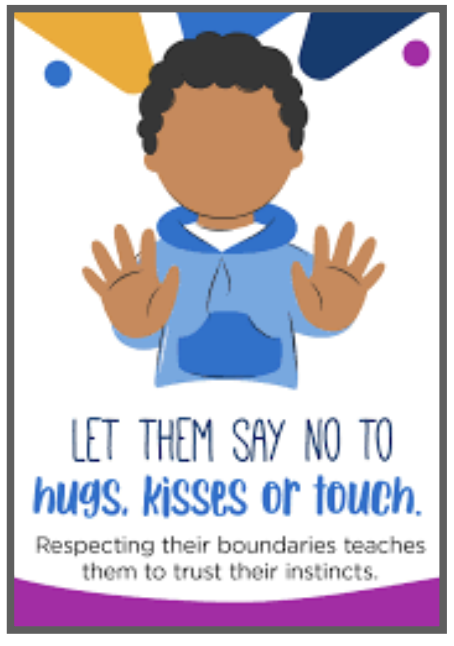 🔻 have to give them a hug / kiss” While you may want your kids to be warm toward friends or family members – pushing them to give hugs or kisses – deeply disrespects their personal boundaries. Insisting they rigidly conform to adult rules of politeness inhibits the child’s ability to become aware of their own feelings & intuition about other people.
This is especially deadly when the adult in question has been mean to or even molested the child without the parent being aware of it. Demanding expressions of affection without discrimination or choice can turn into poor judgement in the future, leaving the child passively open to being abused in relationships.
🔻 should be ashamed” Human being are given the capacity to feel shame – when they’ve broken a law or rule. However this demand is used by an angry parent as emotional blackmail – to control the child’s attitude or behavior, & is always harmful. Shaming comes from a place of entitlement – that their feelings are more important than the child’s. It’s absorbed on several levels that a child can’t sift through, but will eventually conclude that everything they do & feel is bad.
🔻 should have done better ” You may wish your kid would have gotten an A instead of a B+, but telling them their efforts weren’t good enough makes them feel bad about their abilities & who they are as a person. This is also form of shaming, & that the child is responsible for the parent feeling puffed up, rather than supporting the child’s abilities.
 🔻 were an accident ” Even if your kids weren’t planned , saying this will definitely cause long-lasting emotional scars. Having children is the parents’ responsibility – not the fault of the child who didn’t have a choice.
And adding ‘we love you anyway,’ doesn’t soften the blow. The child’s feeling is “I’m just being tolerated! They’d be happier if I were dead…..”
⚫️ YOU’RE :
🔻 the best at that!” Telling your kids they’re already the best at something can be more problematic than not praising them at all. This is a pressure to be the best, to constantly excel, to make the family proud. It’s a major contributing factor to childhood anxiety, & can lead to fear of failure, worries about disappointing you, & an unwillingness to try new things.
🔻 okay / it’s ok ” Whenever possible, avoid saying this phrase. Even if the parent thinks they’re trying to make things better when the child is hurt or crying, this is like a pat on the head, an automatic response rather a comfort. It implies that they’re really not in pain, or they shouldn’t be upset, & challenges their reality. Kids need permission to feel whatever, & when necessary to figure out what’s so upsetting.
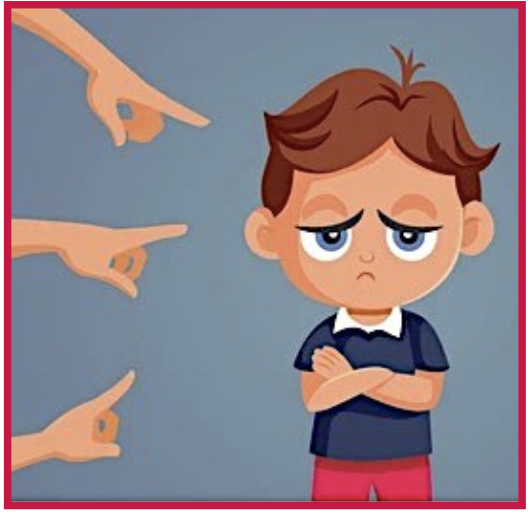 🔻 lazy” This is usually meant to indicate that the child is inherently unmotivated, which will only make them feel like there’s nothing they can do to change that. The child will form a picture or identity of themself that negates so many other parts of their abilities.
Accusing a child of being lazy is mislabeling the behavior (when not doing something well or not at all). Actually, it can be that the child is distracted by family chaos, is not feeling well, is being forced to over-do, is afraid to get it wrong, has not been shown how to do something the right way or at all…..
🔻 selfish” All kids are selfishly by nature – a defense mechanism – which parents should understand. Children’s focus is on how they feel, what they want & what feels good. So telling them they’re inherently selfish is not only inaccurate but leaves no room for developing into mature adults. Also, it’s crucial to make it clear that what is disappointing is what the child did, not who they are fundamentally.
🔻 stupid ” Saying this to your child – especially often – can negatively shift their core belief about themself, & permanently harm your relationship. You might be saying it in moments of frustration or anger, but the injury can last many years, since children take things very literally.
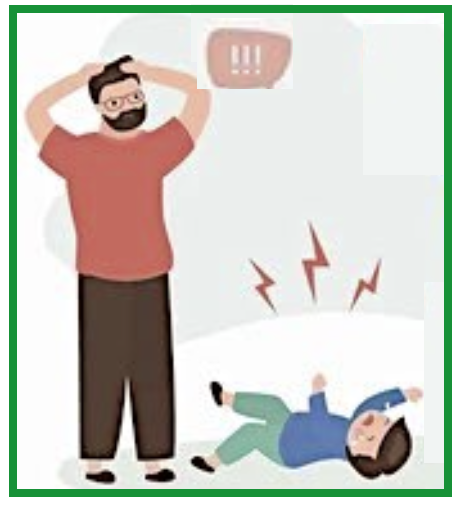 🔻 so dramatic.” Even when you’re sure the kid’s reaction is over the top, labeling them “dramatic” when they’re trying to express themself can have serious long-term damage to self-esteem & identity. Maybe the child is expressing a very bad situation without know-how else to express, &/or they may be a very ‘sensitive’ soul who feel things more deeply than others. Children look to their parents to see how to manage emotions, so if they’re taught that their feelings are ridiculous or unrealistic – they’ll grow into adults who believe that they don’t matter & feel ashamed of emotions
NEXT : Parental DON’Ts

