
 PREVIOUS : Things to NOT DO (#2)
SITE : ” Why Yelling at kids Backfires….”
Things Parents Should NOT Do for them — DON’T :
👫 fight All their Battles
We never want to see our children hurting, so it may feel compulsive to step in during a conflict to help them resolve disagreements. Actually that isn’t always helpful. Kids need to be able to stand up for themself, fight for what they believe in, & to learn that sometimes they’re wrong.
Resist the urge to text another parent when things are tough between children at school. Find out what’s going on, but give them a chance to work things out if it’s possible.
👫 force them to Choose their Hobby
Some parents will try to force their kids into something they themselves failed to do in their life. Trying to impose a hobby (or career) your child doesn’t like – or doesn’t fit their natural abilities makes them less creative & more resentful – especially the teenagers.
It can even seem like one form of emotional blackmail – “A good son/ daughter would do this for me”, encouraging co-dependence, & reinforcing the toxic rule “Other people’s needs are more important than mine”. Instead, keep an eye open for what they are into – then encourage them to pursue their interests – if it’s not addictive or dangerous.
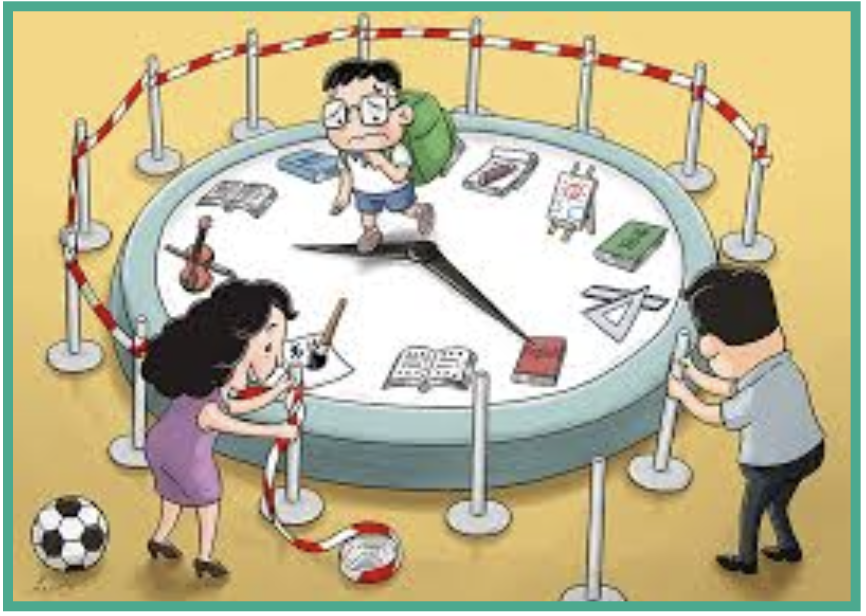 👫 Schedule every minute of every day
Some parents feel the need to do it all, so they force too much activity on their kids – sports, a language, ballet, arts-&-crafts…. But that can be too much for little bodies & overwhelm undeveloped minds. Remember that kids are kids, & regularly need downtime too. This is especially true for the introvert child.
While you may envy them – thinking they’re having all the fun in life – they also need to be given quiet & space to physically veg & mentally process. Instead of scheduling every hour of every day, give your kids (& yourself) a break. Encourage them to be human beings instead of “human-doings”. (SITE….)
👫 Step in when they Struggle
Healthy parents don’t want to see their children hurting, so it may seem logical to step in during a conflict & help resolve things. That isn’t always the most useful because constantly bailing them out prevents them from learning responsibility.
Kids need to be able to stand up for themself, fight for what they believe is right, & also learn that sometimes they’re wrong. The earlier they learn from mistakes, the better equipped they’ll be for life’s challenges. Letting kids face the consequences of their actions (within reason) helps them develop problem-solving skills and resilience.
When it’s about fights in school, resist the urge to text another parent when things are tough between your children. At least give them a chance to work things out before stepping in.
👫 stifle behavior
While you want your children to enjoy life as much as possible, as a parent you have to teach them what is acceptable behavior in various situations they’ll find themself in.
It’s may be perfectly ok to put on old clothes & go sloth thru a puddle, but it’s not alright to do this in your best ‘go-to-church’ clothes. It’s alright to talk while sitting in front of the TV at home, but not at the movies. Jumping around & yelling is great ar football game, but not in church or at a funeral…..
 👫 tell them what they should want as a present
Imagine wanting that remote control car as a present for so long only to get surprised with the “Importance of vegetables in your life” book. Frustrated, sad, seriously disappointment – much? It’s selfish & narcissistic to assume that what you want to get or give as a gift is what will be best for your child.
If the issue is money – that what the child wants is out of your range, explain the situation & then together find a toy or doll that is approximate to the original wish & is affordable.
Whenever possible, let your child choose what they want for a present.This will help sharpen their decision-making skills, which is always a good thing.
💝 Raising confident, responsible children requires a balance of love, guidance, & boundaries. It means being firm & kind – setting clear expectations while also nurturing emotional connections.
NEXT :

