
 PREVIOUS : What Parents Should NOT DO (#2)
Review NOTE in Part 1
What Parents Should NOT DO (cont) —— DON’T
🔹 REACT to negative behavior NEGATIVELY
Whenever your child does something they “shouldn’t”, the most common automatic reaction is to scold them. While it certainly is important to deal with their negative behavior or language – & correct it, it should not be done with anger – abusively.
Rather than going off the deep end, reasonably state what was objectionable or disobedient. If possible, deal with what’s behind the actions such as the child’s willfulness, defiance, entitlement…. Be aware that if all the parent does is yell, the child will be so used to it they won’t try to correct their behavior.
🔹 NOT Listen
 Many parents fall into the trap of lecturing / pontificating – rather than actually listening. They think they always know better instead of finding out who their child actually is, especially since each one has a different personality (even twins). When kids are consistently not heard, or what they do say is dismissed or made fun of – they’ll stop talking to you.
But more importantly, you’ve given the message that they don’t count, are just a bother & have nothing to contribute. Instead of immediately offering advice or being judgmental, learn to actively listen—repeat what they say, acknowledge their emotions & opinions, and create a safe space for honest conversations. You donor have to agree with or understand everything, just accept. They’ll change & get “wiser”as they grow up.
🔹 REWARD them unrealistically
If you do, it makes the child just work for the payoff. Instead, help them focus on how much they’re accomplishing along the way while working toward whatever goal they’re set on. The reward ought to be on how much they’re learning & the progress it provides, as well as the joy of doing something well.
VARIATION : tell Kids They’re “Smart”
While acknowledging that your child is smart, research shows that only focusing on how “smart” are can backfire. If they struggle to understand something new or that they’re not naturally good at, they may assume they’re not smart enough & give up. Instead, praise their effort, problem-solving skills, & perseverance. It will encourage a growth mindset & strong work ethic.
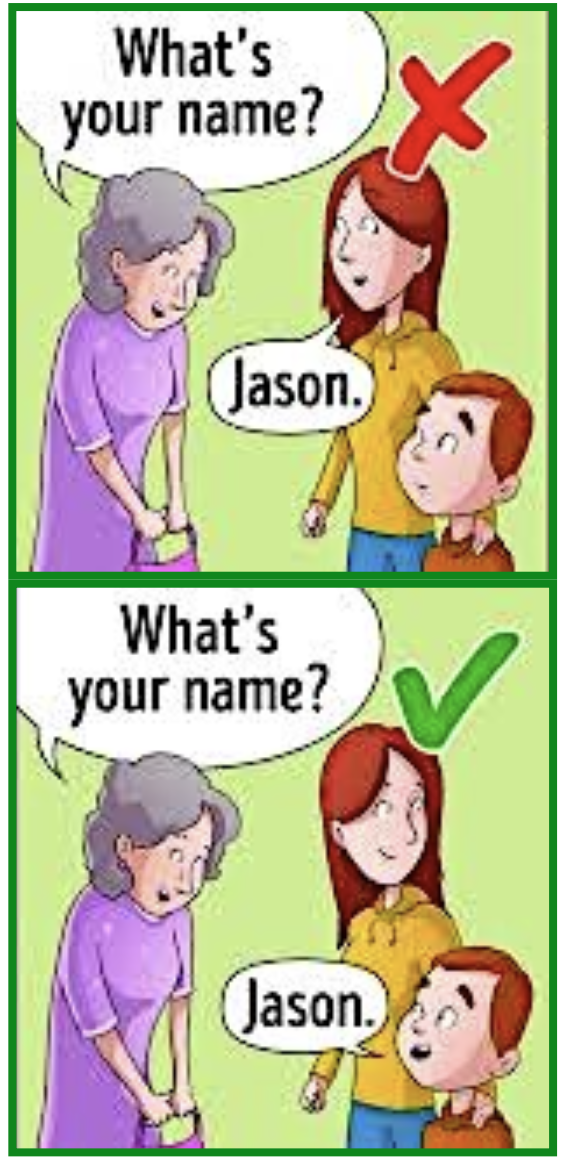 🔹 SPEAK FOR your child
Don’t assume your child doesn’t have a mind of their own. If someone asks them how they’re feeling or what their favorite school subject is, resist the urge to answer & let them answer in whatever way suits their age & ability. They’ll feel a sense of accomplishment.
Appreciate & encourage the child to express themself – clearly & appropriately. Tell them it’s ok even if it didn’t come out the way they wanted. At least they tried! It’s important for them to talk to adults with confidence. Being able to carry on a conversation builds self-esteem, & is a life skill that will stay with them when dating, interviewing for jobs, & in day-to-day casual interactions.
🔹 stay OUT of their life
As kids grow into teenagers, they definitely need time to themself without interference. At the same time – it’s important for parents to not be upset or take it personally about being shut out. While it’s crucial to give them space, it’s just as crucial to be there for them, even when they say they don’t want you to be. They will withdraw once a while, but showing unlimited acceptance is the best way to guarantee a solid connection as they develop into grown-ups.
🔹 take CREDIT where it’s not Due
It’s arrogant & debilitating for parents to take credit for their child’s success, bragging to other adults how their Billy or Suzie got a prize, the highest grade….. Don’t say “He learned that from me “or “She takes after me”. While you may have helped, you weren’t the one doing the work – making the effort or have the accomplishment
Instead, appreciate your kid’s success, even if it’s just the first step they took or the first fish they tried. Celebrate your kid’s success! Let their light shine, taking in the praise & be proud of themself. They earned it.
NEXT : Parental Don’ts

