
 PREVIOUS : Skills Parents can Teach
SITE : CRAZY things parents say
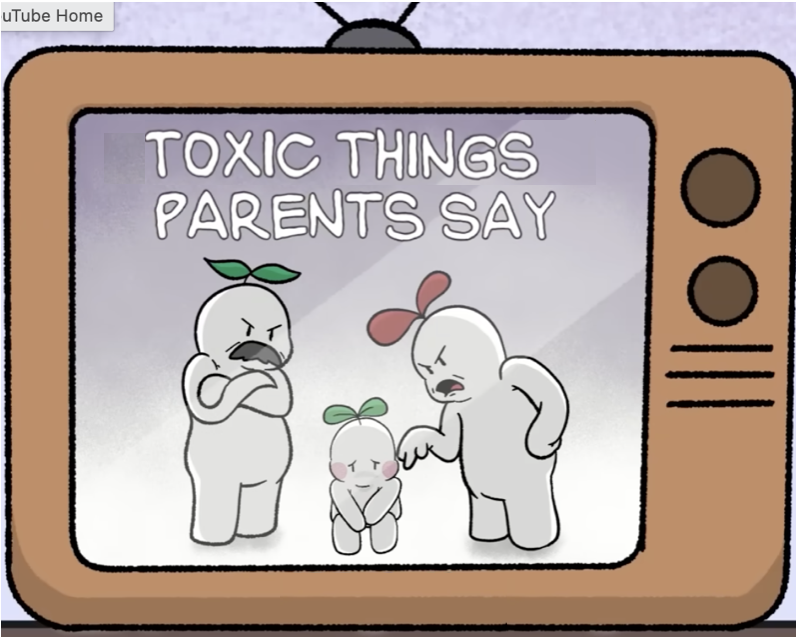
POSTS : Drawings re. How NOT to Talk to Kids
NOTE to ACoAs : Notice if you use any of these ugly statements as part of your harsh Inner Voice. Gradually change the DON’Ts into patience & kindness instead – by constantly disagreeing with them.
REALITY : Being a parent is hard. Stopping yourself from saying hurtful things is part of what makes it hard. There has to be balance between discipline, enjoyment & rest. We want our kids to grow into confident, capable adults who can take on the world. That kind of strength & independence starts with us.
TOXIC things to NEVER SAY
📛 don’t feel that way. Even if your child says something you know is less than completely true like, “I hate you,” it’s still important you don’t dismiss the emotion. ‘You don’t feel that way’ is one of the worst things parents can say to their children. Parents need to validate children’s feelings even if they don’t agree with them or wish they didn’t say something hurtful.
— “Stop crying.” (Or I’ll give you something to cry about!) It can be confusing to a tear-filled child to hear that what they’re expressing isn’t ok with you. It gives several messages – “my emotional are bad and I’m bad for showing them, I have to hide how I feel so I don’t displease or hurt mom, crying is a weakness….” They’ll be less likely to be helped & comforted by you in the future when struggling with something. Besides, have you ever been told to stop crying? Did it ever work?
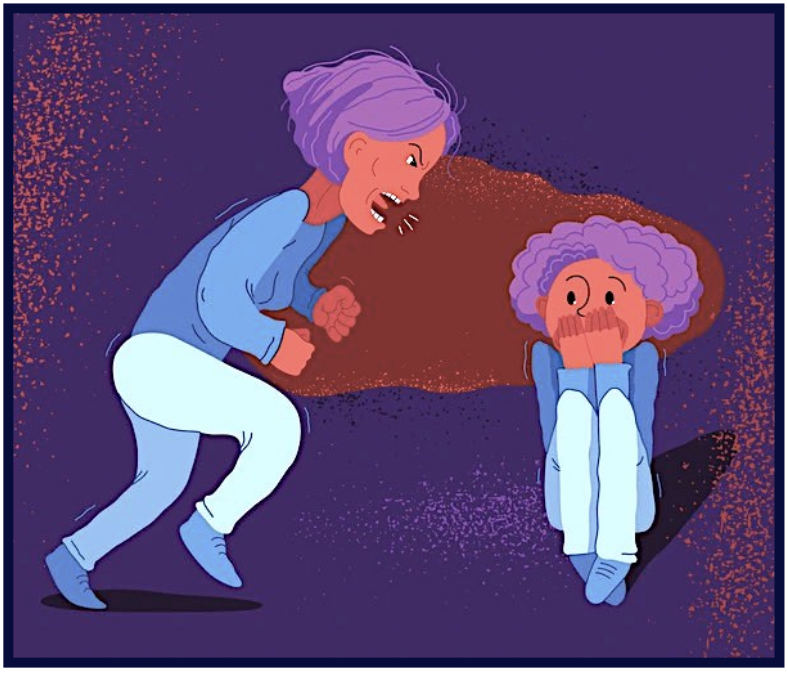 📛 “I wish you’d never been born.” This is the ultimate cruelty! No matter how frustrated you are with your child, it’s never acceptable to tell say this. It can scar them for life. When you’re that overwhelmed, quickly remove yourself until you’ve gathered yourself enough to react more reasonably, even if not lovingly.
📛 don’t be such a baby.” Acting younger than their normal pattern (emotional regression) can show up when a new baby arrives & gets all the attention, or when a child is injured from playing or a fight with another child. This accusation can be damaging because it invalidates the child’s physical pain &/or emotions of fear or anger.
📛 “I wouldn’t do that if I were you.” First – they’re not you! Making your children second-guess their own choices — especially with word that seems threatening — can have serious long-term consequences. It sends the message that you don’t have faith in their decision-making abilities. Instead, help them think of better alternatives for the situation that are age appropriate
📛 “I don’t believe you ” You’re assuming your child is (always) lying. By regularly indicating distrust, you severely damage your relationship. Kids quickly learn to hide their actions from you because they no longer feel safe opening up. If you want to keep a loving connection start with belief & acceptance when they try to tell you something. You can verify it later if you’re not sure.
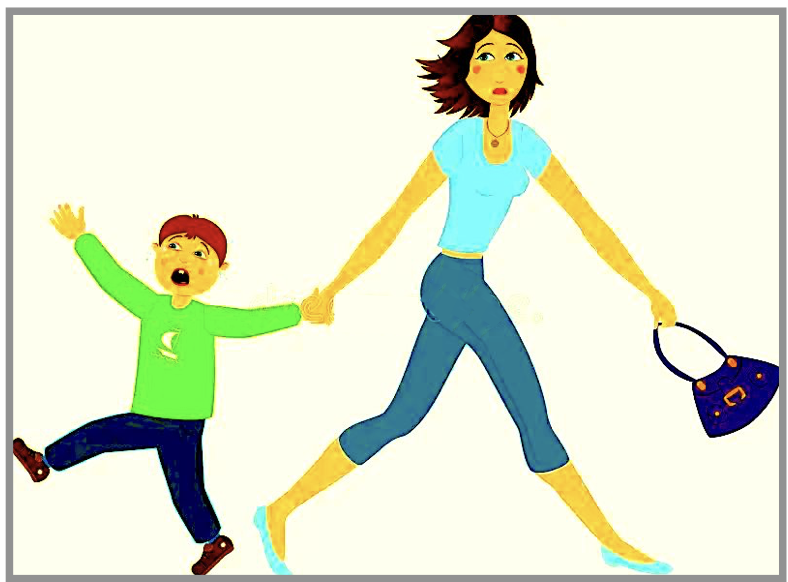 📛 “Hurry up.” It may be frustrating that kids take forever to get out the door, but telling them to hurry isn’t actually going to motivate them. Instead, it creates more stress & anxiety in the child who is already doing their best to find their shoes to get ready…. Also, each child has their own inner clock & muscle strength for activities – which can be observed & then helped to use to their advantage. You can motivate them by making it a game of who can get ready the fastest.
📛 “The others don’t do that.” If you pressure your kids to do things by comparing them to their peers at home – they’ll never learn to handle peer pressure at school or the playground. It not only reduces their self-esteem & a sense of personal agency, but encourage unhealthy competition with others
📛 “What did you do to yourself?” While you probably are not going to appreciate your older kid’s new hair color, nose ring or tattoo, you’ll completely shut them down if you start out by implying they’re ugly, stupid or ‘crazy’. When they feel judged & not good enough for their parent, they won’t feel good enough for anyone else
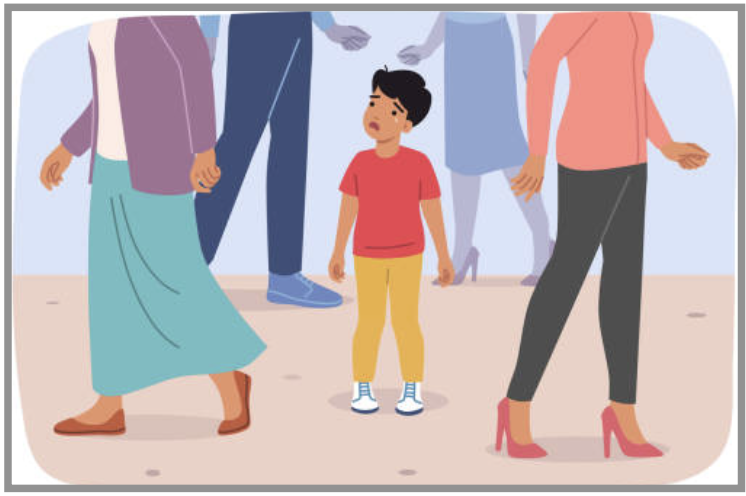 📛 “There’s nothing to be afraid of.” Fear is a very needed emotion that can protect us from harm. There are real things in the world that are dangerous & scary. This statement sends the message that something is wrong with the child for how they feel. Instead of invalidating their emotions & experiences, help your child identify what is realistic to be afraid of & what’s safe or neutral – with PPT (people , places & things).
📛 What’s wrong with you?” When we’re frustrated it’s too easy to say this. but blatantly telling your kids there’s something wrong with them will always be harmful. Kids take things we say very literally, & negative messages last a lifetime.
NEXT : What to NEVER Say (#2)

