
 PREVIOUS : Responding to Insults (#4)
SITE : 20 Life Skills Not Taught In School (any age)
POST : ‘The UNIT” (adult + parent)
NOTE for ACoAs:
a. If you’re already a parent of small children, check to see how many of these issues in Part 1 & 2 you’re already working on applying (or not) & how well.
b. OR IF you’re also in Recovery & don’t have children or your kids are already grown, then you may get to focus even more on your Inner Children.
‼️ Whatever your situation, add &/or enhance these topics (Personal & General) in your life by your own Loving Parent. Develop & improve them to heal the Wounded Child AND to strengthen your Healthy Child.
🎄 LIFE SKILLS NOT Taught in School
They will prepare your child for the challenges & opportunities of adulthood, complementing their school education.
1. GENERAL
👫 Basic Home Maintenance
“Who left this mess?” daily echoes in households everywhere. Basic cleaning & organization skills prevent chaos in living spaces while preparing children for eventual independent living. Practical household skills are rarely taught in school yet they’re essential for independence & financial competence. Teaching children how to manage minor repairs & household upkeep builds confidence & self reliance.
Each developmental stage included appropriate chores. EXP: preschoolers match socks, elementary students load dishwashers, teenagers mow lawns……
 👫 Conflict Resolution
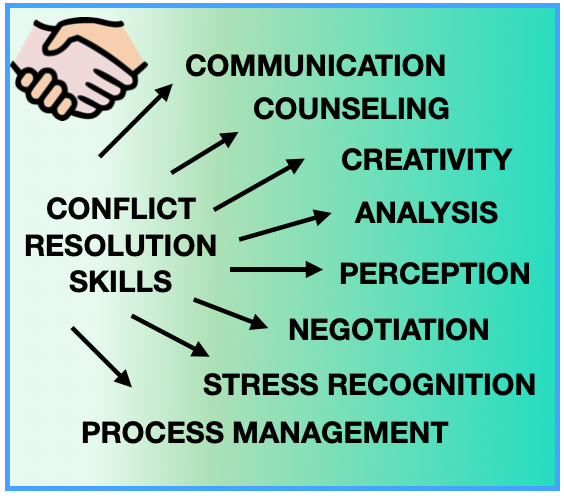
Playground disputes are great opportunities to practice peaceful problem-solving techniques. Learning to manage disagreements without aggression or capitulation provides more compatible relationships in all areas of life.
Conflict is a natural part of human interaction. But without guidance, children will develop their own coping strategies based on their personality – with avoidance, aggression, or passive behavior. Help your child understand the difference between disagreement & disrespect.
Teaching structured conflict resolution equips them with communication tools – such as using “I feel” statements instead of blaming – that strengthen relationships rather than damage them.
👫 Digital Literacy & Online Safety
Teens have to be able to manage online environments safely, due to the growing risks available in the cyber world. All children should learn & apply ethical behavior online,. It seems now that the average child in the US gets their first smartphone by age 11, so there’s an urgent need for responsible-usage education.
Being online is now crucial to education, communication & social interaction. Use has to include developing digital literacy, critical evaluation skills, & strong privacy awareness.
Teach children responsible online behavior so they recognize that their actions have long term consequences. Discuss the risks of oversharing personal infor such as location, school details, or financial data.
👫 Financial Literacy
Children find it hard to grasp the concept of money’s value in our increasingly cashless society, & many students graduate without understanding how money truly works. Even so there are daily opportunities to teach them such as at in-person stores, online shopping, or family budget talks. (Posts “Money Madness” archetypes) 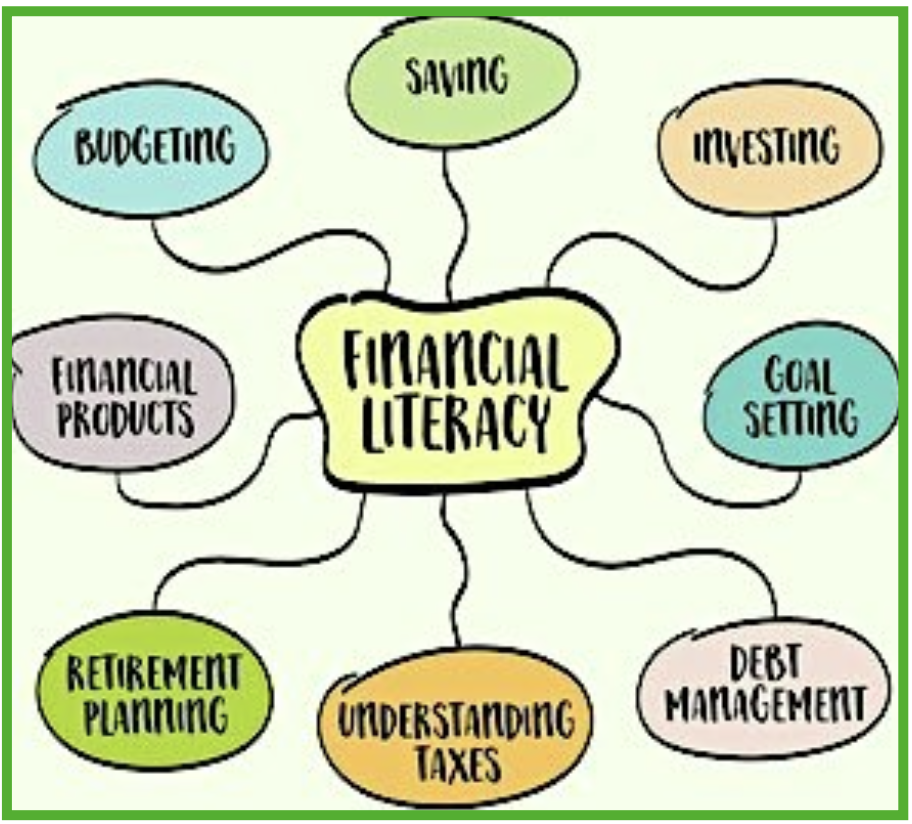
Financial literacy underpins independence & long term stability. Teaching children practical money skills -early- prepares them to make smart decisions as adults. Discuss the risks & benefits of credit, the long term cost of debt, & the importance of emergency funds. Especially important (& hard for children) is tolerating delayed gratification, encouraged by comparing impulse purchases vs. planned spending decisions.
👫 First Aid & Emergency Preparedness
Basic emergency response knowledge builds confidence & can significantly reduce harm in critical situations. Safety awareness includes knowing when adult help is needed vs. when a child can handle minor injuries independently,
Most children are never formally taught what to do during injuries, accidents, or natural disasters. Age-appropriate responsibilities gradually increase from applying adhesive bandages to understanding serious emergency signs. Kids who know basic first aid are less likely to panic during minor accidents.
Teach the child how to get adult help, memorize emergency contact numbers, call emergency services, what information to provide, & how to stay calm while explaining a situation.
👫 Social Etiquette
Have them practice saying “Please” & “Thank you”. This will open doors for life that stay closed to people without basic courtesy. Social rules vary in different cultures & contexts, but will always smooth human interactions. Appropriate behavior in different settings, such as the library vs. playground, church vs a concert…. shows the child is learning event-awareness & respect for others.
NEXT : LIFE SKILLS (#2)

