
 PREVIOUS : LIFE SKILLS (general)
REVIEW NOTE for ACoAs in Part 1
‼️ ….. Whatever your situation, you can add &/or enhance these topics in your life as your own Loving Parent, (Personal & General). Develop & enhance them to help heal the Wounded Child AND to strengthen your Healthy Child.
🎄 LIFE SKILLS for Your Kids NOT Taught in School (cont)
1. GENERAL
2. PERSONAL
👫 Cooking and Nutrition
Cooking is a practical life skill that directly impacts health, independence & long term wellbeing. A wide knowledge of nutrition empowers children to make their one health-supporting choices.
The kitchen serves as a laboratory for countless life lessons beyond mere food preparation. Cooking together provides natural opportunities for family bonding & passing on of cultural heritage. Even preschoolers can help with simple tasks. Yet many students graduate without knowing how to prepare even basic meals or understand nutritional balance.
👫 Critical Thinking and Problem-Solving
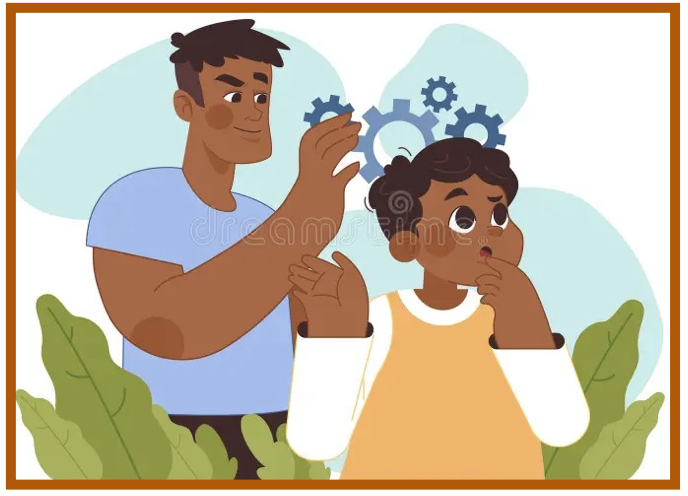 Although schools may teach problem solving in subjects like math & science, critical thinking as a transferable life skill is not always clearly developed. Students need to learn how to evaluate information, question assumptions, and make reasoned decisions across different situations
In our past-paced info-overloaded world – children need to be able to carefully evaluation & question their environment. Encourage children to ask why, how & what if. Asking “why” is important to positively propel human innovation.
Critical thinking skills develop when parents encourage curiosity rather than provide immediate answers to every question. Dinner table debates about current events (age-appropriate) sharpen reasoning abilities.
Instead, guide them to analyze causes & consequences. Suggest real life scenarios such as choosing between two purchases, resolving a disagreement, or evaluating online information. Ask them to identify possible outcomes & justify their choices.
👫 Decision Making
As a consequence of the Critical Thinking skill, children can make better choices by knowing what options are available & then weighing their differences according to what’s needed in a present situation. The ability to identify alternatives, predict consequences, & evaluate outcomes prevents impulsivity & disappointment. Decision-making muscles strengthen through practice – starting with simple decisions like which book to read before bedtime.
👫 Effective Communication
Being able to share thoughts clearly, picking up on body language and carefully listening to others,- are keys to building strong connections with others. The digital generation needs direct & explicit instruction in face-to-face communication ability, previously learned through constant in-person interactions.
👫 Empathy and Community Involvement
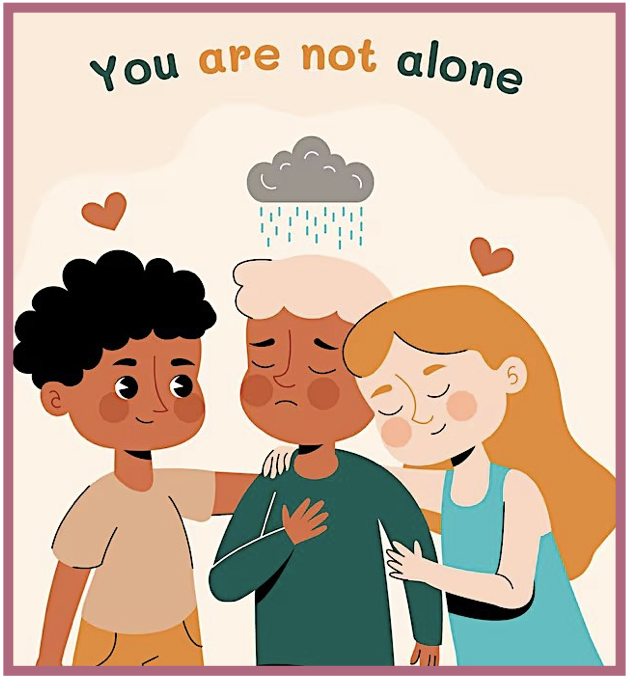 Empathy is more than just understanding emotions & more than just kind actions. It’s developing the ability to imagine how others feel & respond appropriately. It includes being compassionate & contributing positively to society.
These skills start with how parents treat their child when they’re struggling – by acknowledging their feelings & helping them process difficult experiences. Encourage regular acts of kindness within the family, school & neighborhood. When children develop a sense of social responsibility, they learn about different backgrounds, have the pleasure of being useful & develop stronger moral reasoning.
👫 Personal Hygiene
Personal hygiene covers daily habits that will keep the child healthy, be socially acceptable, & provide self-respect throughout life. Putting regular routines in place will become automatic with consistent practice & gentle reminders. This ‘establishes expectations’ in the child of “specific standards & guidelines for behavior & performance”. It allows the child to gradually assume responsibility for their bodies.
👫 Self-Advocacy
Self-advocacy allows children to get the right kin of help they may need, address things that upset them, & be part of decisions affecting their life. This skill is especially important for those with learning differences or medical conditions. Teaching the difference between assertiveness & aggression helps children communicate effectively without alienating others. (s-a for adults)
👫 Time Management
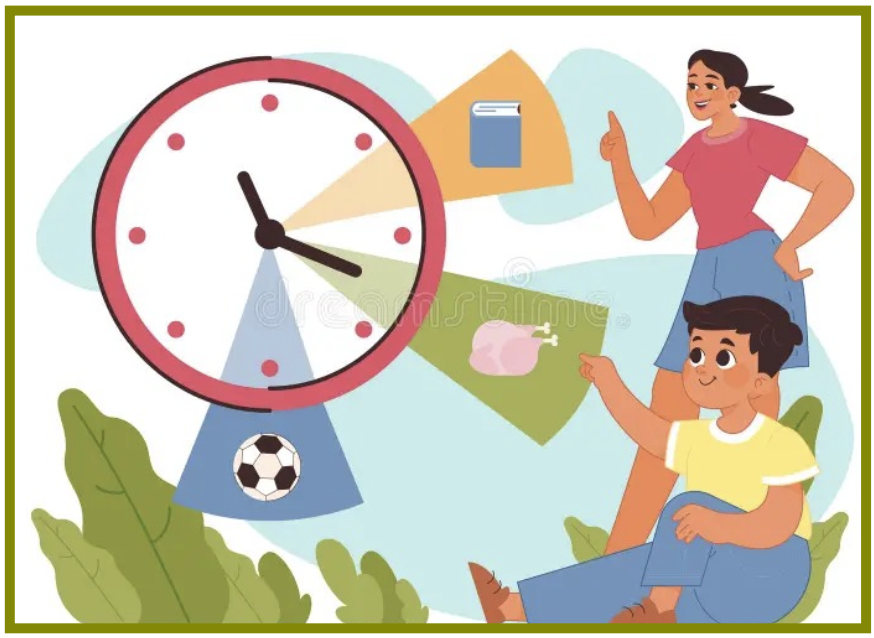 Mornings often prove to be a time-management challenge, when kids have to accomplish many practical tasks before leaving home. Students may struggle using time efficiently -not from lack of ability – but because they’ve were never taught how to structure their time effectively.
Time management is a foundational executive function skill that influences academic performance, stress levels, & long term productivity. This crucial ability determines success in school, career, & personal relationships. Balancing homework, activities, family time & rest teaches children to use limited hours wisely & prevent burnout.
NEXT : VALUES to teach children (#1)

