🪴 Appreciation & Gratitude
Children, especially young ones, tend to focus on what they’re missing rather than what they already have. Your role involves gently redirecting their attention toward the abundance already present in their life.
EXP : Creating family traditions that highlight appreciation….can help children develop the emotional muscle of gratitude, which greatly contributes to lifelong happiness & strong relationships.
Gratitude can’t be forced by lecturing or forced thank-you notes. Instead, model authentic appreciation, such as expressing sincere thankfulness for small moments – a beautiful sunset, your partner’s help with dinner, your child’s hug…. These help them learn to notice the good things around them.
🪴 Basic Manners & Courtesy
Your child learns respect through watching how you treat everyone, even the grocery store clerk. When they hear you naturally say “please” or genuinely mean “thank you”, these words become part of their vocabulary – rather than a forced politeness.
But teaching manners goes beyond social scripts. It’s also teaching your child that other people also have feelings, needs & dignity worth honoring.
🪴 Boundaries for Self & Others
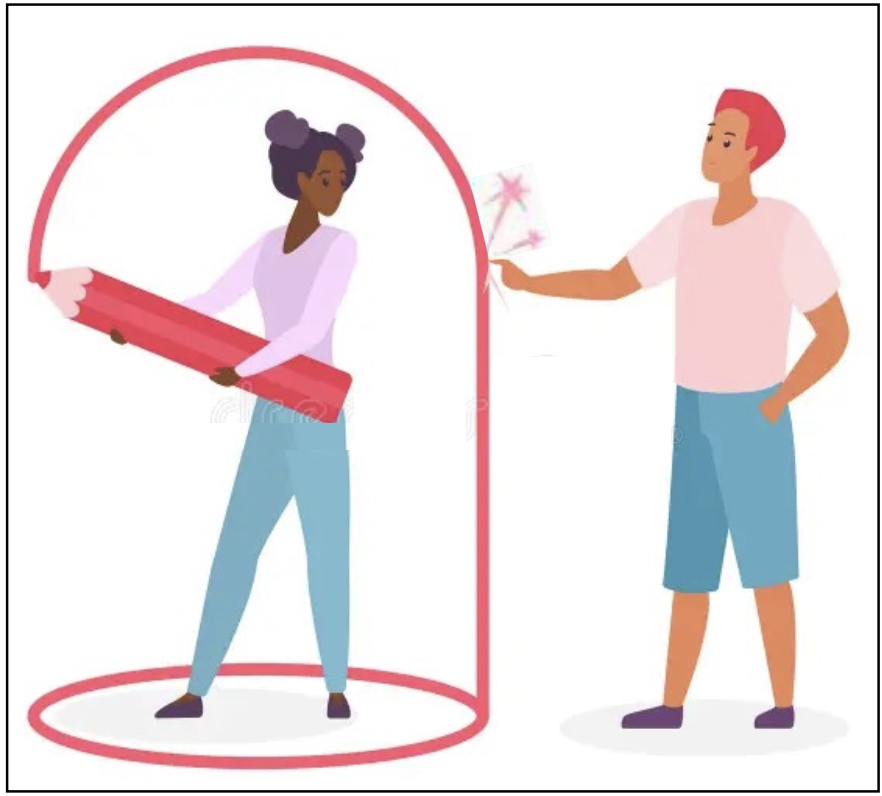
Children need to learn that saying “no” can be healthy & necessary because it’s a protection against various pressures. especially during adolescence. Permission must be given before hugging or touching others – a fundamental way to establish bodily autonomy.
 Setting appropriate physical & emotional limits protects kids while teaching respect for others’ boundaries – learning that everyone has the right to physical & emotional space. IMP: Bs are not isolating)
This skill has to be practiced in the family first, modeling healthy boundary-setting in family relationships. Then children can hear the adults saying “no” respectfully but firmly – when appropriate. Boundaries aren’t mean or selfish, they’re a way to have safe connections.
🪴 Decent morals
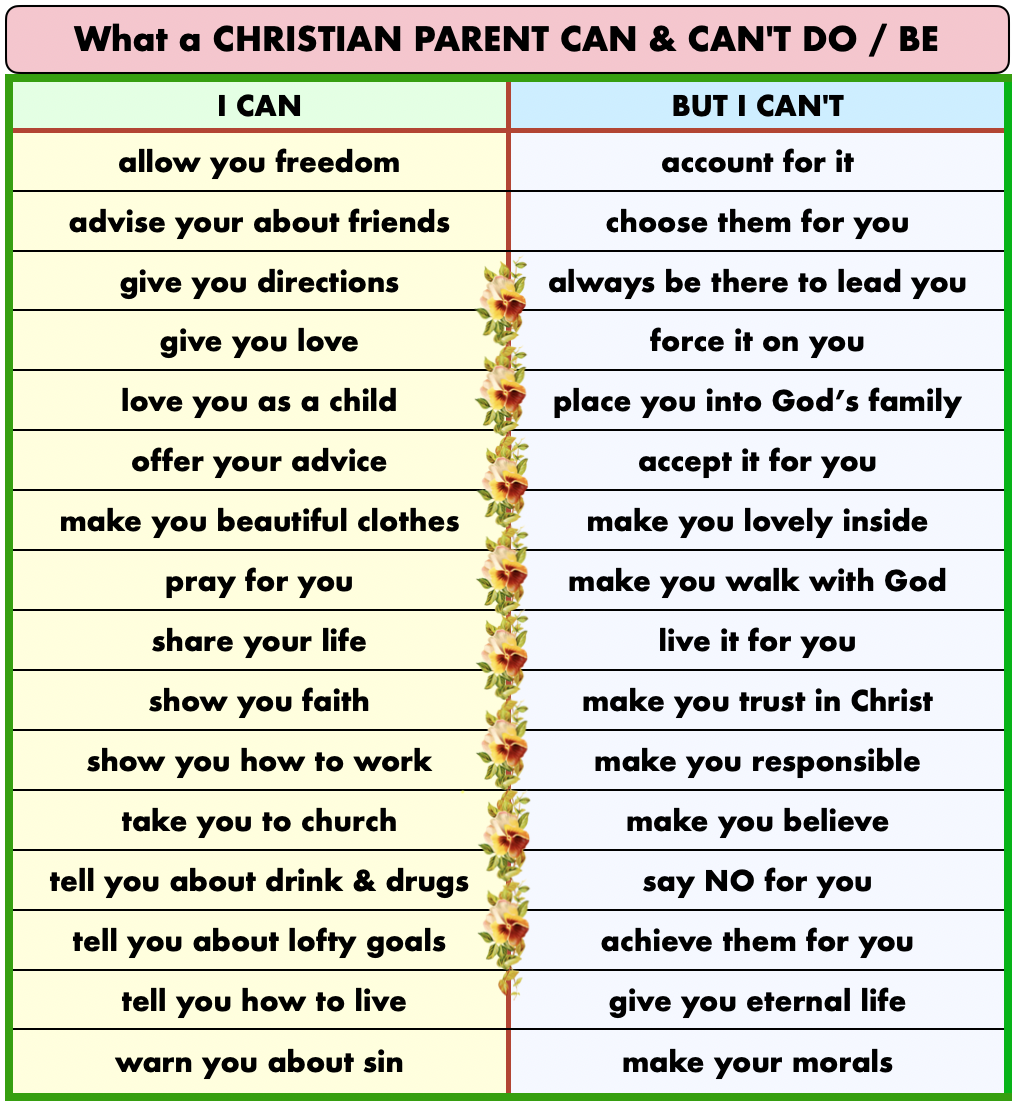
Morality isn’t just about following rules – it’s about understanding why certain principles matter for human to flourish. Your child needs a moral compass that guides decisions when no one else is watching. Some principles are universal – treating others with kindness, telling the truth, helping those in need, & taking responsibility for harm caused to others. (basic Bible principles!)
🪴 Emotional Regulation
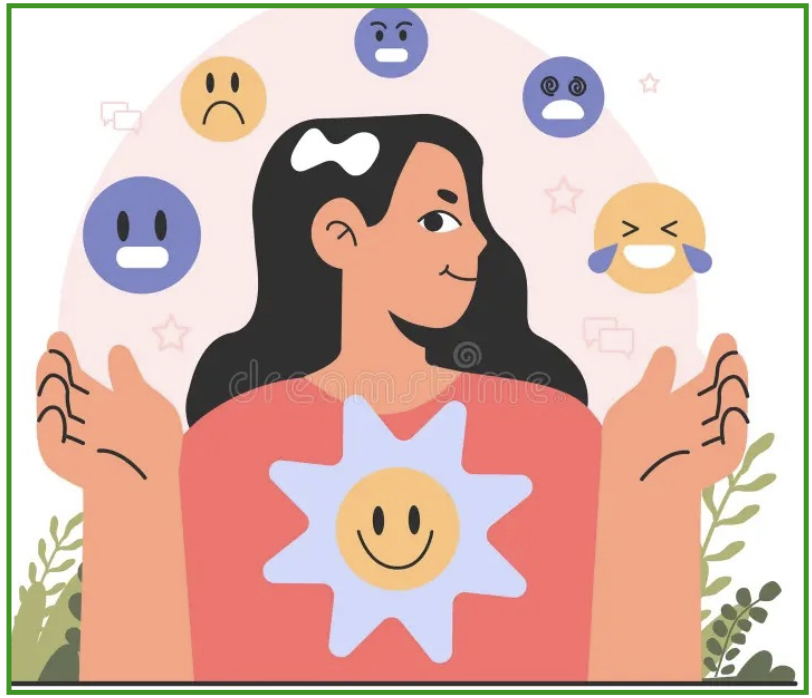
Emotional intelligence is one of the most valuable life skills, yet it rarely gets structured attention in traditional curricula. Beyond basic social skills, students need explicit guidance in identifying their emotions, understanding what triggers them, & regulating their responses in healthy ways.
Children need to learn that all emotions are acceptable, but emphasize that not all behaviors are appropriate. They need to name their emotions accurately rather than labeling them as “good” or “bad.” Instead of dismissing their feelings or trying to fix this distress immediately, help them say what they’re experiencing & then together – brainstorm healthy ways to cope.
Resilience grows from going thru normal growing pains & discovering internal resources for overcoming obstacles. The parental instinct to protect children from all discomfort actually prevents the development of this critical coping ability.
Emotional regulation develops slowly over many years. Encourage them to notice physical & mental signals of stress, frustration, excitement, or disappointment. Then provide ways to choose positive actions such as pausing before reacting, reframing negative thoughts, & practicing calm breathing to improve self regulation (See many POSTS re. self-regulation & “Emotional Regulation“)
«

 PREVIOUS : LIFE SKILLS (#2)