
 PREVIOUS : Courage
SITE :
St. Augustine popularized a famous concept of hope having two daughters : Anger – at the way things are, & Courage – to see that they do not remain that way.
Aristotle connected the two: the ‘mean’ between cowardice and rashness, the proper management of anger being an essential rational tool that drives justified, courageous action.
ANGER & COURAGE are deeply connected, often acting as two sides of the same coin. Both emotions activate the sympathetic nervous system’s “fight” response, producing a surge of adrenaline. When properly regulated by our brain’s executive functioning, this physical mobilization provides the push needed to take decisive, moral action.
Anger – the Biology of Action – alerts us when something’s wrong, providing the raw, energizing fuel needed to overcome fear & stand up for our rights when a boundary has been crossed or a core value is threatened. Being angry it’s not a sign of destruction, but of desire.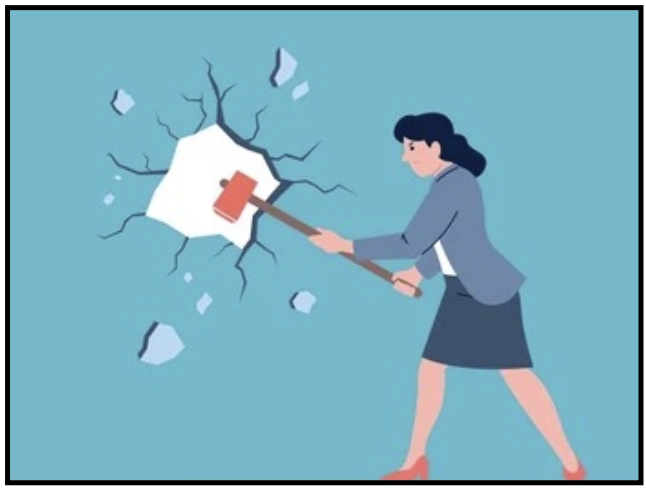
Channeling anger productively requires courage – to pause, to understand what it’s trying to tell us. Then we can address the root of the problem assertively, & protect our boundaries with respect.
Courage is required to acknowledge this anger, identify the underlying cause, & express our needs instead of lashing out or bottling it up. It’s what allows us to channel anger’s intense energy into productive action = to speak up, confront difficult issues, & possibly drive meaningful change, rather than retreating.
It’s often easier to feel indignant or explosive than to admit feeling hurt, disappointed, or scared. It takes courage to let anger peel back the layers & show our genuine Self & our precious values. Courage helps us face fears, take risks, & act even when the outcome is uncertain.
Recent research (2025) was set up to see if anger might play a significant role in courageous feelings & behaviors. Participants were presented with a scenario of embezzlement. They reacted to the perpetrators with anger, felt angrier after hearing the story & that the angrier participants felt, the more likely they were to intervene.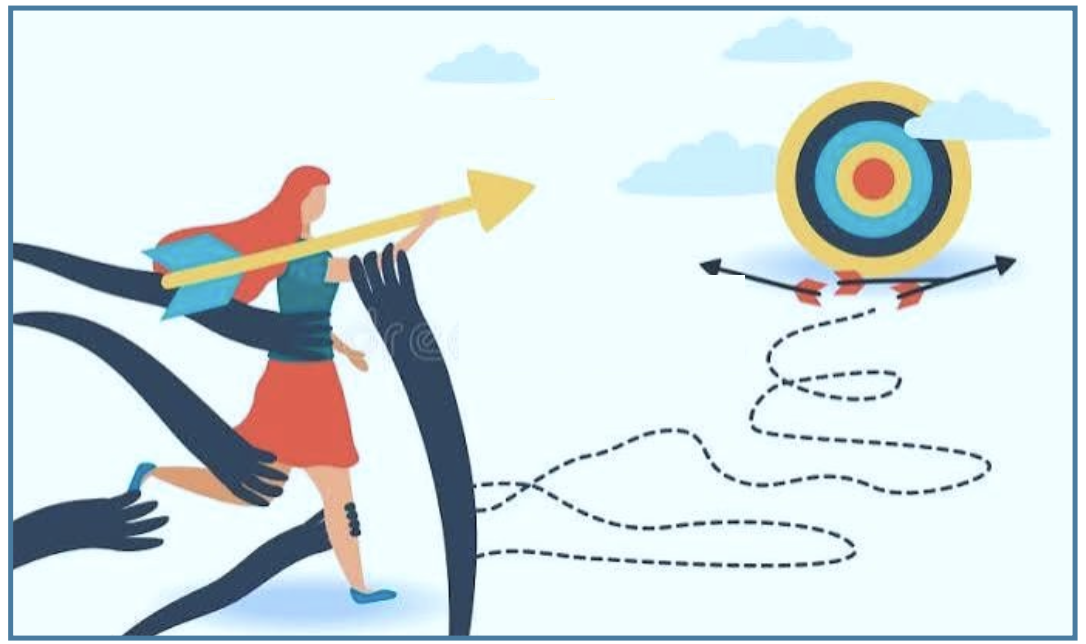
However, researchers also found that only 27% of participants actually did anything at all, & most chose subtle ways of intervening, like asking the “embezzlers” about their actions rather than taking the information to a superior.
This result fits with other findings that moral courage is quite rare, but that anger may still provide a necessary boost to give us the courage to stand up for our moral beliefs.
To be courageous we have to express our whole self. But we’ve been taught that people don’t like receiving our anger, so we’ve learned that it should be suppressed or hidden. However, there are some kinds of anger that are appropriate, such as when we see that others are harmed. (Read POST : Positive reasons . ALSO ‘Anger – Healthy Uses“)
We can work to change the limited belief that all anger is always bad – & push thru’ to the point of accepting that it can be also good & useful , and can be good to express when done safely. This shift is an act of courage within oneself (against the Bad Parent & Wounded Child’s experiences).
Dr. Michal Tapia has written about turning anger into courage in her book “The Courage Connection – Embracing CORAJE”
🔌 “CORAJE embodies both courage & anger – two emotions often seen as opposing forces but that, when harnessed together, can be transformative. Anger can propel us forward when rooted in a desire for justice, equity, or change. And Courage, allows us to face fears, take risks, & act even when the path is uncertain.
This dual meaning tells us that the same energy that fuels anger can ignite courage. Coraje reminds us that we have the ability to channel our emotions into strength & resilience, transforming frustration into action for positive change that can inspire others.
Leverage Coraje as a force for unity, promoting collaboration & solutions, rather than division or harm. Refrain from using it as an excuse for negativity or cynicism – instead use it to build bridges & drive progress.
NEXT : COURAGE growth

