
 PREVIOUS: Courage –
SITE : “Courage: Why some people act despite fear” (extensive)
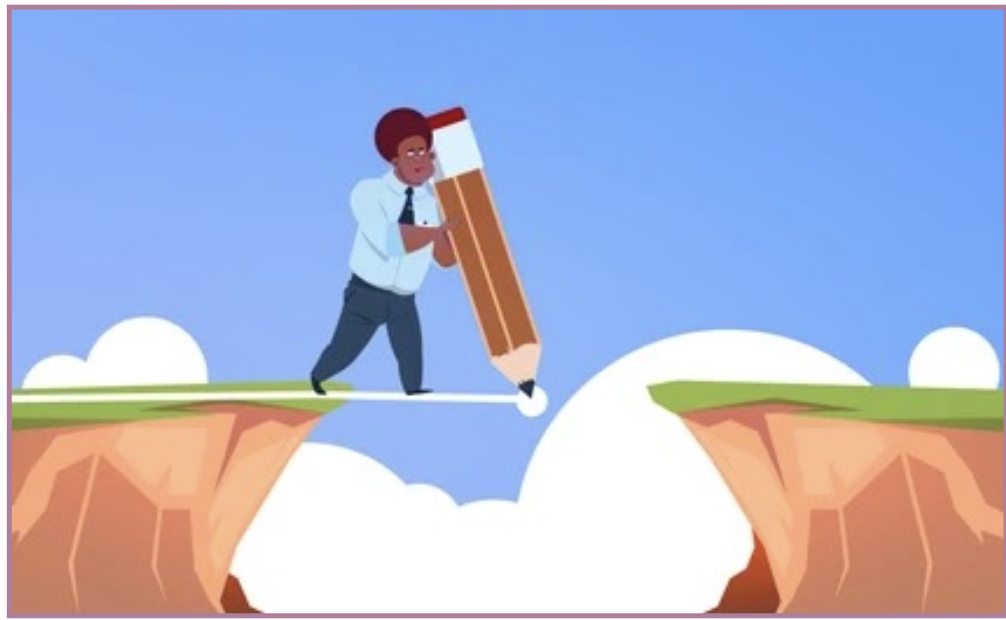
1. BENEFITS : Being courageous transforms fear into action, empowering you to follow your dreams & go after your goals, stepping out of your comfort zone to live authentic to your True Self.
🧐Anxiety Decreases Notice how you feel after doing something growth-oriented, but uncomfortable or intimidating. After you do something brave it’s energizing to discover you can handle whatever life brings.
🧐 Boosts Self-Confidence: Every time you successfully act in the face of fear or uncertainty, you prove to yourself that you can adapt & overcome. This builds deep, lasting self-assurance
🧐 Creates New Opportunities: Stepping into the unknown brings new opportunities – experiences, people, & career paths that you would otherwise miss out on. Life is never boring for the courageous.
 🧐 Creativity is Unleashed – when your attention is focused on safety there’s li space for creativity. When you say “no” to fear, your creative energy is freed up.
🧐 Drives Personal Growth – According to a consensus on platforms like Quora, Courage is a fundamental skill that transforms potential into action, accelerates learning, and strengthens your capacity for success
🧐 Ego Shrinks – The wounded ego’s top priority is to keep you safe & its top emotion is fear. When you’re brave, you feed faith & starve damage. When you are courageous you stop making it all about yourself
🧐 Improved Health – Your central nervous system rests after doing something brave ! Living courageously increases self-worth which leads to improved self-care
🧐 Inspires Others: Acting with integrity and conviction doesn’t just benefit you; it motivates the people around you to step up, take risks, and be brave as well
 Increases Confidence — You’re only courageous when you do something without any guarantee that it’ll turn out as you hoped. Self-confidence only increases AFTER you do something you doubted you could do.
🧐 Minimizes Regret – Taking action—even when it’s scary—ensures you’re in charge of your own destiny rather than settling or wondering “what if or if only I had…..”
🧐Relationships Improve – When we are courageous inspire of anxiety, we stop trying to control PPT (people, place things) . The friendliest & most joyful people dare to reach out & connect with positive, interesting others, rather than always playing it safe.
🌵 🌵 🌵
2. NEGATIVES (current or potential)
According to psychologists like Dr. Cynthia Pury, courage is value-neutral. When applied to destructive or unethical goals (like starting a violent conflict or acting out of malice) can cause massive harm to oneself & society.
😼 Maladaptive Courage – Research shows that excessive or Misaligned priorities (“bad courage”) can result in destructive outcomes. When courage isn’t paired with critical thinking or a realistic admission of abilities, it morphs into reckless risk-taking, endangering themself or others.
😼 Arrogance & Stubbornness : if the over-doer has a sense of superiority & disregard for the opinions & feelings of others, they may refuse to back down. The’ll ignore healthy advice to ‘step back’, or a react to negative feedback, exhausting themself by constantly “saving” others without setting boundaries.
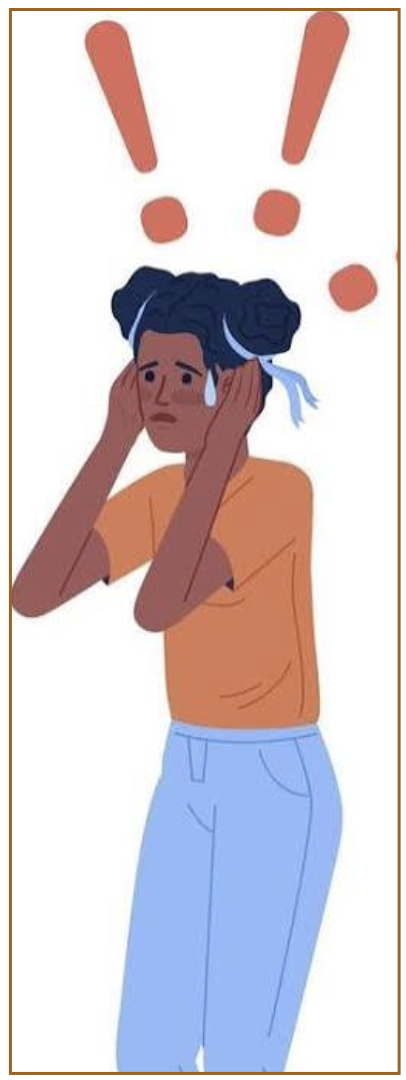 Chronic Stress — Courage requires intense mental & emotional self-regulation. Prolonged biochemical activation needed to face fear & risk puts a strain on the body’s nervous system. Without proper support, the constant stress can severely impact your health causing anxiety, fatigue & mental burnout.
😼 AccumulatingUnprocessed Trauma
Anyone who regularly puts themself in harm’s way (first responders, healthcare workers, activists… ) act courageously at the expense of processing their own emotions. Eventually it can cause trauma & PTSD, autoimmune diseases….
😼 “Dissociation” – Neurological & psychological studies show that courageous people can disconnect from their feelings of fear & physical arousal to focus on their goals.
This suppression is incredibly effective in an immediate crisis, but can become permanent emotional detachment, causing depression
😼 Social & Professional Repercussions — When exercising moral & social courage, often we’re disrupting the status quo. This can lead to:
▪︎ Alienation: Speaking uncomfortable truths or standing up for your values will cause friction or conflict with family, friends & work peers or bosses, isolating you as ‘punishment’
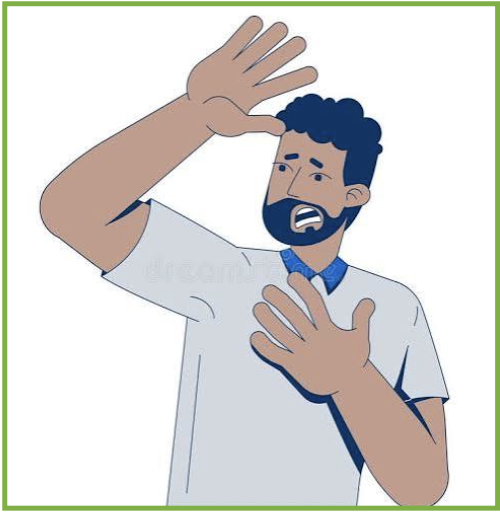 ▪︎ Backlash: Whistleblowing or challenging authority can easily result in retaliation, loss of social standing & approval, or job loss.
▪︎ Misunderstood motives : Boldly standing up for convictions or pushing for change can be seen by many as arrogance, being stubborn, contrary, or a ‘pot stirring’.
😼 Toll of “Psychological Bravery”- The real-life consequences of psychological courage can be heavy. Letting yourself be vulnerable with ‘open’ boundaries requires a specific type of moral courage. It may be satisfying, but can also be lonely.
NEXT : Courage

