 SEE, I TOLD YOU –
nobody’s safe!
PREVIOUS: Lack of Trust (Part 1)
See ACRONYM page for abbrev.
🕛 LIFE STAGES
🕕 DEF. of Legitimate Trust
🕕 CAUSES of ACoA DISTRUST
PHYSICAL
• growing up in a neglectful, unpredictable &/or volatile family
• constantly subjected to undeserved bullying & victimization, by individuals & institutions
• death or loss of one or more loved-ones
EMOTIONAL
 • emotional, physical &/or sexual abuse at the hands of our caretakers
• being chronically put down for the way we felt or for what we believed
• hostile relationship between parents, with siblings, with step-parents & other relatives
RELATIONAL
• parental infidelity, bitter divorce or loss of another long-term relationship
• our own painful relationships – being belittled, misunderstood, abused or ignored
• being cheated on / betrayed – sexually, emotionally, financially
• our confidential information betrayed by a trusted friend, relative, spouse or professional …..
SOME RESULTS
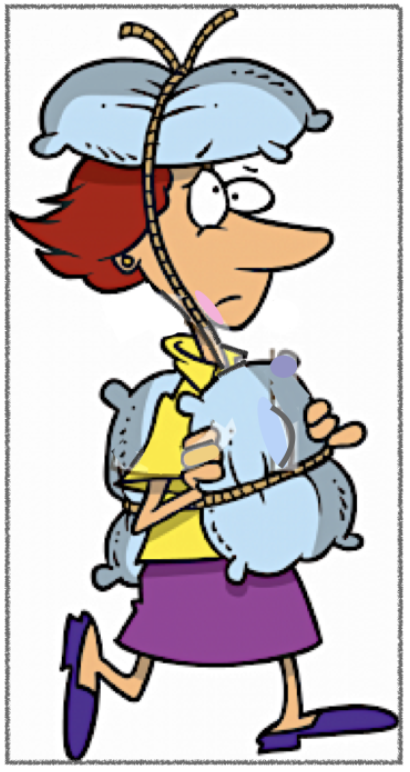 • we get so caught up in unresolved grief that we can’t open ourself up to others, terrified we’ll be left alone again, as if we’re still living in that household & still 5 years old!
• because of S-H, we can’t believe that we deserve attention, or anyone’s care & concern for us, so have a problem trusting even the positive, healthy & consistent behavior of someone who is sincere
🕕 ACoA thoughts / beliefs about NOT Trusting
Re. OTHERS
• there’s no such thing as a healthy relationship
OR – I wouldn’t know a healthy relationship if it fell on me!
• marriage is a prison sentence – I’ll be trapped & used – or left
• I can’t seem to find any good friends or good partners – so why bother looking?
• as soon as you let yourself care about someone – they leave you!
• I’m never letting anyone ever get close enough to me again so I won’t be vulnerable anymore
• people don’t really improve or change, & any ‘reforming’ is temporary or just fake (like an alcoholic getting sober)
• no matter what they say, it’s all manipulation to get their way. If I let myself believe & relax my defenses, I’ll be devastated when they go back to their old ways
Re. OURSELVES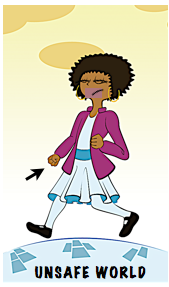
The only way to survive & protect myself is to avoiding people as much as possible, because:
• I’ve been hurt so much & by so many in the past
• all men / all women are dishonest
• everyone’s out to get the most they can (from me)
• no one respects me
• if I let my guard down someone will step on me OR all hell will break loose
• if I open myself up people will use that info against me…. so how can I trust anyone?
♦️OUR LACK OF TRUST can CAUSE:
• Arguments with others, because of intruding on their privacy about what we think are their ‘suspicious’ activities, their lack of openness – often leading to retaliation from them
• Anxiety in us, especially when we don’t know where a loved-one is & we’re convinced they’re not being honest
• Deception – a partner or adult-child. being controlled & boundary invaded by us. They may really be sneaking around doing the bad things we believe they’re up to, OR they’re just wanting some privacy & peace of mind away from the family (us)
• Fear of reprisals from them for our constant accusations (our fear of abandonment), & judging them for not being what we want them to be (but trying not to punish them)
• Fear of risk, because we never got the mirroring, support & feedback to make scary changes, AND which we can’t receive in the present if we don’t trust anyone
• Low self-esteem in others, which we ‘encourage’ by constantly investigating them, questioning, following (suspicion is the opposite of acceptance)
• Miscommunication, or lack of communication, because we’re afraid to let others know what we really need, want or feel
 MOVIE: “All This & Heaven Too”, 1940, staring Bette Davis. An excellent portrayal of a disturbed personality – the Count’s wife, played by Barbara O’Neil – who is a needy, narcissistic, desperately clingy & demanding shrew.
She has a deep fear of abandonment, is constantly suspicious of her husband, & rejects her children because they interfere with having her husband all to herself. This drives the children away from her & the Count into the arms the loving nanny – the very thing that makes her even more distrustful & enraged – leading to tragedy.
NEXT: ACoAs – OVER-Trusting (#1)