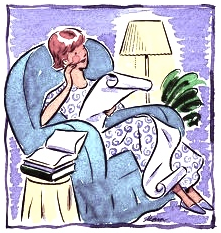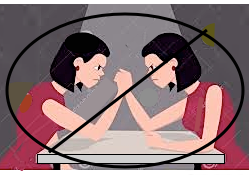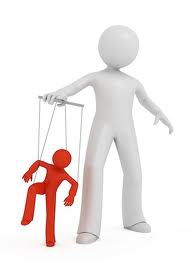
Letting GO of ACTING Controlling (Part 3)

 THE MORE I LET GO,
the more power I have!

PREVIOUS: Letting Go of Controlling -#2

Review: “Let Go of Control…Art of Surrender


MAKING CHANGES
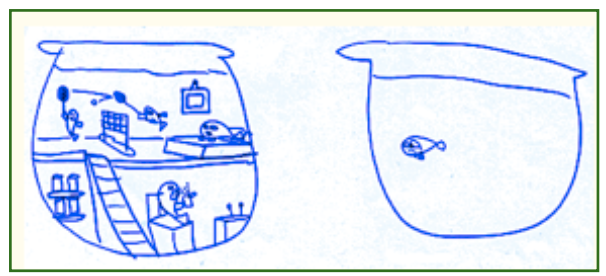
“What we disown – we can’t change”.
Another Inventory: Consider the following points & write out as much as you can. Do a little for each point, then go back every few days & add more.
• If needed, get trusted people to make suggestions from their experiences with you. Try not to be defensive – just write them down & look at them later.
NOTE your patterns that crop up over & over, especially if mentioned by several people

EXTERNALLY
STAY AWAKE for ways you act Controlling:
⭐︎ When it happens    ⭐︎ What sets it off
⭐︎ How it shows up in your actions
⭐︎ Who is affected   ⭐︎ How does it affect them
⭐︎ How do others react to you   ⭐︎ How does that make you feel emotionally & what is the negative self-talk

INTERNALLY
Acknowledge that you are controlling, & identify the causes  behind it
Consider which ones :   • you’ve already been working on
• others you’re willing to tackle, & how you can change your reactions
• which you have to ‘put on the shelf ‘until you’re more healed
(review ‘Controlling & Abandonment posts)
list of needsMake a list of:
• all your unmet needs & slowly work at filling them
• your talents – develop, hone & get recognized for them
• backlogged old pain that causes anxiety, & gradually feel them

• the difference between assertiveness & aggression, controlling vs in control, connection vs symbiosis, humiliation vs.humility, rage vs anger, rescuing vs helping, possible vs impossible ….

Practice asking for legitimate needs & desires from others, without demanding or having unrealistic expectations. Know who can meet specific needs & who cannot – and to what degree!

The 3 As & T.E.A.
AWARENESS: Identify your unhealthy attitudes (Ts) towards situations, unrealistic expectations of others & beliefs about how life should be.
Also, life areas that are affected (work, home…) & which are more intense than others (more with spouse, less with friends ?…)

ACCEPTANCE: Then – write about the experiences growing up that fostered the need to be Controlling, especially emotions underlying the compulsion (Es).
Identify alternative or opposite beliefs (Ts) you can use when life-stressors set off the impulse to C. (Post ; “Heathy Helping”)
✶ Allow as much time as needed to make internal shifts. Acceptance is about staying in the process & not always trying to jump into Action

ACTION: List better ways (As) to act when feeling the pull to be C. & try them out a little at a time. Learn how to communicate with your WIC & do it consistently, to comfort & protect it (Ts & Es)

Keep these new thoughts & action handy, & in a variety of locations to remind yourself (home, car, office, fridge, wallet or purse …)

TEST-CASE: Pick one thing you feel a definite need to control, then DON’T make any effort what-so-ever to exert your will over that situation the next time.  Just do it & observe how the event unfold completely on its own, without any help from you. Notice you thoughts & emotionspeaceful

• You may feel shaky at first, as it may bring up anxiety from past trauma. HOLD onto to your WIC, & let it know it’s not in danger

• Use Bookending with the WIC, to prove that most things turn out much better that we anticipate – by writing how things turn out when you don’t C.

From “Losing Control, Finding Serenity” book by Daniel A. Miller
Daily Exercise:
• About your external children, listen attentively without offering advice, especially the older ones unless they ask. Recognize that they’re different from you in how they think & process things, and accept that your way may not be right – for them
• In your love relationship, lower your expectations of your mate AND of yourself. Focus on steps you can take to improve your love-bond. Appreciate the good things you have together.

• About creativity, focus on just enjoying the process, rather than thinking too much about the outcome. Don’t worry about making “mistakes.”
Start a piece (paint, crochet, a new song…) with the intention of not completing it, & see how it goes.
>> If you’re only partly successful, do not give yourself a hard time! Keep trying, try something else or get help if needed. You’ll see that letting go of control may bring success, or at least a sense of peace!

NEXT: Types of Self-Control – #1

Letting GO of ACTING Controlling (Part 2)

universeNEED TO HEAL THE FEAR –
to stop controlling

PREVIOUS: Letting Go, #1

POSTs : “Negative Benefits of…
☀︎” Discomfort & Comfort

Use Acronyms Page for abbrev.


Exercise:
 Write as much as you can about these 4 Qs.  Put it away for a week or a month & then go back & read it, adding more as ideas surface. Share about them where it’s safe

1. NEGATIVE BENEFITS (-+) of being Controlling
Q: What do you get from holding on to it?
• N.B. are patterns that keeps us attached to our damage, familiar but stunt our growth. It’s the narcissistic grandiosity of the WIC, as well as ‘entitlement’, which makes people temporarily feel powerfuldream control

• When in C. mode, we function from the underlying position that everything revolves around us – good or bad.
“My way or the highway // It’s late – I’ll let you go // I don’t understand why you don’t ____ (like what I like, think the way I do)….” .

This style lets us feel important & always : be right, get our way, never be vulnerable, be heard & paid attention to, have an effect on the world…. so many things we didn’t get as a kid. But they don’t actually heal us, because it keeps us totally dependent on others

2. NEGATIVE DETRIMENTS (–)
Q: How does it hurts you & others?in a vice
• This may be hard to answer at first, because Cs are not really interested in other people’s experiences, emotions or needs…
But we can remember how it felt when someone controlled us: resentful, stifled, belittled, disrespected….

• Being C. limits our options, keeping us out of the flow of life – preventing us from finding out the wonderful things that can happen if we stopped trying to force the world to conform to our narrow vision.

3. POSITIVE DISCOMFORT (+-)
Q: What are you afraid will happen?
Changing a deeply ingrained pattern like Controlling can bring up a lot of anxiety, especially if we’ve built our whole persona on ‘running things’, like Heroes. (although the other Roles alsocontrol in their own way).
It means giving up how we’ve been experiencing ourself, what we thought was our personality, but is actually the False Self

• We think we’ll be in some kind of danger, as if our actual life would be threatened! But it will only be the emotion of fear – feeling old abandonment pain & having to give up cherished illusions
OR
positive negatives• we’re afraid someone we love will be in danger. This may seem realistic if we’re dealing with an active addict bent on self-destruction.
We can present them with info & options for Recovery, but they have to want it. Sometimes formal interventions work, but not always. And sometimes, no matter what we do, active addicts die.

• When taking care of a very sick person we love, we may be the one responsible for many practical matters, but ultimately, we can’t control the outcome! Self-care becomes even more imperative!

• BUT – most of the time, the world goes on just fine without our two-cents! As we grow we can better tolerate the discomfort of not interfering with the natural order of things, which does gets easier.

4. POSITIVE BENEFITS (++)
Q: Why is it worth giving up?
• We get to find out who WE really are – talents, knowledge, gifts, experience… & finally take center stage in our own life, expressing a multifaceted Self, by being responsible for ourself – the opposite of being Controlled – instead of wasting energy on manipulating others

• Acceptance & gratitude! (not C.) lets us enjoy achievements & accolades, instead of cringing, or negating some success when it’s valued & acknowledged

• Recovery provides self-esteem, a genuine sense of freedom, the ability to connect with healthy people who respect us, & who we can trust to be OK without our constant vigilance!

REALITYimages copy 2
✶ Most people have more resiliency, depth, strength & flexibility than we give them credit for. That includes you. Believe you can handle all kinds of circumstances. Keep saying: “I know what I know – but I can’t know everything!”
SO – catch yourself in the act of being C. & stop as soon as you can. Remind yourself of the benefits of changing & give your inner kids a big hug!

NEXT: Letting Go, #3

Letting GO of ACTING Controlling (Part 1)

I CAN GET MY NEEDS MET –
without arranging everything!

PREVIOUS: Acting Controlling (#3)

SITE: Freedom & Control

See Acronyms Page for abbrev.


STOP Controlling

To change this dysfunctional pattern takes Willingness, Perseverance & Courage!  We have to be ready to look at ourself without intense judgement & S-H, or we’re not going to own the C. behaviors.

Reminder: You are not responsible for trying to make changes or correct problems which are beyond your competency, power, authority or responsibility – OR that ARE the responsibility of someone else!

The OLD Way: Being C. is to function from the assumption that the only way to feel safe in the world is by arranging everything OUR way, all the time.
But, the very act of Controlling is a betrayal of the True Self, shutting us off from healing our wounds & making loving connections with others, because of the fear & rage we carry from the WIC & PP.

Ironically, being a control freak never seems to include changing oneself! The Negative Introject (PP) keeps trying to deceive us, saying that the only way to proceed is to completely control every tiny detail of how & when things should happen, and/or how others should act.
At the same time the PP continues to tortures us so it won’t lose power over us – by making us believe that no matter how hard we work at it, we’ll never be good enough or do things right.

progress not perfectionBOTTOM LINE – BEING C. :
• can be called a character defect, but it’s imperative we don’t use that to berate ourself (vs. Being in Control of oneself)
• is NOT the same as having strong opinions. Rather, it’s a way to ‘force solutions’ by imposing our will on others

• is a form of grandiosity, a defense mechanism to defend against re-experiencing early vulnerability, powerlessness & daily neglect. NOTICE –
our style of controlling is likely a copy of someone in our family
• provides a temporary feeling of being powerful (not at the mercy of anyone!) but like all addictions, has to be constantly repeated, since it doesn’t heal our terror
GROWTH
 As the WIC heals & we strengthen our ‘Unit’, the need for C will diminish in intensity, but may never completely go away. This has to be accepted – with healthy humility & self-respect (opposite of grandiosity)
• Lessening it requires self-esteem, boundaries, making better choices & letting love in – wherever it may come from!
• Letting go of being C. can only be done in stages, & never perfectly!

LETTING GO 
There are many wise things to be said about ‘Letting Go’, but here are 2 main ones for ACoAs. To grow we need to —

1. STOP trying to win our parents’ love. We wouldn’t need to IF they had the capacity in the first place. Stop chasing them (or substitutes) for the nurturing every child needs but was simply not available because of their damage, even if they meant well & said they loved us

2. Relinquish the fantasy / illusion that doing things perfectly will get us that love & approval. All it does is increase our self-hate & fear, since perfection is unattainable AND our family’s mental or emotional health is not – and was never was – in our power to create.
People either can love us or not. We can not earn it!

A NEW Way
Freedom from Controlling comes from giving up the internal fight, to stop trying to manage everything, to stop trying to please the PP, & by staying out of whatever is none of our business!

self-fight✶ This does NOT mean being lazy, withholding or paralyzed.
• Rather – it comes from knowing that even in times of discomfort our inner foundation is built on solid ground – a support system made up of our Loving Inner Parent, the Higher Power & respectful / kind people.

• Being comfortable in our skin includes allowing OTHERS to be themselves, & letting many circumstances be – just as they are. There’s a time to act & a time to be still. The Serenity Prayer tells us:
✳️ Change what you can right now, & Accept what you can’t change at all, what’s not yet possible, or is not yet the right time.

NEXT: Letting Go of C. –  #2

ACoAs Acting Controlling (Part 3)

running things I’M NOT CONTROLLING –
I just like things done right!

PREVIOUS: Acting Controlling (#2)


REASONS for Controlling:
Angry – to express rage at our family – who we can’t get back at directly – for not loving us unconditionally
Needy – as adults, when we’re especially lonely, scared, vulnerable or desperate
Terrified – the anxiety & panic is so intense that our only goal is trying to force everything everyone to become as safe as possible

CONTROL FREAKS
Re. THEM
• Controllers (Cs) are not just opinionated – they always have to be right, not willing to accept or tolerate differences or disagreements between themself & others
• Cs are more likely to be moody (up & down), emotionally unpredictable. Because they’re unhappy with their own life they think C others will improve their experienceimages-1

• Cs use fear to keep others attached, because of their own FoA (very scared people don’t want to venture out on their own).
• Cs tend not to be friends with anyone more attractive, well-liked or intelligent, likely jealous & critical of popular, successful people

• Cs may or may not have close friends. If they do :
— it’s usually with the needy, easily bullied, with poor self-esteem & weak boundaries, who they can keep others under their thumb by focusing on negatives in the other’ Victim part
— OR they attach to someone ‘powerful’ they can feed off of
— OR treat ‘outsiders’ better than their own family, to be considered ‘wonderful‘ by anyone who didn’t grow up with them

• Cs can sense when they’re losing control, which can trigger psycho-somatic ailments (headaches, back or stomach pains, fainting, hives….). They can re-gaining control of a situation or relationship by getting attention, sympathy & concern from others

NOTE: Cs are very manipulative, playing head games to hide this character defect.
MY WAYThey can’t stand it when anyone stands up to them.  It’s imperative to their unhealthy ego to stay one-up. The stronger & clearer you are, the harder Cs will work to tear you down. OR dump you
✶ This is particularly true of severely narcissistic parents who will make every effort to destroy a strong-minded child so that he/she can not expose or defy the controllers.

EXP: They DENY doing any harm, while accusing us of causing someone else’s bad behavior which hurt us (being cheated on, yelled at, fired ….): “What did you do?”
Re. YOU
•  Cs play on your empathy to gain trust early in a friendship, like telling you what a hard life they’ve had – in great detail, AND saying they can only trust telling you, because you’re different, special!

•  Cs attempt to define your reality – telling you what you like & want – or not – according to their tastes
EXP: You can say you need to be alone but they insist on taking up your time… you save something & they throw it away, saying ‘you don’t need that or it’s not important!’…. I know you

• Cs remember all the sensitive info we give them about ourself. They’ll seem sincere & caring at first, then bring it up & use it to subtly belittle you, until you agree with them :
“Are you still crying about that? It was just a cat / a long time ago / not such a big deal…Right?”

•  Cs often assume they understand how you think & feel, and are not shy about telling you, BUT really don’t!
EXP: “Your unfriendliness is bringing everyone down” when actually you’re withdrawn because of feeling deep pain, shyness, confusion….!
OR they get frustrated & abusive when you don’t act the same way they are: “Do that in the morning when you’re fresh”- a morning-person mother said to her night-person teen
judging• Cs can also use excessive generosity to feel important, & make you feel indebted to them, so you’ll feel guilty if you don’t reciprocate or don’t something they want!
Controllers:
• are often late, but always prepared with what seems like a legitimate excuse – so you can’t object
• are unwilling to respect any boundaries
• get frustrated & annoyed with normal questions
• make you wait for them – to respond, for decisions, to fulfill plans or promises….
• regularly expect you to change plans to suit their schedule
• rarely give sincere compliments – so you won’t feel good about yourself or take attention away from them
• will cause trouble between you & your family or friends

NEXT: Letting go of Controlling (#1)

ACoAs Acting Controlling (Part 1)

comtrolling manEVERYONE HAS TO BE THE WAY I WANT – so I won’t feel so vulnerable!

PREVIOUS: Back-Lash for O-C – #3

POST: How ACoAs Abandon Others” #1


BEING HELPFUL
 (vs. Controlling – see Healthy Helping’ posts)

The opposite of being controlling is to be of genuine help – with 2 main REQUIREMENTS:
a. Be clear about what the other person needs and that they actually want your help
b. You have the real ability to provide that need, and that you genuinely want to

CONTROLLING (C) behavior is cause by the disowned, un-felt emotion of FEAR (FoA)!
No matter how optimistic & hard-working, all ACoAs are fear-based, from growing up in constant terror as kids. Because our fear was never acknowledged, comforted or talked about – it accumulated, & now sits like a poisonous fog layered over our experiences & determination.
🩸That’s not ‘being negative’ – it’s important to tell the truth. Then can we change it!

☆ Like most things in life, controlling comes in varying degrees of intensity
• Some Controllers are so tightly wound that it’s ‘their way or the highway’ & they’ll punish or ignore anyone who doesn’t fall in line with “the program” 
• Others are only Controlling when under a great deal of stress, especially if too many things go wrong at the same time

• Some are C. mainly when they’re with a certain category of people (children, a spouse….), so others don’t know what they’re really like in private  
☛  Even with Recovery, many ACoAs & addicts continue their C. patterns until they do FoO & Inner Child healing work.at arms length

ACoA IRONY :  Acting Controlling is one of many ways to keep others at emotional arm’s length. It prevents people from being able to connect with us, while at the same time guaranteeing that we’ll keep feeling abandoned ! It’s used as a defensive wall instead of developing real boundaries, which are flexible.

NOTE: Just because someone has a forceful personality doesn’t make them controlling. They can have strong opinions about everything, even insist they’re right, but not impose them on others.  
TEST : Do they allow you to be yourself? OR do they unduly influence your behavior (make demands, have unrealistic expectations, intimidate)?
Stay awake for the difference, in yourself & in others!

GENERALLY, Being Controlling IS :
Re US: • often copied from a C. parent
• a form of unhealthy pride – an unwillingness to back down & admit when we’re wrong, need help, don’t know everything….
• a sneaky, dishonest way to get taken care of
• driven by the WIC or internalized PP voices
• manipulating the outside world, instead of healing inner woundspride
• fueled by deep anxiety – specifically FoA (fear of abandonment)
• never being satisfied, always critical – our attention on what we don’t have rather than what is possible and what is actually available to us
• trying to ‘force solutions’ – because we assume otherwise we won’t get our needs met
• trying to get noticed, be respected, seen, valued, appreciated… the wrong ways
• used to avoid feeling helpless, powerless, vulnerable, needy

Re. THEM – it means we :
• don’t trust others – TO take care of themselves, be competent, dependable, honest ….  
• are disrespectful of other people’s autonomy, their right to learn from their own mistakes, have their own life path, their superioitytastes & moral values……
• are saying that someone owes you – because of what you’ve done for them, OR because of your title, for what you’ve accomplished, your social position…..

👺 Compulsive pattern : We keep trying to get people to be or do what we want, disregarding who they are, so we won’t have to feel abandoned, while picking the very people or situations that guarantee we will, because they’re just like our family.
“Where there is control there is no love, only fear”

P.M.E.S. WAYS to control / manipulate others
Physically : use intimidating or guilt-making body language (a fist, a pout), threaten harm or actively hurt someone
Mentally (negative communication): name-calling, be critical & discouraging, create unfair obligations …..
Emotionally : use guilt, pull on someone’s heart stings (cry) or be volatile (rage) – to get your way or to punish
OR – use Emotional Blackmail –  threaten abandonment if someone doesn’t do what you want
Spiritually : Anything which diminishes the human spirit. Includes false prophets & cult leaders, doomsday literature…. promoting false visions, such as ‘the end of the world will be on X date’….

NEXT: ACoAs Acting Controlling, Part 2

Backlash of Over-Control (Part 2)

THE MORE I CONTROL MYSELF –
the more I can get over on others!

PREVIOUS: Aggression, Over-Taxing & Regrets

REMINDER: Go to Acronym PAGE for abbrev.


Some CONSEQUENCES (cont.)

3. Over-taxing self-control 
From U of Minnesota: Professor Kathleen Vohs’s study showed that suppression of emotions (NOT lack of sleep) generates aggression.

Half the subjects were required to stayed awake for 24 hours & half were well-rested. Then all were shown disgusting scenes from 2 movies –  Monty Python’s ‘The Meaning of Life’ (1983) and ‘Trainspotting’ (1996).  Some were allowed to express reactions to the gross images & others were told to show no emotion

• Later, everyone played an aggressive game in which they won or lost by chance, & winners were allowed to blast opponent with a loud noise. Those who had -suppressed- their emotions blasted their competitor at a 33% higher noise level than those -allowed- to show emotion

Conclusions:
❈ The ability to engage in self-control is determined by prior use of over-self-control, not by how much sleep one had the night before.
❈ (Your) aggressive behavior is a reaction to someone else’s action that makes you to want to retaliate
❈ Being stressed by doing one uncomfortable task can have spillover effects on another.
Even if we try to compartmentalize different daily tasks, it turns out they’re all connected – emotionally
ALSO:
The study suggests that overtaxing self-control drains us, which leaves less reserve for later tasks, making it harder to achieve all our personal or social aims. “These people have a diminishable supply of physical & mental energy for self-control, so when they work toward achieving one goal, they have less energy available for others.
✦ When you want to succeed, it’s best to set your day up to focus your self-control resources on the specific task you most want to accomplish.”

ACoAs:
Spillover: when we have to sit on frustration & anger caused by one or more sources (work, family, shopping…),  we more likely to take it out on someone else unrelated, or turn to an addiction to stay numb
Energy drain: This is especially obvious by wasting so much effort worrying, projecting failure, obsessing about some abandonment….. that we have little left for actual accomplishments that would make our life better!

4. Over-Control (O-C) & Manipulation
More is not always better when it comes to self-control. It’s hard for ACoAs to believe that vulnerability is not a weakness, but actually is a virtue. Of course, vulnerability without boundaries is foolish. But here it refers to a defense mechanism becoming self-destructive when over-used

a. Rigidity: For most ACoAs, O-C tends to kill the joy in life, robbing ourself of spontaneity & fun. This self-imposed rigid caution can make us unhappy & therefore unpleasant to be around

b. Secret agenda — But for an ‘elite’ group, O-C is used as an ulterior motive.
These are the smooth operators, skillful in the art of deception & manipulation: charlatans, con artists, under-cover agents & many politicians, religious leaders, judges, lawyers, teachers & pillars of society.
They’ll to go to any length to maintain the façade of invulnerability, no matter the cost to themselves, their family or anyone else.

For THIS TYPE
:
manipulator❈ self-control is simply one of the tools they use to maintain a positive public image, to not blow the cover on their actual abusive identity
❈ every action is always measured & proper for the occasion. Every word is carefully selected,  seldom revealing their emotions
✶ O-C makes them feel safe, superior. They’re usually so numb to their deeply hidden inner pain that they’re not bothered by the harm they do to others

ACoAs: Ironically – while many of us who are caught up in O-C believe we are total victims & would never think of ourselves as con-artists – we are if fact being manipulative & dishonest without meaning to.  We hide behind our own special mask (a role, a defense mechanism, a character defect….) to keep anyone from seeing what we are convinced is the ‘real’ us – weak, worthless & despicable! – which is only the WIC’s toxic belief, NOT our True Self.

NEXT: Backlash of O-C ,  #3

Backlash of Over-Control (Part 1)

GOTTA CUT THESE BONDS – or I’ll explode!

PREVIOUS: Price for Over S-C

SEE: ACRONYM page for abbrev.


HEALTHY age-appropriate self-control (self-management) is an integral part of mental health, which comes from the ‘UNIT’ ego state.  But constant self-restraint, from S-H & FoA, can backfire.  Among other things it ties up a lot of our energy resources.  Eventually we break down or blow up.

STUDIES:
1. Self-Restraint & Aggression 
• Past studies in the Journal of Consumer Behavior showed that exerting too much self-control can increase irritability & anger
• New research also found that making a constant effort to stop oneself from ‘undesirable’ actions can backfire :

eventually explodea. Extreme self-discipline contains the seeds of its own undoing – an explosive failure-of-control called “dis-inhibition.”  People trapped in this pattern can suddenly shift from one unhealthy extreme (being ‘perfect’) to the other –  rebelling against too many self-imposed restrictions for too long (becoming a ‘failure’).

b. Such people who consistently suppress emotions & actions in a variety of ways, often end up in emotional distress & with ‘cognitive disruption’ – a loss of mental clarity while obsessing about the very things they’re not ‘allowed’ to do! (foods not allowed on their restrictive diet)

Observations re. ‘restricters — Participants in another study were chosen by 2 criteria – those who did vs. did not hold back emotionally – to see how each group would react to neutral images presented as ‘angry’ or ‘not angry’.  Different categories of self-control were chosen & subjects’ reactions noted.

RESULTS : they more often preferred the ‘angry’ options. EXP :
✼ the active dieters preferred public service ads framed in threats
✼ those who carefully controlled their spending of a gift certificate were more interested in looking at angry faces than fearful ones
✼ those who picked an apple over chocolate were more irritated by ads with controlling phrases like “you ought to” or “need to,” & were more likely to choose movies with a theme of hostility over other genre

ACoAs: It makes sense that the more we deny our legitimate needs, the angrier – & more depressed – we get!  Even so –  this does not mean it’s OK to harm anyone when we’re in a rage or blow people off because we happen to be in a bad mood or feel overwhelmed (not let them know we’re unavailable or changed a plan).

2. Self-Control & Prejudice
A study from Tufts University showed that deliberate, continual over-control can cause emotional unease & guarded behavior, which could be misinterpreted as racial prejudice in some circumstances
TEST:
• Researchers ran 2 group of white volunteers through a series of computer-based mental exercises:
— one group’s set was so stressful that the participants were temporarily depleted of the mental reserves needed for discipline
— the other group was given a less stressful set of exercises

• Once the tests were finished, the subjects met with either a white or African-AM interviewer to discuss racial diversity, a social situation with the potential for racial tension.
Later, subjects rated the interaction with the interviewer for comfort, awkwardness & enjoyment.
FINDINGS:
prejudice• Those who were mentally depleted (lacked discipline & self-control) talked about race with a African-AM interviewer more enjoyably than those with their self-control intact, presumably because they weren’t working as hard to monitor or curb what they said
• Also, a separate group of independent African-AM observers found that the exhausted / powerless & therefore less ‘uptight’ whites were much more direct, real & less prejudiced in conversations

✶ CONCLUSION: Relinquishing power over oneself (temporarily) seems to prevent over-thinking & so ‘liberate’ people to be more authentic, which could benefit both individuals & society

ACoAs: Of course this study does not imply it’s OK to be unruly or a doormat – as a result of lowered inhibitions.
It’s about “Letting Go” of anxiety, looking good, projecting failure, fear of disapproval, trying to be seen, heard, accepted …. but rather ——> just being open-hearted & in the moment. Then we can enjoy ourself, be respectful & put others at ease.

NEXT: Backlash, Part 2

ACoAs: OVER-Controlling Ourselves (Part 6)

frustration I WORK SO HARD TO BE GOOD – why isn’t my life any better?

PREVIOUS: Over-controlling Ourselves #5

SITE: The Truth about Power


CONSEQUENCES of OVER-CONTROL (cont)
1. Unsupported
2. Illusions

3. Always the Outsider – it’s ironic that even when attending 12-step meeting of ‘like-minded’ people, we still feel like we don’t belong!  When we’re emotionally over-controlled (O-C) :
• it keeps a wall up between us & others, even against those who already have a genuine capacity to ‘see’ & accept us

• we gravitate toward ‘people, places & things’ (PPT) which simply don’t suit our needs, goals, or personality. We stay even when we’re angry & unhappy there – insuring that we don’t fit in or feel a part of things

• we don’t stay long enough or go deep enough with others so they can get to know us & show us the good things they’re able to provide
• we do & say inappropriate or obnoxious things that are likely to put people off & make them withdraw, especially if things are going too well with them, for too long (even a week or month!)

4. Envy & Jealousy – emotions considered ‘negative’ that have to be O-C :
Envy is about 2 people : “I envy you for having such great hair, an advanced degree….”, ie. wanting something we don’t have
Jealousy involves 3 or more : “I’m jealous that he has so many friends”, ie. wanting a relationship someone else has
OR “She pays more attention to her friends than to me”, ie. trying to hang on to someone or something we don’t want to lose.

BOTH emotions come from believing we are powerless to get what we want & need in life, not necessarily the thing others have, exactly – just that they have the right to get their need met, & we don’t

• We may deny being O-C, yet often covet what others are or have. What gives it away is the rage we feel at certain kinds of people or situations! We say ‘those people’ are ‘entitled’, with a sneer in our voice because:
— we think they’re unfairly lucky – having a family, a decent relationship, a good job, lots of friends… & hate them for what we don’t have permission to get for ourself

— OR we call them brats, selfish, arrogant …. because they don’t hold back the way we do. Perhaps they are, and/or we just wish we had some of that confidence to do & say what we’ve always wanted to, but aren’t allowed!

ACoA deprivation is always about the BIG A – abandonment. Family taught us we couldn’t have our needs, so we won’t let ourselves either. The WIC says it’s so-o unfair, but we keep on ‘following the rules” & depriving ourself!
5. Isolation – Without Boundaries our WIC uses isolation to protect itself. Being O-C can cut us off :
— from various emotions (anger, sorrow, sexuality, competitiveness… )
— from many of our good qualities or potential talents (artistic abilities, generosity, patience….)
AND
— prevents others from benefiting from these valuable parts of ourself, because WE :
• don’t want anyone to find out how weak, damaged, vulnerable, dumb, needy … we really are (everything S-H tells us)
• are afraid of getting stepped on, manipulated, used, boundary invaded, left…. if we were open & available
• are afraid of getting sucked into taking care of others
• are afraid of not being able to get away from someone we don’t like because of our co-dependence or passivity, so we’d rather not engage at all
AND
• are sure we’re doing the world a service by withdrawing, to protect them from our rage! We may not admit to that feeling, but isolation is a sure sign we’re worried about it at some deep level & are trying to keep the lid on.

BOOK:  “BARGAINS with FATE”, taken from Shakespeare’s plays. Dr. Bernard I. Paris describes the Detached / Resigned character, whose only goal is safety via total ‘freedom’.
BARGIN: “If I ask nothing of others, try for nothing, expect nothing …. then no one will bother me & I won’t fail or get disappointed” – their Reward. What’s suppressed is their aggressive side.   (SEE all 5 on the ACoA website)

NEXT:  Over-controlling ourself – #7

ACoAs: OVER-Controlling Ourselves (Part 4)

sileced

I LET THE PP BEAT ME UP – to keep me in line

PREVIOUS: Emotional Over-Control #2

SITEs:  Self-Control (Wikipedia)
▪︎ Over-Controlled Primary Aggressor

See ACRONYM page for abbrev.

AS ADULTS (cont)
• ACoAs
were not raised on the handbook “How to be a Healthy, Happy Human Being”, which left our Inner Child-part impulsive, anxiety-ridden, only able see itself & the world thru distorted alcoholic / narcissistic lenses. So, one way to deal with our trauma is to do what they seemed to want – for us to be dead! Some ACoAs try literal suicide, but most do it by PMES forms of self-destruction & emotional starvation.

Being Over-Controlled is NOT related to being Introvert or Extrovert, which are inborn, but rather about ignoring qualities we all share to varying degrees (intuition, intelligence, being perceptive, artistic…) – which were unacceptable in our family.
At the time, it would have made our lives even more miserable if we hadn’t suppressed those characteristics – although some of us couldn’t hide them well enough to escape being attacked or ignored.

Unhealthy BELIEFS of Over-Controllers 
• Everyone is out to rape me mentally & emotionally
• Don’t trust anyone with your feelings, thoughts or dream
• Never let others know how their behavior or actions effect you
• Never show your anger so you won’t get abandoned
• There’s only one way to survive a crazy world – climb into your shell, & stay there!
SO
• I have to keep control of my feelings so I don’t go crazy
• If I lose control, there will be no sanity in my home (or on the job)
• Losing my cool is unsafe, so I avoid conflict at all costs
• No matter what happens to me, I’ll never cry or need anything again
• No one’s ever going to get under my skin or hurt me again
► Do you hear the voice of the Toxic ROLES?)

HOW we Over-Control ourself
a. DEFENSES – Rigidly held defense mechanisms are used to hide from emotions we’re afraid to experience, but the ‘protection’ ends up running our lives:
Addictions – used as a way to numb the cruel PP voice & to ignore our WIC the same way our parents did, but which actually adds to our suffering

Counter-Phobia – being attracted to things that are scary while not fully aware of the accumulated terror underneath. Dangerous relationships & activities are seen as fun, which keeps the adrenalin pumping. We’ve stuffed the anxiety into the unconscious, but it needs an outlet, so we rush towards unhealthy ‘excitement’. If we stopped running we’d have to feel all that fear

Fear of Engulfment, feeling suffocated & over-controlled by someone else’s need & demands. Not allowed originally to develop our own inner boundaries, we end up erecting a very thick wall against emotional closeness so that we won’t get swallowed up again. It keeps everyone at a distance, while longing for connection. The wall gets activated whenever anyone wants genuine intimacy with us, even if it’s what we say we want

Guilt (post What is guilt?’) – an emotion that controls us TO:
— ensure we never disobey our family’s Toxic Rules
— keep us from learning healthy rules that could improve our life
— prevent us from developing our True Self via S & I, which would unhook us from the family dysfunction

Over-activity, such as workaholism, controls how much & what kinds of emotions we allow ourself to experience = staying so busy that we don’t have to feel anything ’real’, & using it to cover up S-H & a sense of powerlessness

Paralysis, mostly our voice – stopping ourself from saying & doing things that would be good for us, because of fear of punishment, fear of abandonment and fear of visibility…..  which prevent speaking up to stop others from hurting us, enhance our self-esteem & move us toward our dreams

Vagueness / dissociating – staying in ‘la la land’ to not face any reality we’re too terrified to deal with, starting with how badly we’ve been treated by family / school / religion / mates / work…. AND that we’re responsible now for having to care for ourself.
So – we don’t notice how much we spend / eat / drink… how others treat us, how we feel, what we need, how we treat others….

NEXT: O-C Ourselves – Part 4

ACoAs : OVER-Controlling Ourselves (Part 2)

addiction  IF I DON’T KEEP A TIGHT LID ON
I’ll do all kinds of bad things!

PREVIOUS: Over-controlling ourselves (Part 2)


DEF: Over-controlling (O-C) ourselves is not so much about our actions – although it also affects them as a consequence – but mainly means :
✒︎ rejecting our emotions, needs & observations to such an extent that we go thru life in a state of constant ‘under-nourishment’ (deprivation) & bewilderment. Those discarded parts, which we’re terrified to face & own, then become our shadow side

• Instead, we are run by a False Self (FS), that protective identity formed so early we actually think it’s the real us. It’s made up of various aspects of the WIC (scared, angry, apathetic, suicidal…) & the PP disguised as a ‘guardian’ in the form of a know-it-all cattle-prod. The FS is comfort-seeking & therefore short-sighted, making unwise, unhealthy decisions – a kindergartener trying to do college level work

Peter K. Gerlach, MSW, writes that unhealthy will-power occurs when a person is controlled by a fierce Guardian hardened into sub-selves such as Addict, Fanatic,  Martyr, Perfectionist, Preacher, Survivor, Zealot….
Its determination to protect the WIC at all costs can cause rigid self-discipline which is toxic to the host person & also other people.
EXP: the talented Magician sub-self (as Delusional Mystic) can distort reality to justify or excuse self-destructive attitudes & behaviorsabused

☛ Of course some ACoAs will react to the controlling inner voice by
— doing very little with our life, from confusion & terror
— OR nothing positive – from misdirected rage.
Over all, these limiting sub-personae produce distorted beliefs (CDs) & intense Es such as shame, guilt, fears, trust imbalances = which make it hard to bond to others

EXP: A perceptive & bright daughter was a threat to her incestuous father because she would not have been easy to silence if he had molested her. So instead he turned her into the family scapegoat, verbally & physically beating her. This succeeded in convinced her that she was stupid & unable to trust her observations & intuition. Even though she resented him, she still gave him the benefit of the doubt & spent much of her life hopelessly trying to win his approval! SIGH, UGH!

AS ADULTS
ACoA Damage – Any form of prolonged & intense control is painful & debilitating, especially for children, who are powerless to escape it. Being over-coerced &/or under-attended (in Part 1) are both abusive parenting styles.

Deliberately or not, our family gave us the message:
“Search & Destroy any signs of personal identity. Be ‘good‘ (don’t think, don’t feel) or you’re not part of this family. If you try we’ll destroy you! ”
And we know that every kid reacts to the Family party line – whether by giving in or by rebelling.

• In reaction to the restrictions & neglect, this harmful message forced us to gradually over-control ourself, a basic component of S-H, & a familiar way ACoAs relate to self & others.
These early experiences became our Toxic rules which now act like a virus in our psychological operating system – invisible as it corrupts – and needs to be de-bugged!

Before FoO Recovery (family of origin)
✏︎ much of the time we act as badly as our family did, OR
✏︎ put ourselves in positions to get punished for trying to be ourself.
We’ve been so brainwashed that we’re desperately afraid to let go of familiar patterns, which the WIC believes would cause us to fall into a black hole we’d never get out of
EXP:
‣ Faced with a scary new experience, the WIC comes up with the usual reasons why it won’t work out
‣ If we even consider going after something we really want, the PP says: “Who do you think you are, anyway?”!

NOTE: Some ACoAs raised without more obvious physical abuse & chaos – but just as mentally, emotionally & Spiritually (PMES) unhealthy –
will act out all the hidden family damage by being the one sibling in trouble, socially or legally, using addictions, promiscuity & dangerous ‘excitement’.
▶︎ These ACoAs are the living “Portrait of Dorian Gray”, which shock & appall the perfect-looking family!
— EXCEPT that WE don’t have to die, we can Heal & Grow!

NEXT: O-C Ourselves – Part 3