ABANDONMENT Pain, Now (Part 3)

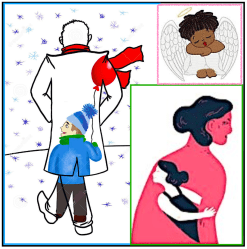
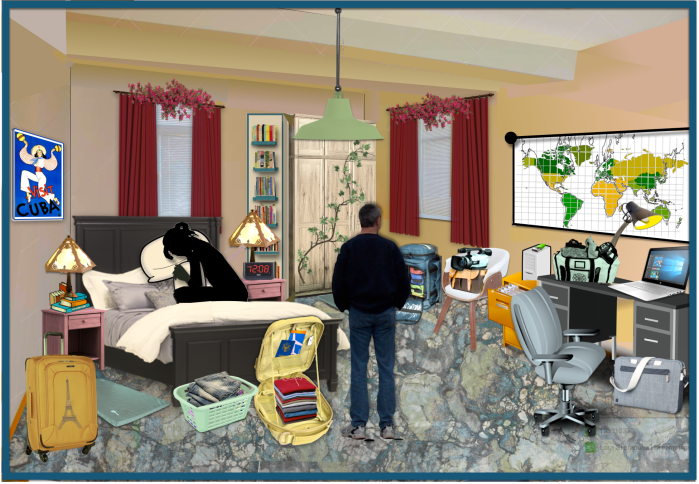
⬆️ “LEAVING for BUSINESS” – Designed & created by DMT

PREVIOUS: Abandonment pain, NOW (#2)

STYLES of reacting to old abandonment (Ab)

1. UNDER – aware (Part 2)
2. OVER-aware
On the other hand, ACoAs can be hyper-attuned to the slightest slight, even when it’s completely unintentional or accidental. Everything that hurts them is taken as a personal affront, meant to humiliate & punish. This is the Victim position of the WIC (co-dep triangle), who believes everything is about itself – the narcissism of not even imagining that others are concerned mainly with themselves, not us!

Fear of Abandonment (FoA) rules our life:
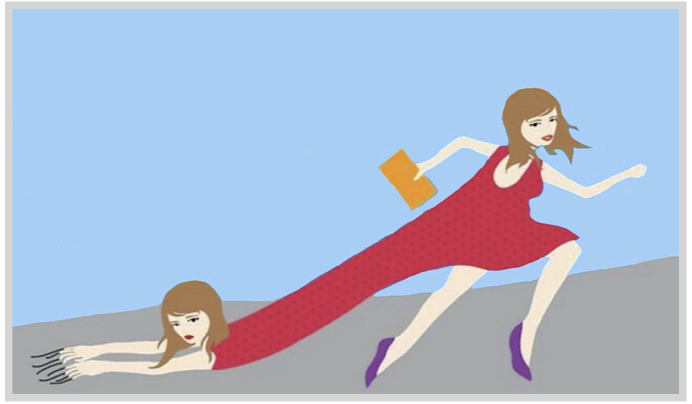
• For all ACoAs, our default position is that we will always be abandoned, sooner or later – it’s just a matter of time
• We look for (Ab) everywhere, real or imagined. There’s an element over-awareof paranoia, which is always based on genuine childhood danger & trauma  (Post: ACoAs – Projecting)
As a result:
• we may deliberately make ourselves un-available OR un-likable, so we won’t become attached, & then have to re-experience being disappointed
• OR we desperately cling to people (even if it doesn’t show) & we watch them like a hawk for any hint of disapproval, anger, lack of attention… which might signal imminent abandonment

EXP: As Cicilia was walking downtown she noticed her friend Joe across the street, who didn’t even acknowledge her, much less smile or stop to talk. The ‘sensitive soul’ became enraged, & feeling invisible, obsessed about the slight for a few days & eventually fired off a nasty note, breaking up the friendship! (Sensitive souls can be very harsh when hurt!)

It turned out that Joe was so preoccupied in his own head he never saw Cici, but she didn’t bother checking it out first – just assumed that it was deliberate & disrespectful. Looking at her scathing email, Joe knew this was not the first time she had over-reacted. He decided it wasn’t worth arguing about it or justifying himself, again. If she couldn’t communicate more reasonably – then so be it.
Healthy: an appropriate reaction from her would have been: “I saw you on the street today & you didn’t say hi. What’s up?”

ACoA IRONY: We’re desperately afraid of being abandoned &Screen Shot 2016-06-14 at 10.26.56 PM yet tend to only focus on things in our environment that are potentially abandoning, while ignoring all the positive strokes being provided by:
— people giving us complements, anywhere
— kudos & rewards at work
— friends, mates, children… who do love us

Re. OVER-SENSITIVITY
• Whenever we feel devastated, self-hating, hysterical, paralyzed … but can’t figure out what’s bothering us – we need to remember that: “ALL roads lead to (Rome) old abandonment pain”. No matter how real-life, practical or serious the current event (rational), we can definitely say the situation is pushing a very big AB button.
This triggers Self-Hate.
Realizing that, we can then look for what has recently happened to open our old wounds. This can lead us to the source of the pain, with the opportunity to do some loving repair work with the WIC.

• It’s always helpful to remind ourselves that ‘If it’s hysterical, it’s historical’, because the intensity of our feelings is usually not in proportion** ⬇️ to the present situation which was somehow similar
to repeated childhood abuse or neglect. We can react with tears or rage. Either way it’s a window into what happened to us as kids – so it’s very useful info.

• The pain we feel at the moment can be from a real event (a job loss, a breakup, being in a fire) – any one of which of is stressful. BUT ACoAs react much more intensely than less-wounded others – who may be hurt, upset, have some sleepless nights… while the ACoA will be depressed for a long time, beat themselves up cruelly, become suicidal….

** ACoAs have a hard time accepting that extreme emotions are ‘out-of-proportion’, because in that moment they FEEL so real, we can’t see the bigger picture. We don’t want to hear we’re over-reacting!
IMP: That makes us so angry because we think we’re being told that our feelings aren’t real or legitimate. NOT SO. It is NOT a negation of our emotions – only being realistic about the origin of the intensity.

NEXT: How ACoAs Abandon Others – #1

ABANDONMENT Pain, Now (Part 2)

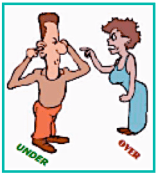
under-awareDON’T BOTHER ME –
I’m busy ignoring reality!

PREVIOUS: Abandonment Pain Now  (Part 1)

SITE: Understanding the Pain of Abandonment

See ACRONYM page for abbrev.


DEFINITION
(cont.)

Screen Shot 2016-06-12 at 5.26.43 AM

REVERSING – ACoAs also tend to get our extremes backwards:
▪︎ being emotionally under-sensitive to ourselves &/or others in situations which a healthy person would definitely be upset about or at least register as ‘off’
EXP: ACoAs running into traffic as the light turns red, taking home a stranger we just met who talks a good game, not catching an insult….

▪︎ being emotionally over-sensitive – internally as S-H & externally as fear & rage at others – to all sorts of situations that others don’t even notice or are not bothered by, because they’re not ‘real’ or not about us
EXP: a passing glance from someone we interpret as dislike, not being included in some event, someone forgetting to bring us a promised book….

Screen Shot 2016-06-12 at 5.27.17 AMJUMBLING – we don’t seem to be able to make a distinction between important & unimportant issues in life, so that…..


….. being ignored, someone not being available, not getting the information we need, death of a loved one, other people’s damage, a missed phone call, not being able to find something in our home, being late, being dumped, losing a job…..
ALL seem to have equal importance or value – we’er either being numb to it or overly upset! (See Part 1) 

Adult SYMPTOMS of having been Ab. as a child
• Emotional:
anxiety, being frozen (deer in headlights), depression, hopelessness, loneliness, paranoia, rage, resentment, sadness, terror…

• Psychological: avoiding responsibility, blaming, co-dependence, CDs (cognitive distortions), denial, fear of intimacy, idealizing or under-valuing others, lying, manipulating, procrastination, poor communication, withholding…..

• Behaviors: clinging, choosing alcoholics /addicts, fighting, isolation, lateness, raging, self-sabotage, self-harm, suicide attempts, under-earning withdrawal…..

STYLES of reacting to old abandonment
1. UNDER-aware – Mentally
At one extreme ACoA experience being mostly insensitive TO:
a. how we feel about all sorts of things, whether trivial or intense, what our very real needs & wants are, what we’re good at… We continually abandon ourselves, just like they did

b. the many ways some people are unkind, unfair & insensitive toward us. We ignore being ‘dissed’ as a result of :
• being so used to abandonment (Ab) in childhood that we don’t even feel it
• not knowing about the concept of (Ab), so can’t verbalize it, even if we do notice a twinge in our gut

OR WE:
• may notice it (as a thought), BUT blame ourselves, assume we deserve it, don’t have a right to ask for more… (our Self-hate)
• may notice it but pretend it’s not happening (denial), because it would be too painful AND we’d have to stand up to them or leave

• make excuses for the other person’s bad behavior, the way we had to excuse our family enabling). No one at home took responsibility for their abuse & neglect, so now we don’t hold anyone else accountable either
• don’t want to say anything because we don’t know the difference between confrontation & assertion, & we don’t want to hurt their feelings or start a fight

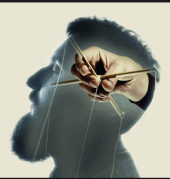
Many ACoAs have a disconnect between their head & their gut, between thinking & Screen Shot 2016-06-14 at 10.17.08 PMfeeling.  Whether an under- or over- sensitive type, we all DO register the hurt of being discounted, disrespected, neglected or attacked.
However, emotionally disconnected ACoAs are:
• either – totally unconscious that someone has ‘stepped on our toes’, OR
• it’s as if we’re wearing a defensive invisible collar – LIKE the big plastic medical kind, used on animals so they can’t scratch their ears. We can see over the top, but NOTHING below the collar.

EXP: Someone can stick a verbal knife in your gut, BUT a with a smile or as a ‘joke’. You can only see the ‘nice’ face, but not the dangerous hand (the mean words). You notice the pain BUT because you can’t see anything below the plastic collar, you think there’s something wrong with you. After all, everyone else is ok & you’re the crazy ones, right?
NO!!

NEXT: Abandonment pain now (Part 3)

ABANDONMENT Pain, Now (Part 1)

abandonment -1
I HATE YOU – DON’T LEAVE ME!
I know you don’t love me,
but I’m desperate


REVIEW
: ‘Self-Hate’ posts


DEFINITION
• Abandonment (Ab) is: “Not getting enough of our legitimate childhood NEEDS met, & some needs not at all”. This is child-abuse & applies to all 4 categories of PMES – Physical, Mental, Emotional, Spiritual. (Ab) is not only about someone physically leaving, just like being “abused” is not necessarily about being hit or injured.

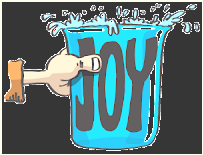
• As a child – being continually abandoned in PMES ways generates enormous amounts of terror, rage, hopelessness, loneliness, humiliation, sorrow…  MAINLY terror. And we carry that mountain of fear with us into adulthood. If not brought to the surface & safely re-experienced (OH JOY), it poisons our life – in ALL areas, no matter how functional a person may look on the outside.

• The original (Ab) did not have to be overt or deliberate. AND our parents may have been oblivious to the damage they were doing, BUT the results are the same  (see: They did the best they could”)
• Children always turn the original (Ab) into Self-Hate, in a desperate attempt to be in control of a bad situation (“I caused it so I can change it”)

➼ At the heart of Self-Hate is a FALSE** BELIEF: “It is MY fault that I’m in pain AND if it’s my fault, then I can & MUST fix it by changing the person or situation, to make everything better”
**Q: Why is it FALSE?
A: Because the severe pain we experienced as kids came FROM the unhealthy & abusive adults, & is their responsibility.  Our pain is NOT just our ‘perception”! It really happened

Screen Shot 2016-06-12 at 5.28.37 AM• Without an outlet for the intense, daily, unrelenting fear we lived thru during childhood, the accumulated pain gets buried & crusted over with defense mechanisms
• Technically, you can not abandon another adult – only a child (there are some exceptions). So now when we FEEL abandoned, it’s left-over pain from the past.
(PS. There are of course situations which will hurt any healthy adult, but not to the degree that ACoAs experience)

NO MIDDLE GROUND
Mental Health is about many things, one of which is BALANCE. Living in a healthy middle ground (most of the time) is not only a foreign concept to ACoAs, but IF experienced, even briefly, is considered BORING & undesirable!
Each of us blends our own personality with our childhood experiences, creating the ‘sensitivities’ (buttons / triggers) which identify our damage.

EXTREMES – Unhealed ACoAs (& some in Recovery) have only 2 speeds about most things: Too Much or Too Little, very high or very low. ‘Gray’ is NOT even thought of, or is seen as a cop-out!  

Using T.E.A, this refers both to:
how we think (T), in the form of the Cognitive Distortion: ‘Black & White Thinking’.  (“I’m all bad & they’re all good /  I’ll only try if I can do it perfectly / No-one loves me / All men are dangerous”….)
• We were not taught to think correctly nor broadly, with nuances & from many different perspectives. So even very intelligent, educated ACoAs can not always come up with alternative ways of considering a problem, about ourselves or in relationships
AND
how we feel emotionally (E). We torture ourselves with panic, depression, rage, shame, hopelessness, guilt, & self-hate,
OR swing to unrealistic, sometimes delusional hope & excitement – both based on incorrect thinking.

• We were not given permission to actually have emotions – not taught to identify them, how to express them correctly, how to self-sooth, or to put them in perspective re. a given situation.
EXP : As a child: Getting very upset when I’m injured or someone terrifies me – is appropriate.
NOW: Getting hysterical because I can’t get or do something I want – is not!
ALSO, we were not taught to consider other people’s feelings – since no one considered ours!

• All ACoAs are capable of responding to life from either extreme – sometimes over-responding, based on specific ways we were repeatedly wounded, sometimes underresponding, to current people or situations. This is based on the kind of abuses we were trained to ignore, but each of us unconsciously lives more often at one end than the other.
NOTE: this is not a description of Manic-Depression, which is chemical rather than emotional.

NEXT: Abandonment pain now – #2

Our Wounded INNER CHILD (Part 3)

PREVIOUS:
Wounded IC #2

SITE: 6 Steps to Help Heal Your Inner Child


See ACRONYM page for abbrev.


Some T.E.A. ways our WIC runs the show
1. THOUGHTS (Ts)
S-H & believing what the PP voice is saying about us : thinking no one likes us, we’ll never get anywhere, we can’t get better…
• always apologizing
• awful-izing (always assuming the worst)
• devaluing anything we are, think or do
• not developing our knowledge base
• not thinking clearly (using C.D.s)
• not truthful, respectful, clear, direct – in our communications
• taking everything personally
• telling strangers too much personal info

2. EMOTIONS (Es)
• S-H : 
feel bad about ourselves
• always feeling left out, unacceptable
• being emotionally numb
• being impatient with process
• being paranoid in everyday situations
• being too easily hurt
• having any sort of tantrum, break-down
• idealizing anyone
• long-term depression, feeling suicidal, panic attacks, constant anxiety
• magical thinking, grandiosity
• not emotionally honest or open with loved ones
• raging at small or non-existent slights

3. ACTIONS (As)
S-H prevents us from taking good care of ourselves
• doing anything dangerous (fun) with little or no training or preparation
• having unprotected sex, jumping into bed too soon
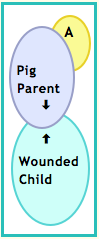
PP & WCI• dating or marrying emotionally volatile &/or unavailable, actively addicted, physically dangerous people….
• making things harder than they have to be
• not doing a good job at work
• not getting help when we need it
• regularly being late
• staying too long in any inappropriate situation
• trying to ‘fix’ others

To HEAL & GROW, the WIC has to turn over it’s executive Powers to the “UNIT” (H.A. & L.P.) in order to finally get taken care of – correctly.
But the only way the WIC will let go of its role as “Little Adult” is for us to prove the Adult Self is trustworthy, dependable & loving – by showing that we’re willing to take care of ourselves by being capable & consistent.

❧ With enough healing we can be relatively free of our addiction to the harmful patterns of our upbringing, even tho it’s never going to be complete. Then we’ll have nothing to rebel against or slavishly copy. We can CHOOSE who we want to be & what we want to do!

AND – because genetics plays a part in our True Identity – along with our training – what we choose to be or do may in some ways be similar to our background BUT based on self-esteem, natural talents & fulfilling our human rights!
The KEY is to not obey the old bad rules even when we can still hear them.

HOW do we find out WHAT our damage is?
• Al-Anon & ACoA 12-Step meetings – daily on the phone & internet, in person where possible
• ACoA therapist (by phone Skype or Zoom, if distant)
book-end with the IC before & after any activity you find uncomfortable. Also re. good things you did, & sit with discomfort

• do online visualizations, inner dialogues
do family & your own time-line inventories
read any of the John Bradshaw & other recovery books (HEAL & GROW website Book List)
• learn the 2-handed IC dialogue writing. Start with Lucia Cappachione’s workbook“Recovery of your Inner Child
• list every Toxic Rule that applies to you & do as much inventory writing as you can – how was it expressed in your family? How do you act it out in your current life?

• whenever possible, talk to family & friends about what happened, but don’t push anyone who’s not ready or willing
• write down all self-hating thoughts, every day, until you can FEEL how wrong they are!

✶ STAY AWAKE for the emotional repercussions of your old behavior & choice of companions. If you’re always anxious before meeting them or when you’re together, & if it always leaves you feeling bad afterward – it’s time for a change!

NEXT: Abandonment pain, now #1

Our Wounded INNER CHILD (Part 2)

OW>OW<OW EVERYONE’S HURTING ME!
Ow, Ow, Ow!

PREVIOUS: OUR WIC (Part 1) Raising ourselves

POSTS: The Introject /  Negative Benefit

SITE:”When Your Inner Child is Running the Show


WHO IS this INNER CHILD ?
Our Adapted Child
(which everyone has) became our WIC by absorbing the Toxic Rules of our family, and is now determined to keep acting out the patterns we learned in our family & society (Repetition Compulsion), no matter how sick or self-destructive, by either being:

Compliers – who are the good obedient adult-children, (over-responsible / people-pleasing) who are desperately trying to earn the family’s love they never got, who suffer a variety of stress-related illnesses from suppressing their own needs & emotions  (POSTS :” Secretly Angry ‘Nice People
OR
Rebellers – who feel compelled to copy their terrible training, but hate it & desperately try to resist. They are oppositional (always say NO, even when they want to say YES) in a futile attempt at disobeying the Toxic Rules & having some personal boundaries. But they do it in such self-defeating & self-destructive ways that end up causing even more harm!

Wounded Inner Child’s (WIC) in charge
We never learned from our family INTERNALLY to be a Healthy Adult or Loving Parent (The UNIT) to ourselves – our role models being mainly other people’s PP and WIC!
So when CoAs become adults, our Wounded Inner Child, in symbiotic slavery to the Bad inner Parents, is still the main persona running our life, in the form of the False Self.

The WIC in charge has kept us alive so far – but not well :
• it doesn’t really know what it’s doing, so it’s always faking it
• has learned to trust no one, even people who are OK
• is in endless terror, (consciously or not), from birth – on
• is stubbornly loyal to the family, even if it kills us
• is smothering the Natural Child with S-H & shame

✶ AND – is secretly very proud of it’s ability to survive the odds, which gives it a strong determination to keep the reins of power! Since it has no better inner guide to rely on, it is not going to let go just because we ask it to!
These are some reasons why Recovery is so long & difficult.

This cannot be stressed enough:
Without family-of-origin Recovery (FoO work), the WIC ego state still dominates our life** in all T.E.A. ways, with the deadly combination of S-H & fierce loyalty to the Negative Introject (PP), via Cognitive Distortions (CDs).
This is true even though, for many of us, our various defense mechanisms which are layered on top of the original damage – make it seem as if we’re managing ok.
But no matter how externally talented, successful, competent, & accomplished we may be – if our thinking & emotional reactions are mainly coming from an old place – we are still not Screen Shot 2016-06-11 at 9.45.08 PMpsychologically free.

** So it’s inevitable that much of the time we’re emotionally immature in how we respond to people, places & things (PPT)!
Keep in mind: As long as we don’t have a fully functioning Loving Parent, plus a stronger Healthy Adult, the real voice in charge of us is the PP.

The easy way to tell which is which is by listening to how we talk to ourself —
a. the PP belittles us in the “YOU” form : You should have known better. Why didn’t you_____
b. the WIC in S-H always talks in the “I” form: “I’m such an idiot. I should _______ ”
The WIC consistently carries out the attitude & commands of the Screen Shot 2016-06-11 at 9.43.08 PMPP. So whether we’re in Rebel / defiant mode or playing Victim, we’re hooked into the family dynamic.

Without a Healthy Adult in charge:
• we don’t handle our life properly
• we let other people’s WIC or PP mistreat us
• the healthy Natural Child doesn’t get to develop & shine
• we can’t be the best we were born to be

Without a Loving Parent always available, the WIC:
• is at the mercy of our PP, with the damage it causes us
• is’s run by its S-H & distorted thinking
• feels constantly scared & vulnerable
• is terribly lonely & desperate to be rescued

NEXT: Abandonment Pain, Now #1

Our Wounded INNER CHILD (Part 1)

all alone I’M ALL ALONE
I’m desperate, but no one is safe!

POSTS: “Are you an ACoA?
•“Variation on Laundry List


See ACRONYM page for abbrev.

FIRST: The Inner Child (IC) is the repository of all our childhood experiences, from birth until we left that environment – our memories, emotions & immature thinking. It includes our True Self, which did show up in some ways, but was mostly suppressed or distorted. Our IC now holds all our own wounds PLUS the wounds of our parents.

The ACoA DIS-EASE
Our childhood damage is housed in the Adapted Child ⬇️, who is intensely loyal to family & culture. In order to know how to heal ourselves, we must first get to know our wounded part as thoroughly as possible**.
➼ Remember, we are DAMAGED, NOT Defective. Damage can be healed – ‘defect’ can not.

** Learning about & connecting with our Inner Child is not a waste of time & effort, or wallowing in the past, as some people believe. It IS a means of breaking thru our denial about how traumatic our childhood was. If there is any doubt, we simply have to look at the areas in our present life that don’t work – to tell us how our family (& other sources) damaged us.

• To heal we need to know specifically what our negative thoughts are telling us, because it is the basis of all self-defeating behavior patterns. These toxic beliefs are our version of our family & community, called the Negative Introject.
So no matter how much we may ‘know’ about our past, we need to do deep emotion release work as well as correct our beliefs.

Otherwise the old pain we’ve stored up from the past will keep driving us toward harmful ‘people, places & things’, & make us strongly react to events whenever our buttons get pushed (wounds get activated).

HOW DID WE GET LIKE THIS?
While growing up, kids are never supposed to be fully in charge of themselves or other family members. This only happens in dysfunctional families, sometimes out of necessity, but mostly because the parent(s) are not mature themselves.

• ACoAs were both criminally neglected AND forced to be hyper-functional – with is also abuse: not be allowed to just be a kid. It left us terrified & confused. There was too much we were never taught, left to figure out on our own, the best we could.  We managed to survive, but now we always feel incompetent & fraudulent – no matter how well we do!

We had to ‘raise ourselves’ because:
• being the eldest (the Hero) meant being the parent substitute –  for younger kids & sometimes for a drunk / non-functioning parent
• one parent was absent & we had to take over some or many of their ‘adult’ responsibilities
• one parent or sibling had a serious mental &/or physical disability, so our needs were neglected, & used as servants / slaves… (‘do’ for them)
• mother had 1 or more boyfriends /mates, a family member or best friend(s) who were always more important than the kids (symbiotically attached)

• parents were only interested in each other (addicted / worried) so we were mostly ignored
• parents were too overwhelmed by their own difficulties to notice us
• their focus was on drinking, fighting, chaos, rage ….
• there was only one parent & she (usually) was working, depressed….
• there was constant physical upheaval – moving, loss of jobs, trouble with the law, school, neighbors….
• we were expected to grow up very fast – ‘little adults’- so they didn’t have to deal with us.

NEXT: Our Wounded INNER CHILD (Part 2)

Healthy HELPING (Part 2)

HELPING WORKS –when we both benefit

PREVIOUS: Healthy Helping (HH) (#1)

REMINDER: See Acronym Page for abbrev.

Just because we were trained to be rescuers by our family does not mean we can’t be of service.

HEALTHY HELPING (cont.)
3. WHEN – I can help IF :
• it’s not to boost my self-esteem or sense of identity
• it’s short term, because they’re growing, learning, changing
• I can do it without being resentful or hurt myself in some way
• I don’t have to keep my antennae up all the time – to check for what’s wrong, walk on egg shells, worry about being accused wrongly….
• I only have to do ‘so much’ & then back off & let them handle things
IF
• I’m NOT trying to do the impossible (force-fix someone’s damage
cup overflows• I don’t take an action when being guilted or shamed by someone
• I don’t secretly n-e-e-d a return for my efforts
However, it is appropriate to get paid, get thanked, have some reciprocity
• my cup is full enough so that I’m not draining myself dry
• they genuinely can’t do something for themself, but it’s temporary

4. HOW I can Help (T.E.A.)
T: Give helpful, INFO about a request
E: Listen, & validate, with compassion & empathy
A: DO something useful AND realistic
EXPs:
ASK Qs re. their problem: What do you need from me? What have you already done?  What are you planning to do?…
• be clear about what I can & cannot do, OR will & will not do

• I don’t jump in, don’t assume I know what’s needed
• give emotional support, instead of solutions (head, actions)
• help someone think a problem thru – THEIR way
• set limits with self & others
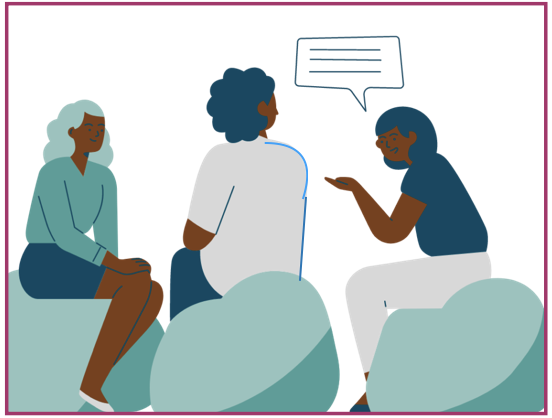
• tell the emotional or intellectual truth.  Some won’t want to NEIGHBORS-TALKINGhear it & will go away, but others will value it & grow
• wait to see if they CAN do something on their own,
OR if there’s someone else who can / will help them better

ALSO, it’s:
• OK to do someone a favor, sometimes  – even if they can do it themself, if it’s on my way, not a burden, something I like to do
• OK to help someone get thru emotionally hard times – death of a loved one, work trauma, health problems….
….AS LONG AS the HELP-EE (you are the help-er) is respectful of my time & efforts, appropriately appreciative (but not overly),  & they are not an emotionally bottomless pit

5. RESULTS of Healthy Helping
a. In ME –  I :
• don’t get depleted, or resentful
• don’t have to ‘hide’ from needy ‘pests’ (they learn you won’t rescue them)
• feel satisfied, pleased, ‘full’, comfortable, relaxed
• feel more connected to others, & the world
• feel good about myself, but don’t need it for my identity
b. In Them – They :
• become less dependent on me
• don’t resent or blame me for their issues
• are appreciative but not fawning
SO:
• become more independent, & inter-dependent
• begin to trust their own experiences & ideas
• gain self-esteem & feel empowered
• absorb & use my help to grow & improve, no matter how slowly

6. STOP helping
Sometimes, DOing NOTHING is the best or only option:
• it’s not the right time
• it’s not a legitimate request or action
• there are NO actions possible in some situations

DON’T DO anything to help, IF:
a. THEY
– Act the VICTIM who need too much from me, more than you can give or more than is appropriate to ask. No matter how much you do, it will never be right or enough!
– Act the PERPETRATOR who cause you to feel unsafe, because they’re a taker, user, abuser, bully….
b. YOU
• are in some kind of need at the moment, OR overextended
• just do not want to (not now, or never)
• it’s something truly, deeply not right for you to do
• don’t help, in order to legitimately break a Toxic family Rule

HOWEVER, you can be ‘doing all the right things’ but if they’re still too damaged, they may be resentful :
They’ll attack you, accuse you of not caring, bad-mouth you to others, accuse you of abandoning them & of being SELFISH….
….specifically because you’re NOT willing to rescuing them!

🔹 Do not JUSTIFY your ‘NO’ – it’s a complete sentence!
Otherwise, you’ll just be complying out of guilt or from a forced sense of obligation.
✒︎ TAKE CARE of YOURSELF FIRST, & always pay attention to what your GUT is telling you – about a person or situation!

NEXT: Wounded Child #1

Healthy HELPING (Part 1)

 I LIKE HELPING!
As long as I take care of myself in the process

PREVIOUS: Rescuing (#2)

REVIEW: Hero Family Role 


ACoAs:  Many of us were trained from birth to be helpers, regardless of our native personality style & interests. There’s an ironic saying in recovery circles: “ACOAs are born with an MSW (Masters in Social Work) and then get their Birth Certificate later”!

• This is most common with the child who has the Hero role, which is usually the first-born in a dysfunctional family.  They’re supposed to pick up the slack where the parents leave off – being the little adult to make the family look healthier than it really is, but at the expense of the child.

• This caretaker role becomes so deeply ingrained that it’s usually carried into all of our ADULT relationships.  It requires unceasing effort for the benefit of others, instead of caring fully for ourselves. (See ‘RESCUING – False Helping’).

✦ On the other hand, there are ACoAs who, by their very nature, are meant to be in the helping or service professions, like people born with strong Water & Air Sign influences in their astrological chart – such as Pisces, Cancer (the healers), Aquarius & Gemini (the teachers).

✦ For those of us so designed, the goal is to be of genuine help to others, as a way of expressing our Highest Self – without being motivated by the toxic patters of co-dependence, self-hate, boundary invasion, fear of abandonment & over-control.

GOAL of Heathy Helping (HH): Encourage someone to take care of themselves the best way they can, in their current circumstance
OPPOSITE of making / keeping someone dependent on you!

1. OVERVIEW  – before HELPING someone, ASK:
a. What do I know about the person I may help?
• are they responsible & self-caring?
• did they ask me directly & specifically, for something?
• will they be OK with me if I can’t do what they want?

b. What exactly do they want?
• can they truly do it for themselves?
• is the request ‘clean’ (emotionally & verbally honest)?
• how many parts to the request are there, actually?
• what are the consequences/ price TO ME?

c. Can I Comply?
• am I really able to do this? (it’s not beyond my ability, OR it’s not something impossible)
• do I WANT to do it?  If ‘Yes’ – what’s my motive?
• what does it require of me – specifically?
• will I be angry if I do it, or remorseful if I don’t?
• do I want anything in return? What are my expectations?

2. Prerequisites for H.H.
a. In ME – I need to:
• be able to keep the ‘focus on myself – not get enmeshed with the needs & emotions of others
• have basic self-esteem, a sense of identity that not dependent on others
relaxed• have developed real boundaries, not needing to be symbiotic
• know my individual human limitations, without judgment or self-hate
• not have to use people to feel good about myself
• KNOW what’s real in the recovery process, about:
— emotions: each person is responsible for their own, & they can learn how to managed them
— the growth process: it’s slow & has to be experienced personally
— what Mental Health is (from ACoA website)
— what can realistically be dealt with: what’s possible or not. ACoAs tend to get the Serenity Prayer backwards!

b. In THEM
✦ I can help – if they :
inner child• are actively doing self-care, & communicating with their Inner Child (taking personal responsibility)
• actually ask for the help they want or need
• are clear about what they need (direct & specific)
• apply to their lives what I give them & use it to grow
• IF they’re truly ‘dis-abled’ in some way (ADD, PTSD, depression, illness…)
➼ “Give a man a fish & you feed him for a day. Teach a man to fish & you feed him for a lifetime.” Chinese proverb

✦ I can help – as long as they DON’T :
• blame me for for that they can’t do, for things that don’t work, or for disappointing outcomes
• expect me to be perfect, know everything, take care of them
• need to suck me dry / cling, use me as a parent substitute
• try to copy my personality, instead of forming their own

NEXT: Healthy Helping, Part 2

RESCUING – False Helping (Part 2)

ideal castle
IT’S MY JOB TO FIX YOU
but it’s exhausting!

PREVIOUS: Rescuing (# 1)


REMINDER
: See ACRONYM page for abbrev.


RESCUING / ENABLING as a form of Co-dependence can be defined as :
✐ Suffering from the relational dysfunction of having to focus on the needs / behavior of others
✐ A complex way of reacting to an addict or other dysfunctional person you’re involved with. (MORE….)

If we constantly rescue those we love from making mistakes, they’ll never have a chance to learn from & outgrow them, encouraging them to stay dependent on our help for their well-being.

RESCUING examples
WHEN We:
• assume others cannot cope with their own pain, & that it’s our life’s duty to protect & soothe them
• give advice – especially un-asked-for, assuming we know what’s best for them, & our need to show off how much we know (about everything)
• have to keep on helping, because they aren’t helping themselves / growing /  improving their lives
Sserve a drunk• need to keep nagging someone to change – for their benefit, yes, BUT mainly because it’s pushing some button in us, from our past
WHEN we:
• always insist on having an answer to everyone’s problems – to solve their difficulty or emotional discomfort
• are afraid to say what we need, what we believe, what we don’t want… because we think it will hurt their feelings, or burden them
• enable someone to continue their self-defeating beliefs & actions
WHEN we:
• don’t confront their denial or challenge distorted thinking (CDs, S-H, toxic rules) – when it harms us, although this has to be done carefully & with great wisdom
• don’t let others know when we’re angry – when they hurt us, crossed our boundaries, were disrespectful… to not ‘upset’ or make them angry in return
WHEN we:
• try to distract others from their emotional pain (because we can’t handle our own & so don’t want to hear theirs)  by humor, changing the subject, telling them to DO something
• use phrases like “You shouldn’t, you should…”  telling someone how to be, how to feel, what actions to take

Trying to rescue others is NOT a successful way to accomplish our goals of wanting to CONNECT & feel EMPOWERED.

SOME RESULTS of Rescuing
IN US:

• FEEL emotionally frustrated, drained, powerless, hopeless, a failure, abandoned! – because they’re not improving &/or doing what we want
• Get physically worn out / burnt out from over-doing for others without taking care of ourselves, sometimes even get Screen Shot 2016-06-04 at 8.48.49 PMsick, from exhaustion, using that as a ‘legitimate’ way to get some rest & care

• Silently expect & eventually demand a return on our time, money, energy, attention… whether or not they asked for our efforts, or have any idea what  we need (they’re supposed to intuitively know)

• Become increasingly resentful & then in a rage – because they’re NOT listening to us, not reciprocating, not making our life easier… AFTER ALL WE’VE DONE !
– In some cases, we stay & rescue – until we fall apart or die trying
– In some cases the rage become too great. First we beg, cajole, nag, THEN punish, verbally attack, maliciously gossip about them OR just cut them off without a word of explanation. Then they’re dead to us!

IN THEM – They:
• don’t learn to take responsibility for their own life
• don’t get the experience of learning what works in life or doesn’t – for them
• don’t get a chance to find out what they’re actually capable of doing or becoming

• feel humiliated, by being one-down & eventually get angry, resenting us for our power-position
• have a distorted view of us & themself, and what is real
• stay immature (rescuing infantilizes others), get psychologically weaker (inner selfstay dependent, on us or someone else)

IN RECOVERY

The goal of all personal healing is S & I – Separation & Individuation – to become our own person, the ‘Self’ we were born to be, designed & created by our Higher Power.
And that means –
Identify & acknowledge our needs 
• Have permission to own them
• Actively get those needs met – by ourselves, & with the help of a positive &/or loving support system

✒︎ That is called growing up emotionally & being our own motivator. It is NOT selfish to take care of ourselves – it is a mark of mental health !

(POSTS: What Recovery IS  / New Rules / Boundaries  / Healthy Families)

NEXT: Healthy Helping (Part 1)

RESCUING – False Helping (Part 1)


I KNOW WHAT YOU NEED!
I can take care of you, but not myself

REMINDER: Use ACRONYM page for abbrev.


RESCUING – In general terms, it’s any form of helping someone to not take care of themself, when they really can. It may be —
— in the form of not doing or saying something when we see others hurting themself, OR
— actively providing the means for them to continue being irresponsible (directly or indirectly) to themself, their loved ones, their job….

EXP: Lying for others / making excuses when someone shirks their responsibility, is selfish or mean / clean up after a user / cover the addict’s bills / never stand up for ourselves or object to abuse / never notice or point out lies, inconsistencies, broken promises…..

ENABLING is another term for co-dependent rescuing of others, in place of taking care of ourselves.
In Al-Anon terms, it’s our compulsion to save the addict or any other kind of unhealthy person from the consequences of their own self-harming behavior (MISUSE of money, drink / drugs, exercise, gambling, food, fun, sex, work….)

A person acting out self-destructively has little reason to change if they’re never forced to experience the outcome of their compulsion. If they don’t have to pay any price for their behavior, they’re encouraged to continue practicing their addiction.
“Helping someone be self-defeating is co-dependency – not supportive & not Loving.”

ACoAs IRONY: Enabling / Rescuing is in itself our addiction (emotional, psychological), a compulsive pattern of interacting with others. On the surface it gives us a sense of control & superiority. Underneath, the real motivation is to suppress our own abandonment anxiety.

ORIGIN: Growing up in dysfunctional families, ACoAs were not allowed to fully develop our own personality & identity, attend to our own needs, or have our own feelings – about anything. We had no choice but to focus on wounded parents & their needs, moods & demands. (see ‘Toxic rules’)

• We were expected to grow up too fast – not have normal child needs –  but only so we could relieve them of the burden of caring for us, and so we could be there for them
• Any attention to our own tastes, opinions, & way of doing things was considered selfish, stubborn, overly sensitive, stupid and bad!  (I was taught: S.P.S. – ‘Self Praise Stinks’ !!)

Result: ACoAs developed a ‘false persona’, one version of the co-dep triangle – to be The Rescuer:
a. for many of us, this is a very active role – doing, doing, doing for others OR using others to motivate our actions
b. for some ACoAs, who seem to do ‘nothing’ for others – this role is passive. It’s a way to ‘take care of’ the family by asking for very little, not trying for anything, not risking, not being a bother… obeying the Toxic Rule “Don’t Need”

➼ The unspoken hope is that if we do a good enough job of rescuing (fixing them), they will, in turn, be able to take care of us.  THIS NEVER WORKS.

IN ADULTHOOD
DEF:  A way to seem like we’re helping others BUT with hidden motives
a. from our grandiosity
🔸 Doing for others what they CAN & SHOULD be doing for themselves
🔸 Being ‘one up’, giving the illusion of being powerful and benevolent, at the same time
🔸 Assuming others n-e-e-d us (a not-always conscious belief that they’ll fall apart or even die – without us – based on our family experience)
🔸Assuming we know better what others need / want / should have, or not
🔸 Wanting to spare someone pain – by preventing them insecurefrom having to take responsibility for the consequences of – their actions, & so preventing their growth!

b. from our inferiority
🔹 Using others to feel better about ourselves (to cover our self-hate, that feeling of worthlessness)
🔹 Trying to ‘fix’ a wounded person, so they can be there for us
🔹 Trying to have an effect on the world, since no one listened to us as kids
🔹 Wanting to use our talents, skills & abilities – but not allowed to use them for our own benefit
🔹Minding other people’s business rather than our own (not allowed to focus on ourself)

NEXT: Rescuing = False Helping  (Part 2)