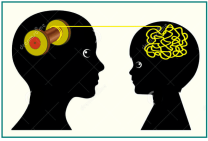
ACoAs – Set GOALS to MEET NEEDS (Part 3)

positive peoplePREVIOUS: Meeting our NEEDS #2

SITE: “Asking to have your needs met

POST: #3 = “Damage Needs

1. GOALS
2. IMPLEMENTATION

3. PEOPLE
The third component to reaching our goals has to do with who we surround ourselves with.
Everyone on the planet needs a support system to function well, from family, friends, teachers… to mates, colleagues & partners, psychological helpers & spiritual leaders. And everyone needs help to implement goals – from time to time – whether it’s a store clerk or house wife, the boss who hires us or the mate we live with……

Yet ACoAs find it shameful, terrifying & enraging to have to ask for help & let anyone get too close. For us, closeness is automatically associated with physical / emotional abuse or outright abandonment. Better to do everything ourself, or simply do without.
Even so, we still do need connection, cooperation, information, intimacy, guidance, validation….. So when we try to get Help or Love, the WIC (wounded part of us) automatically go to unhealed people who are the least likely to provide it, but who can ‘feel right’ at the time, because they’re familiar – like family. We keep going to the desert to quench our thirst!self-centered

These are people who are —
— either too narcissistic to actually care about us, so we spend a lot of our time trying to get their approval, pleasing them, hanging on for fear of losing them……needy man
— or are blatantly needy, so they don’t have much to contribute, & we end up spending a lot of time, money & energy taking care of them, worrying about their feelings, trying to ‘heal’ them….

Sadly, we know how to play the game with them using all our old defenses, but never being our True Self. Their lack of emotional/spiritual health guarantees that we continue to starve in PMES ways, continuing to not S & I – staying loyal to our family’s dysfunction.

REVIEW
We grow up, we have lives, jobs, our own families, friends, interests…. but are not supposed to want anything for ourself.
So any time we actually try to, we have to ensure that we fail – to continue obeying the Toxic Family Rules. We can’t afford to know how toxic they are, so we think we’re free of our past. We insist that we’re nothing like ‘them’, it was all a long time ago, it didn’t really effect us all that much anyway……YET the WIC is still totally dependent on the PP, attached & loyal to our early training & trauma.WIC & PP

With this dependence on dysfunctional beliefs & patterns, everything we try is done with one hand tied behind our back & dragging a dead weight on our back. So any time we actually think about pursuing someone or something that can make us genuinely safe, appreciated, happy, respected…. we either put it off endlessly, or we give it a shot, but in a distorted way & with inappropriate people.
And then wonder why we never get anywhere. Most if us blame others God, the world, our spouse & children…. as well as beating ourselves up for not knowing how to do things others seem be to able to, effortlessly.

REALITY: The only way to change this ugly, self-defeating pattern is to stop obeying the PP in the way we live our lives & treat the WIC, & instead get the help we need to develop compassion for ourselves.

STAGES of GROWTH
DEPENDENCE
Stage 1 WISDOM is about tradition, belonging, power and survival

Less healthy adults set up relationships with the main objective to get another person meet all their needs. It’s trying to use others as a substitute Mother, instead of becoming their own Loving Parent.

INDEPENDENCE
Stage 2 WISDOM is about the journey of the self, and the power of personal experience & rational thinking.

We escape from the heartbreak of childhood by becoming independent. This allows us some self-sufficiency & autonomy, with more freedom & success in the short-term, but avoids admitting the pain of our original Dependence. By burying early feelings of anger & fear, we end up damaging current relationships, & rob ourself of long-term happiness.

This stage includes outgrowing:
√  the demand to be perfect, & how others should do things our way – so we can reach our goalsgrowth stages
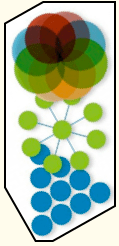
BY letting go of having to be seen in a specific way, & by taking responsibility for the outcome of our actions

√  being controlling, which creates arguments & power struggles because of the demands we put on others
BY healing deep-seated anxiety which minimizing the need for it – with trust in ourself, in others & in the H.P. of our understanding

√ self-focused emotional disconnection (dissociation), leading to emotional & mental boredom in relationships

BY reconnecting Physically, Mentally, Emotionally & Spiritually (PMES) to ourself

INTER-DEPENDENCE
Stage 3 WISDOM is about the interconnection of everything and the mysteries of existence.

With PMES maturity , we form a stable inner core we can rely on, no matter what. This allows us to have relationships with other self-caring adults we can rely on, learn from  & enjoy. We work together to benefit our personal relationships, as well as for the good of others & the world.
We can then:
1. Reveal our True Self, full of creativity, confidence & wisdom. We have faith in a positive future, rather than living in the past
2. Respond appropriately to the emotional needs of those around us with love & compassion AND avoid self-attacks
3. Have a true sense of ‘belonging’ in the world, linked with everyone / everything else by love, experiencing the calm of Spiritual Dependence (MORE…..)

Inter-dependence makes getting our needs met & reaching our goals more likely, more often & easier – a natural part of living well.  (CHART )


NEXT: Discomfort & Comfort, #1

“ACTIONS – Healthy OPPOSITES” (Part 1)

 I TRY & TRY –
but I still don’t get anywhere!

PREVIOUS: Self-Esteem – IS

POSTWhy are you stuck?

See Acronyms Page for abbrev.


“REVERSING self-defeating Behavior IMPROVES our Life”
A. UNHEALTHY Patterns
• Many of us know how we would like our life to be:
To HAVE a fulfilling career, loving relationships, less pressure, a little fun… and we’ve been trying, struggling, obsessing – year in & year out – but not much has changed.  We feel stuck, frustrated & depressed – still run by our false beliefs (CDs) & un-processed emotions.

We grew up with years of abuse – around chaos, addictions, criticism, rage, depression, neglect & illness. We learned to survive by adapting to what ‘they’ seemed to need & want, so we cobbled together a set of behaviors as best we could, with very little guidance, which allowed us to survive – but not thrive. We became a ‘human doing’ instead of a Human Being.picture-13We often hear advice like – “Just do it!, Just start somewhere, Do the opposite of what you normally do”, even “Take the action & let go of the result”….  America was built on hard work, perseverance, risk taking & chutzpah.  All of these qualities are action-based.

Anthony Robbins, famous athletes, business moguls & business coaches focus us on taking the next action & the next – no matter what.
➡️This has value, up to a point, but ACoAs know it’s not that simple, because depression gets in the way, & besides – we didn’t have early role models for what right actions actually are.

Dysfunctional Functioning:
a. Some ACoAs have a daily struggle to function at all – maybe from being chemically challenged, not having the vitamins & nutrition needed to be ‘level’ & / or being so devastated by emotional pain that we have little or no passive victimwill to act

b. Some of us waste years of our life just drifting along, not knowing what we want to be ‘when we grow up’!  We’re unhappy & unfulfilled, but don’t have a direction to focus on. Or we fall into whatever jobs that allow us to earn a living.

This is not blame – only identifying the result of being wounded, not from personal defect!  Various forms of Recovery can help us find our True Self, which includes our dreams, goal, talents & abilities

c. Others of us have a strong sense of what we’d like to do – if only we had the support, the education, the opportunity, the connections…..
But we don’t go for it because it would require going against every message we picked up at home, such as – “Don’t out-do us, Don’t be successful, Don’t be the real you….” all of which feels like life-&-death to disobey!
✶ This is not an exaggeration to the WIC, so don’t let anyone tell you you’re being dramatic!

d. An alternative to not doing anything is to either take up a profession that was dictated by our family or a secondary interest of ours (doing stage makeup instead of acting, being a nurse instead of a doctor….) – sometimes even becoming very skilled at it, but without enough satisfaction.
➡️ It’s not unusual for ACoAs to do quite well at what we like to do the least!

e. Many ACoAs fail to take the beneficial actions we absolute need to have a decent life – at the very least, always choosing the worst relationships, the most unsatisfying jobs, isolating ourselves, refusing to take advantage of growth opportunities (personal or material), not caring for our health – not to mention continuing with any number of addictions

f. And then there are the Hero ACoAs, who over-DO all the time. Action is their god, their escape, their addiction. Keeping busy is the only thing keeping their emotions at bay.  ‘Heroes’ are so good at everything they DO, but are hard on themselves & hard on everyone else.  They may or may not be working at a job that suits them, but they’re going to prove they can do anything! What gets ignored is being vulnerable, showing heir softer side.

NEXT: Healthy Opposites – #2

ACoAs – Fear of Commitment (Part 6b)

too much loveALL THAT ATTENTION makes my head hurt!

PREVIOUS: FoC #6a

SITE: “How to Cure Commitment Phobia” – NLP ‘secrets’


3. SELF-SABOTAGING re-enactment
(cont)
Some POSITIVE things that interfere with our willingness to Commit :
a. Fear of self-care / b. F of being treated well & loved / c. F of our Power

d. F of Visibility. To the WIC, C. to anything means everyone can see us, in all our imperfections & ‘badness’.
If we combine Fears OF : Abandonment + Compromise + Losing Control + Making mistakes + Responsibility, we end up with a deep terror of being fully visible.
It would mean exposing ourself to the whole world as undeserving frauds, as “Who do you think you are?” echoes in our head. The assumption is that everyone else is also like our family, who will punish us for daring to have an identity different from theirs.

e. F of Receiving To the WIC, C. to others means making oneself vulnerable.
• Receiving
exposes us to good things we never had before, which opens the floodgates of need & longing, which will drown us!
We’re hungry for recognition & nourishment, but are forbidden. Our injunction against Receiving is bone deep, especially for the Hero & Lost Child.
TOXIC Rules include:
“Do everything yourself / I’m not important or valuable / I have no rights / No one actually sees me….”.
To ACoAs, Receiving IS: > breaking family rules, > being weak & needy, > selfish & greedy, especially when others are suffering, > getting something I don’t deserve, > arrogant, presumptuous….

2 broad categories given to
🔸 Receiving something because we actually asked. Being direct about what we need is not only forbidden by the PigP, but the WIC also believes that: 👎🏽 If we have to ask, then getting it doesn’t count!

But asking is appropriate. Even infants who can’t talk let feelings be known, while being totally dependent on adults to know & respond to their needs.
Instead, most of us had narcissistic, unavailable & weak parents who were not attuned.  So we’re still stuck back there, in the emotional infant-toddler stage, waiting, waiting…..
This passivity is not appropriate for adults. It is our responsibility to know what we need & then ask for whatever we can’t supply for ourself.

surprise gift🔸 Receiving something without asking, from someone generously offering time, attention, gifts….. because they want to! Naturally, with our background of abuse & deprivation, the WIC doesn’t believe anyone would give us something ‘just because’. Since we feel unworthy, everyone must have an ulterior motive, & it’s up to us to figure out what they want.

f. F of Success – To the WIC, C. to achieving our deepest goals means the sure loss of a connection to our family. (See Point c. in #3a). This refers to fulfilling our heart’s desire – what we were born to do. But even if we’ve managed to follow the Right Path, we’re more likely to keep from being as successful as we’re capable of – so we “Don’t get too big for your britches”! Full success would mean disobeying a basic Toxic Rule that “You always have to struggle, but never get there” !

g. F of Peacefulness. To the WIC, C. to anything good means being bored to tears. ACoAs are adrenaline junkies, ‘addicted to negative excitement’ (Ennea-type 7), always creating or inviting situations that make life more complicated & stressful.
This can include those of us who are isolated & withdrawn, whose form of excitement is mainly internal – the mental ‘spinning’ of obsessive self-hate & worry. Both types create unnecessary drama, re-enacting how our parents functioned + the chaos they created. Screen Shot 2015-08-22 at 8.55.38 PM

• To be calm, quiet, peaceful makes no sense to ACoAs & make us anxious! 🧐  Without constant ‘agida‘ we feel empty, which we call boredom, but is actually the result of being emotionally numb.

Getting used to inner Serenity takes time, with persistent love & patience. Whether the unconscious compulsion to be a ’drama queen /king’ is blatant or camouflaged, it’s up to us to replace it with a saner way of life.

h. F of Higher Power (God, Spirit, the “Universe”….). To the WIC C. to any form of ‘power grater than ourselves’ is guaranteed obliteration (death of Self). ACoAs are ‘afraid of authority figures” (Laundry List). John Bradshaw pointed out that children transfer their experiences with parents (the original ‘gods’) to their concept of the true Higher Power. If they were dangerous – then obviously so must God be. Not!

NEXT: Recovering from FoC #1

ACoAs – Fear of Commitment (Part 3)

FoC I KEEP TRYING TO CONNECT – but no one seems to want me!

PREVIOUS: ACoA – FoC, #2


SITE: Commitment Phobics – playing out a dysfunctional family role

Some REASONS for FoC

RE-ENACTING (cont.)
a. FoA /  b. F of leaving family / c. F of being trapped

d. F. of responsibility
as kids To the WIC, commitment (C) meant we had to be responsible for everyone & everything, & no one taking care of us. We were forced to be responsible (R) for our unhappy angry, crazy, drunk parents, & sometimes our siblings. Many of us had to be the ‘designated adult’ even when we were very little, because of their incompetence, selfishness & addictions. We got the RULE loud & clear “Everyone else’s needs are more important than mine”.

e. F. of losing control – OPPOSITE of being ‘in control’, of ourself & our life, which eliminates being able to fully commit. To the WIC, C. to anything  -means many ‘unbearable’ things :
— accepting how things really are
— having to move on
— ‘allowing’ others to be different from us
— giving up absolute autonomy or of getting our way….

We violently resist the middle “A” (Acceptance) or any suggestions to “let go – with love, let go & let God, let go – with sadness, disappointment, anger…” – any way we can, but LET GO.

We believe that WE have to be constantly alert to preventing others from having power over us, and to stop the ‘craziness’ of addicts from falling apart and narcissists from engulf us. Many of us kept trying to do this in our original home – without success. And some of us still do, no matter how futile or unnecessary!

ACoAs project our S-H & paranoia out on the whole world, perpetuating our deep fear & mistrust. As adults, being controlling is a substitute for having real boundaries – mental & emotional walls the WIC thinks will protect us from actual or imagined dangers.

• If we were raised in an uptight, controlling environment – we’ll either rebel & want no limits at all, or follow the family pattern & be uptight, rigid & overly-fussy..
OR
• If we were raised in great physical & emotional chaos, many of us will expend all our energy as adults trying to keep people-places-things (PPT) in a tight grip. The assumption is that if we don’t, everything will spin out of control, even if the present day circumstances are actually much more manageable.

In any case, which ever style our personality leans toward – will be greatly influences by birth order & our Toxic Family Role (Hero //  Placater), but will also have a great deal to do with our native Type

Needing to control everything & everyone in our environment is both a way to prevent others from getting too close (intimate), as well as trying to keep them attached to us.
🔉 Overtly: Telling everyone what they should be doing, feeling & thinking – that it’s our way or the highway.

Being pushy, aggressive, ‘difficult’, demanding…. is presumptuous & insulting – the controller’s conviction that they’re the only one who knows how to do things, knows what’s best, what’s RIGHT, & how things should be done!    See Posts: “Controlling & Abandonment” //  “ACoAs – Getting controlled

🔇Covertly: Many ACoAs are sure they’re not controlling, because they don’t recognize how they do it, since it’s indirect & sneaky – by omissions, withholding & people-pleasing.
in controlSome ways:
– BY consistently denying oneself (needs emotions, opinions…) in favor of another. It’s a way to manipulate how someone behaves & how they feel about us, or prevent them from leaving (abandoning us).
– BY withholding – affection, communication, decisions, preferences….
– BY always being a victim, sickly or incompetent, so others have to take care of us or clean up our messes
– BY rescuing, people-pleasing…., trying to change someone or something into what we want, so we won’t have to leave & start over

NEXT: FoC, Part 4

ACoAs Being Controlled (Part 5)

drowning
I CAN’T SEEM TO SURFACE
& it’s all your fault!

PREVIOUS: Getting controlled (Part 4)

SITE: 9 Ways We Set Ourselves Up To Be Controlled in Relationships

BOOK: Confessions of an Abandoned Child ~ Curtrina Pharr

See ACRONYM page for abbrev.


Negative STATES causing loss of Control
a. In Bondage / ways to lose independence
Accepting unwanted situations, addicted & enslaved, be obsessed, be controlled, submitting to another, financially or psychologically tied down against our will
hopelessb. Focus on the Material / only aware of the physical
Caught up in appearances, getting & spending, over-indulging the senses, ignoring or forgetting the Spiritual

c. Ignorance / be unaware & stay
Be taken in by appearances, choose to stay in the dark (denial), fear the unknown, live in deprivation, operate within a narrow range of options & emotions
d. Feel Hopeless / lack faith
Believe the worst, despair, doubt, see the world as ‘cold ’, predict a bleak future, think negatively  (More…..)

🎯 WHO / WHAT we LET Control us (cont. from Part 4)
You’re being controlled (or Over-C) WHEN you STAY:
Sphone fatigueon the phone, or with someone you want to get away from
• in any location or event you’d rather not be at (or hate)
• in any relationship, job, home…. way too long
• with someone else – when you’d rather be alone, need to rest, or be doing something else, and/or ….
WHEN YOU:
• buy or eat things the other person wants you to, but you don’t like
• endlessly listen to someone’s dumping – who’s in too much pain, demanding, needy, abusive, just using you….
feel sorry for others instead of for yourself
• go out with someone because they want you to, or from loneliness
OR
• keep believing a proven liar, keep depending on someone who is consistently unreliable
bad date• keep seeing friends who are totally focused only on themself, never on you, including dates & mates
• let other invade your boundaries or say mean things — without objecting
• spend a lot of time worrying about someone else that you’re ‘powerless’ over
OR
• pay for things only to please another (not from love but from FoA)
• take care of very damaged people who need much more help than you can give them, because it makes you feel ‘important’, needed, less worthless….
• try to be something you’re not, or do things others want – out of guilt

You’re with a Controller (C.) anywhere :
BEHAVIORAL – if you
are given the ‘silent-treatment’ as punishment
• firmly state a boundary about something, & the C. ignores it completely
• feel like you’re losing it, because the C has systematically isolated you, to make you only be, do & think the way they want
• friends or family see a change in you when you’re with the C.
• have lost friends because the C. complained about or refused to let you see them AMD/OR have badmouth you to them

EMOTIONAL – if you
• feel depressed & physically drained much of the time
• feel suffocated by the C being needy, over-protective or intrusive
• feel ‘less than’, ignorant, belittled or hopeless when you’re with the C.
• end up feeling guilty all the time but don’t know why
IF you:
• eventually ‘shut down’ and ‘give in’ rather than trying to be heard, sticking to your point of view, being taken seriously
depressed• hide or run away from problems with the C. because you feel too weak to confront & stand up to them
✶ are being told by the C. that what you’re feeling – anger, fear, frustration – are from your ‘issues’, that you’re causing it, you’re over-reacting…. (while denying what they ARE doing!)

MENTAL – if you
• always second-guess yourself, from actually being criticized, undermined or corrected
• are accused of being boring now because : “You used to be so much fun, more interesting & outgoing…. you just copy me”
• tend to ‘go along with things’ to avoid conflicts with the C
• worry about the C’s reaction before you make a decision

✶ Are often told the C. is not ‘doing anything to you’, but rather that you’re choosing to do or be what the C. wants! (Cs take NO responsibility for their manipulations!)

SPIRITUAL – if you
• are constantly judged & accused of being bad, using a spiritual or religious dogma as ‘proof’
• feel you’ve lost your vision & are willing to compromise your values to try to please them
• punished for not being perfect, not following their rules

NEXT: Responding to Controllers, #1

ACoAs Being Controlled (Part 4)

door mat
I FOLLOW ALL THE RULES
why am I still being walked on?

PREVIOUS: Being Controlled (#3)

SITE : Dealing with Manipulative people – from “In Sheep’s Clothing”

🎯 WHO / WHAT we LET Control us
Controlling patterns are the same as Emotional Abuse.  All but one of the following groups can influence us positively OR negatively. It’s up to us to know what suits us best & stick to it!

INNER DAMAGE – everything this blog covers. Also “Bitchlifestyle” blog : Who Controls You, Your Bitch or Your Brat?
The more we try to please everyone, we become:
• MORE angry, disorganized, exhausted, frantic, overwhelmed, unhappy
• LESS focused, rested, peaceful, satisfied, pleasant to be with
AND the fewer people we actually do please!

Letting ourself be controlled is giving our power away. Yet we think it will actually:
• GAIN us acceptance, love, continual attention, protection
• PREVENT being ignored, made fun of, punished or left. Unfortunately, it’s an illusion!

 THIS LIST is about how negative relationships can controls us :
CHILDREN – expressing your love for / attachment to them can go too far, being afraid to set boundaries or they won’t love you, or not teach them discipline so they won’t be angry at you

ENEMIESA) people who hate us for their own reasons. We didn’t cause it, but we can end up wasting way too much time, energy & money trying to win them over or placating them, instead of leaving them alone, praying for them or being neutral
-OR-
B) those we hate – & that hatred eats us up year after year – wasting time trying to get even, obsessing about telling them off (but never doing it), or actually putting nasty plans into motion

JOBs/ Bosses – expectation, demands … especially the ones we think have to be fulfilled but actually are unreasonable. After all, aren’t we used to doing the impossible ? – or at least trying like crazy

NEMESES – (people we’re jealous of or in competition with) – we can do many foolish or self-defeating things to stay ahead of them or keep them from winning over us, whether the ‘prize’ is important to us or not. We become obsessed, over-work, cheat, connive, worry… just to shore up our weak ego

PARENTS – wanting their love & approval at any expense, we often twist ourself into distorted versions of our True Self – & still never please them or get what we need from them (see Part 3)

PARTNERS – our fantasy beliefs about what a good relationship or marriage is supposed to be (especially that women have to be the ‘giver’) makes us into servants or slaves

PEERS / FRIENDS – trying to keep up with or out-do them, keep their approval, get their admiration, be in the ‘IN’ group, use them to____ ….

HEROES – because we don’t know the real person, they’re usually one-dimensional, yet we put them on pedestals – so they’re not fully human. We think we could / should be like them, but it’s not automatically true that if they can do or be something, we can too.

• And even if we follow their lead in some way, we may not be able to do it right away, or it may be a lot harder that we thought, or we may not have the same talent or resources…. which can leave us discouraged & self-hating.
We have to be realistic, without giving up, working toward goals that fit who we are!

• We may find positive qualities to emulate, but only with careful assessment & background research. THEY must be people:
— who are actively living the qualities you admire and fit your values, not just talking a good game
— you are genuinely similar to (not just matching damages). Just because someone else can do or be something does not mean you can or should want to!

NO GUARANTEE:  Being psychologically healthy does not prevent damaged people from trying to hurt us. Also – we know there have been some good people in the public eye that have been vilified, even killed!
Self-esteem + correct info are our best protection – recognizing the people who are very unwell & removing ourself from them.

NEXT: Being Controlled (Part 5)

ACoAs Being Controlled (Part 1)

beggingI’LL BE & DO WHAT EVER YOU WANT –
just don’t leave me!

PREVIOUS: “Controlling” & Abandonment (#2)

SITE: Recognizing…..Control” – extensive list of tactics used by Controllers

See ACRONYM page for abbrev.

BEING controlled by others
People who are easily controlled don’t know there’s a difference between –
a. Natural, appropriate authority. Being IN control is using our power in a positive way – for oneself, or being a good leader. The person in control is the main decision-maker, in charge of communication & makes things happen. People choose to listen & follow appropriate authority because they want to learn, connect &/or be taken care of —
— vs.
b. Un-natural, abusive control (mental/emotional coercion). Controllers (Cs) misuse power – they force us to obey them, against our will. They have no regard for our rights, needs or individuality. They use their position to suppress our identity so only their’s is visible. Their main weapon is negative anger, aimed at making us afraid, so we’ll be more compliant

ACoAs ‘letting” ourself BE controlled
• Most ACoAs were negatively controlled as kids, & without Recovery we continue playing out the victim role we were originally forced into. As adults, allowing others to control us copies our earliest experiences. It keeps us symbiotically attached to the ‘source’ of our wounds & therefore emotionally immature, AND ‘protects’ us from having to face our own fear of intimacy (“ACoAs & Boundaries, Part 1 & 2”)
controlled
First: We have to be around someone who is a controller – who belittles, embarrasses us in front of others, treats us like a child, tells us what to do or how to be….who is manipulative & intimidating, however subtly.

Second: We have to be available.  While dealing with such a person is unpleasant for anyone, for ACoAs it’s emotionally debilitating – but also emotionally addictive!  We fall into a black hole, regressed to an old familiar space of being a powerless child with no options. We’re trapped & become mute! We’ve been programmed to instantly surrender – we have no rights or identity of our own. And then we stay, & make excuses for the controller’s behavior!

T.E.A. (thoughts, emotions, actions)
Many teachers & groups teach us that we choose to “feel” the way we do, an obvious judgment. Of course the word feel is being used to mean thoughts rather than emotions, which is confusing & harmful, as it leads to believing we should ‘control’ our Es! (see “Feelings Aren’t Facts”, & Using THINK, instead of Feel“)

This is not fair or realistic. No one chooses their Es, only what we Think & how we Act! And even those are pre-programmed by family. Yes, sometimes changing Ts & As can shift our Es, but not always, especially not when the pain we’re feeling is old & therefore cumulative. That takes time to vent & process out of the body.

• Being controlled is the outward proof of Toxic Family Rules we internalized from childhood. And when we consider those beliefs (a sub-category of Thinking) we find them indeed very hard to change.
As adults — 
— allowing ourselves to be controlled is not a conscious choice! It’s a knee jerk reaction to specific people or events that are carbon copies of our family experience.
— it’s a clear indication that capitulating to the will of another means our WIC is in charge

🩸To ‘accuse’ us of choosing to be manipulated (Action) or be miserable (Emotions)…. only adds to our S-H, & is in fact a subtle form of abuse & abandonment.

YES – we are responsible for changing our training – learning new ways of thinking & acting to take back the power we give away.
BUT we can only do this if WE:
— understand what’s actually going on inside
— have compassion for ourself (we didn’t cause the wounding)
— remember that changing deeply-etched brain patterns takes time
— learn what our needs are & use them to practice having boundaries
— ask for help whenever we need it, especially when regressed (child ego-state of being a victim, lost child, scapegoat…)
— develop & continually strengthen the Loving Parent voice

NEXT: ACoAs Being Controlled (Part 2)

Toxic Family ROLES (Part 3)

all roles I KNOW WHAT’S EXPECTED of  ME – my Role tells me!

PREVIOUS: TFR (Part 2)

SITEs: ▪︎ Different Toxic Roles
▪︎  Dysfunctional Family Rules & Roles


❎ DYSFUNCTION
(cont)
Virginia Satir divided the functions into: Blamer, Computer, Distracter, Placater & Leveler roles, sometimes used in Neuro-Linguistic Programing (NLP) training.
They’re broader than the familiar ones – Hero, Scapegoat, Lost Child & Mascot  (Originally in “IF ONLY MY FAMILY UNDERSTOOD ME” – Don Wegscheider 1979
⬇️ VARIATION :

1. ADULT Roles (Part 2)

2a. ACoAs – as CHILDREN
• the eldest boy or eldest girl is usually the Hero or Placater, who is aligned with the non-drinking parent (if there is one)
• the next child becomes the Scapegoat, identifying with the active addict
• The 3rd or middle one is the Lost Child, mostly ignored (3rd wheel)
• the Mascot is last or youngest, who tries to keeps things light by being amusing

Just as there are shifts in any living system, the way roles are assigned, clumped together or reassigned changes over the years of a family’s life.  Toxic Family Roles (TFRs) themselves stay the same no matter who they’re stuck on to, but can overlap or be passed on, like a deadly virus! These severely limiting, false personae are taken on by each child, in one of several ways. If there are fewer or more children, roles double up :

a. For an only child, all 5 roles** weigh on them, with one often being dominant, so one CoA may become mainly Lost Child while another may be mainly Mascot…. Not having siblings to share the roles, this child (& later as adult) can experience rapid cycling of moods which can be scary, confusing & sometimes mistaken for manic-depression.
cycling roles
** What may seem like ‘being crazy’ – especially under stress – is actually an automatic shift from one Role to another in quick succession – Hero / Placater to Mascot to Scapegoat to Lost Child & back again – with the mental & emotional perspective of each suddenly coming to the foreground & then being replaced.
If there is no obvious medical condition, this switching can be understood rather than feared, & can even be used as a temporary coping skill until Recovery brings out the True Self

b. If there are only 2 kids, each takes on more than one role, depending on gender, birth order & personality.  In this case each child can still have one dominant Role, but can switch into another when dealing with different types of people.  So a child with a primary Role of Hero (1st born), with Scapegoat & Lost Child as sub-roles, can act out the Scapegoat when someone pushes them too far, or withdraw as Lost Child when being mistreated in some way.

•  The Hero (usually the oldest – or oldest boy) is required to be perfect at all times – to know everything, never make mistakes, always look good….. This is enormous pressure.  When the ‘job’ gets to be too much this child may say or do something inappropriate, outrageous or illegal to relieve the stress of perfectionism. It is both a rebellion & a cry for help, but will only garner punishment & a demand for a return to Hero status.toxic roles

The other child may be Mascot & Lost Child, & sometimes will take on the Hero / Placater role when the older sibling has left home or is incapacitated – OR when running their own household as an adult.

c. With 3 or more – there are still some overlaps. When an older child leaves home (usually the Hero going off to school, work or war) anther sib takes over, which means someone else has to double up, causing even more stress.

NEXT: Part 4 – ACoAs as Adults