OUTGROWING Co-Dep Niceness (Part 6a)

THIS PART IS the hardest of all

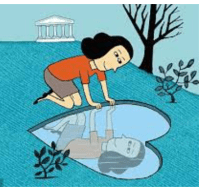
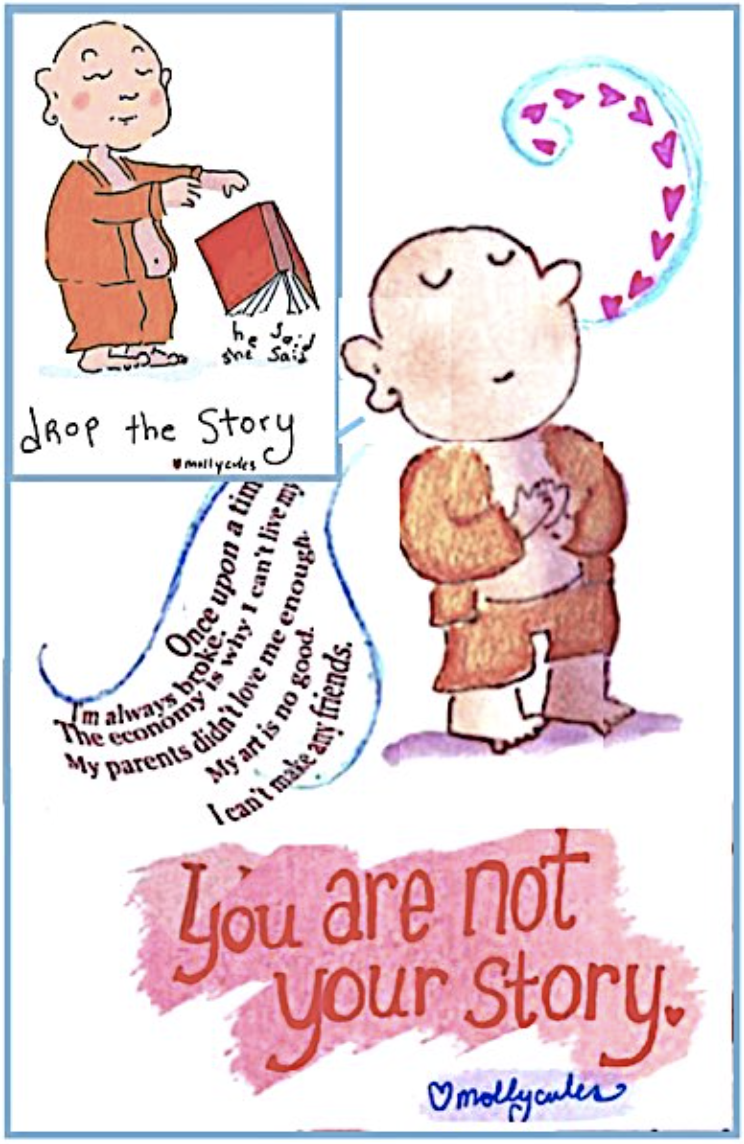
◀️ ARTWORK from Tiny Buddha

PREVIOUS :
Outgrowing P-P , #5b 

QUOTE: “You’re the Average of the 5 people You spend the Most Time with”
Jim Rohn “The Art of Exceptional Living”


RECOVERY from “Too Nice Syndrome”(cont)

IMP :
‘Forgiving’
 OURSELF
This only applies to us as adults (Parts 7a & b), when the brain is capable of self-direction – when we can understand that the ‘character defects’ of the False Self were developed in childhood, which we had no control over.

TOOL 6a. = Healing our CHILDHOOD T.E.A.s is to:
1. LET GO of our Self-hate (E) & endless recriminations (Ts) re. the past
(See “Letting go means….“), and to:
2. GIVE UP the compulsion to keep punishing ourself & stay miserable (Es)

Review: As earlier posts have indicated, the underpinnings to co-dep / P-P ‘niceness’ is unexpressed anger / rage. And under that is a vast sewer of stuffed emotions, the majority being fear/terror, but also disappointment, loneliness, longing, sadness, despair…..
Cleaning out our damage includes facing & dealing with our anger at our family, as well as all our other T.E.As.
It means having compassion for ourselves & living in the present.

Judgements: Along with forgiving others who have wronged us, we are told to ‘Forgive yourself’– but it’s not always clear which part of our life that refers to. Presumably it’s for all our ‘bad’ behavior, at any age.

This is tricky, because ACoA co-deps can easily take this to mean that our self-defeating patterns prove what our family said all along – that our very essence is bad/evil, which is why we’re supposed to need absolution.

Those unloving messages get added to children’s minds who automatically combine Being & Doing into one thing.  So, still run by our WIC, ACoAs are plagued by the toxic rule: “I act bad because I am bad”, which we frantically try to hide with perfectionism & P-P.

REALITY:
If this Rule were true then there could be no Recovery, no second chances, no spiritual healing or growth!
We need to “come to believe” that we are not bad & therefore unlovable, but rather severely wounded, as well as perfectly imperfect!

The starting point for all Recovery is working to eliminate as much S-H as possible. See: Self-Hate & ACoAs, & counter it with ‘Emotional Needs & Resources, as well as ‘Emotional Maturity’ andACoAs & Self-esteem‘.

CHILDHOOD
(As)
ACTIONS: When encouraged to see that S-H is a destructive lie, many ACoAs will counter by pointing out how difficult or bratty they were as teens, or even younger – as proof of their inherent ‘badness’.
Yes, some kids are quieter & some more rambunctious. But much of what our parents considered ‘misbehaving’ was a combination of:
a. our copy of & direct reactions to all the craziness we were stuck in
b. many perfectly normal kid ways – but mislabeled by unhealthy parents
(“10 Ways Kids Appear to Be Bad but Aren’t“)

(Ts) THINKING: These 2 types of actions were based on:
a. the unique magical thinking of all children, who have a self-centered focus & a limited knowledge about how the world works
b. the many distortions & omissions fed to our growing brains by abusive parents, school, religion, our neighborhood & culture…..

(Es) EMOTIONS: (see list above in “Review”) ACoAs often say they “feel crazy”- which is actually a cognitive issue, not emotional – & we did think we were because most things truly didn’t make sense. That made our world chaotic & unpredictable, which is very scary to any child, who needs to feel safe as much as to feel loved.

THIS leads us back to self-forgiveness.
Forgiveness is always used in relation to having done something wrong. But as children much of what was labeled wrong about us was not! It doesn’t mean we were angels – far from it.  But we were reacting because every day we had to cope with extremely painful & frightening events.

So it’s not appropriate or relevant to use the concept of forgiveness toward ourselves as children – for the survival strategies we developed in dire circumstances.
There is nothing to forgive. ONLY ACCEPTANCE !

NEXT: Self-Forgiveness – in childhood (#6b)

OUTGROWING Co-Dep Niceness (Part 5b)


IT’S NOT EASY
to heal old wounds

PREVIOUS: Forgiving others #5a

SITEs: 15 things Forgiveness
DOESN’T mean….

• DECONTAMINATING ‘forgiveness

How to Forgive with NLP


RECOVERY from “Too Nice Syndrome” (TSN) cont.

TOOL 5a. FORGIVING OTHERS (cont.)
(
DEF. in Part 5a)

FORGIVING OTHERS is either:
1. for repairing relationships – to re-instate broken or lost trust
OR  2. letting go of the relationships because it cannot be repaired

NOTE: Forgiving in no way implies trusting another person, nor does it guarantee the continuation of the old relationship.

To repair a broken connection, both parties must participate.
• In some cases only one person has caused the problem – which they must own up to, & the aggrieved person will have to be willing to forgive. But forgiving a wound (to stop obsessing on the resentment) does not guarantee a reinstatement of trust. That has to be earned by the wounder, which is slow, & sometimes impossible.

Some relationships CAN NOT be fixed & some shouldn’t be. This is especially true when someone has persistently acted badly & continued to do so. Do not ignore this!
There are situations where it’s not worth the effort to reconnect. No matter how hard we try, it’s not going to work, because the other person is not willing to /capable of meeting us half way, not willing to consider what motivates their disruptive behavior. Without that, they will not change.
««
TOXIC people must be avoided whenever possible. If we’ve been exposed to one or more for any length of time, we need to get away from them as soon as possible, & then heal the aftereffects – using all our tools – so they don’t keep hurting us (inside) even once they’re gone.

• In other cases two people have butted heads, each hurting the other – reacting from unhealed damage. If the relationship is worth salvaging – to both – then each will need to go to their separate corners to figure out what in their own background set them off. Then eventually come together to share their awarenesses, using only ‘-I-‘ statements.

This too is usually slow. Sometimes each taking responsibility for their part will allow the relationship to continue – stronger – BUT it may not. While it means both know their side of the street is clean, which eliminates residual guilt & regret, they may rightly conclude they’re really not compatible, going forward. Then the parting can be sad, but prevents further hurt.

GROWTH
Letting go of anger (Es) & resentments (Ts) is internal, which must then be expressed externally by changing old patterns into healthy ACTIONS (As).

++ CHOICES – We’re responsible now for choosing to surround ourselves with people who are self-caring, positive & kind. Then there would be much less to forgive!  Recovery means being more discerning about who we trust. Since people tell us about themselves all the time – believe them!

So it’s not actually them we should trust, but ourselves. We can work our way out of denial by carefully listening to & observing what others express & then admit what we see & hear – especially when there’s a persistent pattern to someone’s erratic / cruel / narcissistic / unavailable behavior

++ SPEAKING UP – As we outgrow P-P we can be much less ready to automatically forgive & forget’ indiscriminately. It’s not in anyone’s best interest. Repeatedly overlooking bad behavior in others not only harms us, but can also seriously affect loved ones, friends & co-workers who are around the acting out, to everyone’s detriment.
Our Emotional maturity includes holding people accountable for their inconsistencies & incompetence, for not keeping their agreements, for the damage they create, for abusive or disrespectful things they say…..

++ SELF-PROTECTION – Avoid blaming others when we’re upset, but speak up. Now if someone hurts our feelings or injures us in some other way, we must ask them to stop. AND their reactions are their alone!
If they won’t stop, we can remove ourselves or at least keep a distance. We are not responsible for what the other person did or did not do – only for our Es & the way we respond (As).
EXP: If someone steps on your toes, that’s on them. Definitely say OUCH! & move your foot.  If they keep stepping on it, that’s on you, for staying close enough for them to do it again & again.

NEXT: Accepting ourselves – in Childhood #6a

OUTGROWING Co-Dep Niceness (Part 5a)

I DON’T KNOW
if I’ll ever be able to

PREVIOUS: Outgrowing P-P #3

SITEs: PMES forms of Self-Care
• 30 day challenge, to make changes


RECOVERY from “Too Nice Syndrome” (TSN)
cont.
TOOL 3. ASSERTIVENESS  //  TOOL 4. HAVING RIGHTS

TOOL 5a. FORGIVING OTHERS
DEF:  a. LET GO of our anger  (Es= the emotion), & resentments (Ts= angry thoughts /obsessions) toward anyone whose offenses, flaws or mistakes have seriously injured us   (See “Letting go means….“), AND
b.  GIVE UP the desire to punish, seek revenge or exact payment

ACoAs
Mental health, Recovery & religious communities keep telling us we must forgive others in order to move on, insisting it must happen before healing can occur. This may be true for some people, but doesn’t really work for most ACoAs.

Forgiveness is important, but it’s not that easy to extend it to all the damaging & crazy mates, friends, bosses…. we’ve collected along the way, & especially not toward the adults who tortured & neglected us as kids.
There are things done to us that are – or seem to be – unforgivable.

▶︎ For ACoA angry-nice people forgiveness IS about ‘letting go’ – but not first. Instead, it is the outcome of the process of gradually releasing layers of old pain, combined with developing the UNIT, so we stop needing all those ‘unavailables’.

This takes a lot of time & effort, & maybe forgiving our abusers will never be complete because of the amount & intensity of trauma we suffered. But we are worth the effort to try, & that effort ends up benefiting every part of our life.

Not getting our rage out (& the tears underneath) is what keeps us stuck in obsession, which we’ve covered over with denial & then express as P-P angry-niceness. It will continue to plague us as long as we’re still desperate for their (unavailable) love & acceptance. AND the WIC wants the Perpetrators to admit what they did, to genuinely feel sorry & to apologize.

This rarely happens, so don’t hold your breath! Our anger is appropriate, but it must finally be vented safely, away from them, so we don’t have to keep carrying its corrosive effect. (“How to forgive” – even if they never come through!)

ACoAs go to one extreme or the other about almost everything.
As adult we’re responsible for our Ts, Es & As, but as angry ‘nice people’ (P-P) we’re afraid to admit our emotions & opinions. Instead, we take on the burden of other people’s feelings, especially if we love or need them, & especially if they’re acting needy or aloof. This comes from a set of opposites, a double message that becomes our bind :
❗️ the WIC’s narcissistic desire to symbiose (be the same as me), AND
❗️ the compulsion to escape from being ourselves (from S-H)

So, as long as we’re being run by the wounded child,
✐ we either refuse to even consider letting go (forgiving), or
✐ we’re too easy on everyone who hurt us.  The co-dep’s “High Road” is more likely a way of staying in denial than of being emotionally free.

► Forgiving requires some mental/emotional distance from our wounds, BY HAVING:
🔅 done enough venting of our old pain in safe ways
🔅 had our childhood experiences validated by people who understand
🔅 gotten enough correct info so our thinking is clearer
🔅 good enough boundaries so we can take care of ourselves
🔅 developed a healthy Adult to be more in charge of our choices

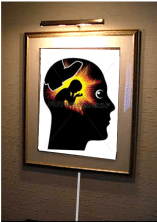
A VISUAL : We can think of our many painful memories as a series of pictures in a large gallery in our head – each one with an art lamp over it, the cord plugged into the wall at the baseboard. For us – the light is all the emotions attached to each memory, plugged into our nervous system.

A little at a time, by crying, raging, talking thru traumatic events, & being validated –  in safe places – the plug gets pulled out of the wall. We’ll still be able to see the images, but they will be in shadow because much of the pain will be gone. THAT is letting go. That is the forgiveness that benefits us.
AA saying : “Look back but don’t stare.”

NEXT: Recovery – Forgiving ourselves (#5b)

OUTGROWING Co-Dep Niceness (Part 4)

I WANT TO BE ABLE
to enjoy all my rights

PREVIOUS: Outgrowing …. #3

WOMEN:  What “She’s too nice” means
MEN : Break “Nice Guy” Stereotype


RECOVERY from “Too Nice Syndrome” (TNS) cont.   TOOL 2. SELF-WORTH
                      TOOl 3. ASSERTIVENESS
TOOL 4. HAVING RIGHTS
++ To outgrow P-P we need a replacement for the Toxic Rules that drive our co-dependence. We need to know our RIGHTS. This makes us less scared, giving us the courage to ask for what is rightfully ours, diminishing the grip of co-dependence

Instead of having to ‘sing for our supper’, we want to acknowledge & act on RIGHTS which are everyone’s birthright. They are strictly for our benefit, not in order to be ‘good’ or to take care of others.  As we start living by them, eventually they can become automatic!

❤︎ YOU have a RIGHT TO :
✑ Think, Feel, Speak & Act according to your True Self
✑ be treated respectfully, no matted the circumstance
✑ never say “I’m sorry” for being yourself, or just for being here & taking up space 😎
✑ discover your passions & pursue them without interference
✑ appreciate yourself whenever you stand your ground
✑ not feel guilty for taking care of yourself or saying ‘no’
✑ take time out to answer a Q or request (“I’ll let you know”)
TO :
not care – so much!  You can’t carry the burden of all the world’s problems – there are too many, just as the whole world can not care about yours. And since none of us has the power to fix another person, you can stick to handling the things that matter the most to you, to get the most out of your efforts

✑ offer no justification!  Don’t lie, but don’t explain. Trying to prove your point – to unreceptive ears – can easily become self-humiliating. When an explanation is required, keep your answers clear & short

❤︎ YOU have a RIGHT TO –
✑ make mistakes // to not know // to be incompetent (every so often)
✑ ask for help  // to change your mind // to ask Qs
✑ not be responsible for other people’s needs, actions or problems
✑ disagree with others & express your opinion // to not respond to ‘stupidity’
stop victimizing yourself

✑ be helpful & generous to others — IF you have enough PMES supplies of your own to share.  Only do what you are legitimately capable of, what fits with your own self-care needs & when you have the time (unless there’s an emergency that only you can deal with – which is rare)

✑ take time out for yourself, even a little every day – to dream, to imagine a new possibility or something creative, to process the day’s experiences, to revel in an accomplishment, compliment or triumph

✑  find & maintain contact with support systems in various parts of your life, the kinds that fit your personal tastes, your work concerns, family needs & social interests. Let others give you whatever help & encouragement they have to offer – if it’s what you need!

• Never chase perfection – there’s no such possibility for human beings. Only God is perfect. Focus on your actual qualities, natural talents & accomplishments
• Know when your kindness is being taken advantage of, speak up about it & pull back some
• Don’t compare yourself with others. Since each of us has a separate body & separate personality, we also each have our own life path. Live yours!

• Always be kind to yourself. Stop self-hating thoughts as soon as there pop up, checking to see what abandonment trigger set it off (BOOK: “Compassion & Self-Hate – An alternative to Despair“- T. Rubin)

As the Al-anon Closing says ” ……We aren’t perfect. The welcome we give you may not show the warmth we have in our hearts for you. After a while, you’ll discover that ‘though you may not like all of us, you’ll love us in a very special way – the same way we already love you.”

❤︎ YOU HAVE a RIGHT to assert all these rights! (‘My Rights – Qs’)

NEXT: Outgrowing co-dep #5a

OUTGROWING Co-Dep Niceness (Part 3)

IT’S A BALANCING ACT
but it’s worth it to me

PREVIOUS: Outgrowing Co-dep, #2

MEN:  Stop Being a “Nice” Guy
WOMEN – Don’t be so nice


RECOVERY from “Too Nice Syndrome” (TNS)
cont. TOOL 1. Facing FEARS /  TOOL 2. SELF-WORTH

TOOl 3. ASSERTIVENESS (cont.)
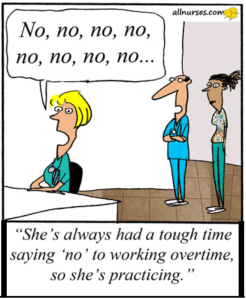
++ Practice saying NO to things you don’t want
Don’t automatically say yes to everything others ask for. If something is really not okay with you, say NO. Or let people know it’s something you’re going to have to think about & then get back to them.

You don’t have to give any reason for not liking something, even if it’s temporary – and it’s OK to change your mind. Remember that “NO.” is a complete sentence.

Some people will accept your new-found voice without a fuss, but others will not. If asked “WHY don’t you want to, why can’t you, why aren’t you…..” – know your reason & state it briefly in a declarative sentence. Never start with “I feel that….., I guess……, Well, …… Sorry…..”.
You can say: “Thanks, but I’m not available, That’s not for me, Not today, I have too much on my plate, That’s not my taste, Thanks for the offer – but I like it where I am, I’m finished with that………”
(MORE ways to say NO nicely – on Pinterest)

As we practice self-care & accept things the way they really are, rather than how we would like them, we can be more direct in protecting ourself. This makes P-P less & less necessary.

++ Don’t excuse your opinions (T), they are a part of you, even if only for the moment. However, to be sure of what we think & feel, we must first identify all those long-held ideas we had to swallow whole from our family, & separate them out from what we truly believe for ourselves.

There are some things we can be sure of, unequivocally: “I know what I know”. But we can’t know everything – certainly not what others are thinking or feeling, unless they say – & we don’t have to know everything. If you believe in yourself, you’ll always want to keep learning AND won’t be ashamed to correct any ignorance or misconceptions you may have

++ Identify your boundaries. We all have the need for personal space, a greater amount for some than for others. P-P generally deny this need, believing that not setting limits is the only way to keep people attached to us, (symbiosis). Trying to meld with each person we interact with means constantly taking on a new fake persona. At least when actors do that they get paid! And trying to be what others want or copying them – never gets us the pay-off we’re hungry for. Keeping this up year after year takes a lot of energy & creativity, but is ultimately exhausting AND ineffective! Remember “Zelig”?

++ Don’t shy away from conflict or confrontations. A basic philosophical tenet of martial art is to a) know how to defend yourself, if attacked, but b) never start the fight if you can avoid it. Following this 2-part principle psychologically is crucial to having a safer life. Books like “The Gentle Art of Verbal Self-defense” by S.H. Elgin, give us several excellent ‘weapons’.
When we start setting boundaries, some people will be confused & others will be angry & maybe give you a hard time – since they’re used to you automatically giving in to whatever they want from you.

No matter how scary it is at first to deal with push-back, if you’re sure of your beliefs or needs, stick to your guns. It can help smooth things if you tell the people who are important to you about your new policy. Some of those reactors might even apologize later.
Eventually the right people will get used to the new you, even admire & respect the changes. The ones who can’t get with the new program will fall away. “Man’s rejection is God’s protection.”

NEXT: Outgrowing P-P #4

OUTGROWING Co-Dep Niceness (Part 2)

THERE ARE MANY WAYS
to help myself ‘let go’

PREVIOUS: Outgrowing P-P #1

SITE : 45 Confidence Exercises…..

<—- IMAGE from : “16 Acts of Self-Care to Get You Thru 2017

See ACRONYM page for abbrev.

RECOVERY from “Too Nice Syndrome” (TNS) cont.
TOOL 1. Facing FEARS

TOOL 2. SELF-WORTH
++ Self-esteem is fundamentally the result of unconditional love! To outgrow the need to P-P we can work at providing that for ourself now, even tho’ we didn’t get it as kids. Our attention has to be internal – on who we are, what we need, what our rights are & how well we take care of ourselves

☁︎ Co-deps base a lot of their ‘value’ on how much they do for others. This is self-defeating, guaranteeing ‘failure’, because :
• it’s only about action rather than personal identity, external vs internal
• we’re selfishly using others as a prop for our WIC’s distorted self-image
• we’re dependent on the unpredictability of how others respond to us
• we can never do enough for some people, so we’ll always come up short
• we can never fix anyone else’s pain, & even if it were possible, the people we most want to ‘save’ (rescuing=false helping) are usually the most recalcitrant (absolutely UNwilling to work on themselves!)
• some people will never give us any appreciation or validation. Sadly those are the ones we chase the hardest & longest!

Self-esteem allows for INTIMACY. To be capable of intimacy we need to overcome a large chunk of our self-hate – by developing at least a working knowledge of our Rights, using good Boundaries, having access to a wider range of Emotions & a nodding acquaintance with our Inner Child, the UNIT & our True Self.PP voice

☁︎ If you’re an ACoA, your needs & emotions (Es) were stomped on & ignored. Being ‘too nice’ was one way you survived, even if your siblings chose a different way to protect themselves. What does this tell us?
That we used whatever we could to deal with an emotionally & physically dangerous upbringing.
We didn’t create that situation, SO this pattern is not an innate flaw in us. It’s correctable!  Outgrowing P-P is a combination of:
— rooting out abusive self-talk & correcting distorted ideas about life (CDs)
— consistently comforting & nurturing ourselves (self-care)

As we “get it” in our bones that we didn’t cause our need to develop co-dep – it will greatly quiet the self-hate & PP voices, which tell us that it is our fault. Then we slowly outgrow the old pattern of people-pleasing (P-P) which is one of many defense mechanisms. We are “Damaged, not defective”

TOOL 3. ASSERTIVENESS
++ Practice saying YES to the things you do want
• SUCH AS things you’ve had an interest in or passionate about since childhood, even if you never got to pursue them. Now you can pick them up, just for pleasure, or maybe to start a whole new career:
— Say yes to learning new skills that will improve your income
— Say yes to healthier friends & lovers, jobs, living space….
— Say yes to a new couch, better clothes, flowers….(when you can)
— Say yes to filling some of your down-time with ‘good, clean fun’
— Say yes to taking time out just for yourself, to rest & recharge

➤ Say YES to one thing you’ve been wanting to do (a small tattoo, a dance class, a Spiritual retreat…..), but are afraid others won’t like it or will make fun of it. Too bad. Do it anyway!

• There are other things you can be enthused about as short-term enjoyment, something or someone you’re only into for a while (maybe even a few years) and then : You got what you wanted from the experience // or you did as much with it as you could // or you’ve gradually become disappointed in it // or you, they or it has changed, & now it doesn’t suit you anymore….  You’re done, so move on & choose new PPT (people, places, things)

NEXT: Outgrowing P-P #3

OUTGROWING Co-Dep Niceness (Part 1)

speak up for me
I WANT TO BE HEARD!
(I hope no one minds 🙄)

PREVIOUS : Neg EXTERNAL results
from others


 RECOVERY from “Too Nice Syndrome” (TNS)
Undoing our TNS isn’t accomplished by becoming a nasty bully or resentful isolate. Instead, we can apply the wisdom which the Snake of fable had not understood – that occasionally it’s necessary to hiss! Emotional maturity is about balancing between being well-behaved & putting our foot down when needed.

The following TOOLS are:  1. Facing FEARS //  2. SELF-WORTH   //  3.  ASSERTIVENESS  // 4. HAVING RIGHTS   // 5. FORGIVE OTHERS   // 6a. HEAL our T.E.A.s   // 6b. FORGIVE OURSELVES (as adults)  // 7. BE FORGIVEN

Used together, they can move us along in the right direction, but if we’ve been a life-long people-pleasers (P-P), it’s going to take time, patience & perseverance. Think ODAT & never give up!   We can go: From Damage —–>——>——-> to Wellness

TOOL 1. Facing FEARS

++ It’s normal for Co-deps to be fear-based, given our history. That fear may never go away completely, but can become much less intense. As we thaw out emotionally we can experience our feelings quicker when something hurts us – instead of registering months or years later.
Intensely painful emotions are a signal that you’ve either tapped into childhood trauma-pain, &/or you’re torturing yourself with cruel self-talk, causing terror.L & R BRAIN
Allowing yourself to sit with old pain & other emotions that come up from a current event – will free up a lot of psychic energy we use to hold them down.

☁︎  T.E.A. = Most people combine Thinking (mainly Left brain) & Emotions (mainly Right brain) into one big messy hodgepodge. If someone asked (or you ask yourself) : “Are your/my fears realistic?” they are not referring to the emotion of fear, but rather to the toxic rules, projections, S-H…. theTs that cause the fear (E).

Fear is just fear – it’s neither realistic or unrealistic, which only applies to thinking. (Post: “Feelings aren’t facts”)
Years of early abuse & abandonment created our fear – accumulating every hour, every day that we lived with those people (family, school, religion, neighborhood….). That feeling is an absolutely normal, appropriate emotional response to those events. We’re stored that terror in our body, which we now attach to thoughts & current events – adding to the pile, keeping P-P in place (“Anxiety & T.E.A.s”)

REVERSED – As Co-deps we often get both our mental & emotional reactions backwards. In terms of fear:
• we ignore or underplay emotionally damaging effects caused by actual people & situations that are inappropriate or outright harmful to us, but have a real effect on us even so, & yet —
• we can over-react emotionally with S-H & FoA to PPT that are either not dangerous at all, or are those uncomfortable pain-in-the-butt “that’s life” situations which seem overwhelming, but actually are fairly easy to smooth out, once we come to see them in proportion, & learn how to manage them

💚 Don’t let others keep confusing you. Be clear whether you (or they) are talking about Thoughts/beliefs OR Emotions – or Actions, & know how they’re related – or not!  Es can be a response to an As, without causing harmful Ts:

EXP
: I can be very frustrated & angry (E) about a situation I truly have no control over, such as ‘being laid off from a job/ loss of a relationship/ illness of a loved one….’ (A), yet still have a positive mental attitude about myself, my life, even my future, such as “It’s not my fault / I know I can find something or someone else / I’m actually better off now / I pray for them….” (T). (See many posts re. EMOTIONS)

To outgrow People-Pleasing (P-P) we need to stand up for ourself. And for that to be effective it has to come from our Adult Ego State, not as a knee-jerk reaction from the WIC. This includes knowing when to be silent or walk away, which will depend on recognizing whether a situation is hopeless or not, especially when dealing with Personality Disordered people.
Ironically, being too nice also does others a disservice – preventing them from being their best, by giving their Inner Brat opportunities to come out & play whenever they feel like it – on our head!

NEXT: Outgrowing P-P #3

Co-Dep EXTERNAL Negatives – from OTHERS

WHAT’S THE PROBLEM?
I’m just trying to be nice!

PREVIOUS: External negatives – in us

SITE: Negotiation & the ‘niceness trap (4 parts, re.

The HIGH COST of being ‘too nice’ (cont.)

NOTE: This is how others can react to co-dep ‘niceness’The ‘THEY’ applies to the unscrupulous, the walking wounded, or average joes/janes who aren’t malicious, but don’t have much psychological or personal insight.

NEGATIVE RESULTS – from OTHERS
• They take advantage of you
Being too available encourages depressed, passive-aggressive, addicted, lazy or narcissistic people (takers) to use you to their benefit – counting on your good nature, & giving nothing back! Once it’s clear that you’re ‘soft’, they’ll ignore any boundary or objection you try to apply. They’ll demand increasingly more from you, ignoring you limits

 They don’t trust you
Since most people assume that few people are genuinely kind, they’ll doubt your honesty, considering it a red flag of insincerity. This is true in many circles, where dog-eat-dog prevails. People assume you want something in return, & you do – but probably not what they think. So you risk being misunderstood, since your motive is to be liked & accepted into the ‘inner circle’, no matter how tacky or immature it is

• They have expectations
Because you always do too much, you actually train people to expect you to function way beyond what’s reasonable, or what the job calls for. This becomes their norm for you, at home & work. People actually appreciate you less, taking you for granted, & depend on you to take up their share of responsibilities

They will people-please you
If you’re too nice all the time, your friends – or employees if you’re a boss – will be reluctant to tell you if you have distorted thinking about something or come up with an unworkable idea.  It’s a form of ‘polite deception’, since they don’t want to hurt you , & maybe they think (or know) you won’t be able to handle disagreements or reality. This prevents people from helping you think clearer, make better decisions, be emotionally healthier & more successful

They don’t respect you
You may be seen as a wimp, a patsy, a fool, or just naive – not someone worth listening to.  If you’re a boss, they assume you’re weak, not to be looked up to or able to lead. Whatever your role (family, friends, work), you may in fact be under the delusion that you are building friendships, protecting yourself from ‘depressives’ & making yourself indispensable

HOWEVER: Most unhealthy people talk about others behind their back! Your over-niceness just gives them another topic, & when you find out – third hand – you get angry, but silently, of course!

• They don’t take you seriously
If you let others get away with their ‘crap’, if you give everyone the benefit of the doubt when they clearly don’t deserve it, if you forgive & forget too easily –  people will take your position of  taking the ‘high road’ as oblivion, stupidity or that you don’t care. They will ignore & disregard any opinions or valid suggestions you have to offer, since they assume (or know) you won’t object

They ignore you
If you find it hard to say no, people will eventually assume you mean Yes – even when you say No. That gives them permission to keep pestering, coaxing or manipulating you to do something you actually don’t want to do, because they know you’re a pushover. Also, there are always those who will guilt trip you if you try refusing them what they want, & some people will be able to talk you into helping them with everything – even when you’re not feeling well, or are busy with other things

• They take offense
If you’re doing too much, too fast & better than everyone else, it makes others look bad, which they will resent. If you’re too positive, pleasant, willing or too flattering, the higher-ups may find it acceptable or at least tolerable, but your peers will ‘not be amused’. This can also apply to parents vs children, siblings with each other, bosses vs co-workers…..

•  They only come or call when they need something
For most people you become nothing more than a means to an end – theirs. They only contact you when they need something, whether it’s a favor, a rush job or just someone to dump their woes on. You’re just a tool to be used, albeit very caring & full of helpful information

• They find you boring
 Your conversations are not usually very interesting. If you never push back, if you never have a clear opinion, if you don’t know what you want….. it’s as if you’re a blank, invisible, not someone others can connect with – which is unsatisfying. Plus it makes them do all the work in the relationship, which is tiring.

NEXT: EXTERNAL Neg. results #2

SYMPTOMS of Co-Dep Anger – toward others

WICs communicatingI’VE GOT TO BE NICE
so they won’t see my anger

PREVIOUS: Symptoms- in us

SITE: Co-Dependency  (includes characteristics Qs)

<— Inner children in adults


IMPORTANT:
as you scroll thru these various lists (this & the previous), do NOT use them to berate yourself. If they are primarily psychological rather than medical, they tell us our degree of woundedness, embodied in the False Self. We did not cause these patterns, but it is our choice & option to correct them, a little at a time.

• Looking at Plutchik’s “Emotion Wheel” – we see that anger & fear are opposites – so:
— if we are only aware of or act from being anxious, depressed, feeling like a victim – we’re hiding intense anger we’re afraid to admit to
— if we are in a continual state of anger, rage, resentment & hostility – we are denying feelings of sadness, vulnerability, hopelessness & fear

NOTE: Some things in the list will seem counter-opposite, but can in fact be different sides of the same person, like – act Superior on the outside, feel Inferior on the inside, calm on the surface, but roiling inside…..
ALSO – you don’t need to identify with everything to say you’re hiding rage, & as stated above, some of these things can be caused by sources other that repressed Es (medication, temporary intense stressors, a major illness….).
See —- upcoming — statements which signal indirect anger

How CO-DEPENDENTS behave
Behaviors
• anticipate needs of others & supply them before being asked
• do much more than you’ve been asked
• ‘love-buy’ – overspend on gifts, tips, treats
• overly-kind (one of the subtlest forms of anger – think of Dexter, TV‘s good-guy serial murderer bringing donuts to work)
• overly responsible at work, trouble delegating
• put yourself at risk rather than refuse someone’s request
• rarely buy anything for yourself
• women often financially support their spouse
screen-shot-2017-02-24-at-11-41-20-pm

 Communication
• agree with everything others say, or just smile
• complain to everyone about your relationship dissatisfaction except to the one involved
• laugh at jokes that are not funny or you’ve heard many times
• listen endlessly to other people’s problems & complaints, who never do anything to improve their life
• mistake honest, respectful dialogue for malicious confrontation
• only hint, obliquely, at what you want or don’t like
• patronize (as in the Southern phrase “Bless your heart!”)
• repress, deny, ignore true thoughts & emotions (dishonesty)
• won’t speak up against disrespect or abuse (Bystander)

Relationships
• cause many ‘little problems’ that irritate your partner, & then seem surprised
• don’t say what you want, like, need…. but expect others to mind-read
• don’t go places or do things if your mate isn’t available or interested – then sulk, complain, cold-shopeople-pleaseulder
• imagine worst-case scenarios even when things are going well
• go to any length to not rock the emotional boat
• keep attracting partners that are overtly angry, P-As & narcissist, so you can keep being secretly angry – at them
• keep bringing up old complaints with children or mates
• keep recycling old ways of dealing with complicated situations, without looking for better alternatives / options
• pick & stay with addicts, so you can fix them (control)
• refuse to leave harmful or ‘dead’ relationships, & make the other person responsible for ending it
• re. sex – women – refuse to ask for what you want/like, never initiate, undermine mate’s sense of adequacy & skill, refuse to respond, lack of desireat risk
• take a partner ‘hostage’ by needing them so much you can’t live without them, make them your whole world
• terrified of being dominated, & weakly try not to be, but  unconsciously act dependent, indecisive, unsure, non-assertive, with weak or no boundaries
• withdraw from anyone you like, if it will prevent conflict – without explanation

NEXT: Co-Dep behavior #1

SYMPTOMS of Co-dep ANGER – in us

I DIDN’T REALIZE
the damage I’ve caused myself

PREVIOUS: Issues for Secretly-A.

SITE: ‘”Shame & Anger in Chronic Shyness”

See ACRONYM page fr abbrev.


NOTE :

• All of the characteristics listed below are most likely combined with anxiety, fear, depression &/or with a mental or physical illness, menopause, genetic inheritance ….. which can be checked out medically

• If you identify with many of the behaviors & attitudes in this post & the next (‘toward others’), they’re likely to be :
— copies of what we heard & saw growing up, since we carry an Introject in the form of the Bad Parent voice, which we use against ourself and on others
— the defensive ways we developed to cope with childhood stress

• These now express our self-hate, fear of abandonment, hidden suicidal wishes, how we placate people we’re afraid of, & try to get approval from people we’re afraid of loosing

PHYSICAL Symptoms (of co-dep anger)
CHRONIC Complaints & Ailments, including hereditary weakness which gets activated from long-term stress & rage-suppression
♜ Addictions – any type of substance or activity over-use, food sensitivity….
♜ Illnesses – real, chronic or sequential = heart problems, obesity, ulcers, constipation, headaches, back & joint stiffness or pain, frequent colds, auto-immune diseases, asthma, knot in the stomach or tightness in the throat

♜ Lethargy – trouble staying asleep, over-sleeping, drowsy at inappropriate times, always tired, feel ‘heavy’, hold body stiffly, frequent sighing, brain fog
♜ Neglect – avoid self-care & appropriate medical attention, get burnt out from over-doing for others,  can’t rest or vegg out

♜ Systemic – muscle tension, poor memory, often distracted, loss of appetite or gorging on sweets
♜ Self-Harm – nail-biting, chewing inside of mouth, picking at skin, pulling out hair, head banging, cutting, often bumping into things
«

EMOTIONAL Symptoms
➤ Anxiety – panic attacks, excessive irritability, impatience, can feel sad, scared, hurt – but rarely angry, other emotions more intense from pushing down anger, obsessive worry, fear of being alone but also of being dependent (“I hate you, Don’t leave me.“- Dr. J.J.Kreisman and Hal Straus)

➤ Depression – (for no immediate or visible reason) low-grade but constant, boredom, loss of interest in things once enjoyed. Sulk, withdraw, pout, threaten or try suicide.  Exhaustion, burn-out from suppressing Es

➤ Inappropriate Affect –  Mood swings, smiling while hurting or feeling angry, laughing when telling about your abuse & neglect. Too calm – not angry but also not joyful, can have an explosive reaction that’s out of proportion. Altho’ very rare it scares others.  Are always nice to people who regularly hurt you

➤ Low self-esteem – trouble accepting yourself and others, blame self for harm that other do to you, feel unworthy of anything good, mentally beat self up all the time (rage turned inward)

➤ Superiority – feel ‘spiritual’, in control, better than – for never being angry, self-sacrificing martyr, the ‘good one’, control freak, know-it-all, everyone’s friend, helper, rescuer, center of attention

ATTITUDE Symptoms
insecure /anxious• act out self-sabotage & have a deprivation mentality
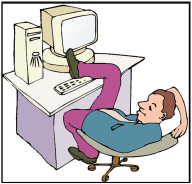
• afraid of competition & being seen as less than ‘perfect’
• are over-sensitive to criticism & afraid of any rejection
• feel misunderstood, invisible or unappreciated
• keep a stiff upper lip, act as if you don’t need support
• lack of ambition or motivation (can be depression)
let others infringe on your rights & take advantage, but then complain bitterly
• often complain about, envy & resent those more fortunate
• pretend something doesn’t matter when inside it does

COMMUNICATION Symptoms
• constantly apologize, over-polite, over-helpful, over-disclosing
• gossipy, two-faced, patronizing, sarcastic, complaining, flippant
have weak or no boundaries, afraid to say NO, both to abuse & to things you simply don’t like or want
• over-controlled/ monotone voice, or too loud & sharp, vague
• resist or have trouble talking about yourself, talk about issues/interests rather than personal thoughts & emotions

Our BEHAVIORAL Symptoms
• busy all the time to avoid emotions, minding everyone else’s business, rush from one thing to the next – OR –
• procrastinating – both for tasks imposed by others,  AND things we say we want to do for ourselves, OR
habitual lateness, unreliable, unpredictable, don’t keep your word
• financially lazy or irresponsible – under-earn, don’t focus on own talents
• visibly ambivalent, indecisive, start in one direction & then shift into another without finishing the first
• won’t plan for your financial future, worry @ $$ but hope for ‘magic fixes’

NEXT: Symptoms – hidden anger toward others