MBTI – Introverts vs. Extroverts

PREVIOUS:
MBTI basics #2b

SITE: ‘Key differences between Es & Is – info for bosses

• “Are Es or Is better salespeople?


NOTE:
In the next 2-3 months posts will focus extensively on the 16 Types, first the 8 Extroverts, starting with 😀ESTP, & then later the 8 Introverts, starting with 🤫ISTP.

🚎/🚗 The charts below outline some of the main differences between the 2 types. These descriptions represent extremes. Remember that most of us are a combination of both, in some proportion (90-10, 70-30, 50-50…..),  favoring one style or the other throughout our lives. Because the 2 groups are bio-chemically pre-set (next post) we clearly express their preferences from the beginning of life – before the harmful effects of our upbringing distort them. But they’re always part of us, so we can reclaim them as we Recover.

ALSO: to understand ourselves well, we need to factor in other character parts that make each of us unique.
Beside the basic MBTI designation (INTP….), each type has a <—- ‘Cognitive Function stack, & a Temperament (Artisan, Guardian….) in combinations of the basic 8 options  (NT, SJ….). Along with the MBTI, each of us also has our own Enneagram Type, Astrology sign, childhood experiences, social environment.spiritual belief,…. & taken together they make up our identity.

EXP: An ENFJ + Christian + Enneagram #8 + Pisces + Numerology 22/4 + an AGoA +++….. G=grandchild 🙂
All-in-one: Inside the Pisces is very soft & passive, but the #8 is tough & assertive. The 22/4 is the entrepreneur, called The Master Builder, while the ENFJ is the Teacher / Giver.  Add in – being Saved, raised by 2 un-recovered ACoAs, an American growing up in 3 post-WWII European countries….  & we get a very different ENFJ or Pisces or #8…. than all the others in the world.

What’s YOUR unique combination?

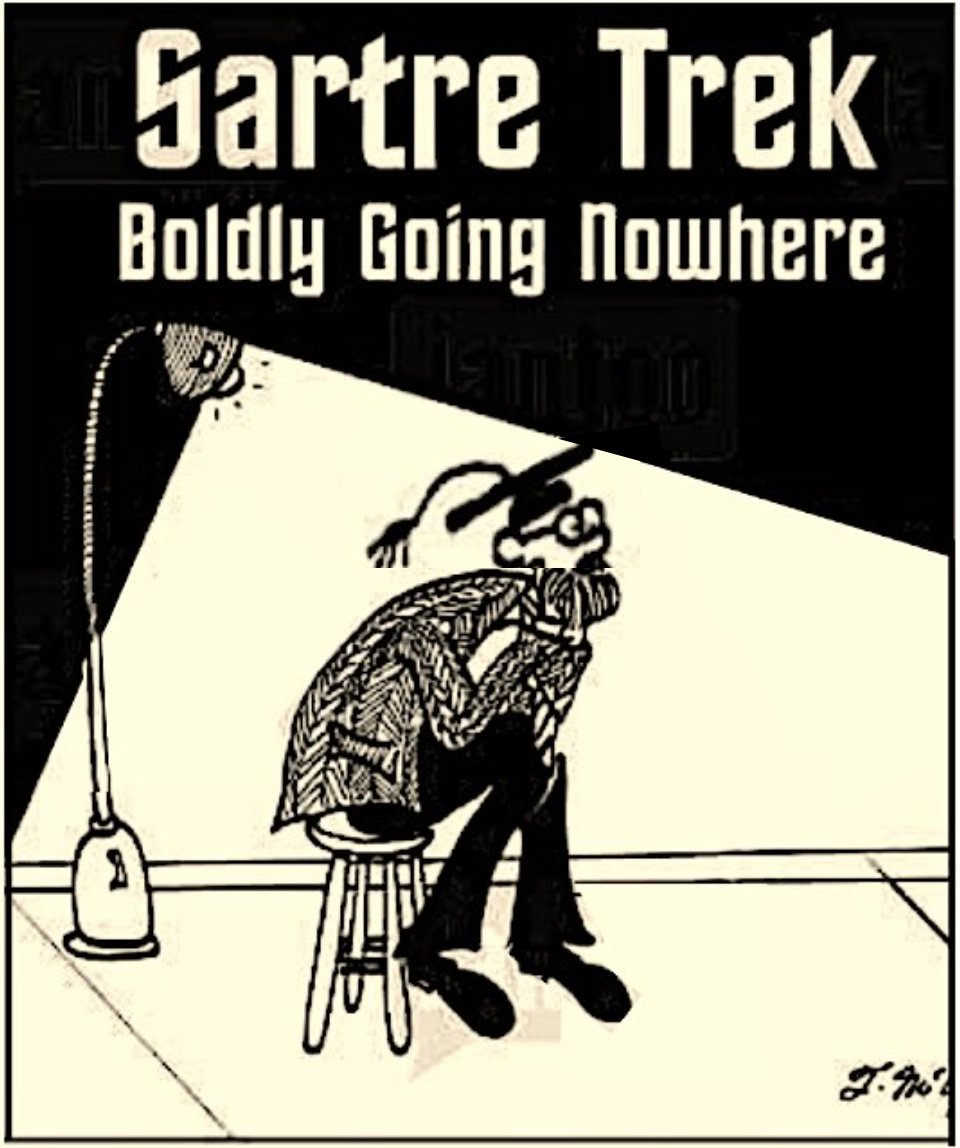
Tongue-in cheek, but not totally : «

«

One of many example of how the 2 styles show up in business / entrepreneurial environments.
«

«
NEXT : MBTI type – ESTP

Myers-Briggs INTRO (Part 2b)

PREVIOUS: MBTI Basics #2a

OVERVIEW of MBTI dichotomies (cont.)

The 2 ‘INNER’  (S-iN & T-F)

2. SENSING (S) vs INTUITION (iN)
The kind of INFORMATION we prefer to gather & trust.
It can be either Introverted or Extroverted (Si or Se / iNi or iNe) , & each part of the Judging style.  We use both, but to different degrees of effectiveness & with different levels of comfort. 

Sensing (S) / Concrete
To be mainly Sensate means that a person primarily believes in the kind of information he/she receives directly from the external world.

They absorb info thru the 5 senses – are detail oriented (micro) types, who prefer to focus on facts & concrete data, wanting to see the hard numbers.
They keep track of available material & resources, appreciate knowing the “HOW” of something, & then do what works. They love to observe, are good at remembering specifics, & understand things piecemeal, working through concepts from the bottom up.

Sensors LOOK for:  how much, how many, how often, what kind….
EXP: When we – taste food / notice a stoplight has changed / memorize a speech / follow steps in a plan / use a map / look up info on Google….

— 🍀
Intuition (N) /Abstract
To be mainly Intuitive means that a person more likely believes the kind of information they gather from their internal, private world.

They’re are highly imaginative, focusing on patterns & the meaning of data, taking in info from impressions, insights & patterns. They start with the big-picture (macro), extrapolating abstract possibilities from a wide variety of ‘real’ sources, understanding concepts using a top-down approach, & data as it relates to other data. They have a grasp on trends, interested in what hasn’t been tried before.

Intuiters ASK: “….for example? / Tell me more, what else should I know? /Why do you say that? “-….  and then echo the response

EXP: Those who find a new way of doing something / think about future implications for a current action / ‘get’ the underlying meaning in what people say or do / see the big picture….

NOTE: Of the 4 dichotomies, at their extremes these 2 opposites cause the most emotional difficulty in any relationship. Such people tend to be highly frustrated by & may even feel disdain for each other’s style. It can be particularly painful for a sensitive child -strongly NF- to be raised by a mother who is strongly ST.

Ns use the same concrete / real-world experiences to ‘see’ things as Ss, but much of it is subliminal, so they can’t always put into words how they reached conclusions – they just know.
✓ To the S this is hocus-pocus, since they don’t trust anything they don’t gather from their own experience or from empirical research, & which can be clearly, logically verbalized.3. THINKING (T) vs FEELING (F)
Preferred way of coming to DECISIONS.
 Can be either Introverted or Extroverted (Ti or Te / Fi or Fe) , & each is part of the Perceiving style
We all use both forms, but put more trust in one, some decisions being made entirely from the T or the F side.

What makes some Decisions very difficult is when there’s an intense conflict between head & heart (T & F), in which case our dominant preference will win.
Easier decisions, the ones that feel good, are usually the result of our T & F sides being ‘on the same page’ (in agreement).

• Thinking (T) – These are the analytical/ logic types – but does not indicate how smart one is.  They tend to make decisions in a rational, impartial way, based on what they believe to be correct info, using pre-defined axioms & rules of behavior, as well as Fairness (everyone treated equally).

Ts assess & analyze whether the info received makes sense & whether or not something works – such as the concept of gravity. Then decisions come from using cause/effect, if/then, true/false choices to for validity.

EXP: Those who research a product via Consumer Reports, buy the best one to meet their needs, whether or not they like it, do the ‘Right Thing’, form guidelines to follow for performing tasks ….   (Re. HATS ➡️ )

— 💛 —
• Feeling (F)
– The importance of info is determine holistically, & perceptions are evaluated based on a sense of harmony, to maintain peace. It’s about making value judgements – whether things are good or bad.
EXP: The person who ‘Feels’ that stealing is right/wrong
NOTE: This MBTI category is not about emotion, but rather a reasoning process handled in the higher brain (cortex). Contrast this with the inner brain’s limbic system which responds to stimuli we (call) experience as emotion.
‘Feelers’ are more empathic (pick up on others’ emotions), make subjective decisions on a case-by-case basis, & use feelings they believe to be right rooted in their own values. Here ‘Fairness’ means that individuals is treated equally.

EXP: When we – buy something because we like it / don’t say something that ‘ll upset another person / decide not to take a job because we don’t like the work environment / decide to move somewhere new to be close to someone we care about….

NOTE:  The Thinking – Feeling level is the only one that generates a gender bias.
The Thinking Woman swims against the current in most areas of life, especially at work. If she’s decisive & objective — she’s branded hard, cold, unfeminine……
The Feeling Male is also disrespected – called soft, weak, a pushover …… for having a caring nature.

NEXT: Intro- Extra-verts

Myers-Briggs INTRO (Part 2a)

PREVIOUS: MBTI Basics #1b

SITE: How Each Myers-Briggs Type Reacts to Stress (& Help!)

NOTE: Each dichotomy is on a continuum, from most….<— to —>most…..

OVERVIEW
The 2 ‘OUTER’  levels (E-I & J-P)

1. EXTROVERSION (E) vs INTROVERSION (I)
Where we prefer to put our ATTENTION, & get our energy from
Extroverts
focus on what’s happening in the real world around them – always in the present moment. Outward-oriented, Es get their mental energy by being around other people & in social situations. They think out loud, so can be quite talkative.

Strongly Extroverted people will gravitate to big events such as rock concerts, have season tickets to sporting events, go to big parties, conferences, loud family gatherings…. energized by conversations, excitement, noise, activities…… After a big events, they’ll look for the stimulation to continue, going on to another location &/or hanging out with friends

EXP: Es can get into a lively discussion or debate while paying attention to what everyone is saying / make a meal for a party / participate in a rally / play a group game / join a study group / lead a class …..
— 💋 —
• Introverts focus on what’s going on inside their mind, which can involve the past, present or future events. They’re usually more private, contained & a lot quieter than Es, but internally very ‘busy’. They get their mental energy from being alone, needing privacy to recharge, preferring to work through ideas by thinking about them first, before expressing them out loud. Large groups of any kind are draining.

Is still need & like people, but want their interactions to be a lot less noisy, less crowded & less chaotic. They can also be found at big events, along with the Es, but after all of that external input they can’t wait to get away & regroup in a quiet environment. If possible, they’ll leave early. And unless they really love it – or if work requires it or family insists – they’re not likely to repeat the experience.

Instead they do very well with 1 or 2 close friends or small groups, because their neuro-chemicals more sensitive. (See Posts ‘MBTI & the Brain’).

This characteristic even shows up in shopping – for an I to be in a store or mall with too many options to choose from  – like ‘Bed, Bath & Beyond’ – can feel just as confusing & overwhelming as being in a boisterous crowd (“Pick me, no pick me., no me…”) !!

EXP:  Is can get caught up in a good book / think about what they’re going to say or do / are aware of how they feel / daydream or imagine / think through a problem to understand it / review & process an interaction they’ve just had ….                                      4. JUDGING (J) vs PERCEIVING (P)
Preferred way of DEALING WITH the world around us,
& can be either Introverted or Extroverted

Judging (J) – These people prefer to be in charge, tend to be highly organized & methodical.
They’re neat, orderly, stable, & like to make extensive use of lists & calendars. They want things to be settled – so they plan & get things done way ahead of time.

EXP: Someone who form & expresses judgments / brings closure to an issue so they can move on / picks places to go ahead of time by doing research / concentrates on reaching goals & ‘doing’ their lists…..
— 👠 —
Perceiving (P) – These people prefer to let things play out by themself. They’re usually spontaneous & flexible, having a more open-ended approach to plans, deciding their next move in the moment, & tend to get things done at the last minute.
EXP: People who postpone decisions to see what other options are available / decide what else to do as we’re doing it, rather than forming a plan ahead of time / do things at the last minute / do a lot of research but not act on it because we can’t decide…..
NOTE: The practical differences between Js & Ps are quite noticeable & sometimes cause a lot of conflict.
EXP : A strongly J person can become very frustrated by a P’s careless casualness or indecisiveness, while a strong P can feel limited & controlled by a strong J , BUT even so will may make use of the J‘s extensive planning & preparedness (like on a trip), which can cause the J to feel angry for being taken advantage of!
On the other hand, a ‘mixed’ couple (one of each – friend, spouse, biz  partners…. ) can be complementary if they’re both mature enough to accept their different styles, & use those to accomplish mutual goals.

The 4 MBTI levels combine into 16 types, 8 Introverted & 8 Extroverted

«
 NEXT: MBTI Basics #2b

Myers-Briggs INTRO – charts (Part 1b)


PREVIOUS: MBTI Intro #1a

SITEs : INFJoe Cartoons

• Each TYPE’s Striving Style 
What makes an extrovert?

REMINDER: When people consistently differ from each other in how they see & interact with the world (different MBTI types), it’s only reasonable that they’ll differ in their interests, reactions, values, motivations & skills.

Our TYPE is Innate, Observable
It can be Influenced
It is not a box, not an excuse
It indicates Preferences, Not skills
It is a life-long Journey
🌈
Detecting  PREFERENCES
Level 1
E
= ‘I have to experience life to understand it’
Work:
Stop by to see me. Communication: Talk it out
I = ‘I have to understand life to experience it’
Work:
Do not disturb. Communication: Thinking it thru
«

Level 2
S = ‘I need to work thru a problem to see a result’
Fun:
This was great for the price. Communication: Specifics
N = ‘I see results/solutions to problems at the beginning’
Fun:
This just gave me a great new idea! Communication: Big picture
«

Level 3
T
= ‘I can be insensitive’.  Work :
She has good credentials. 
Communication:
Logical implication
F = ‘I can be too sensitive’. Boss re. candidate: I like him. 

Communication:
Impact on people
«

Level 4
J
= ‘I run my life.  Work:
Glad this is done’
Communication:
Joy of closure
P = ‘I live my life’. Work: I have plenty of time
Communication:
Joy of process
«

«
From SLIDE SHOW
👨🏻‍🏫   re. WORK — The middle two letters of our specific type are the best predictor of career choice. (
ST, SF, NT, NF )
When we’re in the wrong job for our type the job is harder to do, & makes us feel like a failure. Being in the appropriate job/career guarantees success, even when there are things we may not like about it, or if it takes time & effort to ‘get it right’! (More….)
NUANCES (facets)
TEST : The official MBTI typing instrument is made up of 93 questions. It provides the test-taker with the 4-letter code we’re most familiar with (ISFP, ENFJ….), which stays with us throughout life.
It also identifies where we fall on a continuum of 20 sets of nuances ⬇️, 5 per preference. Using our specific facets puts us in a mid-zone within our type, & allows us to say that — how we act depends on the situation!

EXP: We’re not all typical : some Thinkers are wired to respond with some aspects of Feeling in special circumstances. Some Judgers can be casual when feeling safe (as a P), some Introverts will be gregarious in certain situations (as an E). ….
➤ These possibilities don’t show up in short-form questionnaires

The following CHARTS identify the 40 possible aspects that make up all expressions of personality type, including the out-of-preference/ atypical ones.
Each of us is a unique mixture of our Type’s 20 nuances. It all comes down to brain plumbing.  (more re. Brain in future posts). So, an ESTJ would have 5 Extrovert, 5 Sensate, 5 Thinking & 5 Judging possibilities
EXP:
• You may identify as an Introvert (I), your innate preference, which includes facets normally seen in Is, & some that are outside your type. This means an Introvert could have 4 (I) nuances & 1 usually preferred by Es.

CAVEAT: Popular on-line tests are weak or useless because they condense the # of Qs from the official / correct questionnaire, & also change some of the wording. This leads to homogenizing the outcome. Some people will fit the ‘box’ built into these tests, while others will be slightly off from their pre-set ‘norm’, making the conclusions unreliable. The missing “extra” Qs in the original/ official test, which may seem repetitious, are needed to capture those important nuances of personality type & cognitive function.

ORIENTATION Nuances

COGNITIVE Nuances

  «
MBTE types & D.I.S.C.
(Dominance, Influence, Steadiness, Conscientiousness)


«
NEXT : MBTI INTRO – 2a

Myers-Briggs INTRO (Part 1a)

I‘VE ALWAYS WONDERED why I do things!

PREVIOUS: Psychological Disorders #6

SITEs: M-B: Does it pay to know your type? (includes some MBTI history)
• The Dynamic Basis for Type 

ORIGIN: MBTI is a personality inventory used by psychologists, as well as a tool for self-discovery, made up of 4 dichotomies (8 opposing functions). In yr. 2000, an estimated two million people took the test, making it the most frequently used inventory available. First introduced in 1942, it was the work of mother & daughter Katharine C. Myers Briggs and Isabel Briggs.

It’s based on Carl Jung’s theory of types, outlined in his 1921 work Psychological Types, which said that human behavior follows from an inborn Extroverted (E) or Introverted (I) way of being energized & of interacting with the world. This became the 1st level. (MBTI History….)

*** Jung also identified 2 basic functions of Consciousness
💚 Perceiving: Making decisions – either by Thinking or Feeling (T/F).

👁 Judging: Absorbing info – either by Sensing or Intuition (S/N)

S-N & T-F became levels 2 & 3, which are the core of typing. (MORE….)

Is was Isobel Myers who later listed Judging & Perceiving as separate components, giving us the 4th level. Each preferred function is expressed consciously (T over F, E over I….), while its less desired opposite shows up as behaviors driven by repressed, unconscious parts of our personality (as character defects?) (MORE… )

TOO SIMPLE? At first glance, only looking at the 4 opposite categories (which are on a broad continuum), the MBTI may seem simplistic. BUT – there are many nuances derived from various sets of connections, yielding a valuable range of deeper & more detailed personality insights.

• PREFERENCES: Our ‘mental process’ comes from using MBTI’s 2 middle levels (S-N, T-F), to identify each type’s preferences, from most to least, which form Stacks. The strongest one has the most powerful influence on our personality growth. If allowed to develop naturally, we come to trust this favored style, the Dominant (ENFJ = Extroverted Feeling), & our second most preferred one becomes the Auxiliary (ENFJ = Introverted Thinking).  (More in future posts)

Type falsification: However, too often family, school & culture won’t let us develop on a natural path. EXP: A child who easily prefers the T function will try to make logical, objective decisions, but is made to feel guilty by an F-oriented family for not focusing enough on group harmony & other Feeler values.

So this child grows up devaluing their preferred dominant &/or auxiliary functions, having been pushed to develop other less-natural ones instead. Gradually they’ll ignore & then suppress the ability to trust their inborn decision-making process (T), or not notice & use important T info that could give them throughout life.

This CHART shows how Jung’s Psyche components generate the 4 functions – from a fascinating article of a Jungian analysis of Shakespeare’s ‘Macbeth’, which includes the False Self, a lack of S & I, the Shadow…..

JUNGIAN definitions
🔇 Introversion – A focus of the ego /conscious Self on ones internal world, which includes the collective unconscious & its archetypes. An orientation to life via “subjective psychic content”.

NOT
isolators, not intrinsically shy or withdrawn, Is are however more comfortable living within the ‘limits’ of their inner world of thoughts, feelings, fantasies & dreams. They don’t like crowds, noise & hub-hub, but can be very talkative & sociable on a one-to-one basis.

📣 Extraversion – A concentration of interest in external objects – whereby the ego/overall personality is mainly concerned with gaining enjoyment & satisfaction from what is outside the Self. Es greatly enjoy human interactions – being assertive, enthusiastic, gregarious & talkative.

NOT : automatically socially adept, easy with everyone or know what to say in very situation. Wounded extroverts are likely to sit on the sidelines & wait to be approached, or hide behind work, activities & authority roles.

🌓 🌗 AMBIVERT – for those of us who straddle the Type fence of choices .  Also see: “The Ambivert advantage”

👂🏾 If you want to know what an Extrovert is thinking, just listen.
👄 If you want to know what an Introvert is thinking, you have to ask them.
Read EXPLANATIONS

NEXT: M-B Intro #1b

Mental Health DON’Ts – Emotional (Part 1c)

PREVIOUS: Mental health don’ts 1b

SITEs15 Things Mature Women Don’t Do In Relationships

13 things Mature Men Don’t do


EMOTIONALLY HEALTHY People (EHP)

🔸EHP Don’t Isolate themselves
Many ACoAs cut themselves off from emotional, social, even sexual contact with others – sometimes for decades – because of untreated Laundry List characteristics, mainly weak boundaries (Bs), self-hate (S-H) & fear of abandonment (FoA).
We often confuse damage-isolation with needed down-time, or isolation with Introversion. Healthy Introverts don’t need as much stimulation (lots of people & activities), & can be as social & talkative as Extroverts, just not as much.

world kidsEHP know that periodically being alone is required to process difficult experiences or old emotions, a temporary but important part of personal growth.
They also know that cutting themselves off from emotionally safe & intellectually stimulating PPT (people/ places/ things) for extended periods is a form of ‘starvation’
Even when they don’t have the ideal family or an intimate relationship, EHP regularly make an effort to develop healthy & loving connections with others, perhaps even forming an extended family, making time to create warm & interesting memories.

🔸EHP Don’t Let their Emotions Control them
ACoAs learn, directly & indirectly, to deny & ignore any emotion the family / school / religion disapproves of. In some families it’s anger, in others it’s sadness & the need to be comforted….. This left us with the Toxic Rule “Don’t feel”. Our individual personalities cope with this injunction by either –
— suppressing most or all emotion & living in our head (obsessing), OR
— consumed by accumulated pain to the point of over-reacting to anything upsetting (even the minor ones), being too scared or too angry. That tells us then that – “If it’s hysterical, it’s historical”.
Both extremes come from our WIC, not knowing any other way of dealing with this Toxic Rule. Instead, to be an Emotionally Healthy Person (EHP) the UNIT must be in chargeE. Intelligence

EHP can tolerate discomfort because they hold less old pain & because they comfort themself when distressed. They can identify & accept all emotions, know how to process them & choose how to act, so they’re not controlled by them.

What they think about a situation has a tremendous power to either help or harm. Since emotions are largely generated by our mind (see post T.E.A. & Anxiety). EHP can modify how they respond to their emotions by correction any CDs (cognitive distortions) they may have. Overcoming challenges starts with seeing things objectively, rather than reacting from childhood damage. (ACoA Laundry List)

🔸EHP Don’t Get their Emotions Hijacked
People with high EQ don’t allow the people around them to dictate their emotions. They understand they can’t control the emotions of others, only be responsible for their own, which they stay aware of. They can tell the difference between their own & that of the people they’re dealing with, eliminating confusion. 

🔸EHP Don’t Live in the Past
ACoAs who are still ruled by the WIC & the PP think, feel & act as if they are still 5, 10 & 15 yrs old – still living in their dysfunctional family. Most of the time our responses to present day events – positive, negative or neutral – are the same as when we were kids, because we project our family on to all current relationships.

As unhealed adults, ACoAs repeat the life-patterns set out for us by our family & other sources, which caused us to take many wrong turns – in the form of repeated painful relationships, self-harm, deprivations….. While our history contributes to out over-all makeup, we are NOT our damage.

EHP avoid wasting mental energy on past disappointments, real ‘wins’ OR in fantasies of the ‘good old days’. They’ve carefully evaluated both the distresses & the valuable experiences of earlier years, so now they can invest most of their energy in creating the best possible present & future. They tend to have a mindful, attentive way of engaging with the world. Being ‘present’ allows them to see things as they really are.

NEXT: Myers Briggs INTRO, #1a

Mental Health DON’Ts – Emotional (Part 1b)

Screen Shot 2016-07-03 at 1.37.13 AM
MENTAL HEALTH
is easy – and fun!


PREVIOUS: EHP – Part 1a


SITE: Physiology and Biology of Mental Toughness


REMINDER: To be Mentally/ Emotionally well we need to develop the Healthy Adult & Loving Parent (UNIT). What the “Don’ts” represent are characteristics of our damage, run by our WIC (Damaged Child) & PP  (Introject) – but can be corrected.
Understanding the specifics of our childhood traumas helps to accept the reality that we can’tJust do it’ or ‘Just let go’. All of Recovery is a process – for everyone.
ALSO, each of us will have our own specific issues that are definitely more deeply ingrained than others & will therefore take longer to heal. Some will never go away, but can be greatly diminished, & we can learn to manage them whenever they do surface.

EMOTIONALLY HEALTHY People (EHP):
🔸EHP Don’t thrive on chaos
Successful people simplify life. They know that having as much order as possible in all parts of their life allows then to accomplish their goals, & not have to waste time looking for things or dealing with emotional drama.happy/sad

🔸EHP Don’t try to be happy all the time
One of the coping mechanisms for ACoA is the try to be ‘UP’ or ‘positive’ all the time. This usually applies to the Hero (Toxic Role) or the “Good girl/boy” false persona. This is as unrealistic as being miserable all the time. It’s just another way to deny having a wide range of emotions. For every ACoA, no matter our style, our underlying emotion is fear/terror. So we try to feel safe before we can truly be happy.

No one is happy all the time. Feeling peaceful & content – a day at a time – does not mean having no complaints, dislikes or distress. EHP don’t try to avoid painful emotions but incorporate them in an effort to be whole, to honor their True Self. They know that happiness, victory & fulfillment are a wonderful, valuable part of life, but not the whole story.

EHP learn from their ‘mistakes’ & correct distorted thinking, so avoid repeating harmful patterns. This may include making amends to others (AA’s 8th & 9th Steps) & forgiving themselves for ignorant or stubborn adherence to their Toxic Rules, so they no longer have to obsess about what happened in the past.
EHP know this takes time & need patience & perseverance to always be moving forward, no matter how slowly. One 12-Step slogan says: “Look back but don’t starelive in the present”.
Some benefits from thinking about the past can be: identifying the lessons, considering facts not just emotions, & looking at PPT from a new perspective.

🔸EHP Don’t violate / sacrifice personal values
Each of us have more than one value system – what we were taught by our family, by our religion, our early social environment, AND what we develop in ourselves from our Core Truth. Some of these may overlap, some may not. The problem for ACoAs is that we are either not allowed to find out what we truly believe, or more often have been so brainwashed by our toxic upbringing that we’re not allowed to live according to our personal beliefs even if we know what they are. (Core Values lists)

EHP have figured out what they consider important – even essential – to their identity, for themselves & in relation to the rest of the world. A value is a belief, a mission, or a philosophy that is meaningful but not always conscious – as many are taken for granted. They know that their personal Core Values are not automatically the same as that of other people or institutions, & they don’t try to impose them on others.

They do NOT value the impossible, like perfectionism, eternal human love, fairness…. They know everyone falls short sometimes, so they get back on the horse when they don’t live up to their ideals, & are also patient & forgiving to others when they also fall short.

NEXT: MENTAL health Don’ts, 1c

Mental Health DON’Ts – Emotional (Part 1a)

live wellLIVING WELL
is the best revenge!

PREVIOUS: Psych Disorders #6

SITE: 10 Things (physically) Healthy People do differently

SOURCE: Composite of many lists, including Amy Morin’s “13 things Mentally Strong people Don’t Do.” – about being in charge of our thoughts, emotions & actions (T.E.A.)


EMOTIONALLY HEALTHY People (EHP)
:

🔸EHP Don’t Avoid Alone-Time
Many ACoAs are addicted to relationships & to staying busy, no matter how unsatisfying or damaging. They always need to be with or around someone, rescuing others or creating chaos, running away from themselves or desperate to hang on. They never seem to slow down enough to feel emotions, evaluate their motives or stop self-defeating behaviors.

ACoAs in Recovery often say they don’t know what to do with unstructured hours – because it’s for just themself. They feel depressed, too lonely, can’t decide what to do, aren’t allowed to have fun or relax….. wasting precious time on weekends or holidays, & then go back to their rat-race. Even those of us who are highly accomplished & talented are motivated by fear, rather than self-esteem.

But EHP treasure time by themself – to reflect, plan ahead, have alone timefun, be creative, do something not related to their work-life, OR just rest! And there are times when it’s truly necessary to pull back in order to allow internal healing, but it’s not endless.

EHP don’t need others to give them a direction or make them feel OK. They can be happy with others, but also happy alone. They’re comfortable with their thoughts & emotions, & when stressed they know how to comfort themself. They know that changing their routine or ‘vegging’ is crucial to mental & physical health. They know that play is part of a well-balanced life, so don’t need to be constantly ‘producing’ something to validate their existence.

🔸EHP Don’t Feel Pessimistic
ACoAs are more likely to see themself (S-H), others & the world from a negative point of view (hopelessness & some paranoia). The adults we grew up with either ignored us or were judgmental of everyone & everything, so we took on the same perspective. This means ignoring all the positive things available in life, including the good things that we have experienced.

EHP generally feel optimistic about their life & their future, without ignoring stresses or hoping for magic outcomes. They don’t let temporary difficulties or unimportant annoyances get them down – at least not for long. They know that obstacles are part of life, so they make an effort to solve whatever they can, & accept what they can’t change (Serenity  Prayer – backwards??).feel positive
They don’t focus on their weaknesses – while still acknowledging them. No one can be perfect, so they don’t waste time trying. Instead, they continue working on improving themselves rather than feeling defeated.

🔸EHP Don’t Feel Sorry for Themself
There’s a difference between feeling sorry for ourselves & healthy compassion for all we’ve been thru. The Victim’s outlook is that they can’t function because of being abused. While their childhood trauma was real, as adults they refuse to work on healing those wounds, which would improve their present & future. Their ‘position’ is that as long as they’re ‘incapacitated’ someone else will have to take care of them. If no one does, they stay helpless & depressed.

🔸EHP compassionately acknowledge past distress, while fully accepting the unfair & painful truth that they’re responsible for cleaning up the PMES mess their unhealthy family passed on.  compassionThey’re able to emerge from stressful circumstances with self-awareness & self-respect, even appreciating the lessons they’ve learned. When things don’t go well in the present, they find realistic ways to manage, get the support they need, & believe in their worth – no matter what.

They ALSO know it’s OK to feel sorry for oneself briefly from time to time, especially after an event that’s out of their control. It’s important to lick their wounds to regroup & regain strength, before moving on. EHP have gratitude for their positive qualities & the good thing they already have.

NEXT: EHP – Part 1b

Psychological DISORDERS – Psychotic (Part 6)

I CAN’T TELL
what’s real any more!

PREVIOUS: Disorders 5c

SITE: 12 types of psychosis


3. PERSONALITY DISORDERS
4. SOCIOPATHS & PSYCHOPATHS

5. PSYCHOTIC
Psychosis is a severe mental illness caused by a combination of inherited genes, & things a person has experienced or been exposed to in life (traumatic birth, poison, diseases of the nervous system such as epilepsy & Parkinson’s, syphilis, drug use, severe social changes/ traumatic events…..)

It’s a group of extreme disorders expressed in abnormal thinking & perception – a gradual inability to distinguish oneself from one’s surroundings, ie. losing touch with reality. Psychological defenses become overloaded by stress & the sufferer breaks down, making it hard to separate their thoughts & experiences from what’s going on outside of themself. The most common form is Schizophrenia. (See site above)

Psychosis may or may not be a part of other mental illnesses as well, such as Bipolar, suddenly after a major stress, post-partum depression (about 1 in every 1,000 mothers, within a few weeks after giving birth), when using or withdrawing from drugs….

People in the grip of psychotic disorders experience themselves & the world very differently from psychopaths & sociopaths, who are usually very grounded in reality, understand what they’re doing & the consequences of their actions, but just don’t care.
EXP: A psychopath or a sociopath might kill someone’s dog because they want to cause emotional trauma to the owner
• A psychotic might kill the dog because they thought it was robot sent to take over the world

While it’s not so easy for a person with a psychotic disorder to recognizing their own symptoms, they are acutely aware of experiencing pain & fear, which may cause the person to hurt themself or others. It can be a one-time ‘break’, episodic, or long-term.
As of 2023, around 3% of the people of the United States experience at least one psychotic episode during their lives, mostly teenagers & young adults  (about 100,000 every year)

Disordered thinking
Delusions – fixed beliefs & ideas that are usually false, including religious or persecutory, or a false belief of superiority.
EXP: convinced someone’s plotting against them, that the TV is sending secret messages, seeing a ‘spiritual’ entity, being watched by the police because of the way cars are parked outside the house…..
Thoughts are confused, blurred or difficult to express, can seem to speed up or slow down, or a belief that thoughts aren’t their own. They have memory loss or amnesia, trouble concentrating, following a conversation

Speech is often rapid & frenzied, slurred or jumbled (word-salad)
Suspiciousness – being worried or even scared of everyone they know, including family & friends. Feel uneasy without knowing why
Superstition – belief in the unreal includes: confusion about dreams, thinking that others can read their mind, frequently experiencing déjà vu, thinking that small random events have meaningful connections, & often come up with far-fetched theories about why things happen

Disordered behavior
Physical – disorganized or compulsive behavior, repetitive movements, self-harming, slow movement in activity, or lack of restraint
Reactions can be infantile, prone to insults & swearing. They forget self-care such personal hygiene & housework, will be disoriented
Social impairment – isolated, trouble with social situations, don’t conform to behavioral standards or respond correctly to social cues

Exaggerated /unreal experiences
Hallucinations – false perceptions, affecting the 5 senses, experience more intensely what’s real.  Hear, see, feel something that’s not there, which can cause fear & paranoia
EXP: Interpret everyday sounds as having new or special meaning, hear something louder than it actually is, shadows are seen as human figures…..

Hypochondria an irrational / exaggerated fear of having or getting a disease or illness, causing them health-related anxiety, constantly looking for symptoms, or anything that might harm their health.

Mood changes
Emotions – general discontent, lack of normal emotional responses, loss of interest or pleasure in activities. Tendency to be irritable & aggressive, including anger, anxiety, apathy, feeling detached from self,  inappropriate emotional responses such as easily agitated when being talked to

Shifts in mood often throughout the day, in 2 phases: a manic period (high), feeling happy & energized — followed by low mood, feeling sad & dull, with loss of appetite or trouble sleeping.

NEXT : Myers-Briggs – INTRO

Psychological DISORDERS – Psychopathy (Part 5c)

IT’S IMPERATIVE
I know what to look for!

PREVIOUS: Personality Disorders (Part 1)

SITE:  “Grey rocking – if you can’t go No-Contact” (re. NPDs)
* “Grey rock method of dealing with a Psychopath”


4. SOCIOPATHS & PSYCHOPATHS (cont)

4b. PSYCHOPATHS (cont)
(PS) ORIGINPsychopathy is generally considered a combination of genetic & chemical imbalances. Scans of PS brain show the section responsible for impulse control & emotions (compassion & remorse) is not developed.  So they lack the proper neurological framework to form a sense of ethics and morality.

PSs are born with cortical under-arousal, with temperament characteristics such as impulsiveness & fearlessness, leading to a lot of risky activities.
Also, t
hey don’t ‘get’ (internalize) social standards of behavior, making it impossible to function appropriately. They’re just as likely to hurt their family & friends as they are strangers (MORE….)
IMP: PSs are not ‘insane’, as in losing touch with reality, like in psychosis

(PS) EMOTIONS
IMAGEs, side view —->  In the extreme, Cluster B  PD people suffer from a brain anomaly dramatically minimizing their clear-thinking ability & stunting the core personality. The anomaly is called Cave of septum pellucidum, causing the meso-temporal lobe to be diminished or starved. This scan shows reduced amounts of ‘grey areas’ in the prefrontal cortex & temporal poles, areas that normally play a vital role in expressing emotions & governing moral behavior.
<—- Top view : Affected people are not capable of awareness of consequences, guilt, genuine self-worth, self-consciousness, introspection … nor attachment to, empathy with, concern for, or even ‘like’ – much less genuine feelings of love – for anyone. Other people have no meaning for the PS except to be used for personal gain. And without a conscience, there’s nothing internal to stop them from doing horrendous things to others, & believing that it’s ok. (VIDEO of child psychopath)

(PS) SOCIAL
FROM ‘Ms No world Order‘ website: “They can be found in every culture, race & socio-economic levels. They thrive in a collective environment, & are common at the top of most power structures – corporate, government & religious. (Careers that attract PS ➡️ )

Psychopaths are manipulative & can easily gain people’s trust because they’ve learned to mimic emotion, & so appear “normal” to the unwary. They’re often educated & hold steady jobs. Some are so good at faking & conning that they can have families & other long-term relationships without those around them ever suspecting their true nature. (Dexter)

These are the people we most associate with aggressive, perverted, criminal, or amoral behavior, without empathy or remorse. They’re angry & deeply abnormal (unhealthy), who need to have control over others & cannot nor want to sense other people’s feelings, getting high off of their anti-social actions.(MORE….) CATEGORIES
1. Distempered PS
Primary:  violent predators, don’t respond to punishment
Secondary: risk-takers, are violent, but fear getting caught
2. Charismatic PS
Primary : can live the ‘big lie’
Secondary : can tell the ‘small lie’ & live with it

TYPES
Abrasive – like to be different, can’t be trusted, will insult… to win an argument, always proud when they come out on top. They have no remorse – even for the greatest cruelty
Explosive – immediate & frequent access to their rage – taking it out on whoever is available. They can erupt unpredictably, & are savage when loosing control, taking down a victim before the person knows what just happened.

Malignant – driven by paranoia, but change their beliefs & pt. of view depending on how much they ‘like’ someone. Unlike other PSs, their methods are ineffective & backfire on themself. They’re been the victim of terrible abuse from others & so are terrified of everyone, which creates elaborate & horrendous revenge fantasies, which they obsess over but don’t do

• Malevolent
– cold-blooded & ruthless, paranoid &/or sadistic, they’re much more controlled than the Explosives. They’re terrified to feel positive emotion which they think will make them weak. AND they’re convinced that the purpose of tender emotions in others (love, kindness, sympathy…. ) are only expressed in order to manipulate the PS, another reason to hate feelings.
They love power & get off on mistreating others. If they don’t get what they want they’ll react with arrogance, contempt & cruelty, so this category includes many murderers & serial killers.

Tyrannical – cool, cunning & inherently violent, they’re turned on by the vulnerability of others. They’ll only target people to prey on who they sense will capitulate, & avoid resisters. Their victims must totally submit or join the PS as the weaker ‘partner’, delighting in their victim’s humiliation & intimidation. They relish the suffering of others, often keeping a token to relive an abusive experience.
Modified FROM Quantumcast – video


 NEXT: Personality Disorders (Part 3)