Psychological DISORDERS – Psychopathy (Part 5c)

IT’S IMPERATIVE
I know what to look for!

PREVIOUS: Personality Disorders (Part 1)

SITE:  “Grey rocking – if you can’t go No-Contact” (re. NPDs)
* “Grey rock method of dealing with a Psychopath”


4. SOCIOPATHS & PSYCHOPATHS (cont)

4b. PSYCHOPATHS (cont)
(PS) ORIGINPsychopathy is generally considered a combination of genetic & chemical imbalances. Scans of PS brain show the section responsible for impulse control & emotions (compassion & remorse) is not developed.  So they lack the proper neurological framework to form a sense of ethics and morality.

PSs are born with cortical under-arousal, with temperament characteristics such as impulsiveness & fearlessness, leading to a lot of risky activities.
Also, t
hey don’t ‘get’ (internalize) social standards of behavior, making it impossible to function appropriately. They’re just as likely to hurt their family & friends as they are strangers (MORE….)
IMP: PSs are not ‘insane’, as in losing touch with reality, like in psychosis

(PS) EMOTIONS
IMAGEs, side view —->  In the extreme, Cluster B  PD people suffer from a brain anomaly dramatically minimizing their clear-thinking ability & stunting the core personality. The anomaly is called Cave of septum pellucidum, causing the meso-temporal lobe to be diminished or starved. This scan shows reduced amounts of ‘grey areas’ in the prefrontal cortex & temporal poles, areas that normally play a vital role in expressing emotions & governing moral behavior.
<—- Top view : Affected people are not capable of awareness of consequences, guilt, genuine self-worth, self-consciousness, introspection … nor attachment to, empathy with, concern for, or even ‘like’ – much less genuine feelings of love – for anyone. Other people have no meaning for the PS except to be used for personal gain. And without a conscience, there’s nothing internal to stop them from doing horrendous things to others, & believing that it’s ok. (VIDEO of child psychopath)

(PS) SOCIAL
FROM ‘Ms No world Order‘ website: “They can be found in every culture, race & socio-economic levels. They thrive in a collective environment, & are common at the top of most power structures – corporate, government & religious. (Careers that attract PS ➡️ )

Psychopaths are manipulative & can easily gain people’s trust because they’ve learned to mimic emotion, & so appear “normal” to the unwary. They’re often educated & hold steady jobs. Some are so good at faking & conning that they can have families & other long-term relationships without those around them ever suspecting their true nature. (Dexter)

These are the people we most associate with aggressive, perverted, criminal, or amoral behavior, without empathy or remorse. They’re angry & deeply abnormal (unhealthy), who need to have control over others & cannot nor want to sense other people’s feelings, getting high off of their anti-social actions.(MORE….) CATEGORIES
1. Distempered PS
Primary:  violent predators, don’t respond to punishment
Secondary: risk-takers, are violent, but fear getting caught
2. Charismatic PS
Primary : can live the ‘big lie’
Secondary : can tell the ‘small lie’ & live with it

TYPES
Abrasive – like to be different, can’t be trusted, will insult… to win an argument, always proud when they come out on top. They have no remorse – even for the greatest cruelty
Explosive – immediate & frequent access to their rage – taking it out on whoever is available. They can erupt unpredictably, & are savage when loosing control, taking down a victim before the person knows what just happened.

Malignant – driven by paranoia, but change their beliefs & pt. of view depending on how much they ‘like’ someone. Unlike other PSs, their methods are ineffective & backfire on themself. They’re been the victim of terrible abuse from others & so are terrified of everyone, which creates elaborate & horrendous revenge fantasies, which they obsess over but don’t do

• Malevolent
– cold-blooded & ruthless, paranoid &/or sadistic, they’re much more controlled than the Explosives. They’re terrified to feel positive emotion which they think will make them weak. AND they’re convinced that the purpose of tender emotions in others (love, kindness, sympathy…. ) are only expressed in order to manipulate the PS, another reason to hate feelings.
They love power & get off on mistreating others. If they don’t get what they want they’ll react with arrogance, contempt & cruelty, so this category includes many murderers & serial killers.

Tyrannical – cool, cunning & inherently violent, they’re turned on by the vulnerability of others. They’ll only target people to prey on who they sense will capitulate, & avoid resisters. Their victims must totally submit or join the PS as the weaker ‘partner’, delighting in their victim’s humiliation & intimidation. They relish the suffering of others, often keeping a token to relive an abusive experience.
Modified FROM Quantumcast – video


 NEXT: Personality Disorders (Part 3)

Psychological DISORDERS – Psychopathy (Part 5b)

I HAVE TO STAY AWAY
from the ones who don’t care

PREVIOUS: Disorders #5a

SITEs: “Confessions of a Sociopath…..

• When a Christian meets a Sociopath
(excellent info for anyone spiritually oriented, no matter of what ‘faith’)


3. PERSONALITY DISORDERS

4a. SOCIOPATHS (Ss) (cont.)
(S) GENERAL
• an excellent story-teller, presenting self as the hero with high standards
• can easily manipulate good-hearted but unwary people into feeling sorry for them / worried & afraid / guilty / confused / ‘crazy’
• easily bored & needs constant stimulation
• fun, entertaining, super polite when meeting people
• gives the impression everyone owes them (you)

• has several short-term relationships or marriages
• impulsive, irresponsible, sexually promiscuous
• is a user, taking a lot from & giving back very little
• lacks realistic long-term goals, always scheming but often failing
• never takes responsibility, & turns the blame back on others 
• takes advantage of kindness & empathy, never apologizes
AND : sometimes you suspect they don’t really care about you!

SITEs: “S. def & signs” // “4 Phrases S. use to kill your confidence

(S) EMOTIONALLY
• are volatile – prone to emotional outbursts, including fits of rage
• can be too anxious, leading some to isolate themself
• can feel some caring & guilt, but aren’t strong enough to prevent their impulsivity & erratic behavior (unreliable)
Many writers say that Ss can’t make emotional connections at all, & this is true to some extent, but is usually when Ss& PSs are lumped together. Ss do not have respect for society in general, & won’t feel guilty when harming a stranger or breaking the law in any form.

However, some Ss can become attached & develop loyalty to a like-minded person or group (mentor, gang, parent they’re symbiotic with – no matter how abusive….), so the S. may feel remorse if they do something to hurt those special ones.

(S) SOCIALLY
Sociopaths’ disturbing traits may have been visible from childhood in acts of cruelty to animals, property or people. They make up about 4% of the world’s population – individuals who ruin lives, causing extreme emotional trauma – simply because they don’t care. They disrupt relationships, creating emotional & financial crises. At worst they perpetrate vandalism, theft, rape or murder.

Sociopaths know exactly what they’re doing & know the difference between right & wrongtechnically – but can’t judge the morality of a situation because their inner ‘compass’ is so skewed. They’re social predators who exploit just about everyone they deal with, altho’ most never kill anyone. They have no heart, no conscience & no remorse. Even tho’ their attitude toward others is not necessarily malicious, the outcome of they behavior is, since they treat people as objects.

The very clever ones make great con-men & women, able to act sincere in ways that fool others into believing they both have the same values. Instead, they’re conniving, deceitful, often pathological liars, despite seeming trustworthy & sincere. Without empathy, they take no responsibility for their actions, & can easily turn the tables, without guilt or shame, accusing the other person for causing their own misery.

They are great actors who can mimic emotion & empathy, masters at superficial pleasantness & manipulation – but instinctively rule by fear, at home or at work. This is why they can be so successful in their career – it helps to look the part while not really caring about other people’s feelings. Alternating between being charming & terrorizing, family or work staff are too intimidated to point out their abusiveness or to stand up to them. It’s theorized that the top of the corporate food chain has a higher than average number of sociopathy than in the general population. (MORE…..)

Since sociopaths (& psychopaths) are absolutely sure there’s nothing wrong with them, they are not ‘curable’ – so it’s a waste of time to try. The only option in dealing with them is to insist on putting limits on their actions, OR just staying out of their away.
SITEs: “How to beat a S. at their own dating game
• “6 things to know about dating a sociopath”
5 Things Ps & Narc. do in conversation 

💭  ❎  🗯️
4b. PSYCHOPATHS –
MAIN TRAIT
• “The LIE  (the more elaborate, the better) is the primary weapon used to snare their victims, & the inner justification for their right to cause harm. (like Bernie Madoff)
To a PS, lying is as easy as breathing, since they have no physiological reaction to thinking or expressing falsehoods (no blushing, heart racing, sweating). When caught, they just create more ‘stories’. They can be Narcissist, Victim, Con-artist or Professionals (politics, religion, sales….. )”  Continued in 5c
SEE posts Red Flags from PSs

NEXT: Disorders #5c

Psychological DISORDERS – Psychopathy (Part 5a)

PSYCHOPATHS & SOCIOPATHS
are mentally & emotionally dangerous

PREVIOUS: Personality Disorders (Part 4c)

POSTs on Emotional Immaturity 

SITEs: “8 Diversion tactics used by NPDs, PSs & Ss to manipulate you into silence”
• “One in 25 of you is a sociopath”
• “How to deal with a PS

3. PERSONALITY DISORDERS

4. SOCIOPATHS (Ss) & PSYCHOPATHS (PSs)
Sociopathy  – a pervasive & persistent disregard for morals, social norms, and the rights & feelings of others

Psychopathy – characterized by amoral & antisocial behavior, extreme egocentricity, an inability to love, failing to learn from experience….. 

These are both antisocial PDs, at the far end of the spectrum. The FBI identifies them as sensation-seeking, with predatory behavior, a lack of remorse & the need for control or power over others. There is some debate as to whether they’re fundamentally different or just different in degree of mental illness. While there are overlaps, & psychiatrists often considering them as the same, criminologists treat them differently because of  their outward behavior.

Some Ss & PSs will seem cold, indifferent & mysterious, but not all – because they can be very skilled at social camouflage. Around the average, unaware ‘normal’ they can hide in plain sight, such as being the perfect neighbor or partner. But it’s all a con job, using fake charm to achieve whatever their goal happens to be in each situation.

SIMILARITIES ✥  They:
• are completely self-serving & don’t care about putting themselves or others at risk
• don’t feel guilt or remorse
• begin to show up around age 15, & may start with cruelty to animals
• can be charming, despite being unable to empathize with others
• can have intense emotional outbursts, or be violent
• convincingly seem to show fear or disgust, but lack both
• disregard laws, social mores, conventions & the rights of others
• some can be treated with medication, & sociopaths perhaps with therapy
(Artwork by Chato Stewart)

Lisa E. Scott’s article “Narcissist or Sociopath? What’s the Difference?”  suggests that Narcissists are a subset of Sociopaths. The following distinction can be useful, altho too simplistic:
“Narcissists see others as a means to validate their existence. The less validating you are, the less useful you are to them.
Sociopaths see others as entertainment. The less entertaining you are, the less useful you are to them.”

NOTE: If someone complains about being abused by a S or PS, they’re not likely to be believed because those types often seem to be so friendly – even helpful! HOWEVER – Superficial pleasantness is one of the top criteria for both disorders. Often these anti-social predators will appear nicer, more honest & more interesting than the person they’re abusing!

Shannon Thomas (Salt Lake City therapist) says: “Narcissist, Sociopaths & Psychopaths are notorious for picking targets that initially boost their ego. It could be someone’s appearance, age, intellect, career success, family & friends….
Once the target is hooked, the toxic person sets out to tear down the exact qualities that attracted them to their victim in the first place. It’s entertainment for the abuser to destroy an originally healthy & happy person.”
⬅️ Classic — See how she’s sitting forward & he’s not?!

NOTE: Co-dep ACoAs make the best targets. Without a strong sense of identity (“I don’t know who I am”), we will look to anyone who initially makes a fuss over us, guides & helps us (controlling) & makes us feel needed. But without Recovery we’re just sitting ducks, manipulated & then thrown away. So we feel abandonment devastation & think: “See – I knew I was defective!”

DIFFERENCES
S – SOCIOPATHS
ORIGIN: Sociopathy can either be congenital (inborn emotional deficiency), or from brain injury or lesions. But most often it’s developed – from a combination of family tree inheritance, the child’s personality makeup, & either very low or very high intelligence. Negative social factors : a severely destructive early family life, poverty, lack of education, direct exposure to violence to self & others, delinquent peers…..

Continual abuse & neglect retard / injure neurological growth in children, affecting the autonomic nervous system, resulting in long-term physical & psychological damage. (“abuses scar the brain….). Sociopathy can be caused BY :
— years of  childhood trauma, as well as parental addictions, dissociation, narcissism, …. OR
— damage in the form of parental over-protection, over-indulgence, lack of boundaries, emotional unavailability….. (Continued in #5b)

NEXT: Disorders #5b

Psychological DISORDERS – PDs (Part 4c)


IF I REALLY WANT TO GROW
I have to crack thru my walls

PREVIOUS: Disorders #4a

SITEs : PDs PLAY DEFENSE
• EnneaType DEFENSES


2. NEUROSES


3. PERSONALITY DISORDERS (PDs)
(cont.)

The Five Factor Model (FFM) groups human characteristics into:
1. Openness – re. Intellect
2. Conscientiousness – re. dependability
3. Extroversion – re. hi levels of positive emotions
4. Agreeableness – re. sociability
5. Neuroticism – re. emotional stability  (MORE…. w/ assessments)

SIDEBAR: A study of 468 young adults at risk for becoming alcoholics used a questionnaire based on the FFM.  It was designed to correlate: risk for alcoholism, alcohol-use disorder, & alcoholism subtyping . Some results:
• Familial risk for alcoholism was positively associated with openness, and negatively associated with agreeableness & conscientiousness.

• Alcohol use disorders were positively associated with neuroticism, and negatively associated with agreeableness & conscientiousness.

With the exception of family alcoholism, & a dual diagnosis with Antisocial PD  • all other alcoholic subtypes related to at least one of the 5 FFM.

E.M.Jellinek’s (1960) 5 SUBTYPES of alcoholism :
🍷ALPHA : Based in mental & emotional problems, drinking to drive away depression, stress, or anxiety
🍷 BETA: almost daily heavy drinking, leads to various physical & psychological symptoms
🍷 GAMMA: sudden cravings for alcohol after 1 or 2 episodes of ‘social drinking’, becomes continual drinking, drunkenness & full-fledged alcoholism

🍷 DELTA: the habit of drinking small amounts throughout the day, without ever really getting drunk. Like Gamma, but with inability to abstain, instead of loss of intake control
🍷 EPSILON: ‘periodic’ – drinking at regular intervals until they pass out completely – called dipsomania, but are sober more often than drunk

ALSO: 5 types of alcoholics, re. ‘Progressive Symptoms

PD develops from :  Environmental, genetic, pre-natal factors, as well as unhealthy parenting (no affection + harshness). Pathology is the extreme reverse of the BIG 5 :
1.PSYCHOTISM (➖ Openness – mental lucidity)
Eccentricity / Unusual or unrealistic beliefs & experiences

2. DIS-INHIBITION (➖ Conscientiousness)
Distractible / Impulsive / Irresponsible / Rigid perfectionism / Risk taking 

3. DETACHMENT (➖Extroversion)
Avoid intimacy / Depressed – long term / Joyless / Limited emotional range / Suspicion-paranoia / Withdrawal

4. ANTAGONISM (➖Agreeableness)
Attention seeking / Callous / Deceitful / Grandiose / Hostile / Manipulative

5. NEGATIVE AFFECT (➖ Neuroticism – emotional stability)
Anxious / Over-reactive w/ mood swings / Persistent talking or movement / Hostile / Submissive / Separation anxiety
💚
PDs & DEFENSES 
In the present – staying entrenched in defenses means the walls of the castle are high, the gate is up & the alligators are in the moat.
This makes it very unlikely you can take in another point of view – which is all that matters to you – (such as aBR), to keep everyone from adding to your vast pile of insecurities.
Where are your INNER archers & guys with the vats of boiling oil? 

NEGATIVE Toxic Beliefs lock us inside our armor, keeping us from being flexible in our thinking or adaptable in our actions. They lead to a defensive stance in life, as a dysfunctional way of protecting ourselves. Each PD can use one or more Defense Mechanisms to maintain their False Self .
EXP: NPDs & Anti-soc PDs share mirror image-distorting defenses – such as Omnipotence or Devaluation
— NPD uses Splitting of self-images, & Anti-Soc PD uses disavowal defenses like Denial
— Borderline is also strongly associated with image-distorting defenses, mainly Splitting & the hysterical level defenses of Dissociation & Repression

The following list is similar to the one in Part 4a, but here it’s referring to core statements which are each type’s defense (7 out of the 10 PDs, including defensive statements, as well as healing goals for each)

AVOIDER: “I don’t want to be hurt, ever, because I can’t bear it”
BORDERLINE: “No one is allowed to leave me, no matter how much I mistreat them”
DEPENDENT: “Please take care of me”

HYSTERICAL: “Please pay attention to me
NARCISSIST: “Please help me achieve success because I’m special”
OCD : “I act right & the world would be a better place if everyone else did too”
PARANOID: “It’s important to keep myself safe – people are not trustworthy & the world is dangerous”
«  

 NEXT: Disorders 5a

Psychological DISORDERS – PDs (Part 4b)

TRYING TO BE SOCIAL
is such hard work!

PREVIOUS: Disorders #4a

SITE: ‘Somatization’ & Psych terms used as swear words

HUMOR: 35 Undiagnosed Medical Conditions of Disney Characters 

1. NORMAL // 2. NEUROSES

3. PERSONALITY DISORDERS (PDs) (cont)
PDs describe types of ‘damage’ in adults who have long-standing problems in forming deep, meaningful, positive relationships with others. These people often show unusual, rigid or extreme patterns of thought, emotional reactions, &/or impulsive behavior, which consistently lead to problems for themself & others

● The brain uses Self-concept as a guide for interpreting the world. People with this diagnosis have a wounded core identity. How dysfunctional they are depends on how intensely they act in self-defeating ways.  
= At one extreme – some PD people assume they’re invulnerable & have a right to feel superior. They’re insulated in their carefully built shell of defenses, and flatly deny having a wounded core

= However, most feel empty, bad, ‘not right’ in their basic sense of Self.  Their sense of badness has a physical quality – as if it’s in their very bones or cells. They they truly believe it they’re not, & say there’s never been a time when they felt OK.
Transactional Analysis theory explains that this sense of wrongness comes from their WIC’s child parts (C1 or C0) – the most vulnerable aspect of personality. So this feeling is ego-syntonic – it ‘makes sense’ to them on a gut level, with no inner conflict, as there is with neurotics. So the damage started very early, likely at birth (Co).

Using the Gestalt technique, if we visualize putting a person’s Adult & Parents voices in 2 opposite chairs, & imagine the Inner Child between them, we ask the person “How do you feel about your IC?” Most people will have a fairly positive reaction.
In contrast, many PDs will say they hate their child – that it’s ugly, dirty, disgusting, full of needs ….. expressing their ingrained sense of worthlessness (typical of many ACoAs!).

💚 SIDEBAR: There is now a “Grand Unified Theory” of psychology (GUT) the relationship between psychology & neuroscience …..which clearly defines how the field relates to other disciplines (biology & sociology….) . It’s made up of :
1) the Tree of Knowledge System // 2) the Justification Hypothesis
3) the Influence Matrix  // 4) Behavioral Investment Theory (MORE….)  

Relational INFLUENCE Matrix (IM)
It maps how people represent themself in relation to others. It grew out of the Behavioral Investment Theory of social motivational & emotional processes, based on Attachment Theory.  The Matrix makes 2 main points:
a. Humans are motivated by the need to be loved, admired & respected
b. They are equally driven by the need to avoid loss – being rejected, criticized or ostracized
(Freud’s Pleasure-Pain principal)

The green boxes at the BLACK axis points show that people have a mental/ emotional picture of how valuable different types of relationships are, & tend to approach or avoid them accordingly.
💗 EXP: Having ‘HI relational value’ can come from accomplishing 
something really hard that other people admire or love you for.

✥ Personality Disorder Star (these 2 CHARTS)
Karen Horney’s 3 main NEEDS – ways of relating to others – exactly parallel the IM dimensions (above) : Power is used to move against, Love for moving toward & Freedom for moving away – separate pathways to deciding relational value

HOWEVER – People with PDs consistently act in ways that reduce the relational value of themself & others – their self-defeating behavior causing everyone so much distress.
EXP: PDs are grouped by the direction of MOVEMENT  –
• Against = Narcissistic – hyper-competitive, constantly act superior to others (Steve Jobs)
• Away = Schizoid – deep detachment, without emotional connection & responsiveness
• Toward = Dependent – desperate fear of abandonment, they submit to the will of others to avoid rejection, & a need to caretake then

This star shows how certain PDs are the opposites of other negative personality characteristics.
Cluster A people are extreme on the need for Freedom dimension
Cluster B people are mainly selfish, competitive, manipulative & controlling
Cluster C people (especially Avoidant & Dependent PDs) are deeply concerned with affiliation – come here or go away – at any cost

NOTE that only 6 out of the 10 PDs are represented. The others tend to be combinations.
EXP: Borderlines (BPD) fluctuate between strong displays of dependency/ neediness followed by extreme displays of reactive hostility – described in”I hate you, don’t leave me” by Kreitman & Straus. They are less rigid than most PDs, with a weak or fragmented identity, & strong need for all 3 (power, love & freedom), covering a basically insecure Self (LO relational value).
«

«
NEXT: Personality Disorders (Part 4c)

Psychological DISORDERS – PDs (Part 4a)

I CAN’T HELP IT if I’m afraid of everything!

PREVIOUS: Psych Disorders (#3c)

POSTs: EGO States – summary

SITE: Re. PSYCH terms used as swear words

HUMOR: Hollywood PDs, as “Cars in the parking lot”


1. NORMAL  // 2. NEUROSES

3. PERSONALITY DISORDERS (PDs)
They are a group of 10 PMES mental/emotional illnesses,
consisting of  internal maladaptive – thinking (Ts), experiencing (Es) & behavior (As) – that deviate from norms & expectations of the person’s culture. These PDs make it very hard for the sufferers to accurately understand or relate to other people & situations.

PDs are pervasive & inflexible (unlike neuroses), have an onset in adolescence or early adulthood, are stable over time (consistent, persistent), & lead to emotional distress & impaired ‘normal’ functioning. Skodol, 2005 :
— PDs are about 15% of the US population, 10% worldwide
— They are usually chronic, & difficult to treat
— A person can be diagnosed with more than one PD, usually from the same cluster.
— Identifying a person’s specific PD (Axis I of the DSM) can help clinicians evaluate the risk of suicide & other psychological problems (any on Axis II) often accompanying PDs

This category fits into the hierarchy of mental states – Highest to Lowest functioning:
1. Healthy —-> 2. Neurotics —-> 3. Personality Disordered (PD)—-> 4. Sociopaths/Psychopaths —-> 5. Psychotics (who are not at all in reality)

●  All human traits range from
healthy & adaptive <—> to unhealthy & maladaptive.
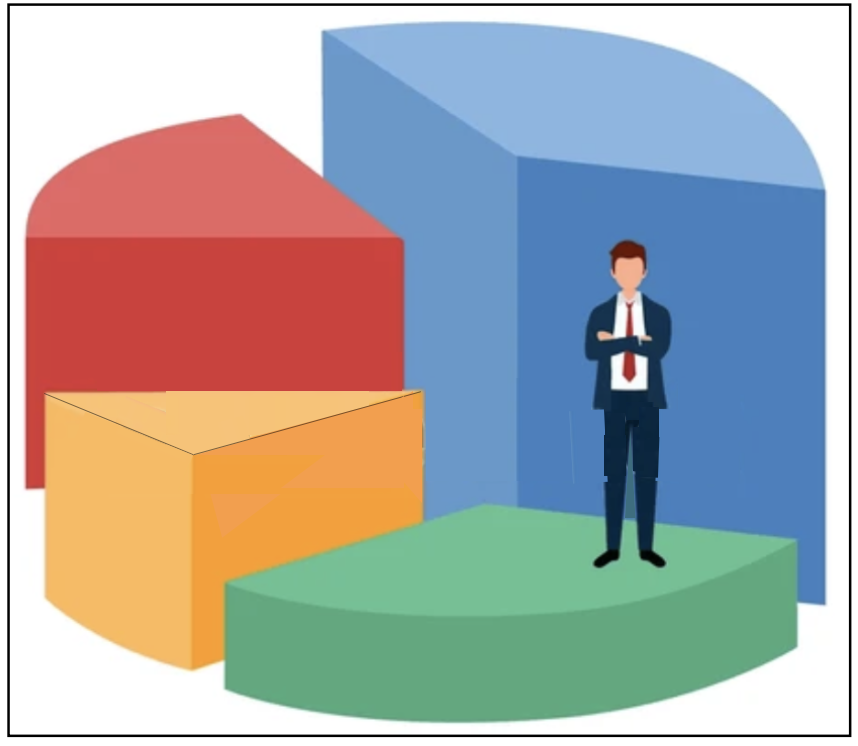
PDs fall into the orange & red sectors, because the dysfunction affects
every part of a person’s life, usually as a result of an ongoing traumatic childhood. PDs tends to severely limit success in school, relationships, social encounters, work.

OVERVIEW – Main Symptoms of PDs
a. Distorted thinking patterns (CDs)
b. Over / under – regulated impulse control
• Odd / eccentric behavior patterns
• In some cases, periods of losing contact with reality (dissociations)
c. Interpersonal difficulties
• Avoid other people, feel empty & emotionally disconnected
• Trouble sustaining stable/close relationships (partners, children, professional helpers)

d. Problematic emotional responses
•  Overwhelmed by distress, anxiety, anger & worthlessness
• Trouble managing uncomfortable/painful emotions, especially without self-harming – use self-cutting, promiscuity, belligerent, withholding, chemical abuse… in order to ‘cope’ – but rarely harm others physically. Exceptions : bullying people,  torturing animals

CLUSTERSCHART
Based on similarities, PDs are grouped into:

A3 “odd, eccentric” types: social awkwardness & withdrawal (MORE….) .  Dominated by distorted thinking, & extremes, they go:
— from eccentricity to fantasy
— from lonely to schizoid hiding
— from distorted thinking to delusion to paranoia
— from projective identification to projecting guilt on to others…..
Paranoid (2%) “The world is hostile, so don’t trust anyone, & deal with people by being angry & attacking.”
Schizoid – “The world is scary so I withdraw from it (people), & don’t show any emotion or other needs/feelings”
Schizotypal – “The world is too scary, so I withdraw from it (people), & being a bit crazy, I don’t think clearly”

B4 “dramatic, emotional, erratic” types
UNDER- controlled: People in this cluster share the pattern of little or no impulse control & have trouble emotionally regulating themself. This can include failure to plan ahead, or to consider the long-term consequences of their actions. At the extreme they can end up getting into trouble (like breaking the law), & hurting others.

Antisocial (3%) “You can’t trust anyone & life’s unfair, so I take advantage of people & do whatever I like”
Borderline (1-2%) “Relationships & life are very unreliable, so I frantically do anything to keep people around”
Histrionic (2-3%) “I must be the center of attention, so I will be dramatic, flirtatious & highly emotional”
Narcissistic (1%) “I’ve always been told that I’m very important & the best, so I agree & act that way”

C 3 “anxious, fearful” types  
OVER- controlled: This group shares a pattern of social inhibition, a deep sense of inadequacy, & hyper-sensitivity to other people’s negative opinions. They’re afraid to try new things lest they embarrass themself, & get ridiculed or outright rejected. They hold back around others, so can come across as uptight & snobbish. They lack spontaneity, since every action must be considered for its potential to cause themself emotional pain

Avoidant (1-10%) Life is scary & rejecting, so I feel worthless & withdraw ”
Dependent (0.5%) “I’m worthless & can’t cope with life, so I cling to others & do what they tell me”
Obsessive/compulsive (1-8%?) “Everything around me is chaotic, so I have to be in control of myself & everything in my life, by being orderly & perfectionistic (MORE….)

Other PDs not in DSM IV
Cyclothymic: Mood swings from Hi to Lo, with evenness in between – not as extreme as Manic-Depression
Masochistic (self-defeating): A need to fail, deliberately putting obstacles in ones own way to cause themself
frustration, grief, setbacks & suffering

Passive-aggressive: See POSTS
<— Sadistic: Derive pleasure from harming or humiliating others, using aggressive, cruel, demeaning & manipulative behavior

NEXT: Personality Disorders (Part 4b)

Psychological DISORDERS – Neuroses (3c)


MY CHARACTER DEFECTS
are just twisted versions of the True me!

PREVIOUS: Disorders #3b


1. HEALTHY


2. NEUROSES
 – Different  Perspective (cont) a. Enneagram  //  b. Trauma

c. Transactional Analysis  – The IMPASSE
Def : 
A road or passage having no exit, as a cul-de-sac
A situation so difficult that no progress can be made. Deadlock/stalemate

In psychological terms, impasses are formed at Type 1, 2 & 3 developmental stages in childhood ⬇️, when script-decisions are made. Scripts – our unconscious plan for life /internal ‘story’ – are usually based on unmet needs & abuse.
This causes inner conflicts between one’s Parent & Child ego states, & usually experienced by the child first as a personal failure – an internalized sense of inadequacy. Scripts are presented by, repeated & reinforced by parents, wider family & society —

— in some cases positive, but most often harmful. (Gouldings’ 12 script themes – similar to ACoA Toxic Rules)   ✥ This shows the power & active participation of children in their own development.

As adults, we all carry a representation (model) of the world & ourself – where we belong, how we fit in, our work & how we do it, & where we’re headed. If the source of this model comes from a dysfunctional family, it will always fall short of dynamic, ever-changing reality, limiting our S & I growth.  An impasse (being stuck in some area of life) indicates a need for change in order to move forward.
✺ The different intensities of psychological disorders represent various stages & intensities of impasse. (MORE...)

CHART : 3 developmental stages of conflicts between inner Parent (P) & Child (C)
✓ 3rd degree impasse (Po-Co: Birth to 6 months, pre-verbal, even pre-natal)

These earliest conflicts come from the type of connection between mother & child, depending on how they relate day after day. Conflicts will be around the issue of survival, between: abandonment & engulfment, destroying or being destroyed, worth & worthlessness….

EXPIf the mother has an unhealed WIC – stuck in her own impasse – her wounds get communicated to the baby, day after day. If she is insensitive, controlling or brutal – the effect on the baby is predictable.
However – much more difficult to identify later on –  is if h
er grown up Adult & Parent parts are used to activate, even improve her parenting style, but without Recovery her behavior won’t have any affect on her little C1 ego state. No matter how she tries to cover it up, her deepest damage will unconsciously keep re-traumatizing the baby. 

A depressed or angry mother can ‘responsibly’ feed & look after her baby son every day, but he knows / senses his mother is emotionally bereft. He intuits (or is told) that he needs to take care of her – all focus must be on her instead of his own feelings & needs – OR ELSE she may somehow leave (die). So he feels unworthy to be taken care of & worthless for not being able to help her, which causes intense anxiety. So he slowly develops defensive patterns like people-pleasing / isolation / addictions…., which form his False Self.

As an adult,
this earliest impasse continues as deep-seated conflicts in PMES forms such as muscle tension, psychosomatic complaints, immune disorders…. & expressed verbally in symbolic images, such as “I feel as if I’m in a fog, lost, cold & alone, there’s a wall up between me & everyone else” …. 

 ✓ 2 degree impasse (P1-C1:  6 mths – 6 yrs)
Made up of Injunctions (authoritative parental orders) carried by the child’s feelings /emotions. They become internalized, often through non-verbal comman
ds, at a time when the child has only a basic grasp of language. Script-decisions made are basic theme about the child’s identity, such as: “Who am I? // Am I important? // Don’t grow up // Don’t feel”…..
Later on, it’s much harder to remember how these issues developed, so the person usually doesn’t know they’re stuck back there

1 degree impasse (P2-C2 : 6+ yrs old, when they can understand language)
The struggle here is between what the child should & should not do, what behaviors are socially acceptable or not. Internalized verbal
instructions (counter-injunctions) will be things like: “Please others // Always try hard // Be a good boy or good girl // Never get angry”….. These are more accessible to awareness, so later on it’s easier to remember who gave them & in what form. (More….  in ‘Ego States’ posts).

BREAKING the Impasse – options
When the Bad Parent is so strong that it keeps the messages in place, the person gives in & continues to live by the original ‘rules’, keeping the Healthy Child bound.
HOWEVER –
a. When the person’s Wounded Child refuses to go along with its Bad Parent’s messages & is finally allowed to get angry, it liberates the Healthy / Free Child
b. The Bad Parent’s injunctions are agreed with, but the Healthy Child’s needs are ‘redefined’, often in humorous terms. Then both sides win.
EXP = Parent voice: “You’re crazy”  Child: “I may be crazy, but I’m never boring!”:)

NEXT: Disorders #4a

Psychological DISORDERS – Neuroses (Part 3b)

I’M ALWAYS ANXIOUS
when I  have to travel

PREVIOUS: Disorders #3a

BOOK:Neurosis & Treatment: A Holistic Theory. – A. Angyal


2. NEUROSES (cont.)

Neurotic Disorders
Agoraphobia w/ panic – believing some environment to be unsafe with no easy or possible escape, so needing to stay hidden indoors
 • Conversion (hysteria) – very distressing neurological symptoms (numbness, blindness, paralysis, fits) without a well-established organic cause, traced back to a psychological trigger
Depersonalization – feeling disconnected or estranged from one’s Self – as an outside observer of ones thoughts or actions

Dissociative (DDNOS) – chronic & recurrent identity disturbance due to prolonged & intense brainwashing (coercive persuasion) – which disrupts normal functioning of consciousness, memory or perception of the environment
Generalized anxiety (GAD) – the “worry cycle”, being concerned about getting through the day, but with no apparent or current problem

Hypochondriasis – excessive worry about having a serious illness, despite the absence of any actual medical diagnosis / proof
Neurasthenia (from stress &/or isolation) – a mechanical weakness of the nerves, with symptoms of anxiety, depressed mood, fatigue, headache, heart palpitations, high blood pressure & neuralgia

Neurotic Depression – same mental & physical problems as depression, with less severe but longer-lasting symptoms
Obsessive-compulsive – the need to repeatedly check things, perform certain routines (“rituals”), or having recurring unwanted thoughts, which control behavior
Phobic state – an irrational fear of a place or situation that makes one feel powerless & out of control (no choice)
Panic (without agoraphobia) – sudden periods of intense fear that may include palpitations, sweating, shaking, shortness of breath, numbness, or a feeling that something really bad is going to happen

• Post-Traumatic – caused by experiencing a single or prolonged traumatic events, & includes physical flashbacks, nightmares, & intrusive memories
Social anxiety – significant amount of fear in one or more social situations, causing considerable distress & impaired ability to function in at least some parts of daily life
Somatization – multiple clinically significant repeated physical complaints, representing emotional pain

A Different Perspective (non-traditional, non-medical)
a.  Students of the Enneagram start with each Type’s distortion or flaw, seen as a positive characteristic which has been bent away from True Center – because of wounding experiences. This is similar to the ancient Greek notion of sin or fault as hamartia = ‘missing the mark’. If you aim at a target with a bent gun barrel or crooked arrow, you’ll miss the target.

Starting in childhood, when we need the most nurturing & encouragement, our vulnerability can  turn our innate strengths into weaknesses, but ONLY —
— IF our values are attacked, discounted, made fun of or in any way violated, so we feel threatened & scared
— IF our strengths are challenged, distrusted, dismissed or questioned, so we can become anxious, guilty, ashamed & angry

Inner Child work is about uncovering & healing the wounds / vulnerabilities created when growing up. It’s discovering where our Healthy IC is, & where the WIC is hiding, how, where & from what, and what it really needs. By knowing our specific sensitivities, our EnneaType can be used as a guide to growth. (MORE….)
FLAW                                                    GIFT
#1 – Criticism /Resentment         == Serene / Good
#2 – Pride / Flattery                      == Humble / Loving
#3 – Deceit / Vanity                      == Authentic / Effective
#4 – Envy / Moody                        == Emotionally balanced,  Creative
#5 – Avarice / Stingy                     ==  Unattached / Wise
#6 – Fear / Cowardice                   == Courageous /Loyal
#7 – Gluttony / Avoidance           == Sober / Joyful
#8 – Lust  / Vengeance                 == Subtle / Protective
#9 – Sloth  / Withdrawal              == Engaged / Peaceful

(MORE ….  ➕ what each EnneaType really wants)
BOOK: “The Positive Enneagram“, Susan Rhodes

b. SIMILARLY – Andras Angyal (1965), a neo-psychoanalytic therapist, wrote:  “The real traumatizing factors are those which prevent the person from expressing these basic tendencies. In neurotic development there are always a number of unfortunate circumstances which instill a self-derogatory feeling in the child ……”  (MORE – excellent)
However –
✳️ “The person’s essentially healthy features exist not beside but within the neurosis. Each neurotic manifestation is a distorted expression of an individually shaped healthy trend. (p.228).
The distortion must be clearly seen & acknowledged, but the healthy core will be found within the distortion itself. So, when a person learns that the neurosis is an exaggerated version of health, they can feel less shame, & be more hopeful.”
• In other words – trace the neurosis back to it’s original strength & focus on expressing that instead.

NEXT: Disorders #3c

Psychological DISORDERS – Neuroses (Part 3a)

I’M NOT AS MESSED UP 
as some people I know!

PREVIOUS: Disorders #2b

SITEs: “Why being neurotic could actually be a good thing”

⬅”THERAPY SESSION” by DMT


1. HEALTHY

2. NEUROSES – now called “depressive or anxiety disorders”, are a group of mental dysfunctions which do not interfere with a person’s ability to think rationally or function day-to-day, but definitely cause distressing anxiety.
PSYCHOLOGICAL
Freud said they’re a result of an extremely painful experience earlier in life, which was never processed consciously (rape, witnessing a traumatic death, attacked by a person or animal….)
Jung added they’re caused by a conflict between conscious concerns (like obligations) & unconscious content (unacceptable thoughts, wishes, emotions….)

Trait Neuroticism (TN) one of the 5 personality components of O.C.E.A.N. All vertebrate animals – including humans – have a “negative affect system” to avoid dangerous or punishing situations. TN includes individual differences in sensitivity & activity of this system, ie. how painful someone’s emotions are & what kind of responses they have to upsets (affect=emotion)

People tend to be more sensitive, so are high in TN & more likely to develop depression & anxiety, especially when exposed to ongoing stressful living conditions without having the skills to process their distress in a safe, validating interpersonal environment. They can either avoid the disturbing person /situation, or shutdown from frustrated needs & losses. AND they can either turn their pain in on themselves, or turn it on other (S-H or attack).

Karen Horney in “Our Inner Conflicts” said neurotic needs move us:
Toward others: who look for affirmation & acceptance from others – needy, clingy, looking for approval & love
Away: those who are hostile & antisocial – aloof, cold & indifferent
Against: those who are hostile, with a need to control others – difficult, domineering & unkind

❎ MEDICAL / SOCIAL
• Scientific studies show a correlation between neuroticism and a specific human gene with its corresponding allele pair. These cell components help to control the amount of serotonin released into the body, which when delivered unevenly, will continue to stimulate surrounding nerve cells, causing neurotic symptoms (anxiety)

• Not surprisingly – a 1998 study of over 9,500 UK residents found a higher number of neurotic disorders among poorer people. It’s possible that genetic factors predispose an individual to anxiety & neurosis, with outside factors triggering the symptoms.(MORE….)

IMP: Neurotics have a consolidated identity (not fragmented – being mostly in touch with reality), are well aware that something’s wrong (unlike PDs & psychotics), & can use ‘normal’ defenses (like CDs).

• With neuroses (n.), only a part of the personality is effected.  A person confronted with their feared issue (big dogs, snakes, airplanes, clowns, public speaking, visiting family….) will inevitably have an intense desire to avoid it. But their way of dealing with it is self-defeating, because it prevents the person from meeting their long-term needs (feeling safe) & goals (achievements).

✰ The main symptom is excessive anxiety, along with one or more physical issues not based on illness (tight muscles, palpitation, headaches, sleeplessness…..), & may include anger & irritability, co-dependence, compulsive self-defeating behavior, low self-esteem, obsessive harmful thoughts & perfectionism.

Re. traumatic events – without psychological & spiritual help at the time of the originating stressor (rape, severe accident, death of parent, best friend, classmate….), the unconscious suppresses unbearable emotions, & sometimes even the memory of the event. Whether the person remember or not, their nervous system continue to experiences it as it did originally, becoming an ‘invisible injury. This makes dealing with their specific fear very difficult, while others parts of their life function relatively well. (MORE…..)

Neurotic reactions can show up in one or more areas :
♟ Beliefs: (‘verbal cognitions’), intensely protected rigid beliefs about ourself in the world, developed to justify actions & reactions
♟ Defenses: trying to manage the tension between conflicting internal goals, & filter unacceptable ‘stuff ‘ out of full consciousness, but doing so at significant cost
♟ Emotions: generally either over-regulated (suppressed & not expressed) or under-regulated (hyper-sensitive & over-expressed)
♟ Habits: automatic or ritualized patterns of visible actions used to calm anxiety & provide a (false) sense of security
♟ Relationships: developed rigid styles of dealing with others, & can have extreme reactions when not getting the connection they want/need

NEXT: Psych Disorders #3b

Psychological DISORDERS – ACoAs (Part 2b)

I ENVY OTHERS WHO
easily know how to function

PREVIOUS: Disorders #2a

SITEs : • Help with Organizing your mind

Psychological Disorders:  PowerPoints with Video Links & Lecture Notes
(To purchase. For teachers)

⬅️ IMAGE  : Truman College Wellness Center
UNHEALTHY
Psychiatrist Otto Kernberg (Object Relations Theory) wrote that someone is mentally healthy if they have a well-organized personality, which functions reasonably well because their reality testing is mostly intact. Such people have an integrated sense of Self, with an accurate Self-to-Other concept. This helps to hold opposite feelings about someone – at the same time – without changing one’s realistic opinion of them. (not B or W) . Everyone is experienced as a ‘whole’ entity, with both positive & negative qualities.
NOTE: This does not mean we like everyone!

Using the criterion of personality organization, Dr. Kernberg marked 3 degrees of dysfunctional severity: Neurotic, Borderline & Psychotic states. The more mentally & emotionally disorganized, the worse the person’s functioning. To evaluate, ASK :
1) Is my reality-testing intact? (Explanations)
2) Do I have an integrated sense of self & others?
3) What is the maturity level of my defenses?

ACoAs fall into any one of the Mental Health Levels, depending on the individual’s native personality, the amount of trauma suffered, social environment & spiritual beliefs.  However, all are wounded in some form. Unrecovered, most of us think that our usual way of being is our actual personality (who we were born as) because it’s how we’ve been since childhood.
But anyone growing up in a very damaging family forms a False Self as protection, which combines PP & WIC, & houses the different disorders. Because of living thru’ years of trauma, many ACoAs have a fragmented sense of Self  (not about multiple personality or schizophrenic dissociation).

Our wounded mind stores separate split-off images of ourself & others as being either all bad or all good at any given moment, based on a current event. So, when someone we think we know well and rely on to feel safe is sometimes nice to us & then turns on us at other times (parents, a mate, best friend….), we’re shocked & confused.
When that happens, the WIC actually thinks they’ve now become a totally different person – rather than realizing we’re dealing with one being who’s showing different aspects of their (perhaps unhealthy) personality.

▪️Most of the time it’s actually our internal experience of someone that has changed – in response to their current behavior or mood. This is a reflection of our own B & W thinking, usually believing ourself to be ‘all bad’ & others as ‘all good’. So when they become the ‘bad one’, we get scared. The WIC doesn’t realize that it’s normal to have inconsistencies & accept that the person is still the same, but complex. This distortion prevents us from holding a consistent sense of Self & others across time & in a variety of situations.

EXP: If you smile & are friendly to me, you are a totally good person – in that moment – who I like & feel safe with. If at some other time you hurt my feelings or ignore me, you are then a totally bad person – in that moment – so I absolutely don’t feel safe with you, and blame myself for what happened.

😟 As a way of coping, the brain compartmentalizes traumatic experiences to keep us from feeling too much pain (physical &/or emotional) – creating a dissociation, spacing out. A part of our attention is missing, so we don’t recognize what we’re feeling, not noticing or hearing things around us, or that’s right in front of us all the time.
What’s missing is a connection to some or all of our emotions.

NOTE:  ACoAs can develop mental health by getting the right help & consistency using all the tools available throughout life. With FoO work, most can improve if not totally heal, but not all wounded people are willing to go thru the process needed to Recover.

(CHAT BOT – talk to computer re. moods (Woebot on Facebook Messenger)
«

«
NEXT: Disorders #3a