
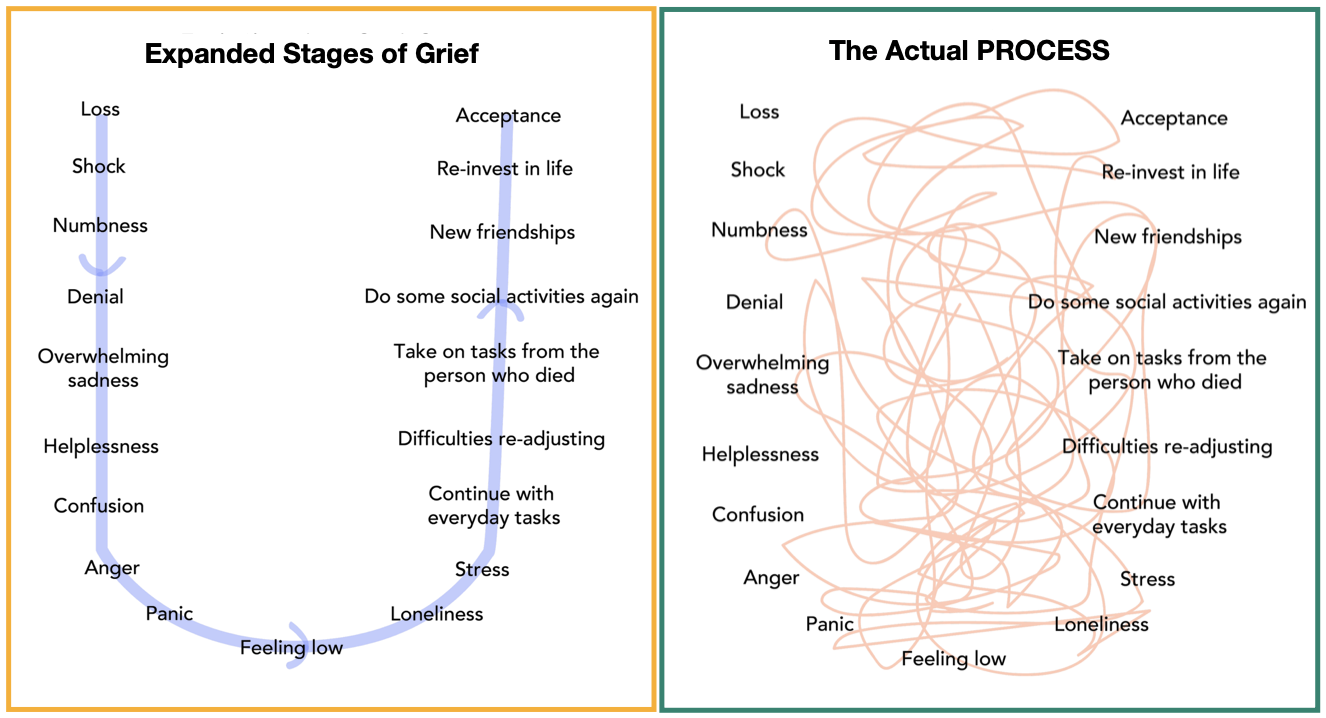
 PREVIOUS: Grief- Extended Cycle (#1)
POST : Accepting Emotions
Grief Cycle (cont)
1 – Shock // 2. Denial // 3. Betrayal // 4, Sadness
5. Guilt and Shame – the ‘shoulds’ are a major part of grief. You’re weeks or months into the cycle, & may still blame yourself for what you could have done differently. You think : “I should have visited more. // I should have called them. I should have made more time….”
Shame often follows guilt, shrinking your world : “What did I do wrong? I must deserve this.” You feel small, withdraw, stop socializing, avoid people because you feel unworthy of happiness. The tumble down to loneliness, guilt & isolation can be quite rough, almost making those lows look restful compared to what it took to get there.
Loneliness & isolation can breed depression. We can make matters worse for ourself if we intentionally shut out the rest of the world.
But time alone & loneliness are not the same. Solitude is needed to think things through, regroup, reflect & recharge. Some isolation can also be a protection against having to put on a mask to act as if you’re doing better than you actually are.
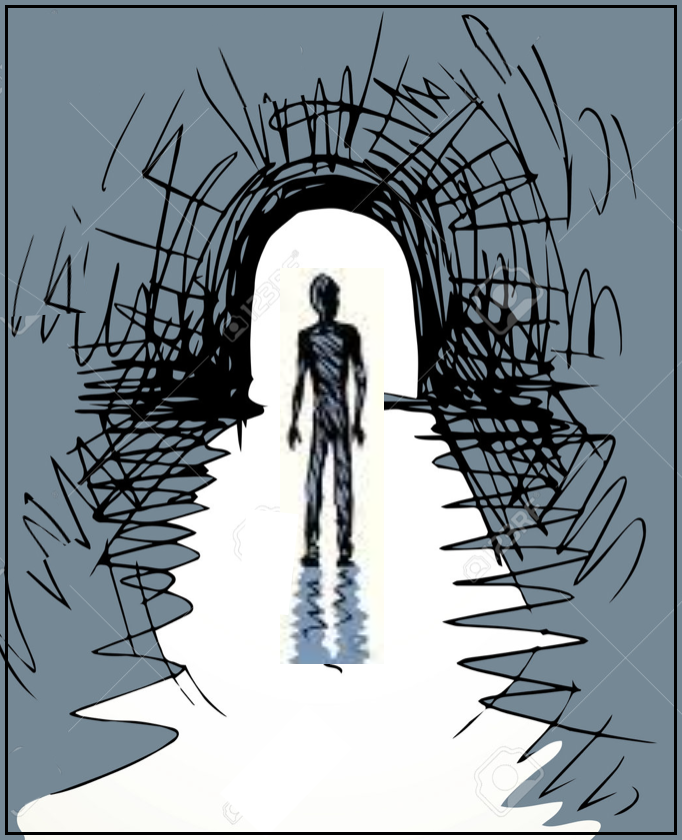 💔 6. Identity Crisis – the lowest point. Loss has changed everything – birthdays, Christmases, routines…. It all feels sooo different. “Who am I without them?” For a while, you don’t have the energy to be concerned about the discrepancy between who you knew yourself to be & who this stranger in the mirror is now.
Disorganization – is part of the mental fog & lack of clarity during the depression of grief. You’re not sure what day of the week it is, whether you took a shower or ate lunch….
Panic can set in when this disconnect is noticed. “What if I never go back to who I was? ” Panic that things will always be this disjointed & hard to understand, and about what your future might hold.
7. Understanding – the slow process of meaning-making:
“At least we had time together // At least they weren’t in pain. Maybe we’ll be together again one day.”
It’s easy to stay stuck at rock bottom, convinced there’s no way ahead, so the shift from Identity Crisis → Understanding is the hardest part of the cycle. Support from friends, family, or therapy is crucial here. This is where you start to accept the reality of the loss, letting go of the relationship at a deep level.
At the same time – we believe we can bear a crisis more easily if there’s some purpose in suffering. But we have to discover the **treasures hidden in it on our own, rather than having others point them out, or they’ll just be empty platitudes. (**prove your core strength, miracles in disastrous situations, good triumphing over evil, redemption,….)
 8. Acceptance is not about forgetting or moving on. It’s the deeper realization that they are gone, and I am still here. You begin to adjust. Your sense of them moves from the present to the past, in memory. (More in future posts)
9. Forgiveness is about letting go of blame. It releases the emotional weight of grief. At this point, you’ve moved past the denial, guilt & anger, & not hurting as badly as before.
❤️🩹 Forgive yourself (for what you should have done). Forgive them (for leaving you). Forgive doctors, other people, & circumstances that might have played a role.
10. Healing – You start to rebuild, As the heaviness lifts, life feels possible again. Fear can also get in your way here, but for a different reason – fear of letting yourself love again, so you may put off a new love relationship or have another child – to prevent the pain of future loss. Even so, the healing gives resilience new energy & you start to re-engage as much as you can.
The is key is learning to love yourself enough to create a joyful life. The audio program “nurturing your inner child” can help prepare you for optimistic transitions.
11. The New Normal – Life after grief includes spiritual awareness. You incorporate a sense of stability, clarity, & peace. Death is a part of life, & we need a spiritual belief system that provides resilience, allowing us to be at peace with this reality.
NEXT : GRIEF – Gender Differences

