
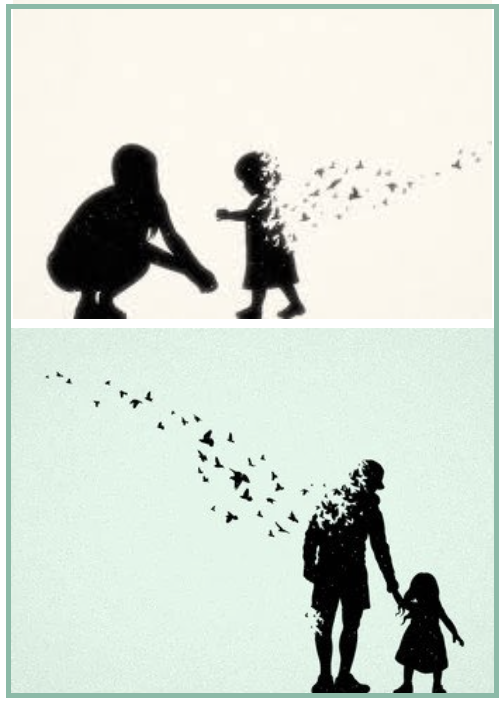
 PREVIOUS : GRIEF – Gender differences
SITE : Grief & Bereavement — scroll TO “How children and teenagers view death”
Grief is universal. If a child can react to separation with fear & tears – temporary or permanent – then they have the capacity to grieve. While there are some similarities to adult grief, there are also some distinctions, such as the child’s age & development, which will affect how they understand & respond to death.
Pre-schoolers/young children : Between ages 2-4, children usually think that death is temporary & reversible. They may ask, “When will mom come back?” even after you’ve told the child that “mom’s gone for ever “. It is also very common for grieving children this age to seriously regress to an earlier developmental stage (toilet-training, language, &/or clinging behavior).
School-age: Between ages 5-8 children are tend more toward guilt & magical thinking. They may say : “It’s my fault this happened.” Or think of death as a person (the boogeyman), so their dreams & fears will reflect this.
Between 9-12 they start to understand that death is permanent, the way adults do, but may want more details about what happened. They may ask : “What happened to Grandpa? And then what?” At this age children are more likely express grief physically, such as complain of headaches & stomachaches. They may also revert to more clinging behavior, &/or have outbursts of anger.
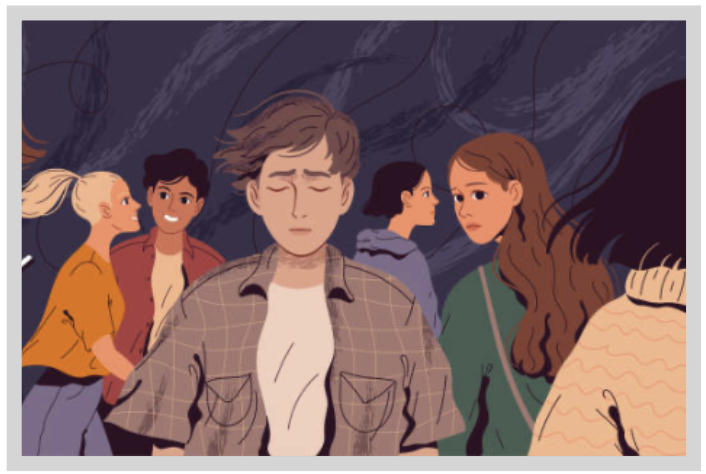 Adolescents: Teens between 13-18 tend to realize that death is permanent & universal, so it can happen to anyone – like you & me. After a death, teens may feel a need to connect with family, as well as to keep their independence, which can be confusing & may lead to friction in the family.
As part of these experiences they’ll start forming opinions about morality, the world, & their role in life, which may be the same or different from the family & the person who died.
Parents & Caregivers : Get help if the child….
⚙︎ …. never talks about the person who died, or they leave the room when the deceased’s name is mentioned
⚙︎ ….. ‘s aggression becomes destructive, especially if this is new or unusual behavior
⚙︎ …… develops persisting anxiety, any talk of suicide, &/or starts abusing substances.
One of the strongest predictors of how well a child will cope with a severe loss is how well their parent(s) is functioning after a death of their loved one. ADULT : Ask & get support for yourself. Asking becomes a model for the children to copy, to show that it’s okay to reach out for help, one of the most important coping tools. See hospice resources.
TIPS to help your child
☆ Accept their way of expressing their emotions, as well as setting appropriate boundaries for behavior
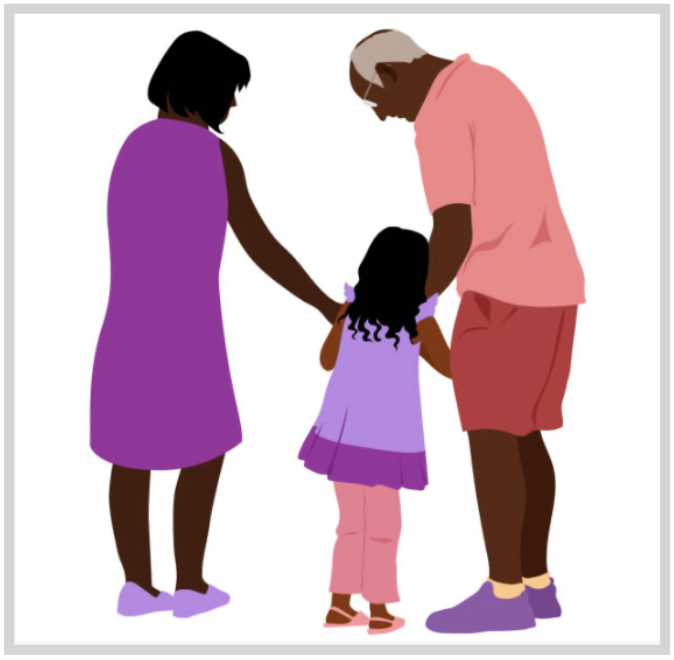 ☆ Allow & encourage them to keep their rightful place in the family – still being a child
☆ Allow them to honor & remember the person who died. Memories are important & powerful. Don’t avoid them.
☆ Become a listener. ☆ Remind the child that it’s courageous to let themself grieve
☆ Children need outlets to release energy. Pay attention to how they behave when playing – understand that it’s one way to share their grief with the adults
☆ Communicate with the adults in the child’s life (teachers, coaches….) so they can be part of the support system
☆ Keep routines & structure in the child’s life as normal as possible. The rules for conduct should stay the same – but realistic
☆ Know you won’t have all the answers. Saying “I don’t know” OR “What do you think?” are honest & powerful responses.
Listening to their answer will help you know what information they need to feel comforted & safer
☆ Let the child choose whether they want to participate in the funeral & burial functions. If yes, prepare them by explaining what to expect & will see at the funeral. EXP : photos, the coffin, crying adults, reminiscing about the deceased….
 ☆ Understand that grief expressions can vary, even within a family. One child may show a lot of emotion. Another may want to do something in memory of the person who died….
☆Give clear explanations, without euphemisms such as “lost, passed away, sleeping”….. Being direct means using the words: dead, died, death & dying. It’s more honest.
NEXT : GRIEF – Helping to heal

