
 PREVIOUS : Grief ADVICE
SITE : Tortoise & Hare Story – 7 Powerful Lessons
This topic is all about TIME. ACoAs come in 2 flavors, either —
√ wasting ‘free time’ not knowing how to self- motivate when no-one or nothing from the outside is pressing them to act (fear of Empty Time)
OR
√ filling in very second of the day with activity with no free time – ever, reacting to external pressures, real or imagined. (see Toxic Rules)
The Illusion of Faster
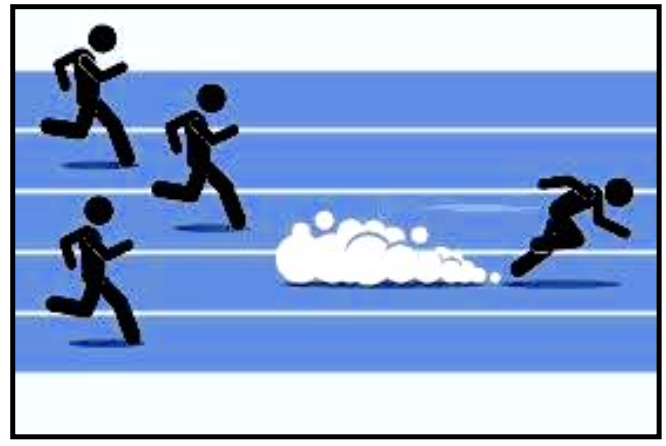
 Slowing down may be the hardest but most urgent skill we can develop since the world is operating at warp speeds, so the challenge of keeping up can be overwhelming. There’s too much to be done, & all done yesterday.
The days are too short, the nights barely exist. Alerts, messages, deadlines, decisions. Screens blinking. Phones pinging. The only way to keep up is to run faster – and even if you do, you still fall behind.
However- If we want to build organizations, relationships & personal lives that are meaningful & resilient, we must reject the myth that faster is better.
The Myth of Multi-tasking
When we have a lot to do & not enough time, a natural response is to multitask. We quickly reply to emails while we’re preparing a presentation. Shoot off a message on WhatsApp while juggling a Zoom call. Listen to a podcast while skimming an article we need to read for a meeting later in the day…. It seems like we’re getting a lot done.
But we’re mistaken. Research consistently tells us that multitasking significantly reduces our efficiency. For example, a 2011 study found that people “who are forced to multitask perform significantly worse than those forced to work sequentially.”
EXCEPTION 1. These examples are all activities that require mental attention at the same time – therefore the warning is correct.
However, limited multi-tasking is possible if one action is physical while the other mental – neither being too strenuous or emotionally tasking.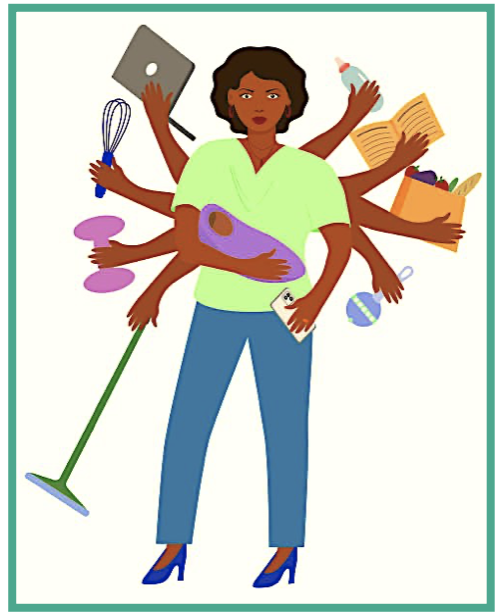
EXPs : Being on an exercise bike & watching a movie // walking, ironing, knitting, cooking … while talking on the phone
EXCEPTION 2. to the rule : women’s brains are provided with the ability to multi-task for motherhood!
Slowing Down to Speed Up
When we try to do too much all at once, or try to do too much too quickly, we don’t do anything well. And, curiously, we do it more slowly, too. We need what we might call the practice of “slow attention” – the practice of focusing fully on one task, one moment, one breath at a time. It’s the practice of being fully present for what we do.
When faced with overwhelming demands, with multiple competing claims on our energy & attention (alerts & pings…), the most efficient way of responding is to slow down. Instead of trying to do 10 things at once, it’s best to do one thing at a time, sequentially.
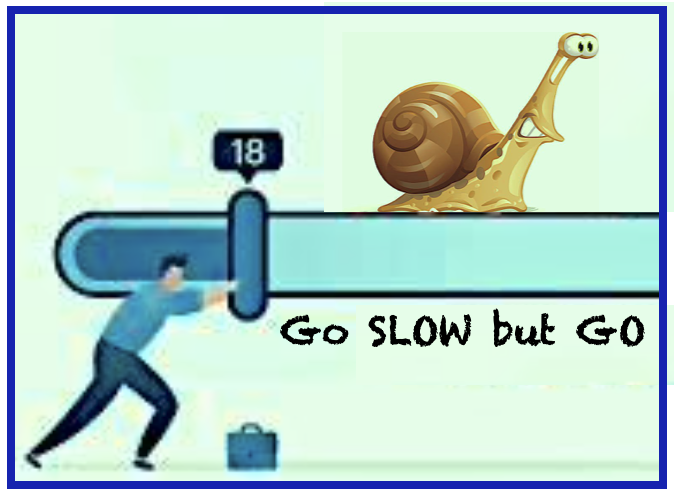
In the movie TOP GUN, Maverick – an elite Navy fighter pilot – says: “I feel the need. The need … for speed!”. However- there’s another actual famous saying attributed to the Navy SEALS : “Slow is smooth, and smooth is fast.”
Reclaiming Our Life
Beside managing our practical life better – what’s even more important is our humanity. Instead of being present to our feelings & experience, we drown in a sea of distractions & deadlines. When racing through life, we lose more than IQ points. We lose the connection to ourself, just reacting rather than living intentionally, letting everything external dictate our agenda rather than choosing how we want to spend the very limited time we have.
To be truly present we need to slow down, not just performing like a puppet. If we stay in our body, with our current emotions & thoughts (PMES) it transforms how we relate to ourself & others. It allows deeper listening, authentic engagement & greater empathy so we’re able to genuinely connect.
For ACoAs – one huge benefit is that living this way helps us FEEL SAFER in the world! which is the WIC‘s deepest desire & need.
AND it’s a skill we can develop, one choice at a time.
 SUGGESTIONS :
1. Counter procrastination by rejecting perfectionism. (Attend Al-anon regularly).
2. Limit Digital Noise – mute non-essential notifications & schedule screen-free time. Protect sacred spaces in your environment for in-person connection.
3. Anchor with recovery sayings from the Healthy Adult : I can handle what you Little One can’t & shouldn’t have to”. Repeat “I am enough just for today” or “Presence over pressure” during moments of stress. These aren’t just affirmations – they help signal safety to your brain.
4. Intentionally Single-Task . Choose one task & give it your full focus. Practice No multitasking. This reduces cognitive overload & increases fulfillment. You get to see positive results!
5. Pause with Purpose. Take 5 minutes a day to breathe deeply & scan your body. This helps move your nervous system out of fight-or-flight mode & into calm awareness.
6. Reflect Daily. Spend a few minutes journaling or simply asking: What mattered most today? (10th Step) This helps align actions with values.
NEXT : ACoAs OVERDOING (1a)

