
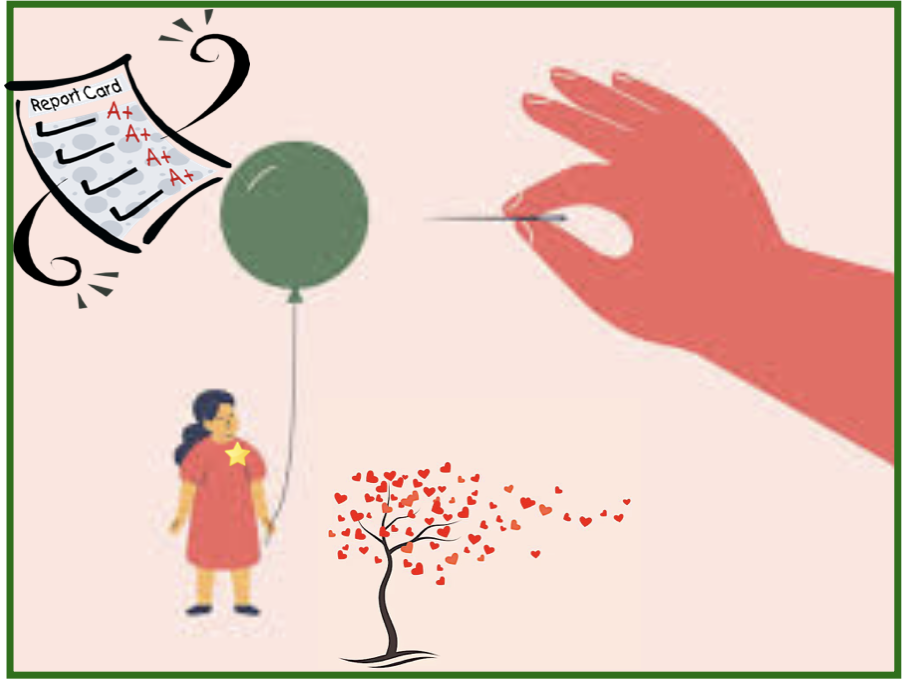
 PREVIOUS : Over-Doing (#2)
SITE : Parent as Over-Doer
UNDER-FUNCTIONING
DEF : Under-Doing (functioning) in children refers to difficulties in managing tasks & responsibilities, affecting the ability to perform well in school & daily activities, often leading to reliance on others. NOTE: re. tasks = either not able to initiate, or not finish.
Some symptoms
🚻 Emotional Immaturity – not able to manage their emotions – perhaps leading to impulsive behaviors & overreactions, lashing out & later regretting it. Get easily frustrated & anxious when faced with tasks, so avoid taking action
🚻 Executive Functioning problems : not good at planning, organizing & finishing task, may procrastinate or have trouble starting homework or chore. Includes —
— Structure : may lose track of assignments, forget to bring needed materials with them, not keep workspace tidy
— Time Management : misjudge how long tasks will take, leading to last-minute rushes
🚻 Social Interaction : struggle to make friends, understand social cues, & participate in group activities
🚻 Lack of Independence & Low Motivation – See “Over-Parenting” below
GENERAL { Contributing factors to Under-doing
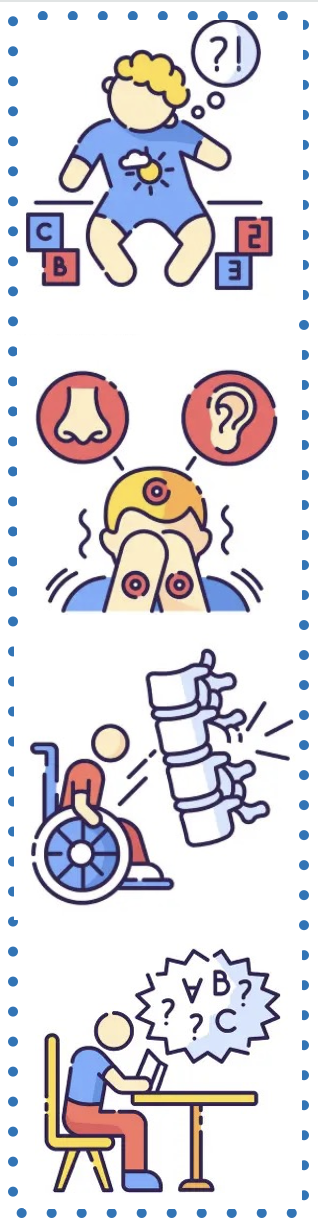 🙇🏻♂️ Genetic predispositions & neurobiological changes. Alterations in brain structure & function. Children with a family history of mental illness may be more susceptible to similar issues
🙇🏽♀️ Neuro-developmental disorders, such as ADHD or the autism spectrum (ASD)
🙇🏻♂️ Chronic Illness : Health issues may limit participation in school & social activities
🫃🏽 Family dynamics, such as parental mental health & parenting styles, which often includes Adverse childhood experiences, (ACE) including trauma, abuse & neglect
🙇🏽♀️ Psychological Factors, such as anxiety or depression…. impair cognitive & emotional processing
🫃🏽Environmental Influences & missing Support systems
ALSO, 👫Psycho-social Factors – Peer rejection & bullying
🤰🏻Socio-economic factors, such as poverty, poor nutrition, no access to mental health resources, dangerous neighborhood….
★However, a MAJOR Cause of Under-functioning in children is parental Narcissism, Double-binding & Boundary Invasions.
👥 Parental Influences / Helicoptoring
Over-parenting (O-P) reduces a child’s ability to manage their own emotions & behavior, leaving them less equipped to handle challenges in school & social settings.
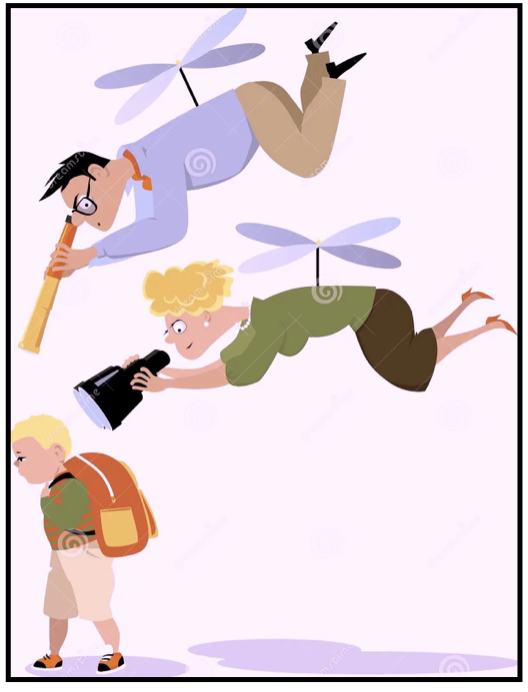 Being over-controlling limits opportunities for children to develop self-regulation skills, which are fundamental to long-term mental & physical health.
 🧠 Emotional & Behavioral Consequences of O-P
Anxiety patterns — when a child is ‘shielded’ from all discomfort, they don’t learn how to handle challenges, disappointment, demanding situations, the unknown…. so they feel overwhelmed when life throws a curve
Emotion dysregulation — when decisions or playtime are constantly ‘guided’ by a parent, the child will have trouble adjusting to complex school environments, causing behavioral problems
Reduced resilience — children who haven’t been helped to learn to regulate their own emotions effectively have a harder time bouncing back & fitting in
Erosion of self-reliance : If parents keep doing tasks for children which they could handle independently, they imply “I don’t believe you can do this”, eroding the child’s self-knowledge & effort
Loss of self-advocacy — when parents intervene with teachers or coaches at the first sign of trouble, children aren’t encouraged to learn how to advocate for themself, becoming dependent on parents to solve their problems
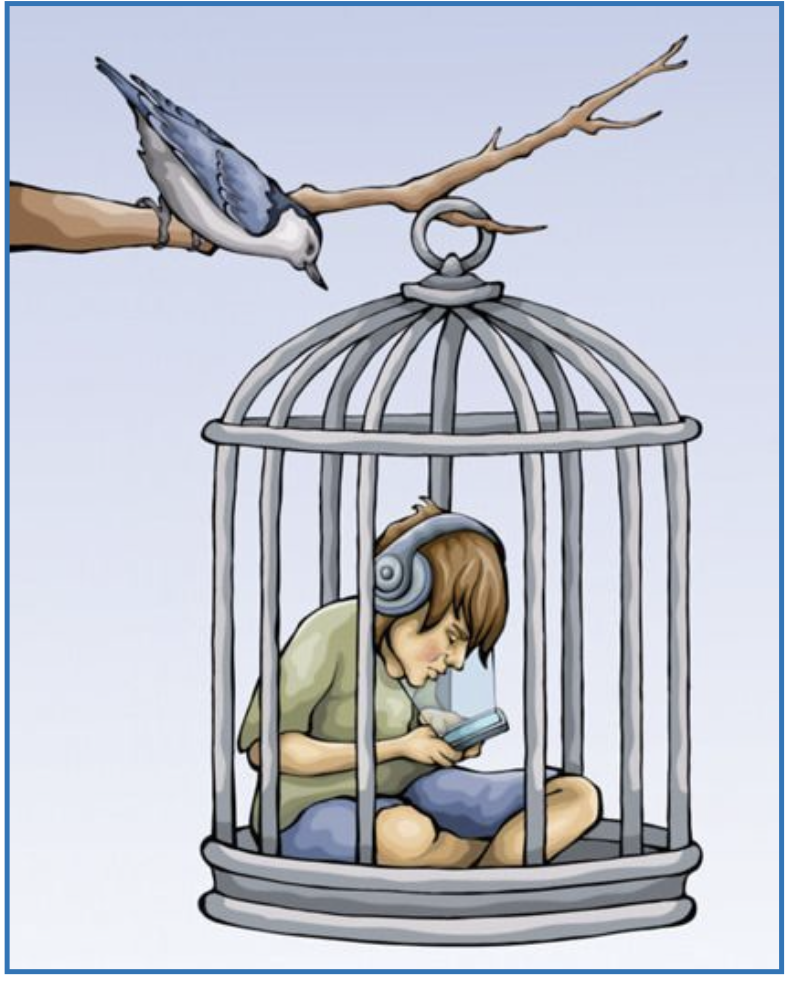 🤝 Social & Relational Development from O-P
Social withdrawal — When approval becomes conditional on meeting parental expectations, kids often start to withdraw, avoid asking for help, & are afraid to form close peer relationships
Peer conflict — Children lacking emotional regulation skills are more likely to act out in classroom & social settings, damaging friendships
Dependency patterns — Constant parental involvement / interference prevent children from learning conflict resolution with peers, leaving them unprepared for independent social relationships / interactions
📊 Long-term Mental Health Effects from O-P.
Chronic stress — Parental anxiety often drives over-parenting, & this anxiety is transmitted to children, creating learned patterns of worry & hyper-vigilance
Depression & Obsessing – negative self-talk develops as children internalize parental criticism or face unrealistic expectations
Body image concerns — Parental monitoring of appearance or eating habits increases risk for eating disorders & poor body image
📌 Research shows all these patterns persist over time into adulthood, negatively affecting overall psychological functioning & well-being.

