
 PREVIOUS : —— CD
SITE : “Stop Catastrophizing: How to Retrain Your Brain to Stress and Worry Less”
☁︎ Catastrophizing (Awful-izing, Selective Abstraction – making a mountain out of a molehill) can be broken down into :
☼ Magnification : over-emphasizing the importance of an specific event (real or imagined), ignoring all the positive points, making negative assumptions about the future
☼ Rumination, obsessing, as excessive overthinking & racing thoughts — leading to —
☼ Helplessness – with negative self-talk which contributes to feeling incapable & out of control.
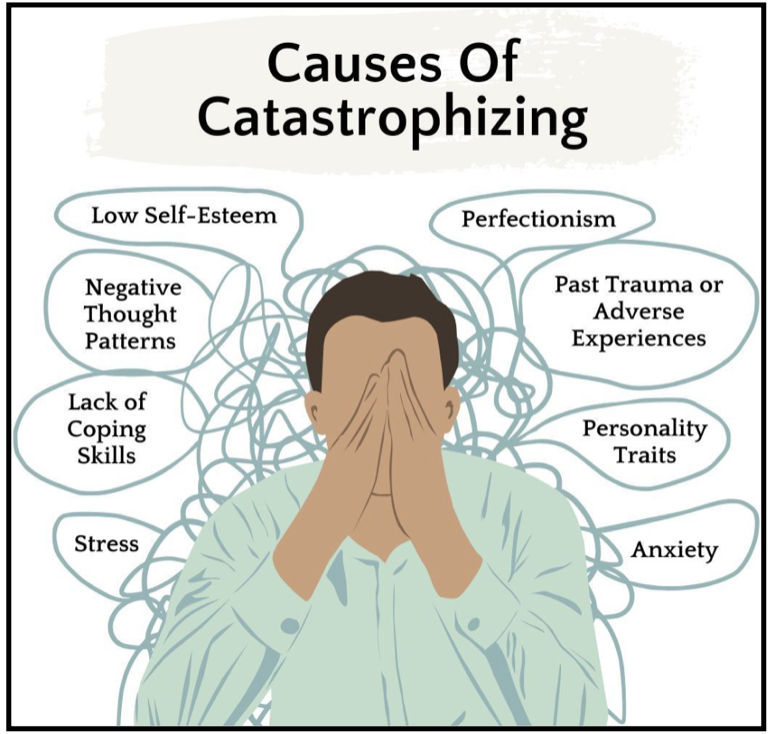
A 2017 study showed that catastrophic thinking is linked to a deeply held core belief (Toxic Rule “the world is dangerous”), It gives some insight into the person’s most basic fears & insecurities, like ACAs’ intense FoA (being abandoned), of making mistakes (perfectionism)….
This CD is used as a mechanism to regulate ‘negative’ emotional responses (terror) – the mind’s way of protecting you. When something hurts, the brain tries to create a sense of control. It’s picturing the worst possible outcome in a situation, as an unsuccessful way of bracing for potential threats.
But it’s an illusion – the assumption is that if you can write the story of what’s going to happen, you may feel better able to cope, & so a little safer, even if the scenario you imagined will never happen.
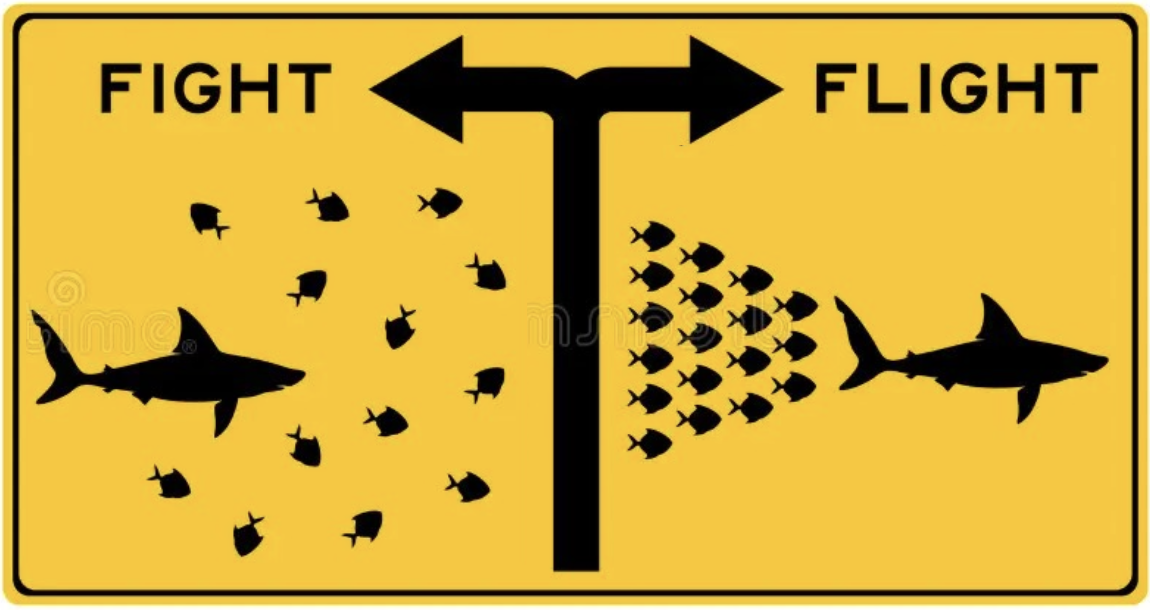 INSTEAD – Using this CD distorts your sense of reality, causing complex physical & mental symptoms associated with the fight-flight response. It can lead to avoiding positive experiences in life all the way to agoraphobia, dropping you down a rabbit hole of fear & anxiety.
It’s linked to depression, social anxiety, obsessive-compulsive & panic disorders, & even increase your perception of pain. But the more you do, the harder it is to pull out of it, & the worse the symptoms feel. However, one can also use catastrophic thinking without having a diagnosable disorder.
re. PAIN : Chronic pain involves a complex mix of physical & psychological factors. It is real, but the brain & body both play a role. Studies show that chronic pain sufferers report a lower quality of life if they catastrophize their pain – as intolerable & uncontrollable.
This thinking becomes a second burden or injury that follows the initial one, such as a flare-up of pain. EXP : “I’ll always feel this way,” or “I’ll never be able to ___”. (For degree of intensity see Pain Catastrophizing Scale,)
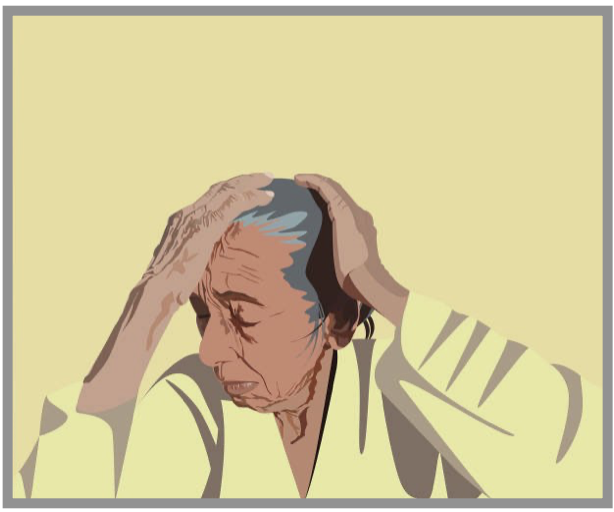 A 2010 study looking at – people in chronic pain who catastrophized – had changes in their pituitary & hypothalamus responses. And the brain area that – registers emotions associated with pain – had an increased activity.
This CD is a problem of perspective – blowing small things out of proportion. The person only focuses on a minor unpleasant or disliked part of a situation, interaction, or performance, so that other parts of the whole picture are ignored or minimized. The exaggeration pours fear into something that isn’t actually scary .
EXP: The plumber totally fixed the severe bathroom leak, but left a mess. SO, the homeowner fearful of dirt & chaos decides they’ll never hired this one again because he can’t be trusted to do the ‘whole job well’.
☀︎ GENERAL : Catastrophizing includes factors that are rooted in biology & psychology, as well as some social elements. It can ruin whole situations, jobs or relationships by picking out a detail we don’t like or scares us (the WIC), then magnifying it. It’s over-reacting to minor violations, everyday circumstances & personal characteristics (in us or others) which we consider unacceptable, making them more intense & more threatening than is realistic & objective.
☀︎ PERSONAL : A lack of skill, knowledge or capacity is judged to be fatal to your overall success in life. Belief: ‘The past was bad, the present is bad, & the future is hopeless!” Seeing a small problem as so big it’s overwhelming – too big to handle or resolve – makes you want to give up trying. ‼️ even though it may actually be fixable.
☀︎ CHILDREN : Catastrophizing can burden some children & teens, not just adults. EXP : a school-age child may worry about the worst-imaginable consequences of a failure, such as getting a poor grade on a test or not making a sports team.
NEXT : Catastrophizing (#2)

