MASLOW – Transcendence, Level #8 (Part 2)


PREVIOUS: Transcendence #1

SITE: Applying Self-Transc. to Nursing

CONVERSATIONS: Personal Journeys of Transcendence and Healing


TRANSCENDENCE – Level #8 (cont)

NOTE: This level can be considered in 2 overlapping parts: Self-transcendence and Spiritual Transcendence.

In a study by Schnell & Becker, they considered S-T in the:
▶︎ Horizontal, as the Self connecting with health, reproduction, care for others, social commitment & unison with nature
▲ Vertical, as the Self relating to explicit religiosity & spirituality

Transcendence combines a psycho-social-spiritual drive toward personal maturity, distinct from the more self-absorbed striving for self-esteem & intimacy (Levels 3 & 4), by finding greater goals & ideas that serve as a backdrop for one’s whole life.

Strengths of Self-transcendence (S-T)
Appreciation of beauty & of excellence in every experience, & value the excellence in oneself & others
Gratitude – leading to contentment (31 Benefits )
Hope – making difficult tasks & goal-attainment easier
Humor & playfulness – helps to cope with life’s stresses, & facilitate healing wounds in self & others
Spirituality – finding one’s life-goal & positive self-story to give one’s life meaning, greater than just getting through the day.

Spiritual transcendence is the perceived experience of the sacred that effects one’s self–perception, feelings, goals, & the ability to transcend / overcome one’s difficulties. HERE meaning comes from connecting to other people, to universal energy & to a Higher Power (of one’s understanding)

Barbara Hanfstingl’s research lists 3 Measures of spirituality – Implicit self-regulation, Meaning in life & Mysticism, with the latter including:
– Timelessness = feeling at one with the universe
– Good power = feeling moved by an ethereal, heavenly force
– Spiritual insights = which cannot be put into words, too sacred to describe

3 TYPES of S-T (review of Julius Kuhl‘s life & work – scroll UP)
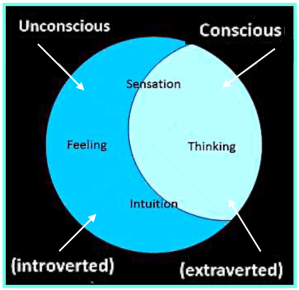
Kuhl & Fuhrmann postulated that human personality is a composite of inner processes for regulation – focused on maintaining the individual’s intended goals:
a. Ego transcendence – self beyond ego = overcoming the barrier between explicit & implicit self-regulation (thinking vs. emotions) – such as deliberately switching between analytic & holistic information processing (intention vs. extension memory).

Implicit self-regulation includes:
▪︎ Positive self-perception ✳️
▪︎ Self-motivation ⬆️ & self-calming ⬇️
▪︎ Action oriented failure management ➡️

b. Self-transcendence
– beyond self toward the other = connecting the I & the You, the capability to get & stay involved with another. NOTE: it’s the opposite of narcissism, where the self & the ego are fused

c. Spiritual transcendence
 – Generally, religious people show higher levels of emotional well-being than nonreligious ones, while also striving for high standards. Transcending experiences go beyond the space-time world that surrounds us, & includes a perception of divinity. (MORE….)

TIME & SPACE
DEF:
Transcendence – An experiential meaning-making process to form extraordinary connections within, & beyond the self – with other, in time & space.

Pamela Reed’s
 Self-Transcendence Theory’s assumptions:
a.  Human beings are integral to their environment
b. Self-Transcendence is a developmental imperative

Figure 1 shows a “healthy, open & multidimensional entity, with continuously fluctuating imaginary boundaries, existing within time.”
Past, present & future interact with the person. With transcendent development – their perception of boundaries becomes less distinct, so they can identify Self well beyond the physical & present moment….. and time can become less obvious to them, so everything, including boundaries (separateness), seen less affected by the passing of time.

Figure 2 represents one of an infinite number of possible scenarios for people who are unable to successfully develop self-transcendence. They have more distinct but constricted boundaries & a limited relationship to the external environment. The future is not well integrated into the present, & there’s too much identification with the past.

There is a strong sense of self, but it’s mainly focused on their physical presence, without any real connection to others, the world, or intangible truths (intuition, spirituality….) – ie. narcissism.

Our BRAIN’s GPS can help track time & distance, using grid cells – (originally done with rats). These cells “lay down the sequence of time & space that provide a framework for unfolding events” (a critical aspect of memory) says Howard Eichenbaum, at Boston U.
☆ Grid cells that act like a spatial map in the brain have been identified for the first time in humans, in new research by UCL scientists in the UK (MORE….)

NEXT: Maslow & Meaning

MASLOW – Transcendence, Level #8 (Part 1)


PREVIOUS: Additional Levels

POSTs: ‘Spiritual Resilience – 1 & 2′


TRANSCENDENCE – Level #8
DEF:
To rise above or go beyond the limits of a situation
▪︎ To triumph over negative or restrictive aspects of something
▪︎ A state of being or existence above & beyond material experience

Most Self-actualization traits involve making everyday life more enjoyable.
Self transcendence (SC),
on the other hand, is not about competing with others for basic (B) needs, but a personal journey of self-discovery. It requires personal effort – the willingness to change – with an awareness that succeeding is a combination of the personal “little I” & the bigger, universal “I”. Mystical experience is a particularly advanced state of self-transcendence, in which the sense of a separate self is temporarily abandoned altogether

As one of the developers of Humanistic Psychology, Maslow had an extremely positive view of humanity – valuing man’s goodness, dignity & intelligence. Spirituality is then mainly about personal development, connecting with other people & the world of nature.

Maslow’s systematic works, like The Psychology of Being, didn’t focus on the treatment of various pathologies (as Freud did), but rather on understanding & defining humans in their optimal state, especially regarding ‘peak’ experiences & self-fulfillment. Ordinary human unhappiness was ‘too easy’ to find. He wanted to encourage the healthy core of people achieve self-actualization, with which the highest spiritual good is realized.

“The fully developed (& very fortunate) human being, working under the best conditions, tends to be motivated by values which transcend his Self…. My satisfaction with achieving or allowing justice…. is equally outside & inside: therefore, it has transcended the geographical limitations of the self.” (1969)
Maslow believed striving for these highest needs is instinctive – beyond self-interest, considering wider holistic principles for the greater good, in service to others, & the pursuit of causes bigger than any individual

He thought Transcenders would be highly religious – regardless of which type, indicating his theory had a broad social application: “Culture is absolutely needed for their actualization, but it can also fail to actualize them, & indeed this is just what most known cultures actually seem to do, & have done throughout history.”

He pointed out that, if successful, self-trancenders often crave peak experiences. Beyond the routine of fulfilling deprivation (D) needs (#1-6), some people have extraordinary deep moments of understanding, love, even rapture, making then feel more alive, whole & empowered, yet a part of the world. They’re more aware of goodness, harmony, justice, truth….

Peaks are exciting & elaborate situations which become the most important things in their lives – the most precious & validating – their high spots. It could explain why some people gravitate to jobs such as policeman or firefighter, putting their lives at risk for others. (“PEAK” in biz)
Maslow believed such states are mostly emotional & temporary but not always flukes – there are people who can access them easily. He also thought that some self-trancenders may be saddened by realizing that others don’t have such hight moments. While he said that mature people (self-actualized) are most likely to have peak experiences, he felt everyone had the potential.

From Students’ Peak Experiences (1985), James Polyson found that most :
— occurred during athletic, artistic, religious or nature experiences
— during intimate moments with a friend or family member….
— when students achieved an important personal or collective goal….
— overcame some adversity or danger — or by helping someone in need

💙 However, Maslow eventually noted that with age, the intensity of the highs gives way to a gentler, more lasting state of quiet between the “orgasmic peaks of the mystic gone wild”. This he called high plateau experiences (more mental), which can be cultivated through conscious, diligent effort.

At the end of his life he cautioned against the ‘‘Big-Bang’’ theory of self-actualization, recognizing the need to value ‘patience for the awesome elements in ordinary existence’, combining miraculous & normal consciousness (Maslow, 1970), a state said to be the true & final goal of the mystic’s endeavors

“With today’s ‘fast food spirituality’ there is a pressing need to understand both the positive & negative poles of self-transcendence. Ferrer (2002) points out that Western transpersonal psychology’s emphasis on experiential processes & peak states…. have often neglected the proper preparations, maturity, & ethical scaffolding long-standing spiritual traditions usually provide” (Nicole Gruel, AU)
NEXT: Transcendence  #2

MASLOW – Pyramid ADDITIONS (Levels 6 & 7)

PREVIOUS: Maslow Level 5c

 2 MORE LEVELS
♦ Instead of focusing on what goes wrong with people (psychopathology), Maslow formulated a more positive account of human behavior which focused on what goes right.  Originally his Level #5 was: Self-actualization needs – realizing personal potential, self-fulfillment, seeking personal growth & peak experiences. (1943)

In his later years, Maslow changed his understanding of this level. He came to believe that the Self only becomes actualized by pursuing a higher goal outside itself – the need to connect to something beyond the ego, by helping others find self-fulfillment & realize their potential – & therefore transcendent in nature. But he also pointed out that it can go hand-in-hand with Level 1, because Belief is a great motivator.

In the 1970s he gave an expanded version of the Pyramid. Stages 1-4 remain the same, which – when provided for – help us develop “better life choices.” Between 4 & 5 he added 2 new ones, & a last one called ‘Transcendence’ – which Daniels (2001) thinks may be one of Maslow’s most important contributions to the study of human behavior & motivation. William G. HuittValdosta State University, GA
ADDED
#5. Cognitive  – (mental) Maslow observed that humans have a hunger to increase their intelligence, for meaning, predictability…., which motivates them to chase knowledge. It’s basically the need for truth, made up of the needs to know & to understand (both required for survival). 
It comes with a curiosity to learn, explore, discover & create – to better understand the world around us, which requires an openness to experience. This type of growth – when not fulfilled – leads to confusion & identity crisis. Maslow considered it a defining aspect of psychologically healthy people, & the unhealthy were people who had their truth needs thwarted. (More….)

#6. Aesthetic  – (artistic) The need to appreciate & actively search for inherently pleasing forms & balances, aesthetically new things , & opportunities to express oneself in many creative ways.

Maslow believed that humans are refreshed by nature, forming an intimate oneness with it by carefully observing their surroundings, to absorb the beauty that the world has to offer – all part of the path towards Self-Actualization. And just as with other missing needs, when people with strong aesthetic needs are deprived of them, they can experience stress & sickness.

STANDARD
#7. Self-Actualization  – (psychological) realizing personal potential, self-fulfillment, seeking personal growth & peak experiences (previous posts)

At this level, the obvious question is: ‘If someone is already self-actualizing, what then motivates that person? In looking for an answer, Maslow (1969) came up with “motivation by intrinsic values” that go above & outside personal self-interests. Self-Actualization and Transcendence are considered Being qualities, or B-values, whereas the previous ones are Deprivation Needs (D) which must be filled in order to function.

#8. Self-Transcendence (spiritual) – made up of universal values such as Excellence, Fairness, Goodness, Justice, Perfection, Truth…..& can include aesthetic, altruistic, mystical, religious, sexual, scientific…. experiences  (More in next posts)

Peter K. Gerlach, MSW has proposed YET an ADDITIONAL level: 
which could be called “Recovery” needs

Much has been learned about human behavior & motivation since Maslow created the original pyramid in the 1940s. He & his clinical contemporaries seemed to be unaware of childhood trauma or about Grown Wounded Children  – (Explanation + video. GWCs = ACoAs).

The cycle of inherited wounds + low parental nurturance + lack of self-awareness = can keep both adults & children stuck in levels 1-4, which blocks them from thriving.  Like ground fog obscuring a mountain peak, such damage can prevent living with purpose, & even shorten life.  People with significant unhealed wounds often lose clear focus of purpose & prioritizing ability that the True Self would be able to provide.

The one Gerlack suggests would go between levels #3 (Belonging) & 4 (Esteem), using a list of basic human needs – to Reduce early-childhood Wounds, & free our inherent True Self to make its own life decisions.
“This is required in order to develop…..
• a clear personal identity (who am I?),
• genuine self-respect & self-worth (vs. shame & guilt), & to grow a …..
• ….. stable sense of self-love, self-respect & self-confidence (vs. self-neglect, shame & self-doubt)”

“People guided by their True Self & clearly aware of their primary needs – are more likely to make core attitude changes where necessary, bringing permanent behavioral shifts.”
Editorial comment: YEAH for him!

NEXT: Pyramid Growth

MASLOW’s pyramid of NEEDS – Actualize (Level 5b)


PREVIOUS: Level 5a

SITE: 5 Way to Self-actualize

Maslow’s Original PYRAMID (cont.)

Level 5. SELF-ACTUALIZATION — KEY CHARACTERISTICS (Western-culture biased)

Self-actualizers (S-As) are people who have shed much of their unhealthy attachments & expectations, liberating them to enjoy flexibility & spontaneity. And because they focus more on their inner-guided purpose in life, so are able to leave wonderful & beneficial legacies.

SAs are not so concern with taking credit or casting blame. They don’t waste a lot of energy judging others, since they’ve come to understand the beauty & suffering of the path everyone is on.

While achieving SA goals is not ‘required’ for normal psychological development, it is required to be ‘fully-realized’. And even though these needs can never be totally satisfied, any gratification that is gained from ones efforts can spur people to keep on trying.
When motivated people do reach a specific big goal, they usually come up with a new one to work toward. But it’s also important to savor each success before setting off on a new adventure

Maslow noted that Self-actualizers often feel saddened, exasperated, even enraged by the shortcomings of the average person, which can be such a nuisance that it sometimes makes S-As bitter (1970)

Accept Reality: S-As can correctly evaluate & have an easy acceptance of Self, others & nature – without complaint, guilt or shame about limitations or shortcomings, & so are able to be gently honest with everyone. They aren’t confused by any disparity between the truth & an idealized self-image

• Appreciative: S-As have a sense of appreciation, wonder & awe about the world – the innocent way happy children do. Even simple things can be a source of inspiration & pleasure, so they don’t get jaded or bored with familiar experiences.
They can get very absorbed by & extract deep richness from subjective experiences, which can involve music, sexual enjoyment & appreciating beautiful things in nature

 Autonomous : S-As are self-contained, & confident in their own judgment, without having to lean on others or the outside world. Because SAs are driven by growth rather than deficiency needs, their sense of satisfaction comes from continually improving their life, as a result of their efforts  (⬇️ a SA goldfish 😄)

Having grown strong enough to be an ‘inner-individual’, they don’t need others to keep providing the normal human requirements of earlier levels, because they already they have enough & can add to them whenever things change.
They make up their own mind, having more free will than most people, & don’t need to convert others to their way of thinking or doing

• Creative : Altho this is part of every human interest & activity, level 5 creativeness is a special type – like the inborn, naive imagination of children – the sky’s the limit! While most adults forget to use this natural talent, S-As keep trying new things instead of getting stuck in a rut

Democratic : S-As are friendly toward & interact with just about anyone, without concern for differences in class, education, race, color, religious or political beliefs. They’re likely to protest against evil & tend to be less ambivalent or confused about their own righteous anger

• Discerning: S-As rely on their own judgment & intelligence to form opinions about people, situations & things, & are not easily influenced by external social trends or pressures

Ends, not means: S-As focus on where they want to end up, rather than getting caught up in means – the ‘how’. Most adults can’t seem to choose a goal before listing what resources & skills they have in order to move forward. These become screening devices used to decide what goal to try for – which severely limits their options

This is the opposite of how children operate – they want something & then figure out how to get it!
That’s exactly what SAs do – being open-minded, goal-focused, & willing to risk trying, the ‘means’ evolves in the process of doing

Ethical: S-As are confident in their evaluation of what’s right & wrong,   knowing the difference between good & evil, so are not confused or inconsistent about moral issues – not hypocrites. They’re aware of the ethical implications of all their actions

Growth oriented : S-As are always looking for opportunities to improve themselves & their environment. They know it’s a life-long process, have the courage to tackle the hard parts & try new ways to resolve obstacles

NEXT:

MASLOW’s pyramid of NEEDS – Actualize (Level 5a)

PREVIOUS: Level 4

 SITE: “Hierarchy or DOG Needs

Birth, life, achievement”
⬅ by DMT


Maslow’s Original PYRAMID (cont.)
Level 4. ESTEEM

Level 5. SELF-ACTUALIZATION

As mentioned in the Intro – Maslow & others have added more levels. In later years Maslow criticized his early version, saying that people can go beyond self-actualization by devoting themselves to higher pursuits outside themselves, such as altruism & spirituality (More later).
Supposedly level 5 can only be reached if all the others are satisfied AND mastered, which may be generally true, but as pointed out in Level 1, it’s not always a straight line, and for many highly driven creatives the Pyramid is revered.

However, in the original Pyramid, the last phase was identified as the Need to “be all that one is able to become”. The term self-actualization was first used by German psychiatrist & neurologist, Kurt Goldstein (1878 – 1965) to explain this human drive. The focus is on fulfilling ones potential, by being self-aware, pursuing mental & emotional growth, & acting on ones talents – determined by internal factors rather than external rewards

This stage is driven by creativity, spontaneous actions & morality. Issues / problems can often be resolved without pressure or violence, & reality is usually experienced thru the lens of a positive mind-set, without too many judgments

People who strive for these goals are not satisfied with their personal ‘status quo’, want to giving back to society, can sometimes have peak experiences, & are often supported by their social environment, yet are less concerned with the opinions of others

Maslow quotes: • “What a man can be, he must be.”
• Self-actualization is an ongoing process of fully exploiting ones talents & capabilities – using abilities & intelligence to do well the thing that one wants to do (Farther Reaches of Human Nature)

• It is desirable to make these goals conscious because they are the ideal aspirations of the individual, but they’re also the upper limit of possibilities which humans approach but practically never attain (1963)

Self-actualization is not something a person either has or does not have. Instead, it’s a never-ending process of working toward one’s potential – a way of continually living, working & relating to the world, rather than identifying oneself with a single accomplishment.
Great talent or intelligence is not the same as self-actualization. Many gifted people fail to use their abilities fully, while others, perhaps not so brilliant, accomplish a great deal.

Of course, not everyone has the same goals or dreams, so self-fulfillment is subjectively defined by ourselves, from being the best musician in the world, to being the best parent on the planet. One person may feel self-actualized because of their very important job at the UN, while another can achieve it from teaching children in a small town – so we don’t have to become famous to feel fulfilled. Whatever the goal, it’s the desire to make the most of life – the ultimate achievement in our own eyes.

The Pyramid is used in many different arenas of life, such as the pyramid of Trust, Family Practice…. see below. Also, updated Maslow – 2.0

CHILDREN: While their needs may seem simplistic compared to adults, when family & community can provided them well, they become the foundation for a good & productive life (More….)

SALES :  There is no one product that will satisfy everyone’s total identity – ie. all 5 levels (usually 🤪 one’s whole life isn’t built around owning the hottest sneaker, car, fashion….). So, what Marketers try to do is offer brands that appeal to people’s Level 5 aspirations, suggesting those products will (ideally) help consumers achieved them (More….)

Exp: Nike
 ads tailor slogans as sources of inspiration, & so connect with their audience, making them so successful: “It’s not how you start, it’s how you finish” , “Just do it” ….

ATHLETICS: Reaching the winners circle in any field requires hard work & perseverance, which includes having many positive qualities. Coach Wooden spent his career fostering greatness. His believed that to fully achieve success someone must first develop the building blocks of determination: 


NEXT: Level 5b 

MASLOW’s pyramid of NEEDS – Esteem (Level 4)

PREVIOUS: Level 3

 SITE:  20 Ways to Increase Self-esteem

** How to Build Self-esteem in a Child


Maslow’s Original PYRAMID Version (cont)
Level 3. LOVE & BELONGING

Level 4.
ESTEEM
Together, the Social & Esteem levels (3 & 4) make up the psychological aspects of the hierarchy – the ego needs. To achieve them, one has to accept who they are, as much as possible, which young people have not yet fully discovered.

This level deals with more complex aspects of life. Regardless of background, humans have the need for personal adequacy & achievement, competence & mastery, for independence & freedom, self-respect & self-worth, with confidence & strength to face of the world.
Maslow divided this level into:

1. Higher version / Self-esteem
All of us want to be more than just a featureless face in the crowd – to be known & appreciated as a unique, respected person. Maslow understood that having an Authentic Self allows people to satisfy esteem needs by appropriate external avenues, & by internal acceptance of our cognitive abilities, emotions & practical skills.

This insures that any respect gained will be legitimate – rather than from illusions produced by an idealized false self – respect which helps us feel confident & competent in dealing with others.

Maslow indicated that children & adolescents greatly need respect & a positive reputation, which precede real dignity & self-esteem.
Because self-esteem is so crucial for personal growth, a lack of it leads to discouragement, helplessness, weakness, depression, suicidal thoughts…… (More….)
Survivors of neglectful & abusive childhoods – such as continually being shamed – endlessly search for specialness & praise they never got. Yet the WIC will discount them when offered (“I really don’t deserve it”).

Reviewing studies of severe psychological disorders, & looking at the work of such people as Erich Fromm on Love & the stress of being untrue to one’s own nature, Carl Rogers on the Psychology of the Self, essays by Ayn Rand, theologians on pride & hubris.… remind us of the extreme importance of providing self-esteem needs, so we can feel necessary & useful in our life.

2. Lower version / Recognition – the need for the esteem of others – the universal desire for prestige. It includes status & a good reputation, dignity & importance, attention, recognition & appreciation, fame & glory, dominance &/or position in society or what is achieved in ones social circle. 

Externally, here people are striving to be involved with others rather than standing out as individuals. It’s about becoming invested in family or partnerships, where cooperation & trust are much more important than self-needs. It also goes beyond just having social relationships – it’s wanting to make contributions at home, at work & in society, and getting credit for them.

These needs were neglected by Freud, but have been stressed by more modern thinkers such as Alfred Adler & his followers, with increasing appreciation of their very real importance found among current psychoanalysts & clinical psychologists. Learning how to work well with others & setting appropriate boundaries are crucial to balancing self-esteem with getting esteem from others.

Negatively – At one extreme some people’s hunger for Importance or Domination make them over-focus on family & group needs at the cost of their own, creating distress for themselves & difficulty for others when they explode or burn out.
At the other extreme some ambitious types driven by low self-esteem become obsessed with needing Respect from everyone, or on Recognition thru money, fame, power, glory…..

And – unfortunately for the underprivileged or otherwise limited (psychologically or physically), our society harshly judges everyone on achievements (“What have you done lately? / How much money do you make?….”) without considering that many of such people’s Levels 1-3 needs are unmet, making it hard to develop their potential

Positively, It’s easier to provide these requirements by having a framework for recognizing & organizing them. Some avenues to fulfillment —
PERSONAL : head of household, pride in ones children
WORK: Job title & compensation, acknowledgement of accomplishments
FUN : sports, hobbies
SOCIAL : professional, academic & religious activities

Learning about Maslow’s levels makes it possible to understand & accept shortcomings in ourselves & others when seen as need-limitations rather than being bad or lazy. It especially helps us appreciate what we already have, & identify what we may lack so those needs can be worked on.

NEXT: Level 5

MASLOW’s pyramid of NEEDS – Belonging (Level 3)

PREVIOUS: Maslow Level 2


Maslow’s Original PYRAMID  (cont)
Level 1. PHYSICAL
Level 2. SAFETY
Level 3. LOVE & BELONGING
Affiliation
: This level is motivated by the human need to be accepted & belong. We are social beings, with the emotional desire to avoiding loneliness, depression & anxiety. We’re want to communicate with others & get positive responses, as a validation for our efforts to reach outside of ourselves. This requires an amount of mastery over levels 1 & 2, to have some control over getting these psychological needs met.

NEEDS
✦ admiration, acceptance, respect, trust
✦ companionship, affection, love, sexual & emotional intimacy
✦ extended family, friendship & other fulfilling relationships
• career satisfaction, work recognition & appreciation, belonging

ACTIONS: to marry, have our own family, talk to friends & strangers, be a part of communities & groups – professional, religious, fraternities, gangs, clubs, sports….. – & to contribute to society.

Providing social needs advances our tribal nature. Pamela Rutledge wrote that none of Levels 1-4 needs can be met without social connection & collaboration, without which there is no ‘continuing’ of the group. In the distant past small bands of humans could not have been able to build a secure structure, defeat a woolly mammoth, or care for children while hunting – without a team effort.

It’s even more true now. Our reliance on each other grows as societies have become more complex & specialized. Connection is a prerequisite for physical & emotional survival. (Social Networks: What Maslow Misses)

However – traditional social structures & support systems are rare in our modern society, making it very difficult to form & sustain long-term relationships. We’ve ignored or forgotten the importance to our well-being of safe & – encompassing, enjoyable, enlivening, encouraging – neighborhoods. The sexual revolution, increased mobility, unemployment & the breakdown of the family have left many feeling disconnected & unfulfilled.

Maslow said that unmet needs at Level 3 are the primary cause for mental disorders. “We have largely forgotten our deep animal tendencies to herd, to flock, to join, to belong.” These needs suggest why consumers gravitate to such events as Jimmy Buffett’s Parrotheads, or choose brands like the Harley H.O.G, which encourage a sense of connection & belonging.

Truly healthy family are a treasure – but rare. In 2016 an analysis of Maslow’s Level 3 revealed that most people have a great deal of generalized anxiety.
We see being part of a community (even an unhealthy one) as protection, so are deeply afraid of being rejected by whatever group is important to them. Unfortunately, fear-based stuckness – in unhealthy family, religious, work… environments – leads to a psychological dead-end street, preventing or slowing personal & social growth.

RESPONSES:  One way to foster connections & community is to teach young people social & emotional skills which will contribute to improved academic achievement, & later to participating more easily in whatever social settings they choose.
Todd Helmus in Science Daily wrote that (social visionaries) “contend that we need a ‘whole-child’ approach to education that aims to nurture the full range of skills & capacities that will help children of today become healthy, competent future adults……”

An evidence-based social & emotional learning (SEL) curriculum was given in inner city schools to children in grades 3-6. Many participating students showed improvement in reading, writing & math – on independently administered state mastery tests given in later grades (compared to students who had been in control groups). (PATHS: Promoting Alternative THinking Strategies) 

✦ An obvious response to our emotionally & physically shattered communal life – is the global passion for social media. The need for connection is so strong that we spend (too?) much of our time glued to tablets & iPhones. The irony is that the machine has displaced face-to-face interactions, but apps like Skype & WhatApp help

✦ At the same time – long-standing in-person groups such as all 12-Step Programs (AA, OA, GA, DA… & their companion groups Al-Anon,  O-anon, Gam-anon…..) have been highly successful both for their healing power & for emotions/social connectedness. Now, phone meetings are also available

MeetUp, started in NYC, is another successful in-person organization providing small group participation around hundreds of topics for like-minded adults (psychology, networking, dating, arts, food, sports…..)

Active synagogues, churches & mosques, as well as non-traditional spiritual or healing groups also fill the gap

NEXT: Maslow Level 4

MASLOW’s pyramid of NEEDS – Safety (Level 2)

PREVIOUS: Level 1 needs


TRADITIONAL VERSION (cont)
Level 1. PHYSICAL Needs

Level 2. SAFETY
Security – physical & psychological needs which can never be ‘perfectly’ satisfied.
People constantly try to predict the future to help decide what to do next, or over the long term. If we predict the likelihood of coming to some harm, we’ll feel unsafe. The greater the potential danger – the greater the fear.
So Security Needs have to do with people’s yearning for a predictable & orderly world where their sense of unfairness & inconsistency are under control, the familiar frequent & the unfamiliar rare. This can translate into a desire for order, health & peace.

This level definitely applies to children, who are very vulnerable, & so have a legitimate need for security. When that’s not available, they can develop anxiety, & the drive to feel safe becomes a life-long desperate pursuit.
In the absence of physical protection, as in war, natural disasters, domestic abuse or trauma…. people can develop PTSD & addictions, & then pass it on to following generations. EXP: fear of abandonment (FoA) leads to people-pleasing, avoidant attachment or isolation….

However, when this level is adequately provided for in childhood, adults don’t usually think about it much, except in times of personal threat or social turmoil. But since a true feeing of security is rare in the world, responsible adults do find various ways to cover important personal & family protection needs.

Safety – This is the feeling we get from knowing no harm will come to us, physically, mentally or emotionally – to live without stress and worry. Fulfilling these needs can makes us feel assured that even if big problems happen, we’ll still be OK. Safety factors can include —

• Physical: health care, safety nets against accidents, illness & their debilitating effects – such as car & health insurance, burglar alarms….
Also – better quality food, vitamins, medicine, household products….
& being free from physical & sexual abuse
• Personal : general well-being – housing / property, a stable life-style, safe neighborhoods

• Psychological : external protection from prejudice, bullying, taunting, teasing …. and internally – eliminating all forms of cruel self-talk, negative projections & victimhood
• Emotional : being free of verbal abuse, emotional blackmail, threats of abandonment, silence as punishment……

• Social: protection for one’s family, being part of a community, law-&-order-morality, protection from criminals….
• Work / financial: job opportunities & job stability (often chosen over job satisfaction), saving accounts, pension / retirement plans….
• Spiritual: a close connection with Higher Power, trusting in the safety of faith in an unsure world

COMMENTS from HCCUA    (re. healthcare costs )
“Adults require the same basic needs fulfilled – as children – before the next level becomes a priority. Many people spend their entire lives looking for employment & financial resources, without ever having the desire to express themselves artistically or be recognized by their peers for social contributions.”

So things like art lessons may not be the best choice if one is struggling with money issues, lack of employment or the possibility of losing one’s home. And it’s unlikely that imagination, social contributions, inventions or other achievement will be their priorities (#4 & 5)

✦ The Pyramid hierarchy does not negate being able to enjoy some things from higher levels unless we have all of the elements below it in place, only that a sense of fulfillment won’t occur until that happens.

If someone is constantly chasing esteem & respect, chances are they’re not very concerned with morality & truth (#5), only about their own situation & needs. They might have some interest in those qualities, but their sense of fulfillment will come when the previous levels are sufficiently met – if at all –  such as being respected & admired.

By noticing where each member of the family is on Maslow’s Pyramid, parents can more easily address the needs of their children, & mates can help each other move to a higher level of personal fulfillment. Likewise, couples have to feels safe with each other before they can move into true intimacy & sexual fulfillment (#3 & 4).

NEXT: Maslow Level 3

MASLOW’s pyramid of NEEDS – Physical (Level 1)

PREVIOUS: Maslow’s Pyramid (Intro #2)


Original PYRAMID
Maslow
started with 5 levels, but later in life added 3 others (future posts)


Level 1.
PHYSICAL Needs

a. Homeostasis : required biological compounds that maintain internal, biological balance, such as appropriate concentrations of salt, sugar & water in the blood. If any one of these is ‘off’, we have an urge to eat foods that bring these levels back into balance

b. Non-homeostatic : essential for survival of the organism, such as eating, drinking, sleeping, breathing, sex, environments that allow for a constant body temperature, good working options……
If any one is missing or deprived, it will immediately get the highest priority

Both categories are deeply rooted in biology. So if someone is stripped of material possessions & psychological identity (as in jail or in war), physical needs will be the main push behind all actions, with a constant search for places to provide them

All basic needs have to be continually replenished throughout life. 🤑 EXP : At a large bike rally held near a Wal-Mart, employees noticed that when temperatures went above 88º, beer sales went down & water sales went up.

EXP: FOOD Pyramid
USDA’s original pyramid is outdated & has been replaced by Dr. Walter Willett et al, at the Harvard School of Public Heath. It’s explained in Eat, Drink, and Be Healthy, which gives the scientific basis for each of the Healthy Eating Pyramid’s building blocks, based on the best science available. It’s considered the right balance of 50% carbs, 15% protein & 25% fats, which can prevent some diseases & prolong life. (ALSO…)

🍎  😴  🔥 😛
♦ EXCEPTIONS – In real life, Maslow’s hierarchy doesn’t always follow his fixed order : 1,
a.
Physiological & Safety needs are of the body (Level 1 & 2).
• Levels often combine out of order, so when resources are scarce, it’s possible to compensate by getting a higher level Need met instead.
EXP: If there’s not enough food, or living conditions are unsafe, “Love/ Belonging can help a great deal (#3 over 1 & 2) – as in Dolly Parton’s childhood, memorialized in “Coat of Many Colors

b. Love/acceptance & Esteem are needs of the ego (#3 & 4).
Although Self-esteem first comes from being loved unconditional, later – it comes from succeeding at activities that are hard but doable.
Also, Esteem can pair with Safety – to be able to take risks, to fail, to look foolish…. (2 & 3)
In general, people tend to deal with food & safety needs appropriately. Re. food – we move toward things that satisfy hunger, or when very scared, we run away or fight. (FFF)

However, contrary to Levels 1 & 2, combined Love & Esteem needs (#3 & 4) can drive actions that make things worse.
– Those who get love become more lovable. But not enough  love will make people jealous, possessive, or otherwise undesirable, leading to more deprivation
– Those who succeed become more successful. But trying & failing at too many things or at one thing too often, makes people fearful & dejected, which lowers their performance, further undermining self-confidence, eroding success

Another difference between points a. & b. (body vs ego) is that, as adults, we can meet Levels 1 & 2 needs more or less on our own, but we look to others for Love & Esteem (#3 & 4) – yet chasing people down for those needs drives them away

And in some cases a need might be completely absent: “Some people who have been deprived of love in early childhood (Belonging) may experience the permanent loss of love needs”, leading to withdrawal & severe isolation.

c. Basic needs can combine with Transcendent, Spiritual soul needs:
Once each year Muslims celebrate the Holy month of Ramadan (#8 – added version), when they don’t eat or drink anything from dawn to dusk (#1) while still having to be productive in their daily lives.

🔥 ACoAs – We think / feel that we’re starving for love & approval (#3) – & we are! – but sadly, we carry a deep injunction against being loved – as if wanting it is a character defect.
And our WIC is convinced we can’t love anyone. NOT true, but for us, Safety (2) is more important than Love (3). So, many of us are stuck at #2, because our family denied & distorted somethings from each level, leaving us terrified – in deprivation mode. Recovery is about providing as much of #1 & 2 as we can, in order to Heal & Grow.

NEXT: Level 2

MASLOW’s pyramid of NEEDS – Intro (Part 2)

PREVIOUS: Maslow – Part 1


MISUNDERSTOOD –
At the time, some psychologists considered this hierarchy to challenge other models as either superior – to be feared, resented, or boot-licked, & admired, OR inferior – to be scorned, humiliated & dominated (Maslow, 1943a, p. 402).
But it was not his intention for it to supersede or be superior – it was mainly to be used as a logical framework to understand human motivation.

T.E.A.: The Pyramid of Needs does not refer to intelligence levels or talent. Instead, it’s about the never-ending process in life of making our potential a reality – living to the fullest, without the limitations & toxic thinking we grew up with. It’s about learning to trust our own judgment (T) & our inner feelings (E), & to act accordingly (A).

Maslow identified the first 4 levels – physical, security, social & esteem – as deficiency needs (DN), which have to do with deprivation – basic things that must be attended to or provided. Satisfying them avoids unpleasant feelings &/or consequences.
The higher one deal with growth needs – later called BEING-needs (BN), which is not about a lack of something, but a desire to improve oneself. He made happiness & self-fulfillment (Level 5 – & much later ‘Trancendence’) a central part of his life’s work – convinced that following our personal instincts leads to more accurate decisions about what’s truly right for us as individuals.

As one grow / mature further up thru the stages, each need becomes less about survival, & more about emotional issues. We have the opportunity to trust ourself….. to trust that we’re safe now, so we can step outside our self-limiting ‘protective’ shell.

Idealistically, at first he believed that we all want to move up thru the Levels toward self-actualization – the highest achievement – an expression of the True Self. Eventually he understood that not everyone is interested in or is willing to try. Also, knowing that progress is often disrupted by unforeseen circumstances out of our control, he realized very few are able to become fully self-actualized.

He also recognize that not everyone follows the same pattern in working their way up to the top. EXP: Someone may need self-esteem more than security….
While the pyramid levels may seem logical & straightforward, in practice moving up the ladder is a complex, life-long process. It’s rarely smooth, often thwarted by :
• getting stuck at the lower levels if the needs can’t be met for some reason, or because the person won’t risk moving up
• life’s unpredictable ups-&-downs can keep someone constantly fluctuating between level
•  society only rewards motivation based on social needs such as money and power-positions.

In relatively ‘normal’ families (healthier than ours), the first 4 levels help children develop the capacity to make good life choices. This went seriously off track for us, so we need to go back to the beginning – applying what we’ve learned as adults to correct distorted beliefs, replacing them with compassion & the right info – to take better care of ourself & more easily connect with others.

INFORMATION wanted at each level
at #1 (physical) we want coping info, to meet basic needs. Anything that doesn’t directly relate to quickly providing survival & sustenance is simply ignored
at #2 (safety) we need helping info, looking for ways that others can make us feel safe & secure
at #3 (love & belonging) we want enlightening info, perhaps found in books, classes, therapy…. on relationship development
at #4 (esteem) we look for empowering info – how our Self can be developed
at #5 (Self-A), we want edifying info (cognitive, aesthetic & transcendent/spiritual) so we can connect to something beyond ourself, and to learn how we can help others.  (Norwood – 1999)

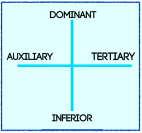
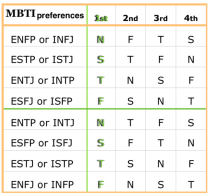
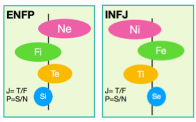
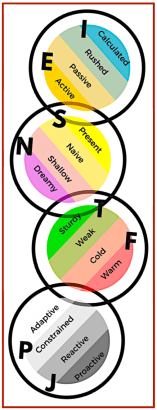
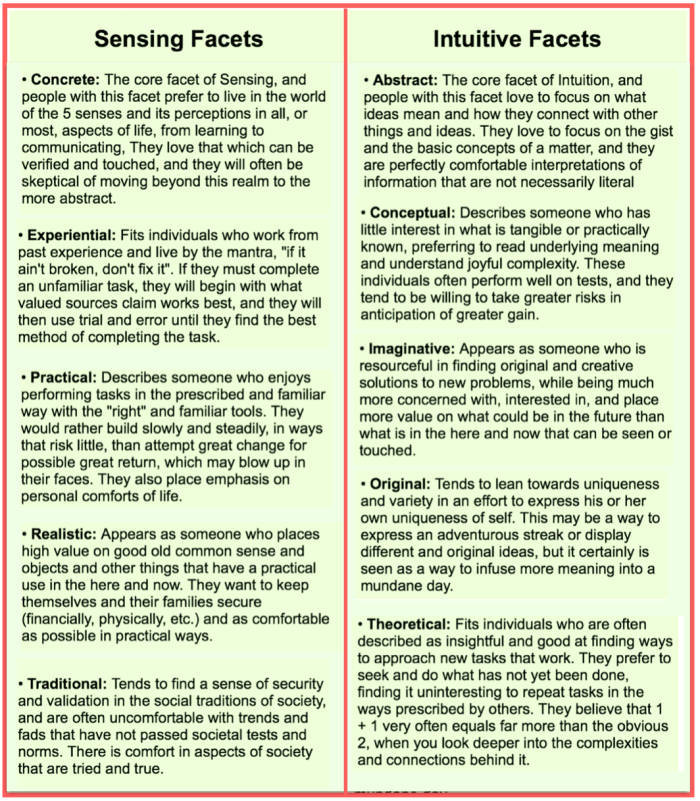
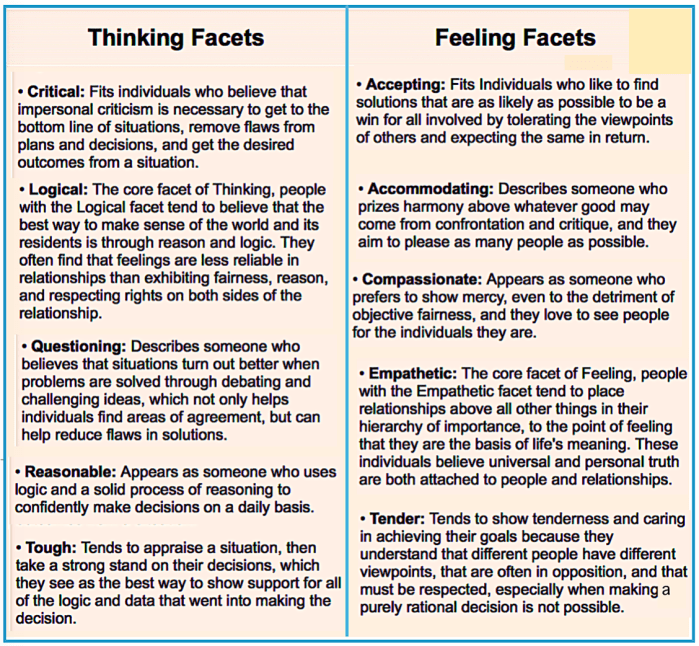
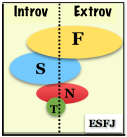
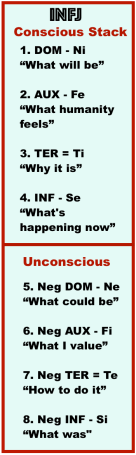
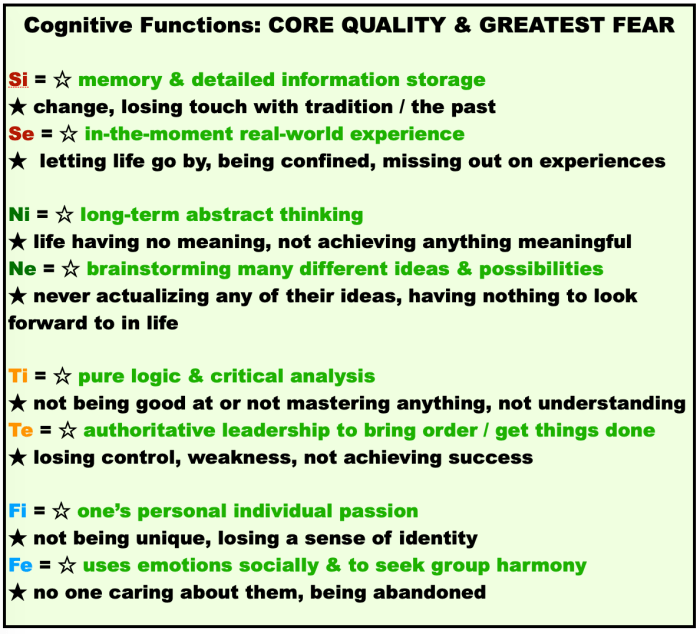
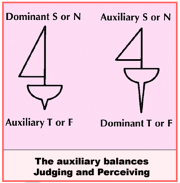
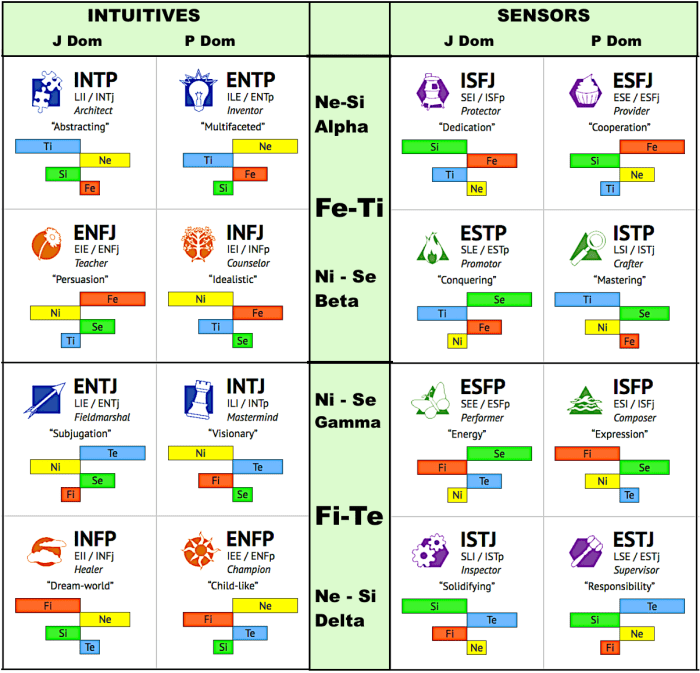
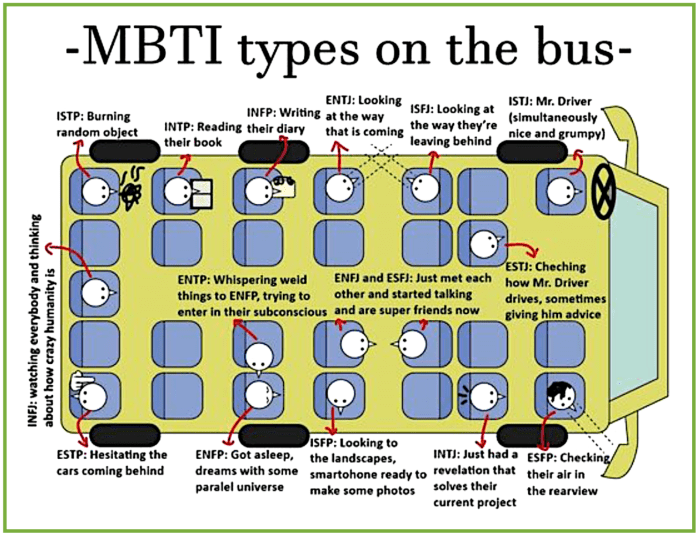
Since Maslow’s Pyramid (1940-50s), there have been many other ways to classify personality traits / dimensions : Enneagram, MBTI, the Big Five, D.I.S.C., Holland Code, Burton…..,  and C.P. Alderfer, who compressed Maslow into 3 categories (Existence, Relatedness, Growth).
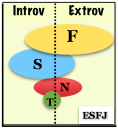
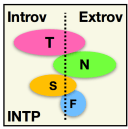
Note differences between I vs E needs.  (CHART- combo)  ↓↑
«

«
NEXT: Level 1