ACoAs & Being DISAPPOINTED (Part 3)


PREVIOUS:
Disappointment #2


EXPECTATIONS (cont)
1. COVERT (Part 2)
2. OVERT Types of Disappointment
The less we take care of ourselves, the more needy we are, yet may reject or ignore the help & resources available.
We pick people to ‘rely’ on who either don’t have what we need, or are too self-absorbed to reciprocate, especially if we’re acting the Rescuer / People-pleaser. That drives the WIC to desperately keep look outside of ourselves to provide, for as long as we aren’t willing to take on the Loving Parent role.
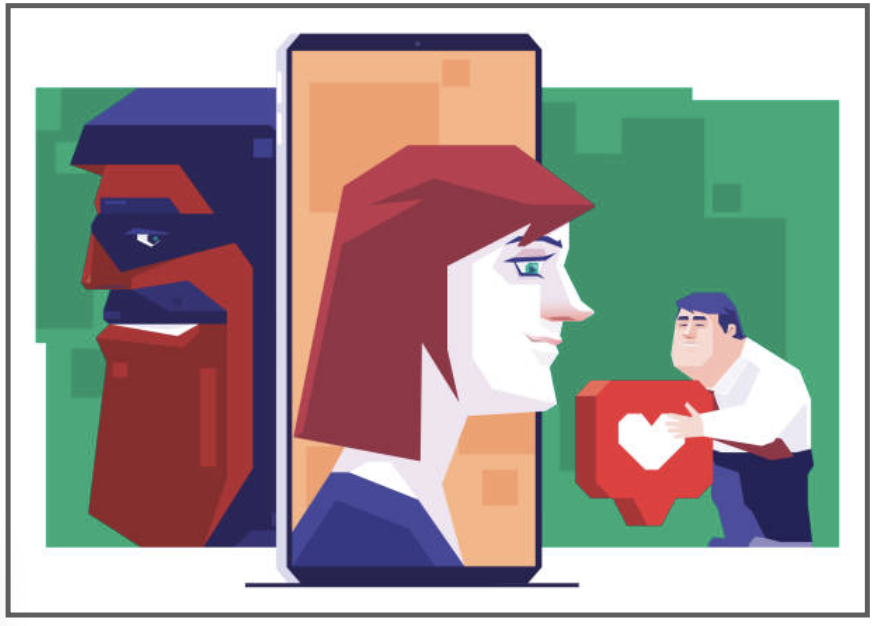
• We believe whatever a particular person says, especially things we want to hear (like promises, compliments or endearments) – even though they’ve consistently proven themselves not trustworthy or dependable.  EXP: “I’ll call you tomorrow” but never does. “I love you”, but is needy & selfish, or withholding & critical

• If we have the courage to actually ask for something, & are ‘promised’, but then they don’t come thru, we’re disappointed. We’re angry, even withdrawn, but are afraid to ask “What happened?”

📣 If you’re an extrovert, & feisty, you’ll try to get more of what you want from the person or situation, but angrily, maybe even attacking (the teacher, the belief, the procedure) – & then leave, or keep trying to “force solutions” (in the Al-Anon intro)

Disappointment (D) works like this wedge ⬇️
If our self-esteem & safety depend only on our circumstances, we’re in trouble, because circumstances are always changing. There are too many variables for them to remain the same.

• Too much Disappointment as kids left us Discouraged & frustrated. We didn’t have that many options, & even when we did try to get our need met, most of the time they were thwarted &/or we were punished.

• Slowly the wedge was driven deeper, & we began to be Disillusioned. For many of us this happened very early in life. The more disenchanted – before we could handle the reality of not having a safe family – the greater the need for illusion.

ACoAs have an over-developed fantasy life, based on hopes & wishes without permission to achieve them. This type is not not productive. However – healthy fantasy can be used to fuel our dreams, which then need to be put into FORM

• As Disappointment invaded our psyche even deeper, it lead to Depression. This D. is about loss, whether something we once had, or about all the things we were deprives of.

• Ultimately we end in Defeat. It’s the “Learned helplessness” syndrome. The WIC  thinks that if we’re going to keep getting disappointed, there’s no reason to keep trying.
This is how many ACoAs plod along – barely surviving ‘quiet lives of desperation’. And it all started with years of Disappointments!
SITEs: Christian perspectives 1=Response // 2=Dealing with 

DISAPPOINTMENT & the BRAIN
The pain in our brain after a disappointment is realm because it processes unhappy experiences as events that undermine our balance & well-being. The basic reason is that disappointments are processed in the limbic system, the brain structure linked to emotions.

We know that the body releases endorphins to relieve pain as much as possible when receiving a blow, cut or burn. The brain reacts instantly to the message sent by injured receptors.

However, the same doesn’t apply to psychological “wounds”. Even though the brain interprets disappointment as an ‘blow’ to emotional balance, it doesn’t respond with endorphins. Instead, we experience frustration as physical pain, such as headaches & muscle tension, as the levels of helpful neuro-transmitters decrease.

Neurologists say that the mechanisms of depression share processes & structures with those responsible for disappointment. A neural “jolt” happens before every disappointment. There’s a sudden decrease in serotonin, dopamine & endorphins. So, all those molecules responsible for well-being momentarily stop.

NOTE: We can reduce the impact of these experiences by re-directing them to our cerebral cortex. That is, we must use reason, focusing on the unfulfilling experiences more objectively, correcting negative thoughts.

NEXT : Disappointment- #4

ACoAs & Being DISAPPOINTED (Part 2)

disappointedEVERYONE LETS ME DOWN – so I stay away from everyone

PREVIOUS: Disappointment – Part 1

SITEs: • “How to Cope with Disappointment

▪︎ Psychology of Disappointment

EXPECTATIONS (Review posts – Over and Under)
No matter which form it takes, expecting others to fill our empty heart & mind, instead of being pro-active, means:Screen Shot 2016-05-31 at 10.13.44 PM
• the WIC is still running our life, waiting to find the ‘right’ parent – magically – so we don’t have to care for ourselves

• we’re functioning from our narcissism – always from the point of view that “Everything is about me!” (and against me)
This assumption was not true about the abuse we grew up with, & it’s not true about what people do to us & around us – now. (ACoA 3 Cs : I didn’t cause – the chaos & trauma”)

We know this because when WE change, in Recovery, those same hurtful responses from others seem to bother us much less!
ARTICLE: “Managing Negative Expectations” w/ chart

ACoAs get disappointed (D) by so many things, because the WIC desperately wants the world to be a certain way (to meet all its needs) rather than our Adult noticing AND accepting the way things are – both good & bad – in our environment.

IRONY: With reality in clear view, we can get our needs met by choosing among the many options that are actually available in the present!

1. COVERT Types of Disappointment
Because we’re not allowed to know our wants, needs & emotions, NOR to ask for anything, we imagine (silently expect, demand) that others will read our mind & provide for us – which comes from the WIC

• We truly believe that if we want something a certain way – without saying it – it will automatically happen
EXP: Your B/day (or any holiday that’s important to you) is coming up & he hints that you’ll do something together. You have it all planned out – exactly what you want to do, how it will look & feel.
But you never say any of it.

Then the day comes & it turns out Screen Shot 2016-05-31 at 10.12.55 PMvery differently – maybe not bad, but not what you imagined. Now you’re angry at him, unappreciative, cranky, attacking – OR you decide he doesn’t really love you at all, you don’t feel the same about him…..

OY! You’re deeply disappointed, but how was he supposed to know?

• We naively assume that everyone means what they say, OR will do what they promise. To ‘feel’ safe we need to believe that others are as literal (& ‘responsible’) as we are
EXP: Josie says she’ll bring the book to work tomorrow that you’ve been wanting to borrow. You not only believe it, but count on it, looking forward in anticipation. Tomorrow comes & she’s ‘forgotten’ the book. You’re angry. You’re convinced she’s messing with you, she lied, she…..

• When going into a new situation (class, work, relationship), the WIC presumes they will be safe, needs the people to be helpful, informative, consistent, appreciative, respectful…. & then they’re NOT. Sometime it/they turn out to be very ‘bad’, but most of the time they’re just not what we secretly (unconsciously) needed & expected.

We’re disappointed, so we get depressed or really mad.
📢 If you’re an introvert, or still in Victim mode, you’ll just sulk, withdraw, not participate, sit in misery, or leave without saying anything

NEXT: OVERT

Positive  HUMOR  from Grant Snider

NEXT:    ACoAs  & CONFUSION

ACoAs & Being DISAPPOINTED (Part 1)

empty promises I CAN’T TRUST ANYONE – I’ve been disappointed too often

PREVIOUS: Anxiety & T.E.A. #3

QUOTES: “Longed for him. Got him. Shit.” ― Margaret Atwood

“Disappointment is a sort of bankruptcy of a soul that expends too much in hope & expectation.” ― Eric Hoffer

DEF: The feeling of dissatisfaction that follows the failure to manifest of expectations or hopes, with the focus on the outcome, rather than the poor choices one may have caused the failure – decisions / actions that got one there

• Decision Analysis studies many different topics, including Disappointment – its causes, impact & degree to which individual decisions are motivated by a desire to avoid it.

FROM the Regret & Disappointment Scale:
“The emotion most frequently studied by decision theorists is regret, the counter-factual thoughts that create emotions – when realizing or imagining we would have had a better outcome if we’d decided differently.

Regret depends on a Choice made in the past which led to an unfulfilling action – later causing  counter-factual** thinking.
And the intensity of regret depends on – whether suitable alternatives were available (to the person at the time) but were not chosen.
**Counter-factual thinking is picturing one or more outcomes different from what actually happened. It’s when we obsessively think  ‘If only I had… What if it hadn’t….”

Psychologists & economists have been investigating the relationship between Regret & Choice since the early 1980’s. The emotion of disappointment is also based on counter-factual thinking : when we keep wishing events had turned out more to our liking.

Although regret and disappointment are different emotions, they’re both generated by comparing “What IS” reality with “What might have been”.(MORE….)

ACoAs have very intense reactions to being disappointed (D) – either with outright rage OR deep depression, depending on the strength & importance of the unfulfilled needs, and how long we were deprived of those needs.
This to be such a big issue for ACoAs, which tells us how constant & overwhelmingly abandoned in PMES ways we were as kids – first & foremost by our parents, & then by everyone else who let us down.

• We needed them to be there for us, to encourage, guide, protect, validate, mirror, love…. & they either did these things sporadically, incompetently or not at all.
Constant, endless disappointment in our caretakers (also teachers, relatives, baby sitters…) has left us with a very big wound. It’s one of many wounds – & some of us have buried it so deep, we don’t evedisapponted catn recognize it when it happens again in the present.

To be disappointed we must:
1. have a need ( + desire, wish, dream, hope….)
We may not even know we have a particular need or wish, because we were not allowed to have them, or if we did, we were told in many ways, over & over – that they were not legitimate, were selfish, were dumb….
AND must :
2. (secretly) expect that need to be met.
Since we’re still not allowed to have them, we not aware that they’re always in the background. We still have needs, just by virtue of being alive. But since they go unmet – they can never go away, like being hungry but barely eating anything if ay all – OR eating empty calories & harmful foods / chemicals…..
For many of us, the greater a specific need, the more desperate we become – waiting for someone else to do something for us we should be doing for ourselves or can learn how to
and must :
3. not get that need met : We can track deprivation of need, hopes, wishes….  by the intensity of our reactions when we don’t get something we (unconsciously) longed for, actually asked for or tried to get in some indirect way.

❥ HUMOR from Grant Snider


NEXT: ACoAs & Disappointment – Part 2