
 I’VE GOT TO BE NICE
so they won’t see my anger
PREVIOUS: Symptoms- in us
SITE: Co-Dependency (includes characteristics Qs)
<— Inner children in adults
IMPORTANT: as you scroll thru these various lists (this & the previous), do NOT use them to berate yourself. If they are primarily psychological rather than medical, they tell us our degree of woundedness, embodied in the False Self. We did not cause these patterns, but it is our choice & option to correct them, a little at a time.
• Looking at Plutchik’s “Emotion Wheel” – we see that anger & fear are opposites – so:
— if we are only aware of or act from being anxious, depressed, feeling like a victim – we’re hiding intense anger we’re afraid to admit to
— if we are in a continual state of anger, rage, resentment & hostility – we are denying feelings of sadness, vulnerability, hopelessness & fear
NOTE: Some things in the list will seem counter-opposite, but can in fact be different sides of the same person, like – act Superior on the outside, feel Inferior on the inside, calm on the surface, but roiling inside…..
ALSO – you don’t need to identify with everything to say you’re hiding rage, & as stated above, some of these things can be caused by sources other that repressed Es (medication, temporary intense stressors, a major illness….).
See —- upcoming — statements which signal indirect anger
How CO-DEPENDENTS behave
Behaviors
• anticipate needs of others & supply them before being asked
• do much more than you’ve been asked
• ‘love-buy’ – overspend on gifts, tips, treats
• overly-kind (one of the subtlest forms of anger – think of Dexter, TV‘s good-guy serial murderer bringing donuts to work)
• overly responsible at work, trouble delegating
• put yourself at risk rather than refuse someone’s request
• rarely buy anything for yourself
• women often financially support their spouse

Communication
• agree with everything others say, or just smile
• complain to everyone about your relationship dissatisfaction except to the one involved
• laugh at jokes that are not funny or you’ve heard many times
• listen endlessly to other people’s problems & complaints, who never do anything to improve their life
• mistake honest, respectful dialogue for malicious confrontation
• only hint, obliquely, at what you want or don’t like
• patronize (as in the Southern phrase “Bless your heart!”)
• repress, deny, ignore true thoughts & emotions (dishonesty)
• won’t speak up against disrespect or abuse (Bystander)
Relationships
• cause many ‘little problems’ that irritate your partner, & then seem surprised
• don’t say what you want, like, need…. but expect others to mind-read
• don’t go places or do things if your mate isn’t available or interested – then sulk, complain, cold-sho ulder
ulder
• imagine worst-case scenarios even when things are going well
• go to any length to not rock the emotional boat
• keep attracting partners that are overtly angry, P-As & narcissist, so you can keep being secretly angry – at them
• keep bringing up old complaints with children or mates
• keep recycling old ways of dealing with complicated situations, without looking for better alternatives / options
• pick & stay with addicts, so you can fix them (control)
• refuse to leave harmful or ‘dead’ relationships, & make the other person responsible for ending it
• re. sex – women – refuse to ask for what you want/like, never initiate, undermine mate’s sense of adequacy & skill, refuse to respond, lack of desire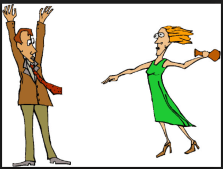
• take a partner ‘hostage’ by needing them so much you can’t live without them, make them your whole world
• terrified of being dominated, & weakly try not to be, but unconsciously act dependent, indecisive, unsure, non-assertive, with weak or no boundaries
• withdraw from anyone you like, if it will prevent conflict – without explanation
NEXT: Co-Dep behavior #1










 HEAL & GROW for ACoAs