MBTI Type – ISTJ

PREVIOUS: ISTP


The INTROVERTS

👠 👠 👠

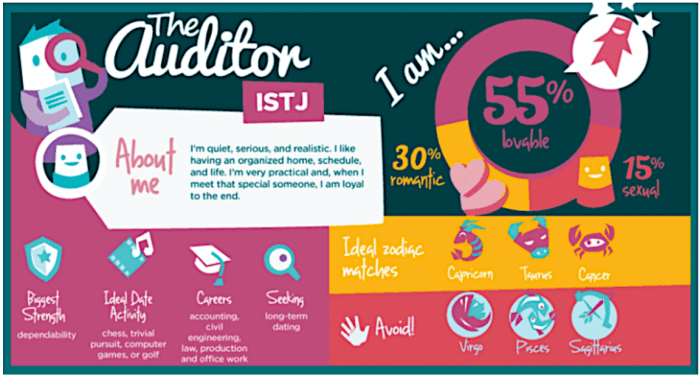
ISTJThe DUTY FULFILLER / Examiner / Inspector
Introverted-Sensing-Thinking-Judging

🔑 Most Responsible
/reliable

(11.6% world-wide) (16.4% ♂︎  // 6.9% ♀︎) The Rule lover // Enforcer

NATURAL – ‘Doing what should be done’
GOAL
: to Prepare.

ISTJs are quiet & serious, interested in security & peaceful living, usually supporting or promoting establishments, because they value traditions & loyalty.
Their successes come from thoroughness & dependability, with a seemingly endless capacity for improving anything that takes their interest, because they have the unusual combination of imagination & organization.

They can be hard on themselves & others on work projects, & anyone caught slacking will lose their respect. Although extremely dependable perfectionists, they don’t get trapped in it, because of the pragmatic rule: “Does it work?”

ISTJs take pleasure in making everything orderly & organized – in all parts of life. Practical, matter-of-fact & realistic, they’re known for having well-developed powers of concentration, who work steadily towards goals regardless of distractions. They decide logically what should be done & work toward it steadily. (More….)

They’re : conscientious, conventional, compulsive, command-ing, logical, need order, organized, realistic, reserved, practical, private, follow rules & regulations, supportive, systematic, thorough, traditional, trustworthy
«
Hidden side: They can be quite vulnerable, getting depressed & anxious when faced with a difficult decision – because of their strong sense of accountability.
At the same time, they’re sillier, softer & stranger than most profiles dare to mention, and more than ISTJs themselves realize. Some become so firmly set in their habits they may not notice how idiosyncratic they are. They can also have a knack for puns & poignant descriptions, though most people would never peg ISTJs as ‘poetic’.

• Life’s Purpose : To do what must be done.
• Their Law : You shall never be lazy.
• They Comfort others by saying: What the f– are feelings?

• They Say : I’ve completed everything according to the rules. When I give my word,  give my honor. WHAT are you doing?
Catchphrase : Do right & fear no man

Communication : Advice – Stop talking about the weather. They may be caught up with whatever they’re doing, but they’re available for a conversation when not busy. It’ll be fun.

Weaknesses : Tend to blame others, unusually impulsive, decreased efficiency, perfectionist
Manipulate : They have step by step instructions on how to judge & criticize you

Paradoxes : Dependable AND rigid. Need to obey authority AND need personal attention. Modest BUT proud, least weird of the types – making them a little weird

Value: dedication       • Fear : Not able to fulfill responsibilities
Judge people by: their competence
Are Judged for : not being dependable

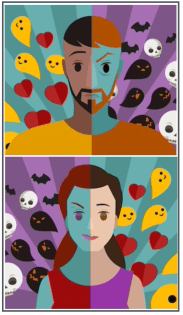
STRESSED by situations in illustration. They’re cool-headed, but get hard like ice.

Under stress (Pure melancholy) ISTJs tend to see others as overly subjective & weak, which makes them think it’s time to take control & set things right. They can become domineering & uncompromising, assume their logic is the only valid standard, & try to impose it.
While they crave personal contact & affection, they won’t give in to their emotional side. They blame others for being corrupt, biased & disrespectful so that a self-righteous anger takes over.

Stress triggers can be things that challenge their natural preference for structure & logic. They can be accusatory & pessimistic, tending to withdraw & shut down. As the pressure becomes intolerable, psychological valves open to release frustration in inappropriate ways: bursts of anger, impulsive behaviors, excessive drinking or eating……

Hate : being nagged, being useless, under-performing, failing a test, letting others down, lack of honor, being misjudged, asking for help because it make them feel they’re burdening others, lack of leadership, someone behaving like Zooey Deschanel,

Don’t argue with ISTJ when they’re having : faith in you
Never : mislead them
Never tell them : “You didn’t even try”

GROWTH
Advice: You can’t fit others’ individual differences into a (your) mold

ISTJs can become set in their ways, seen as rigid & impersonal. Too easily judgmental, they need to pay close attention to their motivations & what they’re making judgments about. Because they tend to do so without enough information, it’s best to start by understanding what they’re criticizing, & only then form an opinion.

They can benefit from verbalizing their own views more often, but without too much detail, as well as being more aware of how people will feel in response.

Their greatest challenge has to do with being willing to change – finding the right balance between preserving what works, while being open to experimental or new ideas, where some will fail but others will reveal better ways of doing things. (More….)

ISTJ Relationships
YOU: are generally seen as someone who values traditions, is consistent & orderly. You develop strong loyalty in others & work hard to keep commitments.
👥 Your relationship superpower is Commitment.

Thrive in any environments that are: respectful and traditional

As a friend, others can trust you with their life. You’re the super organized one who always shows up early, & was the ‘smart one’ who answered all the Qs in class
Annoyed with: anyone who can’t be count on for anything

ISTJ Parent / child of ISTJ parent, ISTJ child  (ALSO…..)

Still single because : you’re uptight
Unhealthy behavior : taking the ‘shared-bathroom-schedule’ too seriously

Show interest by : ultra-intense eye contact
Show love by : handling problems or practical matters for you, offering you advice (un-asked for)

• You want to hear : I depend on you
• You’re attractive/sexy because : you have a natural rhythm & structure which many find desirable, are intense, with a strong will to follow your inner drummer which is admirable

• You should date : someone who can pull you out of your shell & force you to accept life’s messy bits, can teach you that taking risks & breaking rules can sometimes be fun

To attract you : be bubbly / charming enough to warm your heart, but flaky enough to imply they need your help (Your turn-on)

• Some famous ISTJs: Natalie Portman, Robert De Niro, Jackie Joyner-Kersee, George Washington, Queen Elizabeth II, George W. Bush

NEXT: ISFP

Al-Anon STEP 10 – Comments (Part 2)


PREVIOUS : 10th Step #1

SITE: 10th Step Worksheet 

A Study of Step 10 


AA/ Al-Anon Step 10 : “Continued to take personal inventory AND when we were wrong promptly admitted it.”

1. Daily INVENTORY (cont.)
✔︎ What were my thoughts today?
NOTE: This is NOT what you said out loud – only what was in your head.
Re: Yourself – most of this list will be the self-abusing thoughts from :
✧ the PP /Introject, in the ‘You‘ form (You should have know that), OR
✧ the WIC who believe the PP as Self-Hate, in the ‘I‘ form (I’m such a failure, I can’t ___, I’ll never___ )

Re. Others – If you’re angry at someone else, the thoughts will be harsh judgments & derogatory name calling
If you’re anxious, they’ll usually be thoughts of how to placate or avoid that person – mind-reading about what they think of you

These will all be in the form of obsessions – round & round – without asking yourself what childhood button was pushed, nor looking for a solution to the situation. (POSTS: “What just happened?”)

IMAGEs: they illustrate the positive & negative sides ⏬️ of our thoughts & Es, NOT as mental illness, but actually normal in all humans

POSITIVE: Identify all helpful, kind, adult, realistic, mentally healthy thinking (“What she said had nothing to do with who I am // I’ve just reached my limit // I need help with this // that was a good meeting”…. )

✯   ✯   ✯   ✯   ✯
2. AND WHEN WE’RE WRONG  (see posts on “Being right“)

What kind of wrong(s)? First we need to distinguish between defects of character, what’s our responsibility & what’s S-H.
a. DEFECTS (same as shortcomings) can be defined as “a fault or failure to meet a certain standard….” They are basically defense mechanisms (unhealthy patterns) that all of us develop in response to a painful childhood & outside traumas

** IMP: in 12-Step ‘work’, lists of defects always include emotions. This is WRONG! Emotions are never defects – only some thinking (CDs), AND some behavior patters (abusive actions) – which together are used to deny painful emotions.

b.  RESPONSIBILITY is simply a frank acknowledgement of what we think, do & feel – or not, without judgement or self-abuse.
We can still ‘feel bad’ about hurting someone & need to make it right if possible, but it does NOT cause shame or self-abuse

c.  SELF-HATE is blaming ourself for causing ANY hurt or fear we feel, & projecting abandonment, especially if someone ignored or harmed us, or if we’re not perfect!

We also need to Identify our rights, so we know what a wrong IS or is NOT. Just because someone doesn’t like what we say or do – does not mean it was ‘a wrong’! SO, look for:

🔻 Something that was NOT ‘a wrong’ at all, but actually:
✒︎ someone else made it sound like it was. This can be from :
⚬ projecting their own disowned defect
⚬ a way to deflect blame from themself
⚬ we having pushed one of their buttons
⚬ being caught in a defect of theirs (lie, error, abuse….) which they’re ashamed of

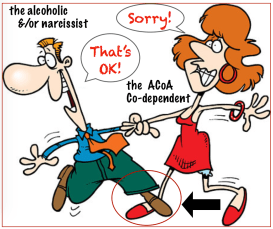
✒︎ someone hurt us & ⏫️ WE made it our fault – typical of codependents. We apologize in knee-jerk fashion, as if we caused the other person to say or do something inappropriate

✸ While this reaction is deeply ingrained in ACAs, it will most often show up when we’re around anyone who is oblivious to the effect of their actions, or who doesn’t care.
This is the WIC taking responsibility for someone else’s narcissism.
✧ It’s what we were trained to do by family & religion
✧ It’s carrying the guilt for them, since they won’t
✧ It’s as if we could teach them how to be responsible for their actions – like the alcoholic’s spouse who thinks they can ‘show’ the active drinker how to be moderate by example.

Also NOT ‘a wrong’ :
🔻 Something we were often punished for / made fun of…. as kids (family, school, religion…). It may have been normal child behaviors, or some inabilities, omissions, expressions of emotions….

This left us with a deep sense of Shame now re. expressing any imperfection which we then label as a character defect.
This emotion prevents us from thinking clearly, it silences us, makes us want to slink away, hide under the carpet, to die – the pain is so great, like a punch in the stomach!

NEXT: 10th Step, #3

Mental Health DON’Ts – Emotional (Part 1b)

Screen Shot 2016-07-03 at 1.37.13 AM
MENTAL HEALTH
is easy – and fun!


PREVIOUS: EHP – Part 1a


SITE: Physiology and Biology of Mental Toughness


REMINDER: To be Mentally/ Emotionally well we need to develop the Healthy Adult & Loving Parent (UNIT). What the “Don’ts” represent are characteristics of our damage, run by our WIC (Damaged Child) & PP  (Introject) – but can be corrected.
Understanding the specifics of our childhood traumas helps to accept the reality that we can’tJust do it’ or ‘Just let go’. All of Recovery is a process – for everyone.
ALSO, each of us will have our own specific issues that are definitely more deeply ingrained than others & will therefore take longer to heal. Some will never go away, but can be greatly diminished, & we can learn to manage them whenever they do surface.

EMOTIONALLY HEALTHY People (EHP):
🔸EHP Don’t thrive on chaos
Successful people simplify life. They know that having as much order as possible in all parts of their life allows then to accomplish their goals, & not have to waste time looking for things or dealing with emotional drama.happy/sad

🔸EHP Don’t try to be happy all the time
One of the coping mechanisms for ACoA is the try to be ‘UP’ or ‘positive’ all the time. This usually applies to the Hero (Toxic Role) or the “Good girl/boy” false persona. This is as unrealistic as being miserable all the time. It’s just another way to deny having a wide range of emotions. For every ACoA, no matter our style, our underlying emotion is fear/terror. So we try to feel safe before we can truly be happy.

No one is happy all the time. Feeling peaceful & content – a day at a time – does not mean having no complaints, dislikes or distress. EHP don’t try to avoid painful emotions but incorporate them in an effort to be whole, to honor their True Self. They know that happiness, victory & fulfillment are a wonderful, valuable part of life, but not the whole story.

EHP learn from their ‘mistakes’ & correct distorted thinking, so avoid repeating harmful patterns. This may include making amends to others (AA’s 8th & 9th Steps) & forgiving themselves for ignorant or stubborn adherence to their Toxic Rules, so they no longer have to obsess about what happened in the past.
EHP know this takes time & need patience & perseverance to always be moving forward, no matter how slowly. One 12-Step slogan says: “Look back but don’t starelive in the present”.
Some benefits from thinking about the past can be: identifying the lessons, considering facts not just emotions, & looking at PPT from a new perspective.

🔸EHP Don’t violate / sacrifice personal values
Each of us have more than one value system – what we were taught by our family, by our religion, our early social environment, AND what we develop in ourselves from our Core Truth. Some of these may overlap, some may not. The problem for ACoAs is that we are either not allowed to find out what we truly believe, or more often have been so brainwashed by our toxic upbringing that we’re not allowed to live according to our personal beliefs even if we know what they are. (Core Values lists)

EHP have figured out what they consider important – even essential – to their identity, for themselves & in relation to the rest of the world. A value is a belief, a mission, or a philosophy that is meaningful but not always conscious – as many are taken for granted. They know that their personal Core Values are not automatically the same as that of other people or institutions, & they don’t try to impose them on others.

They do NOT value the impossible, like perfectionism, eternal human love, fairness…. They know everyone falls short sometimes, so they get back on the horse when they don’t live up to their ideals, & are also patient & forgiving to others when they also fall short.

NEXT: MENTAL health Don’ts, 1c

Mental Health DON’Ts – Emotional (Part 1a)

live wellLIVING WELL
is the best revenge!

PREVIOUS: Psych Disorders #6

SITE: 10 Things (physically) Healthy People do differently

SOURCE: Composite of many lists, including Amy Morin’s “13 things Mentally Strong people Don’t Do.” – about being in charge of our thoughts, emotions & actions (T.E.A.)


EMOTIONALLY HEALTHY People (EHP)
:

🔸EHP Don’t Avoid Alone-Time
Many ACoAs are addicted to relationships & to staying busy, no matter how unsatisfying or damaging. They always need to be with or around someone, rescuing others or creating chaos, running away from themselves or desperate to hang on. They never seem to slow down enough to feel emotions, evaluate their motives or stop self-defeating behaviors.

ACoAs in Recovery often say they don’t know what to do with unstructured hours – because it’s for just themself. They feel depressed, too lonely, can’t decide what to do, aren’t allowed to have fun or relax….. wasting precious time on weekends or holidays, & then go back to their rat-race. Even those of us who are highly accomplished & talented are motivated by fear, rather than self-esteem.

But EHP treasure time by themself – to reflect, plan ahead, have alone timefun, be creative, do something not related to their work-life, OR just rest! And there are times when it’s truly necessary to pull back in order to allow internal healing, but it’s not endless.

EHP don’t need others to give them a direction or make them feel OK. They can be happy with others, but also happy alone. They’re comfortable with their thoughts & emotions, & when stressed they know how to comfort themself. They know that changing their routine or ‘vegging’ is crucial to mental & physical health. They know that play is part of a well-balanced life, so don’t need to be constantly ‘producing’ something to validate their existence.

🔸EHP Don’t Feel Pessimistic
ACoAs are more likely to see themself (S-H), others & the world from a negative point of view (hopelessness & some paranoia). The adults we grew up with either ignored us or were judgmental of everyone & everything, so we took on the same perspective. This means ignoring all the positive things available in life, including the good things that we have experienced.

EHP generally feel optimistic about their life & their future, without ignoring stresses or hoping for magic outcomes. They don’t let temporary difficulties or unimportant annoyances get them down – at least not for long. They know that obstacles are part of life, so they make an effort to solve whatever they can, & accept what they can’t change (Serenity  Prayer – backwards??).feel positive
They don’t focus on their weaknesses – while still acknowledging them. No one can be perfect, so they don’t waste time trying. Instead, they continue working on improving themselves rather than feeling defeated.

🔸EHP Don’t Feel Sorry for Themself
There’s a difference between feeling sorry for ourselves & healthy compassion for all we’ve been thru. The Victim’s outlook is that they can’t function because of being abused. While their childhood trauma was real, as adults they refuse to work on healing those wounds, which would improve their present & future. Their ‘position’ is that as long as they’re ‘incapacitated’ someone else will have to take care of them. If no one does, they stay helpless & depressed.

🔸EHP compassionately acknowledge past distress, while fully accepting the unfair & painful truth that they’re responsible for cleaning up the PMES mess their unhealthy family passed on.  compassionThey’re able to emerge from stressful circumstances with self-awareness & self-respect, even appreciating the lessons they’ve learned. When things don’t go well in the present, they find realistic ways to manage, get the support they need, & believe in their worth – no matter what.

They ALSO know it’s OK to feel sorry for oneself briefly from time to time, especially after an event that’s out of their control. It’s important to lick their wounds to regroup & regain strength, before moving on. EHP have gratitude for their positive qualities & the good thing they already have.

NEXT: EHP – Part 1b

Passive Aggressives – Review for ACoAs (Part 3)

WHAT A CONCEPT : Honest doesn’t mean hostile.
Pleasant doesn’t mean passive!

PREVIOUS: P-A ACoAs (# 2)

SITEs:” Emotionally Volatile People
• “Difficult People & how to Handle Them

REVIEW (cont)
1.The GAME // 2. WHO plays the game

3. CAUSEs of the game
ACoAs ; from our family, school, religion…. we were NOT allowed :
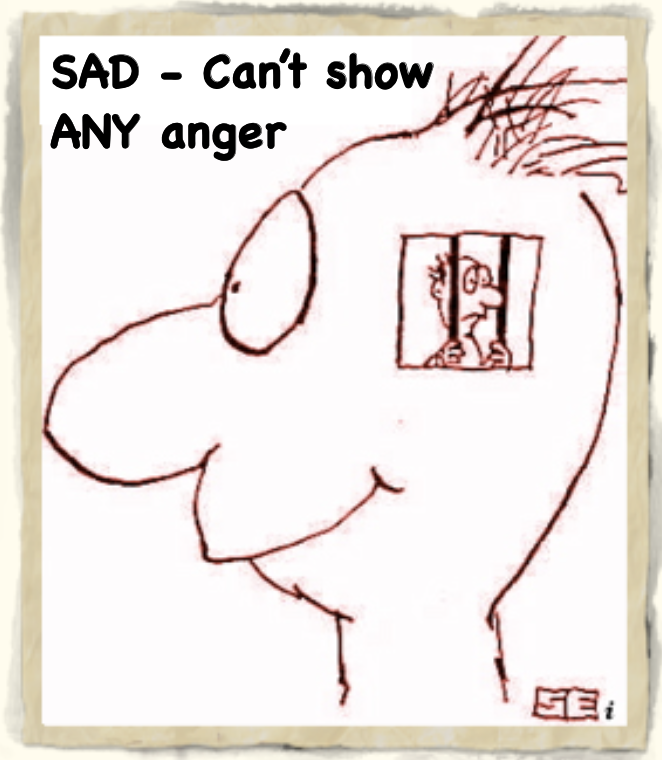
• to be angry, to the point of not even knowing we are!
• to know what we wanted, how we felt, what we preferred (being too much of an individual got smashed – so it left us confused)
• to ask for anything (don’t bother them)
AND
• were taught to never put ourselves first
• always had to always be perfect (no mistakes) – so better not choose anything
• no matter what we did, we were punished, so we couldn’t win
• safer to not be too visible (in a dangerous family, & later in abusive relationships)
taking any risk was discouraged, made fun of, punished (so now we can’t risk ‘failing’ & being disappointed)

4. EFFECTs of the game, as the P-A
a. Negative BenefitsWE DON’T have to :
• figure out who we are, what we want & need
• disobey any of the toxic family rules
• admit we’re angry, even raging, underneath
• stand up to the ‘control freaks
• make a mistake & deal then with consequences
• AND we get to blame others when something goes wrong, & maintain the illusion of superiority

b. Negative Consequences of being P-A :
• always feel scared of disapproval & losing people (FoA)
• it increases our Self-Hate & Loneliness 
• lose out on many opportunities to grow, to be heard, to have fun
• make other people mad at us, a lot! for forcing them to carry all the responsibility & then getting blamed
• never get what we really want, unless by accident or by luck
• we are dis-empowered, lose self-esteem, stay a victim, are infantilized, stay mute, don’t risk anything

4. HEALTHY
a. General: We need TO
• identify all the ways we were hurt as kids, including the specific messages we still obey, like ‘don’t feel’ , ‘don’t talk’ (Toxic Rules)
• prevent the Wounded Inner Child from running our life BY growing a Healthy Adult & Loving Parent  (the UNIT) who can make executive decisions about how to own & fulfill our needs
book-end with the IC, to outgrow living in the past. If done consistently, it will teach the WIC the difference between what’s possible & real in the present, vs the way it was in our dysfunctional family

b. For Passive-Aggressives – we need TO:
• keep a safe distance from anyone who is easily provoked to anger
own our hidden resentments, anger, rage, bitterness
• learn safe ways of discharging rage, & healthy ways of expressing it to others, when needed
• practice saying what we need, want, like, prefer – to find out that nothing bad happens to us or others
• stop looking for other people to be in charge of our life, tell us what to do, make our decisions & choices

Practice making ‘I’ statements every day, silently to yourself, so it gets easier & easier to say out loud:  “I want… I need… I don’t like… I’d rather…  that’s not for me… ” UNTIL it’s your new norm!

c. For Volatiles – we need to:
• accept that the rage is legitimate, but our actions are not always healthy
• find out what’s under the rag e: the reality of child abuse & neglect we lived thru, and the pain it created
• become safe enough to feel what’s underneath – grief, sadness, loneliness, hurt, sorrow, vulnerability Screen Shot 2016-06-17 at 10.24.27 PM.png
• learn calming techniques (bio-feedback, prayer, poly vagal exercises, visualizations…)
• own our Inner Sadist: make friends with it, but never let it act out
• work on getting rage out in safe, appropriate places (therapy groups, 12-step programs, doing rage-work at home, drawing, writing….)

Practice comforting & mentally holding the WIC, so he/she doesn’t feel so alone with all its pain.  Give yourself permission to cry – it is not a weakness – no matter what our family taught us!  Crying clears out toxins & releases pent-up emotional stress. It’s very necessary!

Realistically, while P-As can definitely work on having permission to express anger & rage, it’s usually up to the V. to STOP the game, stop reacting to / expecting (anything) from the P-A. Maybe even having to leave!

NEXT: Qs – Are you P-A?

Passive Aggressives – Review for ACoAs (Part 2)


I’M NOT ALLOWED TO BE ANGRY
– but you are (lucky you)!

PREVIOUS: Passive-Aggressive ACoAs (#1)

SITE:When your Defenses lead you into trouble

REMINDER: See ACRONYM page for abbrev.


REVIEW –
(cont)
1.The GAME

2. WHO plays the game (Chart – slide #7)
a. P-As always look for & often find another person who is overtly angry / volatile* (V.) to play the game with – no fun being stuck with all that UN-expressed rage alone! (See: Inter-personal games, Eric Berne).

As adults, they desperately need to maintain their illusions of being perfect, in the faint hope of getting or keeping their parents’ approval, being taught that strong emotions are considered dirty, messy, dangerous – even murderous! Being P-A is another unsuccessful way of denying intense fear of abandonment

b. ✶ Volatiles need P-As (for their part, or the game wouldn’t work) :
• it gives them an excuse for letting out some of their rage ‘legitimately’
• it’s much safer than aiming the rage at the real target – their family
• the rage makes them feel powerful, to cover vulnerability & emptiness
• both Vs & P-As are addicted to finding someone they can act out their childhood ‘story’ with. Vs are used to being disappointed, too, & P-As do continually disappoint! It’s their trade-mark, & it can be used to identify them.
• sooner or later, usually later, it’s inevitable that Vs get angry, raging, even nasty at P-As – out of legitimate, intense, longstanding frustration at the P-As’ tactics!  Of course: Vs have to stick around for this! They’re part of the game.

DIRTY POOL – P-As unconsciously, sometimes knowingly, will find & use ‘available’ Volatiles as their own personal pressure valve – as if getting the V. to explode with rage would relieve their own pent-up hostility. When Vs get angry, P-As get very self-righteous. They feel victimized & cry: “I haven’t DONE anything!  Why are you attacking me?
SO THEY CAN
• Accuse Vs of being controlling, even though they set the V. up TO:
— take care of them emotionally & practically
— vent their anger/rage for them
— make all the decisions in the relationship!
— use the V a substitute for the original harmful parent

• Make Vs the crazy or bad one (instead of themself), of being abusive & unfair, of reacting to ‘nothing’. That way the Vs can be ‘the monster’ for pouring out that vile stuff (anger) which P-As are terrified in themself.
They can continue to feel superior & ‘clean’, keeping their ‘good-child’ status. After all, P-As can point to being easy-going, never raising their voice or letting out that ‘nasty‘ anger – right?
➼ BUT that is exactly the point – they don’t DO many things that are their responsibility.  P-As make other people responsible for decisions they should be making themself, (even if they like the ones being made for them). They neglect to ‘show up’, hold up their end, be an equal partner or peer – ie. an adult. P-As stubbornly – yes angrily – demand to be rescued, never not expressing their needs / wants.

• THEN, if /when something goes wrong – when they don’t like the choices the V. made for them, or are disappointed with the outcome – they can blame the other person & continue to play the victim.

• AND P-As can say to the other person: “YOU’RE so controlling!” (& unspoken: “I hate you”). Wow! How dishonest.
✶ BUT if the V. stops playing the game, the P-A may finally tip their hand – if only briefly – showing the true rage behind their mask

EXP: Mark (P-A) & Sandy (V.) meet at a classical concert & become art-loving, theater-going friends. Mark regularly says self-deprecating things that are clever & funny, & Sandy obliges by laughing.
After a few months Sandy becomes increasingly uncomfortable with her complicity in Screen Shot 2016-06-15 at 12.04.49 AMMark’s self-hate. The next time he makes a crack about himself – she doesn’t laugh & is quiet. He gets annoyed & indirectly insults her for not responding ‘correctly’.
Later he buys her a B/day gift which deeply offends her artistic & Christian values – an ugly-made goddess statue – knowing her religious background! She can’t imagine his intention – but is outraged. She instantly blows up at him & gives the gift back. Naturally he’s shocked & insulted. After all – it was well-meaning. Instead he mails her a self-righteous note, asking “Is that any way for a Christian to act?”.  End of friendship! Sandy feels ashamed for blowing up but also relieved to get away.

NEXT: Passive-Aggressive ACoAs, (Part 3)

Passive Aggressives – Review for ACoAs (Part 1)


YOU’LL NEVER SEE HOW ANGRY I AM –
I barely know, myself!

PREVIOUS: P-A ‘nice’ comments

SITE: Constructive, Passive & Aggressive Leadership styles


REVIEW
1.The GAME (Post: How its played)
a. DEF : Passive-Aggressive ‘Personality Disorder’ (PAPD)
A 2-handed ‘game’ which always requires the Passive-Aggressive (P-As) person & the Volatile (Vs) one to react (in ‘Games People Play’ – audio – by Eric Berne)

✰ web-MD …. apparently compliant behavior, with intrinsic obstructive or stubborn qualities, to cover deeply felt aggressive feelings that cannot be more directly expressed….

✰ Wikipedia ….. a personality trait marked by a pervasive pattern of negative attitudes & passive, usually disavowed resistance … expressed as learned helplessness, procrastination, resentment, stubbornness, sullenness, or deliberate/repeated failure to accomplish requested tasks for which one is (often explicitly) responsible….

✰ DSM VI …. the behavior often reflects an unexpressed hostility or resentment stemming from a frustrating interpersonal or institutional relationship on which an individual is overly dependent

✰ The Straight Dope …. people who suffer from PAPD expect disappointment, and gain a sense of control over their lives by bringing it about.Screen Shot 2016-06-14 at 11.09.50 PM.png

b. ACoAs: MANY of us grew up in one of 2 emotional climates :
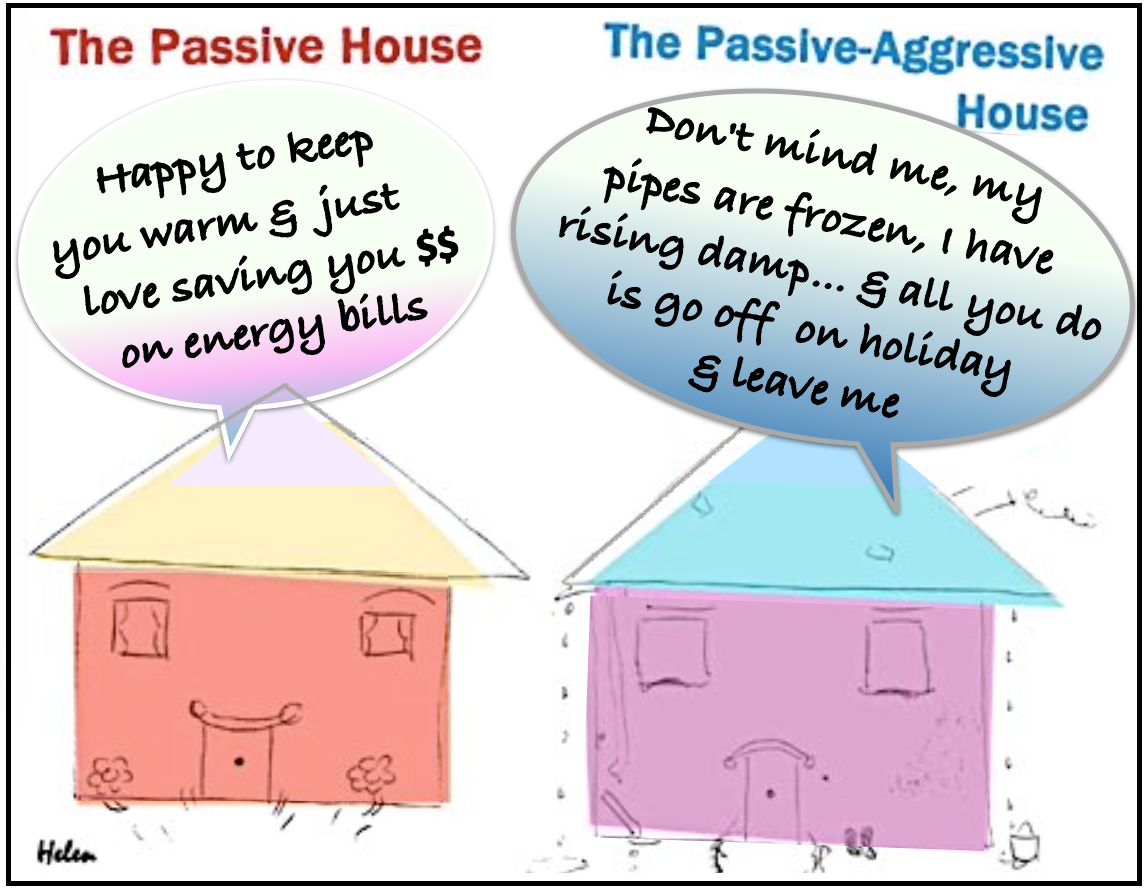
emotionally volatile – being around loud, hyper, dramatic, raging parents / relatives – which has made some ACoAs emotionally gun-shy. We had to sit on our own anger – there was so much flying around, and we didn’t want to be like them, so we shoved our rage into a huge locked room & tried to throw away the key. But now it comes out sideways!

Screen Shot 2016-06-14 at 11.00.40 PMemotionally repressed – the other extreme found some of us in a family of uptight, buttoned down, emotionally cut-off, perhaps P-A types, who made a point of suppressing any intense emotion in their children. They may have believed it was ‘spiritually correct’, or they just didn’t want their own repressed pain to get triggered, &y didn’t have the skill/ tools to deal with ‘big feelings’ from their kids. We either copied their style or became ‘dramatic’ & over-reactive to everything.

• Both styles have deeply effected our relationship to anger & rage.
IMP: These are normal human EMOTIONS (Es), which are just forms of energy & by themselves are not dangerous or bad.
✶✶ What to watch out for are the ACTIONS we take to express these Es! If we express them safely, we don’t hurt anyone & in fact feel lighter & can function better. If they’re expressed badly we can cause pain to others, while adding to our shame, guilt & S-H.

c. Briefly:  P-As ACoAs have a huge amount of accumulated anger & rage (from childhood, as well as in adulthood), which we’re not allowed to feel, much less admit to – in order to be the ‘good’ one. We have cultivated such a facade of ‘niceness’ we’ve fooled ourself (but not everyone).  We may be the Hero or Lost Child from any dysfunctional family –  the Rescuers, the People-pleasers, or the Invisibles. (Toxic Roles”)


no, noP-As compulsively resent, oppose & thwart – indirectly – what we see as demands to function at a level others expect of us. We’re convinced that we’re still not allowed to have real power for  ourself,  afraid to admit our anger at being neglected & unloved.
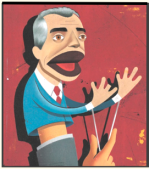
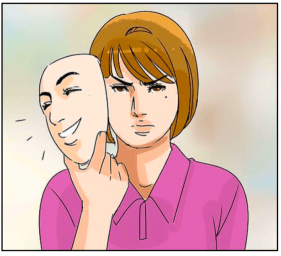
We end up saying NO to our own needs & wants – and to many things that would be good for us.

So we live in a state of deprivation, expecting others to read our mind & provide what we won’t give ourself . P-As are rarely if ever able to state outright what they want & don’t want, or distinguish between actual bullying & appropriate requests.

hidden handsSuppressing our anger is a form of negative self-control, then put all the rest of our effort into trying to control other people’s actions & emotions..  In light of our self-imposed limitation, P-As are inwardly driven to push others toward our secret goals: to prove we can’t be pushed around, and to get back at anyone who’s hurt us OR their substitutes) – while seeming to not push at all. (re. controlling). It’s a way  to get our agenda across without risking negative consequences.

NEXT: P-A ACoAs – Review (Part 2)

Passive-Aggressive ‘Nice’ People (Part 1)

AS LONG AS I CAN BE PRETEND-FRIENDLY
I can get away with a lot!

PREVIOUS: Outgrowing co-dep #4e

SITEs: “The Angry Smile: P-A behavior….”
Signs of a Covert Introvert Narcissist
5 of the most passive aggressive things you can do at work”


MOTIVATION for P-A behavior
Dedicated life-long Passive-aggressives (P-As) are almost identical to classic narcissists. They share the following:
when criticized, they feel rejected, humiliated & threatened
as a defense, they react with disdain & defiance, even taking legitimate suggestions as criticism
AND the more severe P-As share:
blaming, controlling, easily frustrated, insistence that others see them as they wish to be seen, intolerant of others’ views, self-absorbed, unaware of others’ needs, & oblivious to the effects of their behavior on others

Passive aggression is a hostile form of communication, a twisted way of trying to protect & preserve one’s integrity, dignity, needs & convictions. It’s done at other people’s expense – and always obliquely. Persistent P-As are no pushovers. They don’t alternate between passive & aggressive behaviors, but rather combine them into one, becoming ‘anger-sneaks’ so they can get you when you’re not looking. As a rule, they’re deliberately contradictory: what they say (passive) is the opposite of they actually do (aggressive).
They may try their best to be ‘nice’, but leak constant dissatisfaction, & are both confusing & irritating to others.

P-A Communication
• Frequently interrupt & don’t listen to others
• Tone is laced with irony or sarcasm
• Use criticism, humiliation & domination
• Talk down, are patronizing, gossip, complain & sulky
• Loud voice or arrogant, OR give the Silent Treatment
• are 2-faced: sweet to your face but poisonous behind your back

Non-Verbal Communication
• Facial expression – often look sweet & innocent
• Gestures – can be jerky, quick
• Posture – often asymmetrical, stand with hand on hip, & hip thrust out
• Spatial position – often too close, even touching others,  pretending to be warm & friendly (MORE…)
• Voice – often speak with a sugary sweet voice

Co-dependent Angry-nice people have a desperate need for others to give them 100% approval 100% of the time, & will do almost anything to get it, so they never have to feel their own S-H & abandonment pain.

✔︎ Passive-aggressives also want approval & acceptance, altho they’re not likely to admit it. Instead, they live by the a silent “Forget it” rule against all demands, and the ‘Yes, but….” reply to suggestions, even when asked for.
It’s a type of  false boundary, used because they think it’s the only way to keep from being totally overrun by others.  (BOOK: “Games People Play”, Eric Berne – review by Kurt Vonnegut)

This pattern starts in childhood as a reaction to controlling, rigid & abusive parents, leaving the child with a hopeless outlook : “I have no control over my choices & feelings – whatsoever”. The more unhealthy & unfair the family’s expectations & restrictions were, the more the child resented & then resisted. And if expressions of anger were never tolerated by the adults, then the child’s:
1) resentment got turned back on the Self
2) awareness of the resentment eventually disappeared from consciousness, but then gets expressed as resistance
3) resistance becomes indiscriminate, seen now in all relationships & situations

Excellent big SITE  re.”how parents prime children for victimization….”. Includes ACoA issues & some references to ‘spiritual’ lessons & misuses

to many rukesRAGE at the abuse of power by the original unloving adults becomes the P-A’s defiant anger at all authority figures – teachers, mates, bosses, political & religious leaders……
So, when others had normal expectations of the beleaguered child, the angry-nice teen & later the angry adult refuses to be truly functional, even if they silently agree with the realistic requests, & even knowing the requirements would benefit them

5 Distinct & Increasingly Pathological LEVELS :
1. Temporary Compliance – (most common form) sounds like “I’m co-o-o-ming!”
2. Intentional Inefficiency –  carrying out a request in an unacceptable way
3. Letting a Problem Escalate – by inaction, they cause a foreseeable – & preventable – problem to happen, & take pleasure in the resulting anguish they secretly create
4. Hidden but Conscious Revenge – making a deliberate decision to get back at someone & then taking hidden actions to do it
5. Self-depreciation – (worst) going to self-destructive lengths to punish the person or group they’re in a rage at  (MORE……)

NEXT: P-A ‘Nice’ people #2

OUTGROWING Co-Dep Niceness (Part 3)

IT’S A BALANCING ACT
but it’s worth it to me

PREVIOUS: Outgrowing Co-dep, #2

MEN:  Stop Being a “Nice” Guy
WOMEN – Don’t be so nice


RECOVERY from “Too Nice Syndrome” (TNS)
cont. TOOL 1. Facing FEARS /  TOOL 2. SELF-WORTH

TOOl 3. ASSERTIVENESS (cont.)
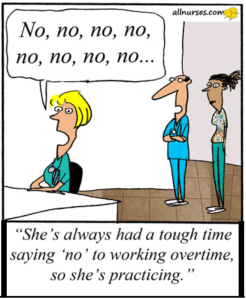
++ Practice saying NO to things you don’t want
Don’t automatically say yes to everything others ask for. If something is really not okay with you, say NO. Or let people know it’s something you’re going to have to think about & then get back to them.

You don’t have to give any reason for not liking something, even if it’s temporary – and it’s OK to change your mind. Remember that “NO.” is a complete sentence.

Some people will accept your new-found voice without a fuss, but others will not. If asked “WHY don’t you want to, why can’t you, why aren’t you…..” – know your reason & state it briefly in a declarative sentence. Never start with “I feel that….., I guess……, Well, …… Sorry…..”.
You can say: “Thanks, but I’m not available, That’s not for me, Not today, I have too much on my plate, That’s not my taste, Thanks for the offer – but I like it where I am, I’m finished with that………”
(MORE ways to say NO nicely – on Pinterest)

As we practice self-care & accept things the way they really are, rather than how we would like them, we can be more direct in protecting ourself. This makes P-P less & less necessary.

++ Don’t excuse your opinions (T), they are a part of you, even if only for the moment. However, to be sure of what we think & feel, we must first identify all those long-held ideas we had to swallow whole from our family, & separate them out from what we truly believe for ourselves.

There are some things we can be sure of, unequivocally: “I know what I know”. But we can’t know everything – certainly not what others are thinking or feeling, unless they say – & we don’t have to know everything. If you believe in yourself, you’ll always want to keep learning AND won’t be ashamed to correct any ignorance or misconceptions you may have

++ Identify your boundaries. We all have the need for personal space, a greater amount for some than for others. P-P generally deny this need, believing that not setting limits is the only way to keep people attached to us, (symbiosis). Trying to meld with each person we interact with means constantly taking on a new fake persona. At least when actors do that they get paid! And trying to be what others want or copying them – never gets us the pay-off we’re hungry for. Keeping this up year after year takes a lot of energy & creativity, but is ultimately exhausting AND ineffective! Remember “Zelig”?

++ Don’t shy away from conflict or confrontations. A basic philosophical tenet of martial art is to a) know how to defend yourself, if attacked, but b) never start the fight if you can avoid it. Following this 2-part principle psychologically is crucial to having a safer life. Books like “The Gentle Art of Verbal Self-defense” by S.H. Elgin, give us several excellent ‘weapons’.
When we start setting boundaries, some people will be confused & others will be angry & maybe give you a hard time – since they’re used to you automatically giving in to whatever they want from you.
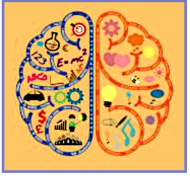
No matter how scary it is at first to deal with push-back, if you’re sure of your beliefs or needs, stick to your guns. It can help smooth things if you tell the people who are important to you about your new policy. Some of those reactors might even apologize later.
Eventually the right people will get used to the new you, even admire & respect the changes. The ones who can’t get with the new program will fall away. “Man’s rejection is God’s protection.”

NEXT: Outgrowing P-P #4

OUTGROWING Co-Dep Niceness (Part 1)

speak up for me
I WANT TO BE HEARD!
(I hope no one minds 🙄)

PREVIOUS : Neg EXTERNAL results
from others


 RECOVERY from “Too Nice Syndrome” (TNS)
Undoing our TNS isn’t accomplished by becoming a nasty bully or resentful isolate. Instead, we can apply the wisdom which the Snake of fable had not understood – that occasionally it’s necessary to hiss! Emotional maturity is about balancing between being well-behaved & putting our foot down when needed.

The following TOOLS are:  1. Facing FEARS //  2. SELF-WORTH   //  3.  ASSERTIVENESS  // 4. HAVING RIGHTS   // 5. FORGIVE OTHERS   // 6a. HEAL our T.E.A.s   // 6b. FORGIVE OURSELVES (as adults)  // 7. BE FORGIVEN

Used together, they can move us along in the right direction, but if we’ve been a life-long people-pleasers (P-P), it’s going to take time, patience & perseverance. Think ODAT & never give up!   We can go: From Damage —–>——>——-> to Wellness

TOOL 1. Facing FEARS

++ It’s normal for Co-deps to be fear-based, given our history. That fear may never go away completely, but can become much less intense. As we thaw out emotionally we can experience our feelings quicker when something hurts us – instead of registering months or years later.
Intensely painful emotions are a signal that you’ve either tapped into childhood trauma-pain, &/or you’re torturing yourself with cruel self-talk, causing terror.L & R BRAIN
Allowing yourself to sit with old pain & other emotions that come up from a current event – will free up a lot of psychic energy we use to hold them down.

☁︎  T.E.A. = Most people combine Thinking (mainly Left brain) & Emotions (mainly Right brain) into one big messy hodgepodge. If someone asked (or you ask yourself) : “Are your/my fears realistic?” they are not referring to the emotion of fear, but rather to the toxic rules, projections, S-H…. theTs that cause the fear (E).

Fear is just fear – it’s neither realistic or unrealistic, which only applies to thinking. (Post: “Feelings aren’t facts”)
Years of early abuse & abandonment created our fear – accumulating every hour, every day that we lived with those people (family, school, religion, neighborhood….). That feeling is an absolutely normal, appropriate emotional response to those events. We’re stored that terror in our body, which we now attach to thoughts & current events – adding to the pile, keeping P-P in place (“Anxiety & T.E.A.s”)

REVERSED – As Co-deps we often get both our mental & emotional reactions backwards. In terms of fear:
• we ignore or underplay emotionally damaging effects caused by actual people & situations that are inappropriate or outright harmful to us, but have a real effect on us even so, & yet —
• we can over-react emotionally with S-H & FoA to PPT that are either not dangerous at all, or are those uncomfortable pain-in-the-butt “that’s life” situations which seem overwhelming, but actually are fairly easy to smooth out, once we come to see them in proportion, & learn how to manage them

💚 Don’t let others keep confusing you. Be clear whether you (or they) are talking about Thoughts/beliefs OR Emotions – or Actions, & know how they’re related – or not!  Es can be a response to an As, without causing harmful Ts:

EXP
: I can be very frustrated & angry (E) about a situation I truly have no control over, such as ‘being laid off from a job/ loss of a relationship/ illness of a loved one….’ (A), yet still have a positive mental attitude about myself, my life, even my future, such as “It’s not my fault / I know I can find something or someone else / I’m actually better off now / I pray for them….” (T). (See many posts re. EMOTIONS)

To outgrow People-Pleasing (P-P) we need to stand up for ourself. And for that to be effective it has to come from our Adult Ego State, not as a knee-jerk reaction from the WIC. This includes knowing when to be silent or walk away, which will depend on recognizing whether a situation is hopeless or not, especially when dealing with Personality Disordered people.
Ironically, being too nice also does others a disservice – preventing them from being their best, by giving their Inner Brat opportunities to come out & play whenever they feel like it – on our head!

NEXT: Outgrowing P-P #3