Dimensions of CHARACTER (Part 1)

THE MORE I OWN MY CHARACTER STRENGTHS,
the more resilient I can be in life

PREVIOUS: Principles of C

BOOK: “Born Entrepreneurs, Born Leaders: how your genes affect your work life” ~ Scott Shane

NOTE: The focus of these posts are the healthy, positive, useful character traits. Naturally we all exhibit the negative version of them as well (some listed in future post), but as we heal from our damage we can express the very best of ourself, especially the more outstanding traits.

IMP
: No one has all of these positive qualities in the same proportions or intensity. Our goal is to identify in ourself as many as we can, appreciate them, hone them – as well as accept & strengthen those we are weak in.
✶ DO NOT let Self-Hate be your guide in listing your innate ASSETS!

CHARACTER IS :
Many studies, including those from Positive Psychology, have defined & classified Character, naming it as the key to understanding what makes up a psychologically good life.

1. For RESILIENCE
Michael Baizerman, Professor of Youth Studies at the U of  MINN, writes that Personal Strengths or competencies are associated with healthy development & life success. He calls it “phenomenological resilience,” which can be observed & measured.
resiliance
• From a recent post on Control (Types of Self-Control, #3):  “Ego resiliency”  is the flexible & appropriate expression of self-control, in the face of uncertainty, change & environmental demands. Without it people tend to become over- or under-controlled.”
Baizerman says the following qualities do not cause resilience, but rather allow it to flourish:
• Autonomy : Adaptive Distancing, Humor, Initiating, Internal Locus of Control, Mastery, Mindfulness, Positive Identity, Resistance, Self-Awareness, Self-Efficacy
• Problem Solving : Critical Thinking, Flexibility, Insight, Planning, Resourcefulness

Sense of Purpose : Achievement motivation, Creativity, Educational aspirations, Faith, Goal direction, Hope, Imagination, Optimism, Special interest, Spirituality, Sense of meaning
• Social  Competence
: Altruism, Caring, Communication, Compassion, Empathy, Forgiveness, Responsiveness

predictors2. As PREDICTORS : This list is used by KIPP NYC, a non-profit network of free, public charter schools preparing students for success in college & life.  They’re mainly focused on 7 highly predictive CS, based on Dr. Seligman’s work:
• Curiosity  : Students are eager to explore new things.  Ask & answer questions to deepen understanding.  Actively listen to others
• Grit : Finish whatever they begin. Try very hard even after experiencing failure.  Work independently with focus
• Gratitude : Recognize & show appreciation for others AND for ones own opportunities
• Optimism: Get over frustrations & setbacks quickly. Believe that effort will improve their future

• Self-Control – School work : Students come to class prepared.  They pay attention & resist distractions. Remember & follow directions. Get to work right away, rather than procrastinate
• Self-control – Interpersonal : Remain calm even when criticized or otherwise provoked.  Allow others to speak without interruption. Are polite to adults & peers. Keep temper in check

• Social Intelligence :  Able to find solutions during conflicts with others.  Demonstrate respect for the feelings of others. Know when and how to include others
• Zest : Actively participate.  Show enthusiasm.  Inspire others

3. At WORK :  Another grouping is the DISC Assessment System

D = Dominant personality, also known as type “A”. Outgoing with a strong desire to get things done. Need constant stimulation & activity, becoming easily bored. Natural strengths:
Ds are: • able to juggle priorities  • born leaders  • high achieversDISC
• clear communicators  • don’t accept rejection  •  great multi-taskers • self-motivated  • Get more accomplished than any other type

I  = Inspiring personality, also outgoing 
like the D, but more interested in fun!
Is are:  • creative thinkers   • energetic •  extroverted   • imaginative   •  optimistic  • great at persuading & motivating others  • people oriented  • relationship builders

S = Sweet personality, which says it all. These people love to help others.  Even though they are more reserved than the first two types, they still like to build relationships just like the “I” personalities.
Ss are:  • caring  •  great finishers  •  quality producers  • peace-makers  • sentimental   •  relationship builders   • team builders  •  mediators

C = Cautious personality, always thinking. They’re reserved, task oriented & perfectionists. They may not talk much, but when they do it’s important
Cs are:   • cost-conscious   •  deep thinkers  •  great researchers   •  planners   • quality-driven  •  resourceful    • systematic  •  task-oriented

NEXT: Dimension of C, Part 2

PRINCIPLES of CHARACTER

IT’S GOOD TO KNOW
what to look for

PREVIOUS: What is Character, Part 2

SITE: 7 Common Character types in Fiction

See ACRONYM Page for abbrev.


PRINCIPLES of Character (C

1. Character Strengths (CS) are BASIC
Neal Mayerson (founder of the VIA Institute on Character) says CS are the basic building blocks of the True Self, our essence – the core part that account for being at our best.
• The word “character” comes from a Greek noun for the stamp impressed on a coin.  From that we use the term to mean that individuals have been “stamped” by nature into a complex of mental & ethical traits.

Unfortunately, people often jump to incorrect conclusions about what C traits mean, such as – if someone is sensitive they are therefore weak; if a person is vain they must be shallow …. Groups are also rigidly stamped in a particular way, such as – because of the very real differences between men and women – one group is considered better than the other.  (‘Men are from Mars, Women are from Venus’).

2. C Strengths (CS) are stable, but can & do change
While they are fundamental parts of our personality, these strengths can change in intensity or in focus, depending on predictable life events such as starting a family, unpredictable life events such as a trauma, and deliberate changes in lifestyle.  
• ALSO, some traits may be prominent at one stage in life (being Adventurous but not Compassionate, Socially active but not Discrete…) while other traits may take prominence at other stages, as with experience & maturity (Decisiveness, Cautiousness, Self-control….)

3. CS are inter-dependent
In most situations people will express a combination of CS rather than one at a time. Interactions among strengths may enhance the expression of some but hinder the expression of others.
EXP : it’s hard to be Creativity without some level of Curiosity, or to be Kind without some amount of Bravery…..while being Discrete can limit the ability to be Persuasive, and being Truthful will modify one’s Meekness ….

4. CS can be developed
While we’re born with fundamental & personal CS, we can have them in different proportions (one person will be naturally higher on Courage, another on Cautiousness, one is higher on Ambition, another on Deference….).
Yet the strength of our characteristics can be modified or enhanced with attention, experience & training. People can learn to be more Confident, more Grateful, more Fair, more Open-minded, more Patient….
Specific interventions can have an impact on many CS, such as journaling, emulating others & goal-oriented planning. Persistent practice can break or modify old habits and form new ones

5.  CS can be overused, misused, or under-usedpower abuse
Since we are all molded by our childhood experiences, our fundamental strengths can be repressed & then quickly forgotten, or expressed in unbalanced & harmful ways.
EXP : Creativity can be misused in email spamming, overuse of Curiosity can lead to gossiping, or someone into dangerous locations, under-use of Fairness can lead to conflicted relationships.
Balance and skill are important aspects of mental health

6. CS have important consequences
The result of expressing one’s CS – at their best & from the right motives – is connected to many benefits, such as increased internal happiness & external success.  This may be especially true of our signature strengths – the more intense ones that are energizing & authentic. They’re the True Self strengths we use across many settings & are readily noticed by others.  Over time, research may also reveal that each C. has its own unique effect.
EXP : Perseverance seems to be linked with high achievement (nACH) more than most other character strengths.

7. CS are universaluniversal
Personal Character Strengths (CS) can be found in the most remote cultures & lands, shared by people with differing beliefs, religious affiliations, & political preferences. This makes applying CS more a matter of identifying & then actively using the best parts of us, instead of picking ourself apart.  (from Ryan Niemiec, Psy.D)

NEXT: Dimensions of C.

What is CHARACTER ? (Part 1)

WHO AM I? my flaws or….

PREVIOUS:  Emotional Maturity

SITE: Personality Types (scroll down)


PMES = Physical, Mental, Emotional, Spiritual

ACoAs suffer unnecessarily for many reasons
– one of which is NOT believing we have any positive qualities. All we can see are the problems created by our False Self, which was developed in reaction to our upbringing, but which we assume is the real us.
Because originally we had such distorted mirroring (seeing ourself only thru the eyes of our dysfunctional caretakers) we deny our natural gifts.

• Yes, we have ‘character defects’, but these are extensions of our S-H & are how the WIC learned to function, rather than what our Healthy Child or ‘Unit’ are capable of. Even so, these gifts do show up in many of our accomplishments throughout adulthood.
The next several posts provide some positive qualities essential for PMES maturity – to ponder, identify & then own!

EXP: Julie chased boys since she was 9 or 10, but she never caught any. By her 30s she was defeated & full of S-H. She told a therapist: “I’m such a pathetic jerk – all this time I’ve been doing the same stupid thing, with the same awful results!”
The therapist replied: “You’re not stupid, pathetic or a jerk – you’re persistent. Now you can focus that quality in a new direction – toward the goal of emotional & mental growth, as well as fulfilling your dreams!”, which Julie eventually did – successfully!
😘
CHARACTER (C):
• DEF: C. is “the stable & distinctive qualities built into an individual’s life which determine his or her response, regardless of circumstances.”
• C. refers to the specific combination of aspects which make a person unique, expressed in their habits, likes, values, dislikes, behaviors….

• Psychologist Lawrence Pervin says that moral character is “a disposition (strong tendency) to express behavior in consistent patterns of functions, across a range of situations.”
• Similarly, academic Arthur S. Adams said: “Good character is the quality which makes one dependable, whether being watched or not.”

• C. is multi-dimensional & must be measured in ways that do justice to its breadth & complexity. It’s made up of specific psychological mechanisms that express the presence or lack of virtues such as wisdom, courage, humanity, justice, temperance, and transcendence.

Positive Qualities expressed in T.E.As.
CURIOSITY

❖ Curiosity Thoughts: “That doctor sounds like she knows what she’s talking about. I wonder if she could help me with my specific problem & if she’s taking on new patients?”
❖ Curiosity Emotions:
• I wanted to ask her a question about ____, but I’m angry that she’s ignoring me
• I want to take this risk, but I’m afraid to try
• I see new possibilities, & it excites me
❖ Curiosity Actions: I went to see the boss. I stood quietly, waiting in line. I asked the teacher questions. I expressed my interest by a smile & leaning forward…..

FLEXIBILITY – The ability to respond easily & appropriately to new or changing Emotional moods or physical conditions in our environment – by changing or modifying actions & beliefs as needed, without great agitation or drama.flexible
Willing to shift our Actions to comply with the plans or ideas given by authority figures who we need to deal with.
Flexible Thinking : Consider a new or different way of ‘seeing’ a person, event or chain of events (reframing).  EXP:
• DO NOT = be stubborn, compromise what’s right, get upset when plans change
• DO = respect the decisions of others, look for the good in changes.

HUMOR  – Laughter is an essential part of a healthy, happy life.   It helps people smile & feel relaxed by seeing the lighter side of things. It can help to manage physical &/or emotional pain, enhancing our immune system & reducing stress.  VALUE – TO:
• take a break every day to laugh, be playful   • not stay discouraged but find what’s already positive in one’s life   • see the foolishness of human self-importance  • treat every job as important • be an energy-giver to others    (POST : “Resilience & HUMOR “)

NEXT: What is Character, Part 2
Emotional MATURITY – Relational, Spiritual

I CAN SEE THINGS CLEARLY
making all my relationships easier

Previous: Emotional Maturity – Emotional

REMINDER: See ACRONYM Page for abbrev.


RELATIONSHIPS
a. Re. YOU

• are playful, creative & express your silly, zany side
• can accept your current limitations, & get help as needed
• evaluate legitimate criticism, accepting it gratefully, glad for an opportunity to learn & improve
• can take in genuine love & respect, in big or small ways, without ‘paying’ for it
YOU
world friends• accept responsibility for who you pick to be with & how you act with them, adding to your self-respect
• have sufficient & the right kind of boundaries, by knowing your values, needs & tastes
• can regularly say ‘“No” to harmful requests, or what will over-extend you
• don’t get easily offended, don’t bite when baited, but also let others know what’s acceptable or not
YOU
• form deep relationships with people from other backgrounds, races, cultures, & classes
• genuinely care about others & express that in all you do
• are comfortable being intimate with appropriate people, being approachable & easy to be with
• can relate well with others, connecting in a cooperative & positive way, while knowing you don’t fit with everyone
avoid insulters• know when to be a realistic help to someone vs. when to let go, so they can handle their own life
• thoughtfully evaluate friends & social contacts, avoiding people & situations that push your buttons, but rather pick those who bring the best out in you
• know when to be a realistic help to someone vs. when to let go, so they can handle their own life
• don’t expect special consideration from anyone, but are comfortable being appreciated, thanked & valued


b. Re. OTHERS – YOU:
• are friendly & share resources, cooperative with peers & teams, where appropriate
• are are a good listener, without judging, trying to fix or push your own way of doing things
• can ‘confront’ someone when they’ve disappointed or hurt you, using the “I’ form, without attack or blame
YOUgetting along
• can nurture others without rescuing or controlling
• can work inter-dependently with others when required, without having to be the center of attention or dominating others
• cooperate in order to find win-win solutions to disputes. If an answer isn’t good for each party involved, it won’t be good for the relationship
YOU
• aren’t easily fooled by or idealize people or situations that are unhealthy, abusive or just not right for you
• don’t judge others you don’t understand or are very different. Try to learn, connect & be a peacemaker when possible
• empathize with others’ experience & Es, imagining what it’s like to be in their shoes
• forgive others for hurting you, & yourself for any wrongs you’ve done, making amends when possible without shame or self-hate
YOUconflict resolution
• look for the good in others rather than use a critical eye, with compassion
• offer information & make decisions clearly, with respect
• resolve conflict in a clear, direct & respectful way (NO avoidance or put downs, escalating tensions, or going to a third-party rather than to the person directly)
• understand & accept others as they really are, not what you want them to be

5. SPIRITUAL
GENERAL – YOU:
• are are filled with joy & a sense of humor, rather than being wounded because of what others say or do
• an are organic part of a larger whole, contributing your part to each group you’re a member of
• found a meaning in life that gives a connection to all humanity, not just self-interest
spiritual connections• have humility (“I have value but not better than”), rather than humiliated
YOU
• know life is full of uncertainties, but aren’t brought down
• have inner abundance so can be generous & unselfish, which is satisfying
• live by the motto “Don’t quit before the miracle”, so don’t use endless escapes (chemicals, sex, money, food, suicide….)
YOU
• have outgrown the “all or nothing” stage, appreciating the Golden Mean (desirable middle between two extremes, from Aristotle, Confucius…).  Recognize that most people or situations are a combination of good & bad
• some insight & wisdom to see the beauty & value in all of life, in spite of the negatives 
• take care of yourself because you’re precious & God doesn’t make junk

SPECIFIC  – YOU:
• believe in a caring God who is always available, knowing that the Supreme Being is not an alcoholic parent!
• acknowledge & appreciate all the opportunities & help that God has already provided, which support you in surviving or outgrowing your difficulties
• enjoy being alone in quiet reflection with God & yourself (the personal version of daily prayer & meditation)spirit-human connect
YOU
• have a definite set of personal & spiritual principles to live by
• have faith in a Power greater than yourself, & keep that connection current
• obey the spiritual essence of the Golden Rule:  “Thou shalt love thy neighbor as thyself”, while making sure you don’t harm yourself
• pray for guidance & healing, to be given grace & peace, instead of trying to ‘go it alone’
• thank God for all past life experiences, understanding how He has used them to uniquely shape you

NEXT: What is Character #1

Emotional MATURITY – Emotional

maturity 3I’M WILLING TO GROW –
beyond my early training!

PREVIOUS: Cognitive & Practical (#1)

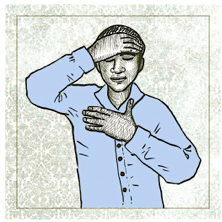
SITE: Self-Soothing Hand positions Exercises (helps with PTSD)

See ACRONYM Page for abbrev.

QUOTE: “We grow sometimes in one dimension & not in another, unevenly….. mature in one realm, childish in another. The past, present & future mingle, pulling us backward, forward, or fixing us in the present. We’re made up of layers, cells, constellations.” Anais Nin


Def: Emotional Maturity (EM)
is expressed in ways that appropriately fit our chronological age – with increased adjustment, stability & self-regulation.  Psychological Wiki
PURPOSE – is TO:
1. acknowledge healthy qualities we’re already developing, based on personal growth – to appreciate our Recovery progress
2. know what personal goals to work toward
3. know what to look for in others* – lovers, mates, friends, family (adults), bosses…..

✶ ACoAs will say they wouldn’t know a healthy person if they fell over them.
WELL – here are some guidelines – for YOURself & about others! Keep a copy on your phone, desktop & bathroom mirror
PS: As emotional wounds heal & distorted beliefs are corrected, we can claim these EM characteristics, & see many areas of our life gradually improve

soothing handsEMOTIONAL GOALS & ACHIEVEMENTS – YOU:
• accept yourself unconditionally, even for the things that are incomplete, unattractive or need improving
• accept & tolerate anxiety & other uncomfortable Es
• accept & face guilt when breaking family rules
• accept that some stress is part of life, rather than trying to hide, without creating drama.  Can meet emergencies with poise
YOU:
• admit & are able to work through Es (fear, anger, pain…) from traumatic events in your life (divorce, major illness, death, disasters….) rather than pretending nothing’s wrong
• are comfortable expressing Es in a healthy way, from the Adult ego state
• are in touch with a full range of Es. Not afraid to find out what they are at any given moment, but not overwhelmed or driven by them
• aren’t afraid to feel sadness & cry, as well as explore the reasons for it
self-pity• can handle disappointment, so are a good loser, deal with defeat without whining or blame
YOU
• have a reasonable amount of patience at reasonable delays, & have self-control in adversity. Accept you sometimes have to adjust to other people’s convenience, needs or limitations
• have Es in perspective, from a balanced internal place rather than B & W extremes. Accept that “If it’s hysterical it’s historical”
• have mostly outgrown envy & jealousy, being honestly glad when others have success or good fortune
• know how to manage & cope with old or new pain
• let yourself be vulnerable without shame or terror, & can let others see your unsuccessful / soft side, but only when appropriate & with safe people
• recognize anger or rage & express them appropriately, in a way that leads to your growth
YOU
forgive• aren’t overly ‘sensitive’ or touchy, can feel your Es but not so easily hurt
don’t have to “show off” in socially unacceptable ways to feel important
• don’t require approval from others to feel good about yourself
• don’t need to constantly find fault, but also aren’t idealistic & unrealistic (in denial) about things that are genuinely harmful
• don’t worry about or try to fix things that are beyond your control
• don’t indulge in self-pity (“woe is me”), understanding the law of compensation* operates in all of life.
IMP: Having compassion for ourself & our misfortunes, which are not of our making, is not the same as self-pity, which only blames others for our pain without taking any responsibility for having to heal our wounds

*Compensation: All life is about trade-offs – good for bad, & bad for good. It’s an amend or reward for loss or deprivation. Anything that makes up for the lack or limitation of something else
“As there is no worldly gain without some loss, so there is no worldly loss without some gain:
• If thou hast lost thy wealth, thou hast lost some trouble with it
• If thou art degraded from thy honor, thou art likewise freed from the stroke of envy
• If sickness hast blurred thy beauty, it hath delivered thee from pride
• Set the allowance against the loss and thou shalt find no loss great.”
English Metaphysical poet Francis Quarles (1592 ~ 1644)

NEXT: Emotional Maturity – Relational, Spiritual

Emotional MATURITY – Cognitive, Practical

maturity 1

‘I KNOW WHAT I KNOW’
and I’m also willing to learn

PREVIOUS: Emotional Maturity – General

NOTE: As recovering ACoAs, many of us start the maturing process much later in life than we would have if we’d come from a healthy, loving family. This is perfectly understandable.

Therefore, we need to
:
mourn the loss of time & possibilities our damage has stolen from us
safely express our rage at the unfairness of having to clean up the mess our parents & environment bequeathed us
• consistently work at Recovery, & persevere no matter how hard & long it takes
• keep looking for, finding & accepting appropriate people & support systems that will nurture our growth
• know in our bones that Recovery & therefore EM is a realistic goal for ourself NEVER ‘compare & despair’, since you are NOT someone else!

COGNITIVE – ABLE TO:
• be self-appraising, & comfortable with who you are & what you want in life
• take responsibility for your decisions. Admit when you’re wrong, without being overly guilt- or shame-ridden
• consciously look for the motives behind your own actions, with wisdom & compassion
• face reality, in yourself & in others, the way things are right now (acceptance)
TO:
• decide what you believe, based on experiences & feelings, not on what others say or do – or want of you. Believe “I know what I know”
bla, bla, bla• realize there are many different opinions in the world, & you can’t use others to form your identity
• change your opinions about people or situations when receiving new info
TO:
• accurately chose info from available data, then apply it to make positive decisions for yourself
• mainly use reason to decide how to act. You need Es to say what’s suitable or not – for yourself, but they are not always or automatically to be acted on
• think before acting to be in control of your behavior
TO:
• eliminate magical thinking (grandiosity), unrealistic expectations, projections….
• live with being imperfect & sometimes failing. It does not reflect on your personal value, no matter what you were told as a kid
• thoughtfully listen to others’ opinions. You can understand & tolerate differing views, without diminishing yourself in any way
gaather knowledgeTO:
• accept not everyone will feel the same way about a situation, stimulus or idea as you do
• understand the relationship between core values & Es
• always want to learn new things to improve yourself, making you more effective & useful in the world

PRACTICAL – ABLE TO:
• admit & deal with the consequences of your actions or inactions
• accept when you don’t succeed at something. Figure out what went wrong, learn from any mistakes, & make the necessary corrections – when possible, & without shame
• asses the risks of a potential or planned situation (date, interview…) that you’re already familiar with, OR that you know enough about to evaluate – without projecting negatively.
When assessing possible pitfalls / risks of an upcoming event, do research & then use that info wisely (not impulsive, compulsive)
TO:
• balance family, rest, work & play – without trying to do it perfectly, or do it well all the time
shoot for dreams• be mainly self-reliant in all areas of life, but not isolated or afraid to ask for help when needed
• follow through with things you’ve started, even when it’s hard, but also know when to let go of a hopeless situation
TO:
• know what you want to do with your life & then pursue it with enthusiasm & patience, persevering even when there are obstacles
• plan ahead, being realistic & practical, rather than letting things go ’till the last minute. Use inspiration & intuition when faced with an unexpected problem, but not as a substitute for being prepared
• tackle difficult & demanding situations – even when scared – trusting you can use knowledge & experience, not forgetting past successes
TO:
balancing• take overall responsibility for your own life (& small children), without endless excuses, but not be responsible for the lives or needs of (most) other adults
• use moderation & balance in all things, but allow for extremes once in a while when appropriate
• work hard toward your goals, not compulsively or to the point of exhaustion, but with a reasonable plan that can be modified or enhanced according to circumstances

ARTICLE:Knowing your Strengths gives you Clearer Direction

NEXT: Emotional Maturity – Emotional

Emotional MATURITY – General

I INTEGRATE ALL PARTS OF ME
while still working on the ‘old stuff’

PREVIOUS: Emotional Immaturity (Part 3)

SITE : True Happiness (Emotional Maturity Questionnaire)

QUOTES: 🔅 “Maturity consists of no longer being taken in by oneself” Anon.

🔅 “Maturity is the ability to think, speak & act your feelings within the bounds of dignity. The measure of your maturity is how spiritual you become during the midst of your frustrations.”  Samuel Ullman (American businessman, poet & humanitarian)

EMOTIONAL MATURITY (EM) means having a healthy self-concept: not thinking too highly or too lowly of ourself, being part the world but realize we’re not the center of it

Characteristics can be identified in relation to AGE :
a. Social  – can relate well socially for our physical age
b. Emotional  – can handle emotions appropriate for our age
c. Spiritual  – can behave in a spiritually mature way

In ACoA language, EM develops slowly by minimizing the damage in our WIC & quieting / limiting the PP voice, as much as possible. Ultimately it’s about no longer having S-H & living from our True Self.
Maturity comes from growing the Unit (Healthy Adult & Loving Parent), who are regularly (but not always) in charge of the WIC, encourage the Natural Child to blossom, & keep in touch with our Higher Power.

• Maturity does NOT mean having eliminated all our damage, but rather to lessen the grip of the Introject, diminish accumulated old pain & be able to deal with our core wounds when they do surface, so they don’t take over & we can bounce back faster.imperfect

ACoAs are quite capable of developing mental, emotional & spiritual maturity – as long as we don’t strive for perfection*.  Actively using the “Principles of the Program” helps to outgrow the worst of our damage so we can live more comfortably in the present, instead of in our tortured past.  When psychological health takes root, we carry it with us even under stress, & express it in ‘all our affairs’

Perfectionism is a sign of immaturity, based in FoA & S-H,- a belief (CD) rather than an event or action.
To be human is to be IMperfect, & to be mature is to be OK with that!
Fortunately there are times when everything works out well = we’re successful at a task, reach a goal, or feel empowered. These do NOT come from perfection.
Basically, they’re just events without mistakes. Those moments are the result of our knowledge, effort, practice & persistence, help from H.P, our faith, & perhaps some ‘luck’.

KEY QUALITIES of MATURITY
confidence1. Emotional
Emotional Responsibility : identifying them, AND know they come from inside, rather than caused by other people, places or things
Self-control: accept & control our passions, impulses & desires. Can handle stress well, ‘let go’ & detach, know when we’re powerless over a situation
Self-esteem: have inner fulfillment, enjoy life, experience ourself as one source of love.  Have understanding of & insight into current reality.

2. Psychological / Mental
responsibleCognitive Responsibility: be accountable for our thoughts – beliefs, opinions & prejudices. Handle finances, have good work habits & are reliable
Mental Clarity: able to think clearly & rationally. Process information based on general reality, know how to gather & communicate information
Independence: make appropriate decisions & observe consequences in order to make better choices. Learn & grow from experience.

mental clarity3. Practical
Action Responsibility: know what we want & can make it happen
Function: make the effort to learn what we need to know in order to accomplish our goals
Participation: join group & community activities that encourage creativity, collaboration & empowerment, perhaps volunteer for a relevant cause

4. Relational / Social
Inter-personal Responsibility: treat people as separate entities with the right to their own needs, wishes & dreams (not use people)
relationalRespect: understand & tolerate different views, cooperate with peers or teams, care about others & support their concern
Connections: make connections easily, sustain intimate relationship, take in friendship & love, share decisions & resources

spiritual5. Spiritual
Moral Responsibility: have a healthy value system / code of ethics. Choose what’s right for ourself first & then in relation to others
Congruence: Act honestly, live by our principles & listen to our intuition
Altruism: have concern for all humanity, do what we can to help others – realistically!

NEXT: Emotional Maturity (Part 2)

ACoAs – ACCESSING Emotions

LIFE GOES MORE SMOOTHLY
when I accept & manage my emotions

PREVIOUS: ACCEPTING our Es (#1)

SITE: 🔅5 Ways to Access Es


ACCESSING Es
For anyone who ever doubted that emotions are real – this digital map BELOW shows scientifically that various emotions create physical energy which can be visually located in the body, depending on which one is being experienced.   (MORE….. scroll to 5/25/14)

• We live in a culture that worships Do-ing over Be-ing, action over introspection, thinking over feeling. Even so, we need outlets for our emotions, no matter how much we deny having them.

◎ To do that, people will use sports event, concerts, movies, hanging out with rowdy friends…. not just as entertainment, to connect with others & enjoy favorite people or activities, but also to artificially generate emotions in socially acceptable ways. It’s called blowing off steam, escaping, just having fun…. but ultimately it’s a way to experience Es not otherwise acceptable – especially in public.

Even in Recovery, ACoAs struggle to access buried Es. We have many methods available to help us get to them, but we also need to be fully aware that it’s not wise or safe to try having all our feelings at once.
It’s important to not rush – “Softly, softly, catchee monkey” – slow & steady works best! Sometimes we can’t help being triggered, but with the right help we can get thru it, & come out of the tunnel feeling lighter

🧠 Feeling safe / unsafe is inseparable from neurological functions of the vagus nerve, connected to all major organs. It controls 3 sub-systems that helps us determine if a situation is safe, dangerous or life-threatening. When any one of the 3 is active it inhibits or shuts down the other 2.  (also related to depression….)
POST : “Dissociation – Healing” = re. the vagus nerve

• Ultimately, the only way to have access to buried Es is if we feel safe enough, which refers to an emotional state of being open & transparent. This means:
a. EXTERNALLY : searching diligently until we find Safe people with good boundaries who can be trusted to not abuse or abandon, & give us the benefit of the doubt in questionable situations
AND environments where we can cry, rage, be vulnerable… without being judged or ostracized. (More….)

b. INTERNALLY – consistently treating ourself much more kindly than we’re used to, so the Inner Child can come out of hiding or stop acting out everywhere.
As we grow psychologically & spiritually we can tolerate more of the buried trauma. IF we stay in the process, old Es will come up, then diminish or fade.
SITE: “Do your children feel emotionally safe?

TOOLS
DO regular bookending with the IC, and a short daily 10th Steponly list the day’s events briefly, & try to identify which Es might be associated with each one, pleasurable or uncomfortable.
1
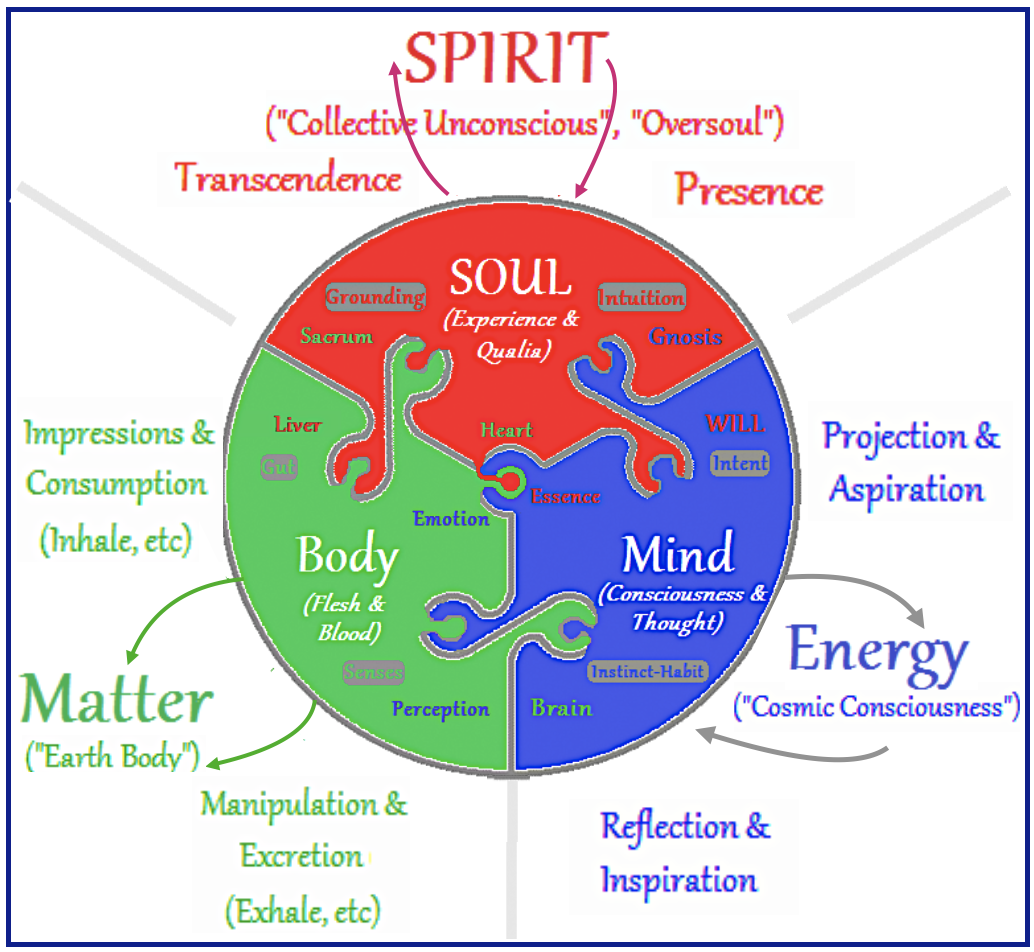
. The basic triad of Mind-Body-Spirit is a natural place to start.
Mind: thoughts you’re have over & over tell you that something’s important, either pleasant or unpleasant. Careful attention to what keeps popping up will help identify hidden Es that are “running” you without your awareness

Body: tightness in the belly, between the shoulders, or any other place in your body, is a message that something’s out of balance. Focus on that area, breathe deeply into it to relax, then ask for info from your body about what’s going on

• Spirit: tuning in to your intuition, consider Spiritual Truths you believe in, observe how you react to others….. What is your relation to others? How clear is that spiritual connection which links you to all other humans ? (MORE…. )

IMAGES ▼ : Physical typography of basic (upper) & non-basic (lower) emotions associated with words. Body maps show regions whose activation is increased (warm) or decreased (cool) when experiencing each emotion. (Color Bar indicates t-statistic range. 0.05 FDR corrected, t >1.94)
««
SITEs: re. ANGER / re. LOVE 

🔅“The Art of Processing Emotion

🔅  Emotional Release videos on YouTube 

🔅 5 ways to access the sub-conscious mind directly – Hypnosis, Self-hypnosis, Meditation, Walking-meditation, Floatation tank

🔅 BODY (& brain) WORK: Brain Repatterining // Core Energetics // CranioSacral // ETF // Kinesiology // Reiki // Rolfing…..

Essential Oils to release
blocked Es (videos)
🔅 ‘The Emotion Code’ – get to Es trapped in the body’s electrical flow

NEXT: Emotional Immaturity, #1

ACoAs – ACCEPTING Emotions (Part 1)

accept Es -3IT TAKES A LEAP OF FAITH
to believe it’s OK to have my feelings!

PREVIOUS: “Getting to Know Your Es – Over, #2

SITE : “10 Ways to Access High-Positive Es”

REVIEW: ACoA have been conditioned to believe that having emotions – especially anger – is as evil as killing someone. (POSTs: “Positive uses” for anger).
Also, people living with an intense mood disorder for a long time (panic d., obsessive-compulsive d., manic-depression, rage-a-holism, paranoia….) tend to reject various emotions as unacceptable.
AND, not distinguishing emotions from action can lead to very dangerous behaviors such as self-harming, sexual acting out, chemical addictions…..

• While we do want to aim for serenity & a balanced life, it’s not healthy to cover up painful emotions (Es) & harmful beliefs (Ts) with a bunch of platitudes & ‘positive thinking’, especially without first cleaning out old childhood trauma

ACCEPTANCE
accepting EsHaving access all our Es – as they come up – is essential to becoming fully integrated & able to function well in the world. The processes is never continual or total. It’s just important to accept all of them.
While its sometimes necessary to have some distance from our Es or to even be temporarily shut down – as self-protection – long-term suppression causes bigger problems than whatever was being avoided in the first place.

✶ Naturally we have to take into account —
— the WIC’s over-reaction to people & situations, from the stock-pile of old wounds, &
— to our under-reaction from obeying the Toxic Messages, rather than our True Self.
As we heal & develop our “Unit” we can usually tell the difference between historical vs present-day emotional responses  (Getting to our Es)

TOOL
Acceptance EXERCISE – adapted from workbook “Get Out of Your Mind and Into Your Life,” by Dr. Steven Hayes – an intro to “Acceptance & Commitment Therapy”.
It can be used anytime we have ‘uncomfortable’ Es, starting with ones that are strong enough to notice, but not enough to overwhelm. With experience, this exercise can be applied to more intense Es as well.
USE : Image Streaming & 24 back-up procedures for visualization skills.

a. Identify the E. If there are several at once, pick whichever one you’d like to work on first. Deal with the others later. If you have trouble naming it, sit quietly & notice physical sensations & thoughts, considering what E it may be. If needed, look at a list of emotion words, then write the one (or more) that seems likely to fit

b
. With eyes closed
, picture how you want this E to look (a color, sound, cartoon, animal….). Then put that emotion-image 5 feet in front of you, so you can look at it outside of yourself. Later on you’ll take it back, but just for a few minutes allow yourself a bit of distance to observe it
c. While picturing the emotion, describe:
“If it had a size, what size would it be?
“If it had a shape, which one?
“If it had a color, which color ?

• Let yourself SEE & feel the size, shape & color you gave the emotion. Watch it for a few minutes & recognize it for what it is – energy that is not harmful. When you’re ready, let it go back to its original place inside you – with its added characteristics

d. With eyes open, consider what you’ve noticed:
• Look at the new dimensions of this E. Is there any change in it by getting a little distance?
• Is your reactions to it different? does it feel different in any way now?
• Write & date your observations.

processing-emotionsUse this exercise with any E. as often as you can.
You may notice positive changes in how you relate to them. As you become less afraid of feeling, it’ll be easier to accept & deal with them

—>  This 5-step chart by Will Meek, PhD. was modified from the book “Expressing Emotions” by researchers Kennedy-Moore & Watson.

Each step can include mistakes & corrections in the process = when we feel something, we can pause right then, & deal with it successfully.  (MORE….)

NEXT: ACoAs – ACCEPTING Emotions (Part 2)

ACoAs: Getting to our EMOTIONS – Over (Part 2)

confidence I CAN HAVE ALL MY EMOTIONS

and still be in charge of myself!

PREVIOUS: Getting to Emotions – OVER (#1)

SITE: The Emotional Sensitive Person

BOOK: Emotional Confidence ~ Gael Lindenfield


2. OVER-FEELING
(O-F)
a. DAMAGE

b. RECOVERY
EXP of a BETTER way to cope with Emotional Intensity
• Sue is an O-F with a strong-willed Inner Child. With great love & effort she has developed a bond of trust with her IC in Recovery.bad lunch

• Sue is on a blind lunch date in a small upscale restaurant. The man is an engineer, all left-brain & totally un-self-aware.

When he asks what she does for a living & she says ‘Healer’, he begins a lecture about how unscientific & useless that is!
Sue can feel her kid’s rage building to an explosion, but she knows that if she lets herself attack the man for insulting her & her chosen profession, she will only be making a fool of herself – and in such a small public, space!
SO —
— just before the angry words can leave her mouth, Sue quickly asks the man to talk more about his work. She’s not interested and is not listening, but it stops his ignorant comments.

This diverts the intense emotional energy long enough for her to have a private talk with her angry Inner kid :
“Honey, there’s no point in letting him have it. Remember Al-Anon says to ask: ‘How important is it?’ This guy wouldn’t get it anyway, & we’re never going to see him again.
The only important thing is that I don’t want us to be embarrassed here & sound like the crazy one, since I know we’re not!”  Her IC agrees & is mollified.

TOOLS: Heal & Grow “WORK” for Over-Feelers
GOAL – TO:
• become the Good Parents to our Inner Child that we never had
• learn & use the tools for coping with our intensity
• gradually get the piled-up pain out of our body so we’re not flooded all the time
• re-connect with emotions that have been repressed (Didn’t think there were any more?)

TOOLS : Similar to Under-feelers BUT with emphasis on calming
BODY WORK (Site:Trauma release)body work
Any that can be administered by a professional AND some we can learn to use on ourself
• Biofeedback – changes brainwave states, from very active to a calmer level
• EFT – re-wires the brain to not over-react to triggers
• Release work – Core-energetics, Gestalt, Qigong, Psychodrama,  … (A-Z therapies)
art therapyDRAWING / READING
• any workbook that teaches IC drawing
• express how the IC feels, past & present
• recovery & Inner Child books & literature
• spiritual lit, poetry …. anything to calm the mind & heart

SEEING / LISTENING
• any music, movie… that gets our Niagara Falls flowinglistening
• soothing, peaceful music
• for some of us – focus on the orchestra’s timpani – in rhythm with our rage
TALKING 
• to loving friends & family… but ONLY with people or groups genuinely able to tolerate intense emotions without judgment or trying to control
• 12-step Meetings, as often & as many kinds as possible
• Psychotherapy, including FoO work, Experiential, Primal, Gestalt….
VISUALIZING / SPIRITUAL
visualize• dreams, guided imagery, Hypnotherapy … for validation & nurturing
• Inner Child – putting an image to our experiences & then for continual comforting
• prayer, services, the Psalms … for wisdom & centering

WRITING – See list for Under-feelers
🩸 2-handed IC Dialogues – especially to comfort the WIC so it knows it’s not alone with all its ES anymore, listening thoughtfully, giving guidance, correct CDs & protect from the PP   lists
• Make a “ME” list of YOUR good qualities in PMES categories – to shift the pain to joy!

REMINDER: The more we clean out old pain in safe ways, the more room there is for healthy pleasure (not addictive highs) ! Our suffering will be replaced by a sense of relief & comfort.
✳️ Being comfortable is not boring! We just have to let the brain get used to it.
AND, as we developed healthy boundaries, our Sensitivity will then be a special gift, for :
• correctly identifying who & what is safe for us, in our environment
• empathizing with, comforting & helping others, but only those who are appropriate & only when we are able or want to!
(see posts: “Feeling Sorry For ., “Rescuing and “Healthy Helping”)

NEXT:  Accessing & Accepting Es (#1)