

PREVIOUS: Healthy Trust #3
SITEs: “5 Facets of trust”
“Cultivation & Manifestation of Trust”
ATTITUDES that DEVELOP the ability to TRUST
• Diminished fear: many of us will have to ‘act as if’ until we feel safer. Intense fears from the past can linger, & ‘new’ ones depend on negative self-talk & staying with unrecovered people. “If it’s hysterical, it’s historical”. The less FoA & S-H we have the less our day-to-day fear. In any case, even with our anxiety, we don’t have to restrict all our interactions & activities
• A healing environment: good therapists, healers, teachers, recovery & spiritual groups. As we grow we can change how we interact with significant others, which will lessen blame, accusations & acrimony on all sides
• More openness: Others can’t connect with us if we keep hiding our True Self. With Recovery we can risk being appropriately open with the right people, who have proven themselves to be kind & supportive, so that they can get to know & appreciate us
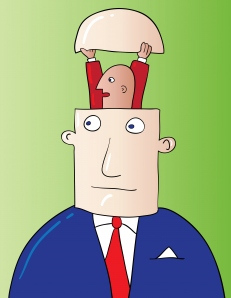 • Self-acceptance: to do this we have to know who we are – good points & weaknesses. There’s NO room for self-abuse, only realistic assessment of ALL our qualities, abilities & knowledge. Improved self-esteem makes it safer to get close to people without getting abused, or worrying about being abandoned
• Self-disclosure of our woundedness: Al–anon suggests that “You’re only as sick as your secrets”, so we need to air out our pain & distorted thinking – but ONLY in safe places & with healthier people
• Reduced Competitiveness : ACoAs don’t always want exactly what others have, but are envious (between 2 people) & jealous (between 3 or more) because those people are getting their needs met but we’re not allowed to! We feel thoroughly powerless, becoming enraged & obsessed. Instead – the more we provide our needs, there’ll be less desire for competition or accusations of unfairness, reducing barriers between ourself & others
 • Remembering the balance of life : the “Boomerang Effect’’ shows that if we are dishonest, mistrusting, narrow-minded… we assume everyone else is too, & are more likely to meet up with the same type.
BUT if we practice being sincere, respectful, kind, open-minded (but not foolish), most people will respond by showing us their best side too. This is not the same as being a victim or people-pleaser, which some people can’t resist taking advantage of
• Hope in the overall good will of mankind : without it we become isolated, bitter, cynical & emotionally stuck.
With it, we can learn to recognize & pull out the ‘weeds & parasites’ in our life, knowing that not everyone is narcissistic or dangerous.

NOTE : Trust as a Virtue – in some cultures (rural, religious, fraternities, armed forces, police, gangs, tight-knit criminals….) cooperation & friendly social relations are based on mutual trust & trustworthiness – a great virtue. They’re considered a prerequisite for integrity & social interaction (“I’m no snitch, I’ve got you back, blood is thicker than water….. ”) (Morton Deutsch, 1973)
HEALTHY PEOPLE WANT TO:
• be honest with themself & others in important matters
• tell their truth, or if they don’t feel safe doing so, be clear as to why
• opt for compromise when someone differs with them on important matters
• consistently keep their promises
• be respectfully direct & assertive, rather than aggressive or submissive
NEXT: HOW to Trust

