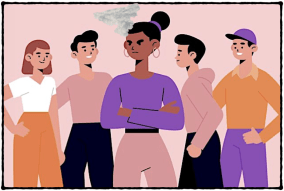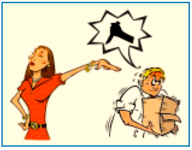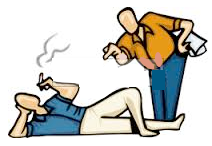
TRAITS of VICTIMS (Part 1)

MY POWER IS EATEN AWAY
by the bugs in my head!

PREVIOUS: Dealing with Abusers  – #3

QUOTE: “Some people wonder why others often fail to treat them with respect — not realizing they’ve signaled that it’s not necessary to treat them with respect.”  ― Nathaniel Branden, Six Pillars of Self-Esteem

V= Victim // P= Perpetrator (abuser)

VICTIMS – There are 2 broad categories :
Voluntary (for a principle or religious belief, in war, to save a loved one….)
Involuntary – anyone who suffers continual harm from another – as a child, as an invalid or the elderly, & not by choice.

Involuntary V. Sub-types 
a. Passive – most common
• Internal : depressed, hopeless, lonely, needy, self-hating, unhappy
• External : easily react to being baited, easily hurt, try to placate or be overly helpful, not able to use humor to diffuse conflict, justify themself,  few or no friends, socially awkward (no matter how intelligent)

b. Provocative – rarer (will have some, but usually not all these traits)
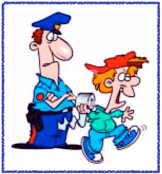
Attitude: resists rules, no patience for delay
Behavioral : fights back & keeps at it, but always loses with frustration & upset
Emotional : easily angered, frustrated, irritable, in great distress, over-sensitive
Internal : immature, impulsive, restless – but gifted!
Physical : may have learning disability (ADD, dyslexia, autism …)
Social : misreads social cues, poor interactive skills, reacts aggressively to authority, teases others & doesn’t know when to stop &
• can be very annoying or irritating , & so will be easily avoided. Gives off the unconscious message “Kick Me” (see Games PeoplePlay – Eric Berne)

Vs are ABUSED by Being:
• emotionally tortured, & mentally disorientedvictim
• ridiculed, punked or teased, the continual target of someone’s anger
•  punished for the errors or stupidity of others
• tricked, swindled, manipulated or taken advantage of
Being:
• the focus of unrealistic & excessive expectations
• physically neglected or injured
• subjected to attacks, oppression, hardship & other mistreatment.

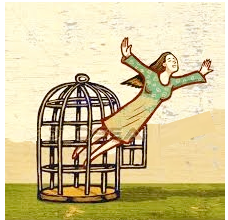
• As a result of long-term abuse, usually started in childhood, a person will continue the original Victim role. It’s the feeling of helplessness, being passive in the face of current or future ill-treatment or misfortune – called “learned helplessness” —> see Artwork #3victim

• Vs who need to be in a relationship – at all costs – will gravitate to some type of abuser. They may be of either gender, high or low functioning, underprivileged or highly accomplished.
EXP: Many famous & talented men & women have been victims of domestic violence, such as Carol Channing, Whitney Houston, Tina Turner, Reba McEntire, Madonna…. AND Phil Harman, Kelsey Grammer, Abraham Lincoln, Stephen Hawking (by his wives), Bill Clinton (in childhood)….
We know from reports that some stayed with their Perps long-term, (Ms. Channing, Pres. Lincoln…) while others got themself out. Some chose better the next time, & some repeated the harmful pattern – as in the list below. (the Men….) (the Women….)

BTW (in our culture)  • Generally, men do need & want relationships, but tend to get their basic sense of identity from work & career, academic achievement, athletic success &/or material gain. So their vulnerably to bullying is more likely to come from outside the home.
• Women tend to base their whole identity on the number, quality & intensity of their personal relationships.
Because of that, they’re more vulnerable & more likely to be abused by ‘loved ones’. The need to be a ‘good’ daughter, wife, mother, friend, co-worker…. makes them willing to do just about anything to maintain those connections, often to their detriment.

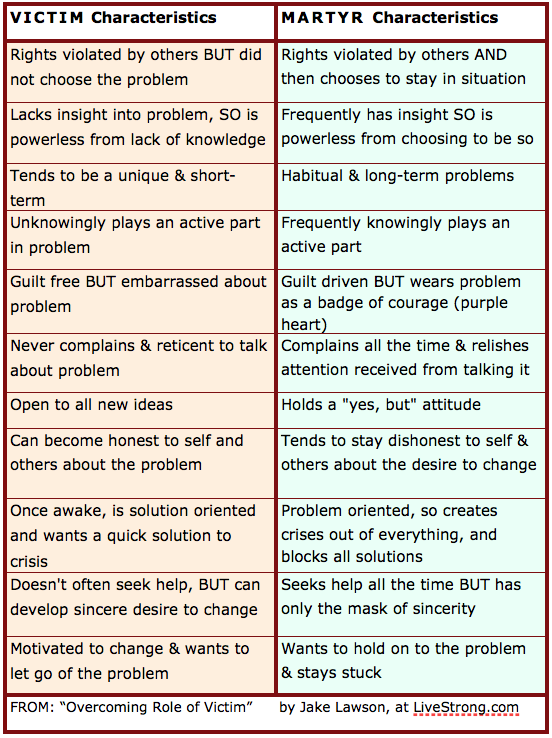
MARTYR vs VICTIM  : This distinction is naturally about ‘functioning’ adults, who make conscious or unconscious choices regarding a bad situation they find themself in. The difference between the two is that Martyrs are self-aware (sort of) & Vs are in denial – at least to start with.
«
«
NEXT: Traits of Victims – (Part 2)

ACoAs dealing with ABUSERS (Part 3)

IS IT ME, OR –
are they the crazy ones?

PREVIOUS: Dealing with Abusers -#1

SEE post: “They did the best they could”


1. ACoA Silence (Part 1 & 2)

2. SPEAKING UP
a. “Wrong” Talking
Unhealthy – over-explaining or justifying ourself, pushing our opinions, trying to be heard & be ‘right‘. It can be in the form of ranting, repeating the same thing over & over, having a tantrum or being preachy.
It’s most likely to happen when we’re with someone who clearly is not interested in what we feel or think – but we refuse to accept it, & keep trying!
“Maybe I can wear them down OR figure out the ‘right way’ to say it!” It’s classic ACoA to try getting our needs met from the very people who can’t do it!
b. Healthy Talking
Taking care of ourselves includes having to ASK for something (don’t expect mind-reading), or just expressing our point of view.  It’s important to let others know what we want, but this must be done…communication

i. ….once we’re sure we know what our real need is in a given situation (respect, stopping an abuse, getting info or a service….).
That way we can be direct & clear, rather than assuming someone should know. That’s only legitimate for infants, who can’t talk yet.
FROM :
ii. ….our Adult ego state, not from the WIC. It means short, to the point & unemotional. This works most of the time!  Reasons for us to speak up to abusers are :
• putting the Perp on notice that we’re not available to be their Victim (V), which represents our self-esteem, knowing we deserve respect
UNIT ego state• standing up for our WIC and the Healthy Child. It’s the job of the Loving Inner Parent, especially since no one did that for us, growing up.
Our attention is best focused on what’s appropriate for us rather than trying to control others. We’ll not be speaking up for the P’s benefit – ever! It does not matter that the P. will not be able to hear you, much less willing to change. The WIC can hear you. Be your own champion!
BY :
iii. ….asking the right person :
• If it’s someone you already know well, always check in with yourself first : “Can they provide what I’m asking for, or am I barking up the wrong tree?”
DO NOT chase a hope-filled fantasy. We just diminish ourself, get furious, feel ‘bad’, then hopeless.

• If you’re asking a stranger (like ‘Customer Service’) & you don’t get what you need from one person, hang up & keep trying until you get someone else who knows what they’re doing, & can provide an answer or service – if it’s actually possible & realistic! It may take 3 or 4 calls, but it works!

BOTTOM LINE
Silence or Denial?  Can you save yourself from getting run over by a car if you’re blindfolded & wandering in the street? NO!
ACoAs keep suffering – unnecessarily – as long as our eyes are tightly closed to the damage others do to us, even inadvertently. Yes, sometimes we are the source of our pain – from the WIC or the PP – which can be corrected with compassion & eliminating harmful self-talk.

But when someone else is being mean, selfish, crazy or cruel toward us, it causes us pain – just as it would for anyone. But it’s even more so for ACoAs because of our earlier wounds.  By recognizing when the pain is coming from (our damage vs another person’s), we eliminate much of our Self-Hate.

PONDER: You get shot by stray bullets in a nearby gunfight you have nothing to do with. You don’t die, but are left having to deal with severe injuries that take a long time to heal. You didn’t do the shooting, so you didn’t cause your wounds – even if you unfortunately happened to be in the vicinity.

So why do ACoAs blame ourself for the abuse we got from our sick parents & now from others who spray their mental / emotional illness over everything?
REMEMBER : we were not the source of the original mistreatment!
It’s not our fault that the other person chose to act in a certain way. The clearer we are about who is responsible for what – theirs vs. ours – the kinder we can be to ourself, & the better our life becomes.

NEXT: Traits of  Victims #1

ACoAs dealing with ABUSERS (Part 2)

 PREVIOUS: ACoAs dealing with Abusers (#1)


1. ACoA SILENCE (cont)
a. Toxic rules / b. Co-dependence / c. Controlled

d. Our Rage
Most ACoAs sense that we’re afraid of others, especially of their anger. But many don’t recognize how filled with rage we are too.
Actually we’ve stored years & years of childhood anger in every cell, & then as adults we pile more on top by staying connected to abusers – familiar & equally as harmful as those we grew up with.

• So, one more reason we’re afraid to say anything when upset is the unconscious fear of our rage – we don’t know when the lava will burst out. We even suspect, at some intuitive level, that our reactions can be out of proportion to the current situation. We may not actually feel the rage, but our obsessions say it all!
So we’re not only trying to protect ourself, we’re also protecting others from our rage.
And – we try to suppress ourself so we do not turn into our rage-aholic parent!

• All ACoAs can benefit from doing extensive rage-work (on our own, in small groups or with professional help – like Core Energetics) to be lighter, & make it safer to interact with others

e. Discounting  Experiences
Many ACoAs are constantly under ‘big’ internal stress, which takes up a lot of energy. That doesn’t leave much to notice the more subtle ones, the little ‘nigglies’ everywhere (no hot water, late train, out of milk, can’t find something…. minor thoughtlessness of others…..) These pile up too, making us cranky or depressed, without knowing why.

• When we consistently underestimate the nature of ‘little slings & arrows’ – they seem so trivial – we underestimate the emotional impact they have on us. Just because a paper cut is not life threatening doesn’t mean it doesn’t hurt – a lot!

Yet we use Denial & Perfectionism to dismiss subtle info that our emotions give us – like the ‘ICK factor” in our gut about someone. We don’t admit minor things bother us because we talk ourself out of believing ‘something just happened’.
FYI – Sometimes a quick cry or fist pound on a desk relieves the tension!

RESULT: If we don’t pay attention when problems are small, they grow into monsters, & then we don’t know how to manage.
SOLUTION : Do a quick 10th Step inventory at the end of each day – to identify annoyances, & then give the Inner Child a big HUG.
💘
NOT Talking
Healthy: 
Obviously there are times when the safest, wisest thing is to be quiet & walk away, but the willingness to do that has to come from our adult ego state, not the scared or angry child.  It’s so-o-o hadult restrain childard for ACoAs to let someone think they’ve ‘won’.
When dealing with an unreasonable, angry or manipulative person, fighting to get our point across is absolutely futile.
If we insist, we just make a fool of ourself. It’s up to the Healthy Adult to keep the WIC or PP from telling someone off OR trying to do the impossible – changing a narcissist’s mind!

Reasons to be quiet 
Re YOU, when
• you are wrong, & need to admit it, if only to yourself
• you can not win, no matter how hard you try
• it saves your dignity (instead of controlling, showing off, getting even ….)
Re. THEM, when
• confronted with an authority figure who can harm you (boss, cops…)
• dealing with someone who always needs to be right (& others always wrong)
• dealing with an active addict – they’re not in control of their reactions & can’t listen to reason
• faced with a Volatile looking for a fight – especially if you’re not trained for ‘war’ (physical or verbal)

BE CLEAR: we don’t cause someone to abuse or neglect us, & therefore we don’t create that pain! Yes, it is up to us TO:
• say something appropriate, &/or to get away
• tend to our emotional hurt in a safe way
• correct any thought distortions that may sneak in

NEXT: Dealing with abusers (#3)

ACoAs dealing with ABUSERS (Part 1)

I’M TOO SCARED  to tell!

PREVIOUS:  Denial & Acting out

SITE: 15 Secret Signs You’re Actually Really Insecure

Post: ACoAs Getting Controlled (1 & 2)


1. ACoA SILENCE

ACoAs are more than reluctant to speak up for ourselves. We hold it in & hold it in, then eventually explode at others, OR implode – into illness, depression & isolation.
We’re equally mute with people WHO:
• are actually abusive, whether they know it & don’t care, or have no idea what effect they’re having
• we just think they are hurting us by something they said or by not reading our mind (giving us what we need without us having to ask for it), but they’re really not harmful – they’re just pushing a button in us
• are not being abusive at all, but we’re afraid of hurting their feelings, scaring them away or -god forbid- make them angry at us!

Validation – We may need sane sources to help us identify ‘who did what’ but don’t go to the Perp. They deny or confuse. Al-Anon stresses “Detach! Let go” – with love, with hate, with humor… any way possible!
You wouldn’t demand that a person blind from birth should see colors! Don’t chase abusers – for anything, especially to admit they’re wrong!don't talk

REASONS 
a. The ACA “DON’T TALK” rule   (they = parents / community), ABOUT WHAT :
• is actually going on in the family itself – don’t air dirty laundry – it’s no one else’s business (family shame = family secrets)
• you need & want, since they can’t or don’t want to provide them
& ABOUT WHAT:
• you feel emotionally – they don’t want to hear it, they’re already in enough pain & don’t know how to deal with it, so don’t need yours too!
• your personal opinions, values & observations are – if they don’t fit in with the ‘party line’ (the ‘story’ created about the tribe we all belong to).

🤐 No matter how twisted, it’s our family & we protect it at all costs. These messages prevent some ACoAs from going to 12-Step programs &/or therapy – seeing it as disloyalty.

b. Co-dependence
Of course most people don’t want to ‘be in trouble’ with others, so we learn what’s appropriate to say or not say, especially in public.
But for ACoAs it’s always about FoA (fear of abandonment). Even as adults we’re afraid of unpleasant reactions from others – when they get angry at, dislike, make fun of – or worse – ignore us!

• Our co-dependence (needing others’ good-will to feel OK about ourself) drives us do anything we can to prevent anyone from expressing even slight disapproval, which will set off our S-H.
The WIC believes: “I’m so unlovable, no one really wants me & sooner or later will leave. Unless I can con them into accepting or at least  tolerating me – I’ll die”. So we think lying or silence is safer.

REALITY: MOST of how people respond to us has nothing to do with who we are – but the child’s narcissism takes everything personally. In the present, anything that seems like an abandonment feels like punishment,
✎ ✐ rather than others just having their own feelings & opinions, OR are acting out their damage.
SITEFrom Parent-Pleasing to People-Pleasing 

c. Controlled
Another reason we’re silent is the brain-washing we received growing up. We were trained so thoroughly to ignore what we heard, saw & experienced – that we end up not seeing many things that are in front of us (”What insult?”), misreading a situation (“I’m sure they hate me”) or unable to respond to a painful comment (“I wish I had said…..”).
POST: “ACoAs over-controlling ourself”

EXP:  No matter how articulate some of us are when we’re comfortable, there are times we get emotional brain-freeze.
It’s so-o-o frustrating that when we’re with someone who is being inappropriate, mean, insulting….  it triggers a childhood wound & we instantly shut down with terror, the reminder of family abuse being in total control.
At that moment we’ve lost our internal computer screen – it goes blank & we can’t think, much less talk. Yet as soon as we’re alone, the computer comes back on automatically & we know what we should have said! Darn, darn!

SITE: Emotional Complexity (Habituation, Inhibition, Constriction….) 

NEXT: Dealing with Abusers (Part 2)

DENIAL & ACTING OUT


I HAVE TO BE IN LA-LA LAND
to suppress the pain

PREVIOUS:
Deliberate or not? #2

See ACRONYM page for abbrev.


REVIEW: Most people are capable of some emotional abuse (E.A.) because most people have experienced E.A. as children. Sooner or later, we treat others the way our family treated us – acting out our parents, just as we act out the WIC.
The focus here is on breaking out of the ACoA’s denial about how & when others act badly toward us, which we have a habit of ignoring, mis-identifying or not noticing, because it’s so familiar.

ACTING OUT 
a. Any compulsive behavior you don’t consciously choose & so can’t seem to stop yourself from doing, OR compulsively not doing….
b. …. which expresses intense emotions you’re not actually feeling at the time, but that are rumbling under the surface

• This term is usually assumed to mean overt actions, against oneself or towards others – getting drunk, starting a fight, being late for work, being promiscuous … ♼ But it just as often the NOT taking :
✂︎ specific actions that would be good for you (walking out on a bad date)
✂︎ legitimate actions you planned on (making a call, going to a job interview), but “forgot”

spacing outEXP: You’ve made an appointment with a new therapist & consciously – you’re looking forward to it. It’s on your calendar & you remind yourself of it the day before. Then you go thru the whole day of the appointment without going – totally oblivious – until late that night as you’re falling asleep. “Oh No! I forgot all about it, & I really meant to go!”

😱This is an EXP of the WIC’s un-felt but intense fear of being vulnerable with a new authority/ parent figure who may or may not be safe.**
✶✶ When we’ve done or neglected to do something that seems baffling, inappropriate, even out of character, we can figure it out : Identify what emotions we were spaced out on (dissociating) but which desperately needed to be expressed – somehow!

DENIAL
Denial allows us to look for & stay with abusers, which is potentially life threatening, & definitely damages us psychologically!

a. MIS-USED: ‘Denial’ is typically meant as – Deliberately ignoring something we know but don’t want to deal with. This is not Denial.
When people say “I just won’t think about it. I’ve put it out of my mind… ” they’re referring to ‘suppression’ – a conscious decision.
Of course, if what we’ve push away was traumatic, that emotional pain will be festering in a dark corner, & eventually comes out in some others form – as hidden or direct rage at others, &/or self-destructive behavior.

b. GENUINE psychological ‘Denial’ is NOT deliberate. It’s a defense mechanism to “not acknowledge an unacceptable truth or emotion by not allowing it into consciousness.” = meaning that we don’t know we don’t know (something)! – either about ourself or someone else, even though it may be perfectly obvious to others.

This ‘skill’ comes from years of childhood training, hardened into Toxic Family Rules & Roles, as well as our human need for emotional survival. As an adult, it usually takes a lot of work to bring up long-buried traumatic experiences & associated pain into awareness, but once in a while some life-event can force a chunk of it to shake loose & shoot to the surface, like an erupting volcano, possible accompanied by overwhelming panic.

PAY ATTENTION• We can counter Denial & Suppression by carefully paying attention to what we see & hear every day in the present.  People tell us about themselves all the time, which we would pick up if we were allowed to listen to our intuition & intelligence. Repeatedly ignoring what’s in front of us is wounding to our sanity & our soul!

In recovery – once we become aware of abusive patterns we will notice them everywhere – in songs, movies, our family & friends, at work….
The opposite of Denial is ‘Being in the now’, or ‘Mindfulness’, making it easier TO:
♡ notice of what we’re needing, wanting, responding to, feeling – every day…. AND
♡ keep us awake to who others are, how they act, what they’re saying…. & how we feel when we’re with them.

NEXT: Dealing with Abusers #1

DELIBERATE Abuse or Not? (Part 2)

PREVIOUS :  DELIBERATE Abuse or Not? (# 1)

SITE: “How to Recover from Emotional Abuse

Top 35 Most Impactful Books to Overcome Emotional Abuse

CATEGORIES of Perpetrators (Ps)
a. Overt / b. Sneaky
c. Oblivious  (most frustrating)
• These are the Perpetrators (Ps) who are completely inured to the fact that they hurt us & are surprised when we’re upset with them. Their Denial is so complete they simply can not imagine their way is wrong – so much so that they can say, wholeheartedly & with a raised hand: “I swear before God, I’ve done nothing wrong!”  It can be enraging to deal with them, since there’s no way to get thru their armor. They just look at us blankly – or worse, hurt. Then we feel guilty. DON’T.

Yet our WIC desperately wants these very same abusers to admit what they’ve done, then repent & change – especially the ones least capable of being emotionally honesty & validating. Regardless of why they’re oblivious, these Ps’ lack of insight is absolutely no reason for us to ignore the reality of who they are.oblivious

EXP: This is how Doc Martin treats everyone, but especially his baby-mamma in episode “Remember Me” (on Netflix). He’s not trying to be mean, but his insensitivity has the same negative effect as other Ps.
The Doc is very literal, completely ignorant of psychological values (being polite, showing respect, not being controlling, having boundaries…), & is not able to empathize – all of which hurt people’s feelings. (see The Family Wayepisode of BBC’s “Doc Martin”(12/05) for the source).

d. “Normals” (most illusive)
• This type is the hardest for us to see as being abusive. While they’re similar to the  ‘b’ type in some ways, the main difference is intention. The sneaky ones want to ‘get over’, want to be in control, want to always get their way.
'normals'But ‘normals’, who are not really healthy, seem to be respectful, thoughtful, spiritual… toward others – yet can do a great deal of harm in the family. They’re good people who are shut down on their own inner wounds, so their main way of being abusive is emotional.
BOOK “For your own Good: Hidden cruelty....”, by Alice Miller

They may be religious, responsible, friendly & hard-working – but they step on others’ feelings the same ways they were negated by their original family. They genuinely believe they’re doing the right thing, while regularly abandoning others – emotionally AND cognitively.
EXP:
Abandoning – To child being bullied: “Well, they’re having a hard time too, you know” , “I’m sure they didn’t mean it”, “What did you do?”
Invalidating – “You shouldn’t feel that way”, “Look ashamed”
Insensitive – Parent to teen being rejected by a popular group: “If it bothers you so much, don’t go back. Find other kids your own type”
Negating – “You just have to accept her the way she is”, from aunt to pre-teen crying about being attacked by mother

ULTIMATELY it doesn’t matter if our caretakers meant it, if they couldn’t help it, if they knew what they were doing …. or not. The important thing is the effect their damage has had on us. (Post “Accessing Emotions).
Early life trauma over-stimulated our sympathetic system, pumping stress chemicals into the bloodstream. It’s one reasons we’re so exhausted now by being in bad relationships.
To recover, we can activate our parasympathetic system, switching from “fight or flight” TO “rest and digest”. Remember the vagus nerve?  The post “Dissociation – Healing” has many suggestions. Only try the ones the suit you!

Whether the person we love is an overt or indirect abandoner, we need to grieve the loss of time, of hope & of self-esteem. The first loss we can’t recoup, but the other 2 we can. We can start by making a courageous inventory of our Toxic Rules (T), & keep feeling the old pain (E) in small doses, noticing how our behavior & thinking obey the ‘disease’ & how thoroughly we’re been driven by abandonment anxiety.
Only then can we change the things we do to harm ourself in the present. We can emerge stronger by building an image of ourself as a resistant, valuable, dignified person.

NEXT: Denial & Acting out

DELIBERATE Abuse or Not? (Part 1)


I’M SO CONFUSED!
Are they good, bad or evil? 

PREVIOUS: Indirect abusers #2

Review post series:
▪︎  Noticing painful Events” ….

▪︎  Double Messages and Double Binds)


DELIBERATE Abuse or NOT?
Most ACoAs assume that if our parents / lovers… don’t mean to hurt us, &/or can’t help themselves because of their damage, then their behavior can be overlooked.
So – as adults – we shouldn’t call them on it, don’t have to ‘protect’ ourself & we should never get upset with them. After all “it’s not their fault – “They did the best they could…..”.

This is our self-destructive attitude – & takes a toll on our psyche that’s too high a price to pay for staying connected, just to stave off our guilt & loneliness. ACoAs are famous for white-washing abusers, especially parents. We believe that acknowledging what the Ps have done would be disloyal to the family system (or marriage, friendship, boss….), & would cause a rift we think we couldn’t bear. AND yes, for some of us, punishment from those Ps for hearing the Truth can feel like too much for our WIC.

CATEGORIES of Perpetrators (Ps)
a. Overt  – ‘easiest’ to see
• Sometimes a parent will blatantly admit they’re ‘not nice’, don’t care, didn’t love us & never will – “I didn’t want kids in the first place”.
The Family Wayepisode of BBC’s “Doc Martin”(12/05), is so very clear – when his estranged parents visit him & the truth comes out!

Some part of us already knew it & it’s excruciating to admit, but hearing it out loud makes it real, eliminating illusion & a hope for the impossible. Of course we have to be willing to work with this info to recover, & not everyone is able or ready. (ARTICLE :“My parents say I’m ugly and wish they’d never had me” )

Also, any type of physical  abuse is horrifying, but simpler to acknowledge, because the injuries are easy to identify, even getting outside validation (as opposed to the other types). Our suffering & our rage is no less intense, which has to be cleaned out, but at least it’s tangible.

• As adults we’ve gotten involved with outright skunks, people who from the beginning were obviously unsafe – unreliable, insensitive, active addicts, under-earning…… They may say : “You knew what I was like / I told you what to expect – or not / I said I wasn’t into relationships” ….

The main problem in facing this kind of abuse is our denial – not the P’s. It was our unwillingness to believe what they were saying, which let us get involved in the first place, because their ‘style’ was so familiar! We didn’t cause the abuse but we sure stayed for it.
😱 These kinds of Ps cause just as much emotionally pain as any other, but the least mentally confusing for us, because if cornered, they’re capable of admitting what they’ve done – although not willingly & without any remorse!. We can heal faster because it’s not mentally crazy-making.  Once we’ve raged & mourned, we can move on.

b. Sneaky (much harder)
• It’s really tough to identify the source of our damage when our family (mates, friends…) profess to love us, but mistreat us much of the time anyway. This can apply to being put-down, manipulated, over-controlled, gaslighted….
As adults it can also be in the form of sexual coercion, or any shade of previous child sexual abuse, especially when you were singled out as a ‘favorite’ (“You’re mysneaky bad special girl”….), & told to keep it a secret. (Indirect Abusers – Part 2)
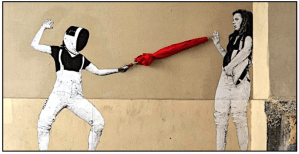
• They may say they love us (& we believe them) BUT we feel like crap when we’re with them – exhausted, scared, miserable, angry, bored – yet can’t put our finger on why, since nothing seems obviously wrong.
Then after spending time or even just texting / talking with them – sometimes for days or weeks we’re depressed & can’t get back to our life. Naturally ACoAs figure it must be us, right? NO!!
Your body & emotions are clearly telling you that something’s ‘rotten in Denmark’ – & your name isn’t Denmark!

SITE: “TRAUMA HEALING for Your Mind, Body & Soul” with Bible verses

NEXT: Deliberate… #2

INDIRECT Abusers (Part 2)

PREVIOUS
: INDIRECT Abusers (Part 1)


Abusers & THERAPY
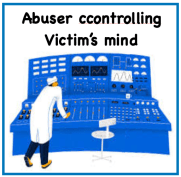
a. There are some covert abusers who will go to therapy because they’re in very real pain – for years & years, but are not actually willing to dig into their unconscious (Shadow side) to clean out their pain & correct their CDs.

These narcissists, borderlines, paranoids…. are trying to get relief by ‘using’ the therapist as a nurturing parent rather than learning how to parent themselves. Unhealthy counselors will fall into the trap & become enablers, while the healthier ones will challenge the client to grow – never well-received – which will likely run the patient off!

b. However, most deeply entrenched abusers (hard cases who have too much to lose) won’t go to therapy because, as far as they’re concerned, the problem is with other people, never them.
If pressed, their reasons for not going may be:
lack of time or money, they’re handling things themselves, they don’t believe in airing dirty laundry, they tried before & it never helped, it’s all psycho-babble & B.S. anyway….

abuser in ther.c. If they give in – reluctantly, it doesn’t last & there’s no actual improvement. Maybe they’ve been told by their adult-children, friends, a spouse….. that they’re abusive & need help. Maybe they’re forced to go in lieu of losing their job or serving time. In any case, their real motives are:
• to get the mate or child to return to their clutches
• to save face, their job, or prevent some other loss
• to get better at their all-consuming passion – psychological warfare – by using their newly learned therapeutic info & tools, but in a distorted form

❖ AND then demand credit for ‘trying’, but always blame the V. when nothing changes, saying the V. is the real cause of their problems, since they’re not acting “right”.  SO, it’s completely unrealistic to believe that the P. is going to counseling to face their underlying damage, the same way you can’t trust a married boyfriend who keeps promising to leave his spouse.

EXP : The game “LHIT Look how hard I’m trying” lays out this pattern, which can be applied to – gov’t leaders, poker players, office workers, kids, mates….. The P acts like they’re making an effort but really aren’t. (4 more from GAMES PEOPLE PLAY, by Eric Berne)  (Read about Transactional Analysis)

▶︎  Mate ‘A’ pushes mate ‘B’ to therapy, who is not at all interested. They go together, but B quits after 1 or 2 sessions. Their relationship either limps along endlessly on its own, or ends in a split. Either way, B can say “it’s not MY fault – LHIT!”
Psychological Games can also apply to kids cleaning or spouse doing chores. They try but bungle it, so parent or spouse can’t ‘justify’ anger & punishment – who ends up doing everything themself.

♟THESIS = Passivity, to show that “I’m helpless & therefore blameless”
♟ STROKES = through belligerent exchanges
♟ AIM  = to avoid guilt over angry feelings, domestic responsibilities & intimacy
♟ ROLES =  2 or 3-handed : “Steadfast”, Persecutor, (+ Authority)
♟ MOVES = A suggests, B resists // A pressures, B complies // A tries to get approval, B makes sure requests fails

BOTH Direct & Indirect abusers do great harm, but NEVER because of anything the Victims are or have ever done! Mistreatment is totally on the P’s shoulders. As with others addicts, the P must be willing to face & own their actions & deeper motives, but toxic narcissists will NOT….

😪 Therefore, no effort by the V to stop the abuse will ever work.
Al-Anon offers 3 Cs for Vs: “I didn’t Cause it, I can’t Control it, I cescape abusean’t Cure it.”

GOOD NEWS:
Given enough time, many victims reach a tipping point, perhaps ‘suddenly’ wake up to their rights, understanding & finally believing the abuse is not deserved
OR are simply not willing to tolerate the humiliation & pain anymore. They’ve had it, & decide to get out & get help for themselves.

• The faster Vs can come to this conclusion, the less damage we have to repair. Listen to that still small voice whispering in the background, to your gut & all the comments from others about your situation. YOU can change your life.  The abuser likely will not tolerate the changes in you, so plan your escape!

NEXT: DELIBERATE Abuse – or Not? #1

INDIRECT Abusers (Part 1)

  …. BUT HE’S SO NICE TO ME –
the rest of the time!

PREVIOUS: Direct abusers

RESOURCE:
Dr Irene’s great Verbal Abuse & Recovery site

See ACRONYM Page for abbrev.


COVERT ABUSE  (CA) – Emotional, Mental & Spiritual
• Emotional abuse is one of the most under-reported stressors in the US today. Blatant emotional cruelty may be noticed by others, & definitely felt by the Victim (V) – even if they ignore or excuse it.
The indirect type is consistently administered in small doses, ways the abuser uses so it’ll be easily overlooked, as it gets woven into the fabric of the relationship.
In China this is a form of torture called Lingchi =”Death by a thousand cuts“.

Typically, the V. will say : “It’s not all bad, You don’t know him the way I do. I know she loves me. When something goes wrong it’s really my fault. He didn’t meant it. She’s just under a lot of pressure. I don’t want to miss out on the good things we have together. He needs me. It’s only because she’s in pain” ….

• Sneaky Perpetrators (P) are also full of S-H & FoA, but they hide it better than Vs.  They also think they’re unique, so different from others that they don’t have to follow the same rules as everyone else. Yet they actually have a lot in common with all other Ps, sharing similar thinking & behavior patterns.

While they may never lift a finger to physically injure anyone, the psychological damage they do to others, with it’s long-term scars, are much harder to heal.
Victims are threatened & terrorized emotionally when they try to object to how they’re being treated. A major result is that they don’t believe they have a right to identify themselves as Vs, or to admit their mate, adult-child, friend, relative, boss….is actually abusive.

• TO outsiders, sneaky emotional abusers (E.A.s) don’t stand out – they usually present themselves as decent, successful, calm. They have a talent for creating a public image that contradicts how they are behind closed doors. They use public venues to have an adoring audience & as an outlet for their ‘better’ qualities (at work, church, politics….) —covert abusers
— but will take out their emotional sickness on those who are closest, most vulnerable & most dependent on them. In general, Ps needs a safe place to let their dirty hair down where no one will judge them, hold them accountable, object or leave!
TO their families, they’re often childish, controlling, self-absorbed, cheap, hypercritical, compulsive, & mean-spirited. What’s so confusing is that this type of abuser is actually BOTH. But the abusive side always wins out in private.

• Covert Abusers are passive-aggressive, which means they show their anger (aggression) sideways (passively) by withholding information, deliberately stalling, being stubborn, sulking, and/or not trying their best. They ignore reasonable requests to put in a reasonable amount of effort into their closest relationships. They pick partners who are push-overs with low self-esteem, who find it easy to make excuses for the other person’s terrible behavior.

EXP: Ps will make you choose an action that affects you both (dinner, movie, trip….) & then blame you because they didn’t like it or it didn’t work out. They also may deny that you asked them for their opinion or input in the first place, accusing you of being controlling. You’ve been set up! Altering another’s reality is abuse.

FORMS of Cover Abuse
Brainwash: using systematic & often forcible pressure, they coerce someone into adopting radically different beliefs from their own
Crazy-making: throwing someone mentally or emotionally off-balance, making them easier to control (so they don’t trust their own thoughts)
Divert / Evade : change any “undesirable” topic to something irrelevant, illogical or crazy
AND
Gaslight: psychologically manipulate someone into questioning their own sanity (not trust their own memory or observations )
Groomingprepare or train someone to become submissive for a particular purpose or activity, by first being overly-attentive
Guilt-tripping : shift blame, act sincere then retaliate with silence, word twisting & circular conversations
Playing the Victim : act like they’ve being injured by any request for communication or appropriate responsibility  (MORE…)

NEXT: INDIRECT Abusers (Part 2)
DIRECT ABUSERS

THEY ALWAYS SCARED ME  now I can’t say how I really feel

PREVIOUS: What is abuse #4

SITE: Characteristics of Abusers

QUOTE: “Social anxiety results from being around people who are resolutely opposed to who you are.” ✍︎ Stefan Molyneux (Freedomain Radio)

OVERT ABUSE
(Perps = Perpetrators, Abusers / Vs = Victims)
• The visible form of overt abuse – physical violence – is easiest to identify. But Vs are usually too broken & ashamed to acknowledge what they’re enduring : “I walked into a door, I accidentally fell , It’s nothing, they didn’t mean it”…..

However, there are other direct ways that only the V experiences (list below). Cover-ups are used by all types of Vs : TOWARD single women, financially dependent mothers, children, the elderly, and abused men – to not show weakness. Shame silences.

• All blatant abuse is done with no concern for the physical or mental well-being of the victim. Even ‘loved ones’ have no real or separate existence – the V is just an extension of the Perp’s internal world, experienced as part of themself, like one of their own limbs. Narcissistic mother to child:  “Put a sweater on, I’m cold!”

👺 Most Perps totally believe they have a right to control, put down, manipulate. They consider it legitimate to exert power over others, and that weak people deserve to be put in their place – because weakness is to be despised. By extension any weakness in themself has to be eradicated!  Besides, they say Vs are ‘asking for it’ by being pathetic. So there’s no reason for the P to change!

IRONY: Abusers believe & act as if they’re the god of their personal world – to be obeyed & worshiped. YET they’re totally dependent on others for their sense of equilibrium & well-being!

IF they loses power over others, it can feel like they’re losing control of a limb, even their mind. Their insecurity-driven anxiety will trigger violence, intense manipulations & frantic attacks, in an effort to shore up the endangered False Self & force the V. back into alignment.
BECAUSE:
• the independence or disobedience of a significant other radically diminish the Perp’s identity & supply of psychic nourishment
• it forces the P to experience not being the center of everything, while not realizing their world view is way ‘off’
• they lose the sense of control over their inner world (thoughts, feelings….), which they find intolerable

CONFUSED Victims often say “I just don’t understand why they…” OR obsessively repeat: “Why are they doing this? What did I do wrong?”….

➼ Vs are not asking for self-knowledge, nor compassion for the P. Rather, it’s their WIC’s need to placate the monster they’re not allowed to leave.
Traumatized ACoAs believe that – “If I could only figure out exactly why they’re acting this way, then I can change myself, them or the situation (mainly myself), then things will get much better & we’ll all be happy!”

BEHAVIORS  (see also  “TRAITS” )
Degradation: make the cost of resisting seem more dangerous to the V’s self-esteem than giving in. Reduces them to “animal level” concerns
Enforce Trivial Demands: create the habit of giving in (compliance)
Induced Debility & Exhaustion: weaken mental & physical ability to resist
Isolation : eliminate all social support which would help the V. to resist. Create in the V. an intense concern for & dependence on the P
THEY:
Monopolize Perception : focus the V’s attention on some immediate problem, forming a narrowed vision of reality.  Eliminate any input competing with those chosen by the abuser, preventing the V. from taking any opposing actions
Omnipotence: make it clear it’s impossible to resist being abused & dominated
🖤 Use Occasional Indulgences: The P provides ‘positive’ motivation for the V’s continued compliance (payoffs for obeying), but keeps the V starving with crumbs to keep them quiet & coming back for more
Threats: Cultivate fear, anxiety & despair
(from Dr. Judith Biderman, MORE...)

NOTE:  At the end of “The Sopranos’, the therapist fires Tony after reading a -genuine – study by Samuel Yochelson & Stanton Samenow, psychiatrists specializing in the criminal mind. It reports that therapy doesn’t actually help sociopaths – only further enables their bad behavior by sharpening their manipulative skills.

NEXT: Indirect Abusers, #1