ACoAs & LISTENING (Part 4)

PREVIOUS: Listening #3

POST : Use THINK instead of FEEL


3. (AWhen someone wants you to listen to them AND it’s a practical issue (lack of funds, health or relationship problems…..) (in Part 2)

#3 VARIATION (cont)
(
T) When someone wants you to listen to a problem AND asks you directly to tell them what to do

👄 💬 If you automatically respond by giving advice, you’re trying to think for them.

HARMFUL – ACoAs are notorious advice givers!
• we really believe someone wouldn’t be telling us their problem if they didn’t want a solution
• from earliest childhood, e’re trained to be Rescuers, & by golly we have to do our job, AND we feel guilty when we don’t!
• we can’t bear to see anyone suffer, because it touches on our own unprocessed pain, so we have to make them feel better – since we couldn’t heal our parents’ suffering

📣 IF you can’t be silent & just ‘be there’ because it’s getting you riled up, overwhelmed, grossed out, judgmental or scared — excuse yourself as soon as politely possible & work on which WIC button got pushed

HELPFUL
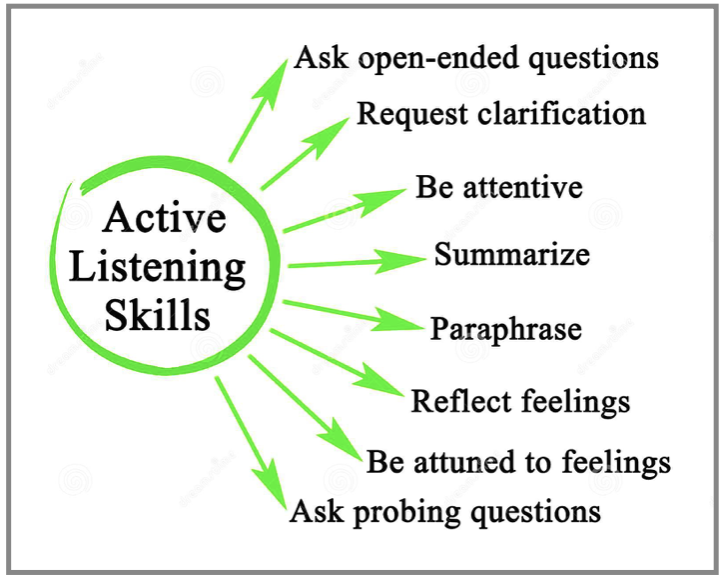
• RULE #1 (again) : Zip the Lip!
• IF you want to be helpful AND can do it from your Loving Parent &/or Healthy Adult (the UNIT)

— then ASK respectful Qs – but only to find out what the other person:
– really needs (may be hidden to them at the moment)
– is thinking : if they have some distorted, confused beliefs you can carefully point out, or help them uncover & clarify their ideas

– is missing : what don’t they know, & are they open to new info which they can use to help themselves/
🤫 They may just need to say it out loud, to come to their own conclusion or make a firm choice between various options that suit them

4. FINALLY
NOT everything you’re asked to listen to will be about distress, or a problem.
When someone wants to share a joy, success, good ‘luck’ …. anything great & exciting that’s happened to them AND you ignore them, give them a little dig, or find some other way of diminishing their joy – you’re ‘abandoningthem by acting like your Bad Parent.
These reactions are from envy / jealousy.

HARMFUL
ACoAs don’t have permission to take care of ourselves, which makes us afraid to take healthy Risks. It prevents many of us from following our dreams & talents. Often the successes we do have are at things that are not our desires (family expectations or demands), OR not our first choice, rather than going for the things that we were born to do!

ALL envy/ jealousy is about feeling powerless to get OUR needs met.Screen Shot 2015-06-18 at 8.02.04 PM
So we’re angry & resentful when others have happy moments & positive outcomes – whether we wanted their specific ‘thing’ or not.

• ENVY is between 2 people : “I envy your beautiful long hair, your education, how comfortable you are with yourself….
• JEALOUSY is between you and 2 or more others (3 +) : “I’m jealous that you have a happy family, a great boss, lots of friends….”

HELPFUL
The more we have our own needs & dreams fulfilled, the easier it is to be generous – genuinely happy for others who are also doing well. In fact it will make us feel good to be with others who are happy, so we can have fun & share with them, on equal terms.
*            *              *              *            *           *           *             *
IMP – You DON’T have to be available to listen, IF :
• you don’t have the time, desire or capacityScreen Shot 2016-06-19 at 5.22.11 AM

• the other person is using you to dump on, rather than sharing their process.

If you’ve heard the same problem, complaint & rant on for years! – without any real changes in the person, you know you’re wasting your time.
They’re responsible for their own growth, so if that’s missing, you’re being used. Endless listening is co-dependence, even if you call it loyalty.

It’s OK to decline to listen — on a particular day, or because you’ve not able at the moment, or not at all, because you’ve had enough!
😡 If they react badly (angry, whining, chasing you down…) – that just validates your decision!

NEXT: Gifted Children #1

ACoAs & LISTENING (Part 3)

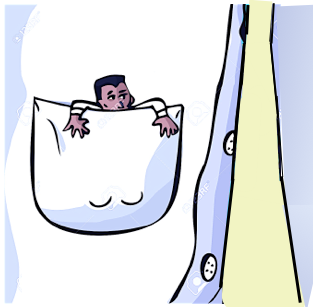
listening to herYOU MEAN I HAVE TO
be happy for someone else?

PREVIOUS:  ACoAs & Listening (#2)

SITE: The SKILL of LISTENING  ** w/ EXP (Center for Parenting Education)

REVIEW posts : “Healthy Helping

See ACRONYM page for abbrev.

QUOTE: “We have two ears and one mouth so that we can listen”~ Epictetus 

REMINDER: Accurate & compassionate listening means we don’t try to make the other person a carbon copy of us. Even if we strongly identify, listening is about THEM – where they’re at, what they’re feeling & thinking. Don’t talk about yourself too much. You are the listen-er, they are the listen-ee.

3. (AWhen someone wants you to listen to them AND it’s a practical issue (lack of funds, health or relationship problems…..) (in Part 2)

#3 VARIATION (re. actions)
(A) When someone wants you to listen to them AND asks you directly to tell them what to do
a. Naturally if you are sought out as a professional (doctor, decorator, coach, teacher, lawyer…) you’re paid to give your expert opinion & advice.
— However, for psychologists, psychotherapists…  the rules are different. The goal is more about mirroring, giving feedback (true listening), providing the client with options & helping them find what’s right for themselves.

b.
For the rest of us who are not being paid, teach or heal, there are options.
• ASK if they want ‘advice’ OR information – not the same thing!

Advice is telling someone what you think they should do, be, feel, think based on yourself, not who they are! No matter how right or helpful the info is, it’s not listening.

Information is giving knowledge they may not have, including options, without an emotional valence attached. They can use it or not, as they wish We often tell people to DO things they’re already tried. Don’t waste their time or yours! Good listening is hard for ACoAs, but worth the effort!

i. When you know the listen-ee well, you probably know —
if they already know what to do – but in this case refuse. Don’t push
that they may know, but really do need some help implementing a solution.
Suggest someone else who is qualifies & willing, or if it doesn’t harm you, you can offer, but think twice before you do

— that they really don’t know. Then you can decide IF you want to give them info, or suggest where they can get it (on Google, from Al-Anon or AA,  some books you recommend….)

ii. If it’s someone you just met or don’t know well, start by asking some pertinent questions —
— What do they WANT from you? What are they really asking for & how much? See posts “Healthy Helping”. If you can get that far with them, the conversation may take a different turn than how it started

— What have they done about their problem / situation so far? & how have those things turned out? This saves time & energy suggesting things they’ve already covered.
• If they’ve tried a number of things which have all been disappointing, there may be absolutely nothing you can contribute. OR they didn’t try something useful because they didn’t know about it – so you can offer it

• IF their response to any suggestions is always a version of “Yes but… that won’t work / I can’t because….” then either you’re asking the wrong questions or they’re playing the “Yes, But” game from Games People Play, by Eric Berne.

In the latter case they don’t actually want an answer, they want to be parented AND be contrary, which is a child’s way of saying “You can’t control me.” It may be a version of “Come here-Go away“(posts).

With such a person, only try 2-3 times, then shut up. 😑

NEXT: What just Happened? – #1

ACoAs & LISTENING (Part 2)

Screen Shot 2016-06-19 at 5.12.58 AMI FEEL SO POWERLESS
if I don’t DO something to help!

PREVIOUS: ACoAs & Listening (#1)

POSTS: Anxiety & T.E.A

Turkish
proverb: “If Speaking is Silver, then LISTENING is GOLD”


LISTENING ‘situations’
(cont)
1. (E) When someone wants you to listen to them AND….

2. (E) When someone wants you to listen to them AND they’re expressing intense emotions (sadness, anger, fear…) 

BUT their emotional state sounds ‘crazy, irrational, ‘out of proportion’ to the current situation, remember: “If it’s Hysterical, it’s Historical”. It usually means their WIC is in the foreground, who is expressing intense old pain – accumulated from childhood trauma.

It’s not your job to parent them & you’re not their therapist. Here too – trying to make them feel better can be heard by them as denying their experience!
CAVEAT:  If you’re listening to someone deep into the emotion of self-hate, there’s very little you can do to make a difference in that moment.

DO NOT try to talk someone out of Self-Hate. It’s futile. Their WIC has completely regressed into a familiar childhood state & locked in for the time being.
Because S-H is about denying the pain of abandonment & trying to avoid feeling vulnerable, while having a little control over their sense of hopelessness (S-H gives a false sense of power) – they’re not going to come out of it right away.

OPTIONS
◆ You could say: “Wow,_____, I hear that you’re really beating yourself up mercilessly. Why is that?”
◆ You can also ask: “What’s happened recently that hurt you or disappointed you so much?”
If you think they’ll understand, you can gently suggest they’re feeling some deep childhood abandonment
◆ If appropriate, you could add your own reaction: “Your self-hate is really painful for me to hear. It’s like watching someone I care about cut themselves or shoot heroin!”
Yes, that’s how devastating S-H is!
💝   💘   💔
3. (AWhen someone wants you to listen to them AND it’s a practical issue (lack of funds, health or relationship problems…..)

AND you insist on offering a way for them to solve their problem (actions)
you’ve actually failed them, strange as it may seem, because…..
….. when you do for them what they can AND need to do for themselves, you contribute to their sense of inadequacy & fear of taking appropriate risks.
And they can do things for themselves. As adults, they’re not helpless. Maybe discouraged & faltering, but not helpless. Maybe all they need is information – but it has to be something they can apply for themselves.
(Review posts: “Rescuing – False helping” and “Healthy Helping“)

HARMFUL
• ACoAs would rather do for others that themselves. It’s our training & a great distraction from taking care of ourselves- which we don’t want to do.Screen Shot 2016-06-19 at 5.18.42 AM

• IRONY: we use a great deal of intelligence, creativity, money, time – even wisdom – on someone else, BUT genuinely believe we don’t know how to handle our own problems! How is that possible, when we just used all those skills for others?

• REALITY: We use up a lot of energy trying to save someone else, while silently expecting, even demanding, that someone else do the same for us! WE too want to be taken care of, even though we too have the ability to care for ourselves.

HELPFUL
• Rule #1, again – zip the lip!
• Often people just need a non-judgmental sounding board – to hear themselves think.  By running it past a good listener, they can hear the problem for what it is, maybe even find their own answersScreen Shot 2016-06-19 at 5.14.43 AM

• You can ASK if they need practical suggestions, but only give it IF….
…. they say yes & they seem willing to do for themselves (not just trying to be taken care of, or need to be oppositional)
…. you actually know, maybe from experience, what you’re talking about
• You need to CHECK what they….
…. want to do, in the near future
…. have already done, but for some reason didn’t work or didn’t help!

NEXT: ACoAs & Listening (Part 3)

ACoAs & LISTENING (Part 1)

 I’M GOOD A LISTENER, BUT….
… I have to make them feel better!

PREVIOUS: Healthy Opposites #3

POSTS: How ACoAs Abandon Others


LISTENING
can be passive or active, but basically – the less said the better!
Wanting to be listened to is not always asked for directly. When someone starts talking & then keeps going & going – they want to be heard.

• The following 3 examples cover T.E.A. In each case, if the WIC or PP are the ones listening, then what we think are ‘helping’ responses will actually be our own narcissism – the compulsion to tell them what WE would do or say – but is actually NOT about the other person & so not useful. Don’t get in the way of someone else’s process!

LISTENING ‘situations’ 

1. (E) When someone wants you to listen to them, AND they’re having intense emotions (sadness, anger, fear…),

🔓AND you tell them they shouldn’t feel that way – “Don’t be upset”
💚OR automatically tell them how to fix their problem – “You can….”

👣👣 then you’re trampling on their right to feel & express their emotions without interference.
EXP: After my fire, when I told people how sad I was that both my cats were killed by the smoke, some people said: “Well then get new cats”!

HARMFUL
ACoAs who react from their WIC to another person’s emotional expression will over-identify with their distress. Since we didn’t get the support as kids that we needed, we project that on to others, & decide (usually unawares) that we’ll never be like our parents – to leave someone in the lurch. We compulsively have to ‘help’.

PROBLEM with this WIC-logic (T)
When we were originally abandoned, we were very young! But the people we’re usually trying to rescue to now are adults who have many resources & capacities no child can possibly have. So they don’t need us the way we needed someone to soothe us when we were in pain as kids. (See posts: “Rescuing – False helping” and “Healthy Helping“)
ALSO, we’re not their parent, no matter how immaturely they may act!

🖤 Negating a person’s emotions or trying to make them ‘feel better’ wastes everyone’s time because,
• the listen-ee may just shut down & not be able to continue, OR
• they’ll waste a lot of energy convincing you how & why they feel that way
HELPFUL
Rule #1 : YES, zip the lip!
OR if you can’t :  ASK them what they’re feeling – emotionally.
Don’t settle for HEAD answers. Ask what they’re feeling emotionally vs. what are they’re thinking. Anything more than one word (E) is a thought (T). (“Feelings Aren’t Facts”)

If they’re not sure, maybe you can help them identify the words, such as fear, self-hate, frustration OR excitement, joy, love… If you also aren’t clear about what they may be experiencing, be quiet.

• If you’re in the ‘mood’ to respond to their comments, always start by validating whatever emotions they can verbalize. It doesn’t mean that you identify with the feelings or the situation, nor is that necessary. You can say brief, comforting things like:

“Wow, that’s tough, I know what you mean, Sorry to hear that, I’ve been there too….”
Screen Shot 2016-06-19 at 5.06.00 AM“Sound like you’re in a lot of pain, That must really make you angry. Ouch!”.
But, DO NOT assume you’re sure you know how someone feels. If they disagree with your opinion, drop it.

A POSSIBILITY – with their permission
If you know them well, have experienced something similar AND you feel like it – you could help them figure out what’s behind their big emotions: old beliefs, the WIC over-reacting, family patters, current similarity to childhood experiences….
Then if they’re willing & able to go deep, the solution to their problem may be obvious to them without any more help from you.

NEXT: ACoAs & Listening (Part 2)

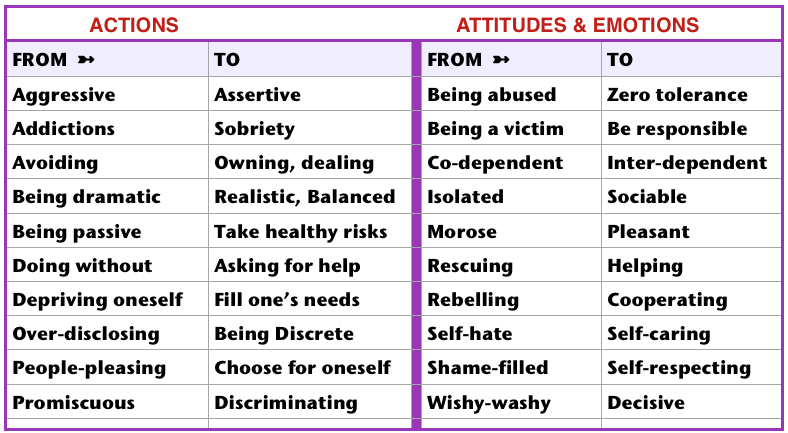
“ACTIONS – Healthy OPPOSITES” (Part 4)

PREVIOUS: Healthy Opposites #3

SITES:  Positive Responses to Events 
Self-Esteem // UNIT 
33 Things I’ve Learned 

A. UNHEALTHY Patterns
B. UNHEALTHY Opposites

C. HEALTHY Opposites (cont.)
Healthy functioning goes against all our Toxic Rules, & disobeying them feels like we’re betraying the family. What we in fact must do is to become totally, unequivocally loyal to ourselves, since we didn’t get nourished correctly from the beginning. Our ONLY job is to heal the Wounded Child & bring out the best of our Natural Child

EXP: Imagine you’re a highly trained plumber with a fully stocked tool bag. It may be worn & dirty, but has always been available & made your work possible. You’ve been using those tools for a long time, replacing old parts, stopping drips & duck taping leaky pipes, hoping to avoid a flood. You’ve been on the job so long you can’t imagine doing anything else!

• Then one day you’re told the old-style plumbing is being replaced with an all new infrastructure & your specific skills are not needed anymore! You can throw away that raggedy tool bag & carry an elegant briefcase with fewer but more refined new instruments! You’re shocked, even devastated.

You know how to use the old instruments – what are you going to do with a briefcase? You don’t know how to read the new rules & or how to implement them. What are you going to do without having cracked pipes to tinker with?? Who are you going to be now!!??

Shifting from Negative to Positive ways of living is done thru Process,
— another one of those things ACoAs hate! and we need practical examples of correct thinking & acting

When our Inner Child is on the same page as the Healthy Adult /Parent (‘Unit’) about some specific issue in our life (ending a bad relationship, pursuing a healthy dream….), then resistance is eliminated, & we’re able to take the actions we want, the ones that are best for us. With time the new actions become the new norm!

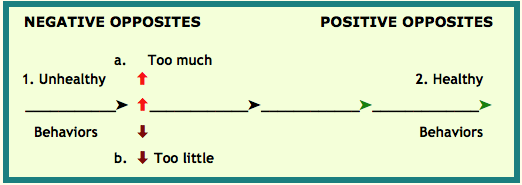
From NEGATIVE to POSITIVE Opposite  (from #1 to #2 on chart):oppositesREVIEW – it helps to remember that:
• Most people in the world are damaged. It’s the younger, damaged part of us making these negative choices – by training, to be loyal to our family & prevent punishment. This is normal & understandable.

Without healing everyone is run alternately by 2 Ego States: the ‘Bad’ voice (Introject) & the Wounded Child.
Many people have a somewhat functioning Adult – “somewhat” because is includes CDs.
But rarely do we meet someone with a Loving Parent voice. Without the L.P. it’s hard for anyone to make long-lasting improvements

• While many of us across the country & the world legitimately have limited options for help & support where we physically are located, now we have many new possibilities via the internet & books that can improve our lives

• To shift into Positive Opposites, ACoAs need 2 new ego states to work as the ‘Unit’: the Healthy Adult that deals with facts, & the L.P. in charge of nurturing & guidance. The Unit must take over the responsibility of running our lives, & care for our wounded part – away from the ‘bad voice’ that beats us up & holds us back

✶ As Healthy Adults, we can choose what actually works & what doesn’t – in the present – rather than what we learned originally.
Using T.E.A. (thoughts, emotions & actions) our goal in Recovery is to:
• notice that our Es are, & as much as possible, manage them in safe ways
• keep track of our Ts, re-enforcing the realistic results& healthy ones, while changing the toxic beliefs – or at least not obeying them!

• observe our As, especially the ones that are self-defeating, noticing their practical & emotional consequence, so that we WANT to change them – and re-enforce the good ones, no matter how small!

RESULTS of Positive Opposite actions:
❇️ Over time, taking Positive Opposite actions add up, giving us a sense of worth,  permission to be our True Self, be part of the human race & actually enjoy life!

NEXT: ACoAs & Listening, #1

“ACTIONS – Healthy OPPOSITES” (Part 3)

2 ways I HAVE TO DO IT ALL DIFFERENTLY –
it’s such a big job but I’m not giving up!

PREVIOUS: Healthy Opposites -#2

See Acronyms Page for abbrevs.

SITES: Healthy Helping  // Healthy Boundaries  // Recovery – Is
My Rights  // ACoAs & Healthy Rules

“REVERSING self-defeating Behavior IMPROVES our Life” (cont)
A. UNHEALTHY Patterns

B. UNHEALTHY Opposites
(cont.)
• Recovery is about moving from being unhealthy (#1) to gradually becoming healthier (>>>#2), from doing self-harming things to becoming more self-caring. All wounded people start out on the far Left side of this chart, taking mostly unhealthy actions. Unfortunately it’s where many ACoAs stay – although we don’t have to

healthy oppositesThere’s a saying in AA: “Alcoholics dig themselves into a rut, & then they decorate it”! —- instead of climbing out.
Since many of us were raised by alcoholics we learned to do the same, & find it very hard to outgrow.
It’s also true if our parents were some other kind of narcissist, abuser, depressive…. no matter what their drug-of-choice – food, money, exercise, relationships, workaholism, rage, religion….)

• Naturally, if we don’t know what Healthy Opposites are we can’t work towards them.  So we settle for Unhealthy opposites without even realizing what we’re doing.  Because they don’t work either, we go back to our original coping style, caught in a vicious cycle between the extremes of the Left end ⬆️, never making it over to the RIGHT side!

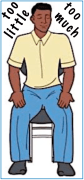
Some Negative Opposites (a –> b –> a….)
• Feeling hurt
Too Little: backing down, suffering in silence (& rage), being a victim…
Too Much: rude, hostile, insulting, giving the cold shoulder….

Disappointing “relationships”
Too Little: isolating, depressed, not saying how we feel or what we need, ignoring our needs, waiting to be taken care of…
Too Much: clinging, chasing, verbally attacking, demanding….

Work Stress
Too Little: being late, going on strike, not finishing projects, making lots of mistakes, taking too much time off….
Too Much: trying to please the boss, doing everything immediately, staying late, worrying about getting fired…..

• In the Home
Too Little: being lazy, sloppy, careless, dirty
Too Much: compulsively cleaning, obsessively putting things in ‘order’, not wanting anything moved….
More Examples:
FROM clinging to bad relationships, family, jobs… TO isolating ourselves to the point of emotional starvation

FROM not being able to get out of bed, totally goofing off, not using our talents …. TO running around like a headless chicken, taking on too many projects, becoming a workaholic

FROM being so poor we end up living Ion the street or with drunks & crazies, TO overspending every cent we have as a way to sooth ourselves
FROM physically being undernourished TO stuffing oneself, especially on unhealthy food & drink
FROM promiscuity TO total sexual / sensual deprivation
FROM living in daydreams TO being hard-nosed & controlling – and back again….

C. HEALTHY Opposites
Moving forward in life includes taking healthy productive actions, although doing things is not the only aspect, & sometimes taking no action is wiser & more effective.  In terms of T.E.A., all our actions are motivated BY our thoughts & emotions, whether healthy or not, whether we admit this or not.

So, what can we do?

• In order to make desired changes we need correct info. Like any new language, we have to learn the vocabulary, grammar, syntax & rhythm of healthy actions. Actions that lead to any type of success are usually the exact ‘Positive-Opposite’ of our life-long patterns.

Yes, we’ve tried to do things differently, but to no avail because we’ve been doing the ‘Negative-Opposite’, with great effort & sincerity, but always ending in disappointment or failure

• We know it’s hard to change. ACoAs hate change! It triggers the WIC’s lack of safety from our dangerous childhood.  Taking positive actions can temporarily make us feel crazy, in danger & we can temporarily regress to immature behaviors – as if we haven’t grown at all!

Recovery asks us to let go of old ways of thinking & doing – which seems very threatening – but ends us actually healing us!

NEXT: Reader request

“ACTIONS – Healthy OPPOSITES” (Part 2)

 I’VE BEEN DOING THE OPPOSITE!
 why isn’t it working?

PREVIOUS: Healthy Opposites #1

POST : Letting GO of ACTING Controlling (#2)


“REVERSING self-defeating Behavior IMPROVES our Life” (cont)
A. UNHEALTHY Patterns
(cont.)
ACoAs have a tendency to:
do everything based on B & W thinking (‘always, never, no one, all’…)
• be afraid to do anything that’s against the Toxic Family Rules
• only do what we think others want us to, or what others expect of us

behave in much the same way that our dysfunctional parents did
• use the same type of actions in every situation (no nuance, no variations, no risks, no innovations or what actually works …)

• not learn from our mistakes, just repeat bad patterns & then complain
• blame others for our mistakes, emotional distress or lack of action
• react from a wounded, anxious or angry emotional place (the co-dependent triangle = victim / perpetrator / rescuer)

Here the focus is on the way to choose what category of actions to take. It’s not a guide to what we should do, but rather correcting what seems to us a quite logical – yet misguided – way to solve our problems, which has been to:
➡️ periodically reverse our usual way of handling things – but only knowing how to choose its Unhealthy Opposite!

B. UNHEALTHY Opposites
• From the very beginning of life we’ve been trying to figure out how to survive, fix our family & get our needs met – mostly with corrupted info (G-I / G-O = “garbage in – garbage out”).

ACoAs are very smart, creative & determined – even though we don’t realize or own it. As kids all out talents went into a valiant effort to save our parents & siblings – maybe even friends.
Now we find other dysfunctional people to ‘rescue’ – desperate to make them well enough to be there for us!

EXP: The 4yr old trying to help her drunk father up the stairs that he’s passed out on, the teenager hopelessly trying to convince her mother to go to Al-anon or leave dad, OR as adults – trying to get a heavily addicted lover /spouse sober, or to keep them from killing themselves – whealthy oppositesith little or no success.

• As unrecovered adults we stumble around without mental or emotional clarity – in spite of our high intelligence, because of convoluted & warped info we were fed in childhood.
The ACoA Laundry List says: “We guess at what normal is”, so we obsessively watch normals to figure out what to do (how do they talk, how do they eat sushi, what makes them happy, how do they make friends?…).

Even so, we can only copy them but so far, because we’re still in the grip of our childhood / family templates – used as the foundation for new actions.  It doesn’t work. This is to be expected – it’s how every brain is programmed from birth.
So we always end up in the same old place, defeated & hopeless, thinking that it’s: a) somehow all our fault, & that b) the universe is against us!
Either way, it hurts!
EXP: Afraid to be in social situation because we don’t know how to make small talk, convinced we’ll be boring or sound stupid…..

• And how do we use all our native cleverness & determinatioakwardn for ourselves?
There are many convoluted ways UNhealth can manifest itself. From that mess we choose a set of patterns that most suits our specific personality & our background. We keep trying them out in complex variations & with lots of different people. (Chart in Part 4)

When we get too frustrated by not getting what we need or want, we unconsciously pick through the mental rolodex of distorted options that were forced on us, looking for a better way to handle things, hoping another ‘opposite’  way of behaving will solve our problems.

So we try obvious reversals, BUT all our action-choices are taken from the ‘disease’ end of the spectrum. From a. to b. & back again! (in above chart)
EXP: “I always say the wrong thing, so now I’m not going to talk at all! OR
// My last 3 girlfriends were nightmares, so I’ll never trust another woman….”

NEXT: Healthy opposites #3

“ACTIONS – Healthy OPPOSITES” (Part 1)

 I TRY & TRY –
but I still don’t get anywhere!

PREVIOUS: Self-Esteem – IS

POSTWhy are you stuck?

See Acronyms Page for abbrev.


“REVERSING self-defeating Behavior IMPROVES our Life”
A. UNHEALTHY Patterns
• Many of us know how we would like our life to be:
To HAVE a fulfilling career, loving relationships, less pressure, a little fun… and we’ve been trying, struggling, obsessing – year in & year out – but not much has changed.  We feel stuck, frustrated & depressed – still run by our false beliefs (CDs) & un-processed emotions.

We grew up with years of abuse – around chaos, addictions, criticism, rage, depression, neglect & illness. We learned to survive by adapting to what ‘they’ seemed to need & want, so we cobbled together a set of behaviors as best we could, with very little guidance, which allowed us to survive – but not thrive. We became a ‘human doing’ instead of a Human Being.picture-13We often hear advice like – “Just do it!, Just start somewhere, Do the opposite of what you normally do”, even “Take the action & let go of the result”….  America was built on hard work, perseverance, risk taking & chutzpah.  All of these qualities are action-based.

Anthony Robbins, famous athletes, business moguls & business coaches focus us on taking the next action & the next – no matter what.
➡️This has value, up to a point, but ACoAs know it’s not that simple, because depression gets in the way, & besides – we didn’t have early role models for what right actions actually are.

Dysfunctional Functioning:
a. Some ACoAs have a daily struggle to function at all – maybe from being chemically challenged, not having the vitamins & nutrition needed to be ‘level’ & / or being so devastated by emotional pain that we have little or no passive victimwill to act

b. Some of us waste years of our life just drifting along, not knowing what we want to be ‘when we grow up’!  We’re unhappy & unfulfilled, but don’t have a direction to focus on. Or we fall into whatever jobs that allow us to earn a living.

This is not blame – only identifying the result of being wounded, not from personal defect!  Various forms of Recovery can help us find our True Self, which includes our dreams, goal, talents & abilities

c. Others of us have a strong sense of what we’d like to do – if only we had the support, the education, the opportunity, the connections…..
But we don’t go for it because it would require going against every message we picked up at home, such as – “Don’t out-do us, Don’t be successful, Don’t be the real you….” all of which feels like life-&-death to disobey!
✶ This is not an exaggeration to the WIC, so don’t let anyone tell you you’re being dramatic!

d. An alternative to not doing anything is to either take up a profession that was dictated by our family or a secondary interest of ours (doing stage makeup instead of acting, being a nurse instead of a doctor….) – sometimes even becoming very skilled at it, but without enough satisfaction.
➡️ It’s not unusual for ACoAs to do quite well at what we like to do the least!

e. Many ACoAs fail to take the beneficial actions we absolute need to have a decent life – at the very least, always choosing the worst relationships, the most unsatisfying jobs, isolating ourselves, refusing to take advantage of growth opportunities (personal or material), not caring for our health – not to mention continuing with any number of addictions

f. And then there are the Hero ACoAs, who over-DO all the time. Action is their god, their escape, their addiction. Keeping busy is the only thing keeping their emotions at bay.  ‘Heroes’ are so good at everything they DO, but are hard on themselves & hard on everyone else.  They may or may not be working at a job that suits them, but they’re going to prove they can do anything! What gets ignored is being vulnerable, showing heir softer side.

NEXT: Healthy Opposites – #2

Serenity Prayer Backwards

screen-shot-2017-02-21-at-4-20-04-am

 I HAVE TO DO IT ALL MYSELF
 since no one else cares!

PREVIOUS : SAYINGS, #4

POST: Cognitive Distortions  (CDs) 

See ACRONYM page for abbrev.


FAULTY THINKING
The Al-Anon meetings Opening says:
“….. Our thinking becomes distorted by trying to force solutions, & we become irritable & unreasonable without knowing it.”
All ACoAs grow up with a variety of cognitive distortions (CDs), which now keep us confused & even somewhat paralyzed. Instead of seeing thru rose-colored glasses, CDs are our negative filters/ lenses, used to view our sense of self & our abilities, mirroring past painful events & too many losses.

One of these CDs is the “Illusion of Control” fallacy
the mistaken belief that you can change things you really can’t (opposite of Step 1). It comes in 2 forms, & sadly, most unrecovered ACoAs have both:

a. Being externally controlled, we feel like helpless victims of fate, & so tend to blame others for our mistakes & failures, such as the boss causing our poor work performance.

EXP
: “I can’t help it if the quality of the work isn’t my best. I was under so much pressure to get it done fast, & my boss demanded I work overtime on it.”

b. The internally controlled part of the fallacy has us blaming ourselves for events that are truly out of our control. 
We assume responsibility for the pain or happiness of everyone around us (instead of ourselves!) & then for fixing it.
EXP: “Why are you upset – was it something I said? What can I do to fix it?
(Posts: Secretly Angry-Nice people)

ACoAs’ damaged logic 🙃 gets the Serenity Prayer backwards:
1. Healthy Version
“God grant me the serenity to accept the things I cannot change,
= the courage to change the things I can
= & the wisdom to know the difference”
☞ REWORDING : Change what you can right now, & Accept what you can’t change at all, what’s not yet possible, or is not yet the right time.

2. UNHEALTHY Version – ACoA compulsively act on a totally narcissistic reverse rendering :
“I grant myself the ability to do the impossible,
= the determination to not change the things I can,
= & the refusal to notice the distortion!”

For many of us it’s unconscious & automatic, but the first line is arrogant & self-defeating, since it’s unrealistic & untrue!
Ironically, the other 2 lines are ways to obey Toxic Rules such as:
“Do not see & get away from abuse”
“Whitewash (minimize, cover over) other people’s bad behavior”
“You always have to struggle but never get there”
“Don’t stand up for your rights”……

If we’re serious about Recovery it’s imperative to become fully aware of these pervasive distortions. Only then do we have the option to decide which of the 2 versions we want to live by.

2 choicesCorrection
• Don’t under-estimate the degree of control you do have over your own actions. You’re no longer a perpetual victim, as in childhood, no longer helpless or powerless. Check out the many alternatives available to you & take responsibility for your action.
AND
• Don’t over-estimate your responsibility for the happiness or pain of others. Learn how much power & influence you really do have or don’t have over yourself & others.
(Posts: “How ACoAs Abandon others“)

NEXT: ACTIONS – healthy opposites (#1)

SAYINGS that MISREPRESENT (Part 4)

PREVIOUS: SAYINGS #3

SITE: Aphorism looong list

◆ Understanding How Words Work“(Scroll to ‘Language’)

See ACRONYM page for abbrev.
REVIEW Intro in Part 1 

11. “First impressions are the most important.”
❤️ YES – It’s necessary – in business, in social settings & in casual public situation. It matters when we need to convince someone of our value in order to get something we need from them. Or, it matters when we want someone new to get to know us, so they won’t be scared off. It can be good for our self-esteem to put our best foot forward….
ARTICLE: “A second chance to make the Right Impression”

AND Yes, a bad first impression can potentially cause a permanent loss.
EXP: What if you meet me for the first time – say on a job, at a party or other group – when I’m having a bad week, am ill or going thru a painful time, when I’m frantic, angry, down…. so I sound like a lunatic – but it’s not who I really am most of the time?

You’ll go away thinking “They’re a crazy person / how obnoxious / I don’t want to be around that!!!” That’s sad but understandable. It’s an unfortunate interaction that can’t be salvaged. So you will miss out on my ‘normal’ wonderful, interesting self – just like it’s happened to some of us in our family, who may never have gotten to know our best Recovering Self.  Oh well. Others do.
🤖
💜 NO – If we’re presenting a fake facade or a ‘too good’ version of ourselves – which will become too hard to keep up – whether in a new job or new relationship. And when we no longer want to or just can’t keep it up – then we’re likely to disappoint people who bought the facade. And we’ll feel bad about ourselves.
Except if you’re a narcissist or sociopath who needs to keep the mask in place all the time, then you’ll never feel shame.

And NO – We can’t always go by our 1st impressions of others, especially for ACoAs, since the WIC will always react to them from the unconscious IMAGO modeled on our family.
a. Idealizing: When we ACoAs first meet people we have a habit of making up who they are, based on how they treat us. If they show an interest then we over-estimate them & therefore assume they’re going to provide everything we’ve been longing for. If they’re not interested or unpleasant, we take it personally & either slink away or try to win them over.

One result – the big problem is that without doing FoO work we tend to be most attracted to unhealthy people & then proceed – sometimes deliberately – to ignore all the red flags they wave at us! in order to stay with them. All the while expecting them to be the good parents we never had. Ridiculous!
Then when all the WIC’s hopes & needs get disappointed, we turn those same people into monsters (over-value then under-value). Either way – it’s harmful to us – & unfair to them.

Another result – we cheat ourselves of real ‘nourishment’ by not seeking out people who have a healthier sense of self, which allows them to connect with us, but without enmeshment.
They will not want to take on the missing-parent-role, but will be able to see & value us for our True Self, even when we can’t.

b. Over-disclosing: If we first meet a new friend or lover who’s willing to listen to us – we tend to immediately tell our life’s story, with all our sorrows & self-hate. This is he WIC’s desperation to be heard & comforted, but also to get a jump on inevitable’ abandonment.

Unfortunately, when we pour our heart out to non-professionals, it only makes us more vulnerable & seem foolish or weak. Of course we do this with others too, but that kind of ‘sharing’ belongs in Al-Anon, therapy, & spiritual counseling. Developing healthy boundaries lets us be more balanced in our presentation of ourselves.

NEXT: Serenity Prayer backwards