SYMPTOMS of Co-Dep Anger – toward others

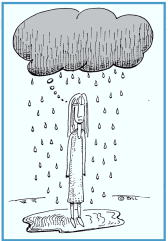
WICs communicatingI’VE GOT TO BE NICE
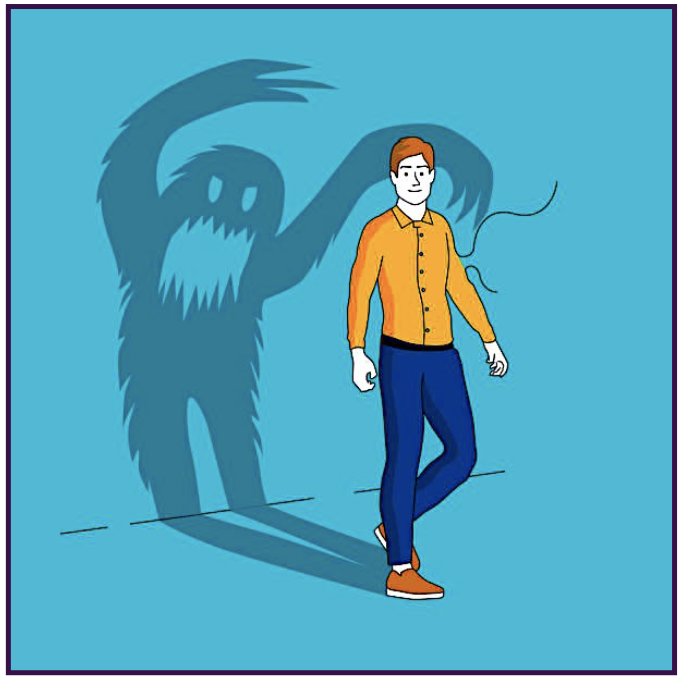
so they won’t see my anger

PREVIOUS: Symptoms- in us

SITE: Co-Dependency  (includes characteristics Qs)

<— Inner children in adults


IMPORTANT:
as you scroll thru these various lists (this & the previous), do NOT use them to berate yourself. If they are primarily psychological rather than medical, they tell us our degree of woundedness, embodied in the False Self. We did not cause these patterns, but it is our choice & option to correct them, a little at a time.

• Looking at Plutchik’s “Emotion Wheel” – we see that anger & fear are opposites – so:
— if we are only aware of or act from being anxious, depressed, feeling like a victim – we’re hiding intense anger we’re afraid to admit to
— if we are in a continual state of anger, rage, resentment & hostility – we are denying feelings of sadness, vulnerability, hopelessness & fear

NOTE: Some things in the list will seem counter-opposite, but can in fact be different sides of the same person, like – act Superior on the outside, feel Inferior on the inside, calm on the surface, but roiling inside…..
ALSO – you don’t need to identify with everything to say you’re hiding rage, & as stated above, some of these things can be caused by sources other that repressed Es (medication, temporary intense stressors, a major illness….).
See —- upcoming — statements which signal indirect anger

How CO-DEPENDENTS behave
Behaviors
• anticipate needs of others & supply them before being asked
• do much more than you’ve been asked
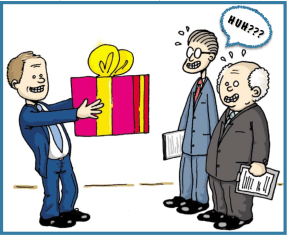
• ‘love-buy’ – overspend on gifts, tips, treats
• overly-kind (one of the subtlest forms of anger – think of Dexter, TV‘s good-guy serial murderer bringing donuts to work)
• overly responsible at work, trouble delegating
• put yourself at risk rather than refuse someone’s request
• rarely buy anything for yourself
• women often financially support their spouse
screen-shot-2017-02-24-at-11-41-20-pm

 Communication
• agree with everything others say, or just smile
• complain to everyone about your relationship dissatisfaction except to the one involved
• laugh at jokes that are not funny or you’ve heard many times
• listen endlessly to other people’s problems & complaints, who never do anything to improve their life
• mistake honest, respectful dialogue for malicious confrontation
• only hint, obliquely, at what you want or don’t like
• patronize (as in the Southern phrase “Bless your heart!”)
• repress, deny, ignore true thoughts & emotions (dishonesty)
• won’t speak up against disrespect or abuse (Bystander)

Relationships
• cause many ‘little problems’ that irritate your partner, & then seem surprised
• don’t say what you want, like, need…. but expect others to mind-read
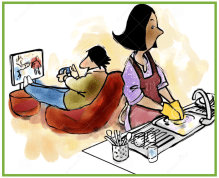
• don’t go places or do things if your mate isn’t available or interested – then sulk, complain, cold-shopeople-pleaseulder
• imagine worst-case scenarios even when things are going well
• go to any length to not rock the emotional boat
• keep attracting partners that are overtly angry, P-As & narcissist, so you can keep being secretly angry – at them
• keep bringing up old complaints with children or mates
• keep recycling old ways of dealing with complicated situations, without looking for better alternatives / options
• pick & stay with addicts, so you can fix them (control)
• refuse to leave harmful or ‘dead’ relationships, & make the other person responsible for ending it
• re. sex – women – refuse to ask for what you want/like, never initiate, undermine mate’s sense of adequacy & skill, refuse to respond, lack of desireat risk
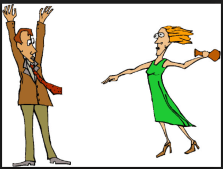
• take a partner ‘hostage’ by needing them so much you can’t live without them, make them your whole world
• terrified of being dominated, & weakly try not to be, but  unconsciously act dependent, indecisive, unsure, non-assertive, with weak or no boundaries
• withdraw from anyone you like, if it will prevent conflict – without explanation

NEXT: Co-Dep behavior #1

Co-Dep EXTERNAL Negatives – in US

screen-shot-2017-02-28-at-10-47-34-am
I WAS SO SURE BEING NICE
would get me liked. Not! 

PREVIOUS: Internal high cost (#2)

SITE: Co-dep in Children
• Childhood Trauma Recovery ARCHIVE

See ACRONYM page for abbrev.

The HIGH COST of being ‘too nice’ (cont.)  NEGATIVE RESULTS – in US

• You have unrealistic expectations of others
Since you think of yourself as well-meaning, you may automatically assume that others have the same good intentions. When they don’t reciprocate, you think it’s about you, or that they’re being mean, or taking you for granted. Not meeting your (unspoken) expectations feels too disappointing, easily leading to anger & resentment.  BUT it’s either your —
— faulty thinking : that everyone is just like you (symbiosis), when they may just be taking care of their own needs – instead of yours, and/or
— 
faulty choices : sticking mainly to self-centered & abusive people who have no intention of reciprocating

EXP: ACoAs have our own version of Hansel & Gretel – You’re in the forest of daily life & run into the child-eating-ogre (‘perpetrator‘). Your WIC takes over, glued to the spot, looking up innocently, with big eyes & thinks : “You wouldn’t eat me, would you madam/ mister monster?” – instead of getting away as fast as possible, the way healthy people do!

You come off as tone-deafdo not tell to smile
Over-friendly people may mean well, but it can certainly be annoying, insensitive, even rude – rubbing others the wrong way  – because it’s a form of not listening.
EXP: A woman undergoing very painful medical treatments needed physical therapy. The young male receptionist in that office was a california-cheery type (but not in CA), who always beamed “It’s so good to see you!! How are you today?!!”
Walking slowly with a cane, the patient was obviously weak & in great discomfort. She was not amused by the greeting, much less uplifted. Even if his style was genuine, it truly lacked empathy, & was his need to project sunshine even tho’ it didn’t suit the situation. Being quietly gentle or even neutrally polite would have been much more soothing.

According to the School of Life, the too-nice are guilty of 3 major errors:
1. Believing you have to agree with everyone – making you a liar
2. Handing out empty compliments – making people think you’re fake
3. Being remorselessly upbeat – suggesting you can’t ‘read’ situations correctly, if at all – because you don’t have emotional intelligence (EQ)
These make it unsafe for others to reveal their truest selves around us.

• You attract needy people
Just like ‘takers’ are your catnip, you are catnip to those even more desperate than you! Over-dramatic, clingy, controlling /demanding, whiny adult victim types will find you & try to drain you dry. They expect you to be mommy/daddy, therapist, nurse-maid, char, “butcher/ baker/candlestick maker”. And they’re manipulative, playing on your need to be needed, skilled at guilt-tripping if you don’t be-or-do what they want.
ALSO:
• You attract aggressive, demeaning treatment
Being over-friendly invites bullying from arrogant personality types, who instinctively recognize the “Kick-me” sign on your back that you don’t realize is there. They smell weakness – your insecurity, fear of loss & lack of boundaries – which energizes their sadistic need to vent their rage on others, rage toward their own weak family members who severely abandoned & disappointed them

•  You get stuck in this role
Once everyone gets used to your pattern of ‘selflessness’, it’s not only harder for you to change, but many people you know will strongly object if you do start having clear opinions & setting boundaries. It would mean they’d have to make changes too, which humans tend to resist

• You can’t do your job well
Especially as a boss, if you’re too easy & agreeable, you:
— won’t get rid of people who hurt your business or company
— won’t stop workers, suppliers & customers from taking advantage
— won’t make beneficial changes because it might ‘hurt’ someone
— can’t do great things that require forging your own way
(Stop being ‘nice’ at work)

• You can hurt others
Being too available for too long is so wearing that it leaves you with no time & energy for yourself , family or friends. If you’re dealing with needy people, whatever you give will never be enough. Without setting & holding to firm limits, & with no reciprocation or appreciation, you will eventually get fed up. Then you explode or cut them off cold turkey. This leaves the clingers confused & hurt, ‘loosing all faith in humanity’. But they just put their faith in someone who has their own ulterior motives & almost as weak boundaries as themselves.

NEXT: External negatives – in us #2

INTERNAL HIGH COST of Angry-niceness (Part 2)


I TRY & TRY, BUT

never seem to get anywhere

PREVIOUS: Co-Dep INTERNAL Negatives (Part 1)

SITE: Factors leading to Co-dep

See ACRONYM page for abbrev.


INTERNAL
 High COST of angry-niceness
(cont.)

always outside

✔︎ On the Outside – for all our effort, you still have your nose pressed up against the window – looking in! You’re still lonely, whether isolating or filling your social calendar to overflowing. When you relate to other from the facade of being OK but are really not, no one can truly get to know you

✔︎ Regretful – getting lost in the ‘Wudda-shudda-cudda” forest of self-recrimination & hopelessness, yet another way to prevent yourself from making healthy changes to improve your life – from now on

✔︎ Resentful – you don’t like this about yourself, but you’re filled with resentments. It’s the rage about what you didn’t get as a kid, & the rage NOW at not getting what you silently expect/demand from others. They’re supposed to read your mind so you don’t have to ask. And, why don’t they appreciate & reciprocate all you’ve been doing for them??  ”Why does ___ keep ignoring me? Why hasn’t she/he texted back? What did they mean by that remark??”…..

✔︎ Risk-Averse – being so dependent on others to feel OK keeps you from testing yourself to see what you’re actually capable of OR –
You can take risks in some parts of your life, proving you can do it, yet convinced you can’t try out new ways of doing or thinking – in another area, especially if it’s secretly very important to you

✔︎ Self-Sabotaging – making sure your goals & dreams never come true, staying in jobs & relationships you hate but can’t seem to extricate yourself, refusing to use the options that would help you move on

✔︎ Sleepless (in Seattle??) – tossing & turning, worrying about what you have to do in the morning & the rest of the day – every day, about how you’re going to manage the ‘conversation’ you’re dreading (with the boss, a subordinate, a family member….), obsessing about an ‘incident’ yesterday by text or email because someone was mad at you….. NEVER ever really relaxed

✔︎ Suffering – stubbornly cling to your self-hate to (unconsciously) prove your deep loyalty to the family, so :
—  you pick people who are unhealthy, making yourself vulnerable to the same kind of neglect & abuse you got growing up, & sometimes even worse
— all the stress of suppressing your emotions + cruel self-talk + unhappy relationships = physical ailments, chronic & long-lasting or life-thretening

✔︎ Terrified – all the time, even if you don’t realize that’s why you’re breathing is so shallow. Scared to make a mistake or of not knowing something, of doing anything that will cause ‘them’ to leave you, or fire you, of taking a stand, of admitting your deepest emotions & sharing your pain, of honestly admitting your family’s abuse & neglect, or your own shortcomings….

✔︎ Trapped – with all the crazy, toxic people you’ve accumulated (& family you cling to), unwilling to extricate yourself because you don’t really want to see  how awful they are & how much they’re harming you, and you can’t bear the idea of ‘hurting’ them any more than they already are. BUT it’s OK to let yourself be terribly injured by them???

✔︎ Uncomfortable – in your skin, when crying, being noticed in a group, with gifts or rewards, taking in praise & compliments, all the validation you say you crave

✔︎ Waiting – never having been allowed to know who you really are has insured that you can’t motivate yourself. You wait for any outside force to push you in some direction, never being sure if it’s what you want. If there’s no deadline or needy person – if it’s just you – you’re stalled!

✔︎ Wishy-washy – trouble making decisions, trouble being firm with others, sticking to your point of view: “What if it’s the wrong one? // What if they won’t like what I say? // I want o see what they’re going to do first // I’m not sure what they want me to be/see/feel… // I can’t figure out what to wear to that event, who should I be, how am I supposed to act?I don’t know what to feel about this”….

NEXT: Co-dep EXTERNAL negatives – in us #1

INTERNAL HIGH COST of Angry-niceness (Part 1)

P-A wifeI’M SO STRESSED OUT
& no one will help me!

PREVIOUS: Co-dep angry-nice (#2a)

BOOK: “The Book of No:
250 Ways to Say It – & Mean It, & Stop People-Pleasing Forever”
Susan Newman, PhD (book review)


INTERNAL
 High COST of angry-niceness
✔︎ Abandoned – as an adult.
To totally depend on others (especially on narcissists) to be ‘seen’ & for a sense of worth – will always leave you disappointed & even more alone. Yes, we need other people to help, encourage & validate. But self-esteem is an inside job, a combination of taking care of our WIC, growing the UNIT & relying on a Higher Power to heal our wounds.

✔︎ Addicted – Constantly depriving ourselves of needs, wants, dreams, goals…. makes the hole-in-our-soul** bigger & bigger. But since nature abhors a vacuum, we try to satisfy the longing for comfort & security with any addiction that fits our personality type. And it’s often a witch’s brew, engaging in several all at once or sequentially. If we’re constantly over-giving, we may escape by over-spending, over-eating, over-working…..
✔︎ Beleaguered (surrounded by troubles), yours & everyone else, until you just want to scream, but that’s too unacceptable, so you swallow the anger & collapse inward. Always saying “I’m sorry”- for things that are not your fault OR beyond your control, tying to placate the monsters inside & out

✔︎ Burnt out – run yourself into the ground, a workhorse – or should we say ‘work like a dog’!? BY – try to do more than everyone else
– never ask for help (including spouse & kids)
–  have outrageous expectations of yourself (perfectionism)

✔︎ Confused – “I don’t know how to____, I can’t seem to ____ // Why don’t I get any better? Why am I not appreciated? What am doing wrong? Should I have ____? Why don’t I ever get picked for ____? // I’m not sure who to listen to, who to believe. Isn’t my family right? What if my husband /wife is right about me?”…..

beleaguered

✔︎ Desperate – your frantic efforts to get your needs met in round-about ways always end up in disappointment & disaster. Sadly, no matter how much effort you put in & how determined you are, just like you can’t fix others, they can never fix you. Even so, you keep PMES starving, but refuse to feed yourself. You just get more & more desperate, often to the point of being suicidal

✔︎ Distrustful – if others do actually like you, it doesn’t count because:
– you don’t believe you’re worthwhile
– you don’t trust your own judgement as to who is sincere & who isn’t
– you idealize others, BUT are secretly sure no one is safe
– you know you’re not emotionally honest, so assume they only like your fake front
– you don’t realize others can see your good qualities, even tho’ you can’t

✔︎ False Self – that you had to develop as child – continues to get reinforced & dominates our life.  Only focusing on your outsides, waiting to be rescued / taken care of guarantees disappointment, wastes decades of your life. You miss out on drive & spontaneity, ignoring opportunities to be creative, to use your natural gifts & to accept all aspects of yourself
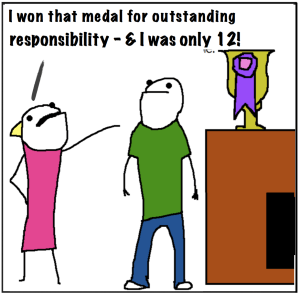
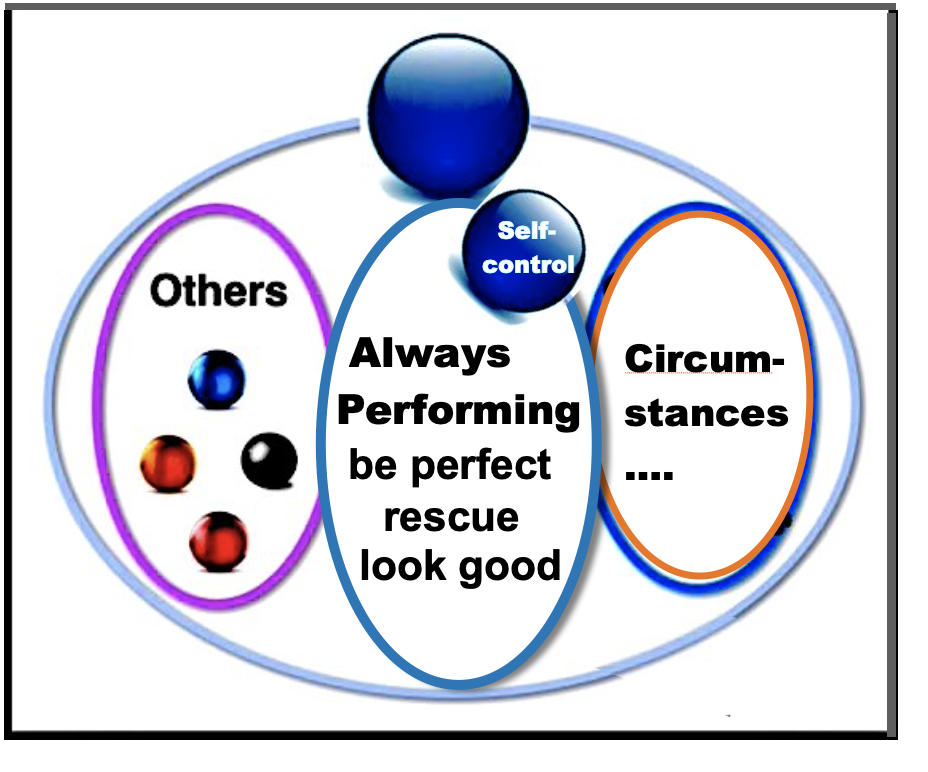
✔︎ Frustrated – from never getting control over others to make them be what you want, & do what you need – so you can feel safe. From trying so hard to get it right but never ‘figuring it out’. From longing for the love you don’t think you deserve or have a right to. From living in the fantasy of how thing would be, if only……

✔︎ Gilt-ridden – any time you’re less than chipper, any time you have an angry thought about someone, any time you just can’t do something you think you should or what someone else wants, any time you take a minute out for yourself, anytime someone’s angry at you, any time you’re not perfect……

✔︎ Obsessive – endlessly ‘chewing the cud’, going ’round & ’round about:
– something you did or didn’t do, that you’re sure is going to make others turn away from you in anger or disgust – OR
– about what someone said that hurt, or what they didn’t do that you wanted….. wasting time & energy trying to figure out why?
SO you can fix it & not be abandoned!

NEXT:Internal Negatives #2

BEING TOO NICE – High Cost (#2)

I’M PROUD OF WORKING
harder than everyone else!

PREVIOUS: Being too nice #1

SITE: ☀︎ “Too agreeable’?
☀︎ Childhood Trauma Recovery ARCHIVE

See ACRONYM page for abbrev


The HIGH COST of ‘too nice’ (cont)
Co-Dependence & Anger have a reciprocal connection. Some people compensate for their fear/terror of rejection – for having their own needs, opinions & emotions such as anger – by using people-pleasing tactics. They may not have started out angry, but the longer they have to suppress their own needs & feelings, the angrier they get.  ‘Fake-nice’ has its limits, so when we can no longer hold down the rage that’s been building, we can explode outward – at others, OR or implode – on ourself, getting depressed, physically ill &/or suicidal.

Michelle Ferris (LMFT) offers 3 Co-Dep traits that breed anger & resentment
 – while trying to soothe internal pain, & avoid feeling shame, loneliness & emptiness :
1. The Illusion of control — over others (the Serenity Prayer backwards)
2. Being a Superhero — always over-giving, never asking for help
3. The Lie of being FINE — superheroes aren’t supposed to be vulnerable, have weakness or needs

Active Co-deps have not yet learned that:
• it’s normal for everyone to experience anger, being part of the kaleidoscope of emotions we’re born capable of
• it’s imperative to find legitimate, effective outlets for anger, so it doesn’t get vented in situations that can harm ourself or others
• there’s a difference between the WIC’s anger from S-H’s beliefs & unrealistic demands of others vs. appropriate anger at being victimized by family & others
• the best way to manage anger is to deal with it as soon as we can, each time we feel it – so it doesn’t have a chance to build up
• we can give ourselves permission to feel & deal with all emotions
(‘Anger & Co-dependency‘. Great site by Dr. Irene)

GIVER or TAKER??

In their book “The Givers & Takers“, the authors Evatt & Feld point out that – ironically – Takers are more ‘desirable’, in spite of & because of being less available, less forthcoming & less sensitive. When they do give – it’s more reluctantly, sporadically & for calculated reasons. They’re the ones who lean back  instead of forward in their chair when having a conversation, who seem not to need anything, who have an air of mystery. Yet, they’re considered more sexually & socially attractive, while Easy/Soft is considered uninteresting & un-sexy!

The authors believe these are the Introverts of the world, while the Givers are the Extroverts. There may be some validity in that, because Introverts don’t need or want as much contact & interaction with others.
But it’s not the whole story.
Introversion is an inborn characteristic & is not a sign of emotional damage.
On the other hand, dyed-in-the-wool Takers are more likely to be trying to compensate for childhood damage – withholding, arrogant, insecure & narcissistic – hiding behind silence, while feeding off of the others who chase them.

Now, if you are the co-dependent Giver type, unavailables are like catnip to you – BUT you don’t want to be one of them! You’re too driven to give, sacrifice, be needed, rescue & fix – to be aloof. HOWEVER – if you are indeed an extrovert/ connector type by nature, you really do have a good heart, so it’s imperative you learn to moderate how much you give & to whom – if you want mental health & true safety.
Of course, to be psychologically heathy and a giver- we have to have clear, firm boundaries, which means knowing your needs.. (Healthy Helping).

Not the Real you? Angry-niceness is a damage-trait, like all other character defects. The big mistake many of us make is to think these patterns represent our real personality, murmurin g: “Well, that’s just who I am, I can’t help it.” Actually, it’s a manifestation of the False Self, rather than written in stone. So the good news is that it can slowly be changed, or at least greatly modified.

NEXT: INTERNAL High Cost, #1

BEING TOO NICE – High Cost (#1)

angry-nicenessI DON’T KNOW WHY
they’re being so mean to me!

PREVIOUS: Underpinnings, #2.


The HIGH COST of ‘too nice’

Co-dependence
is a survival strategy developed in childhood in an alcoholic or otherwise narcissistic family & community. They prevented us from developing a clear sense of our identity, so we didn’t learn how to be our own knowledgeable & loving caretaker. We may not realize we’ve taken on this ‘persona’, but a deep part of our psyche wants to please others to avoid negative reactions we’re afraid we won’t be able to bear.

Now, as physical adults – but reacting emotionally as a child – we use co-dep tactics as sneaky ways of expecting other people to fill the hole in our heart left by our unhealthy parents. Not usually aware of being angry & scared, & not believing inot with-itn ourself – we constantly look to others to tell us who we are, what we should wear, read, think, feel, study, do for a living…. even to giving us permission to exist! – because any differences threatens our WIC. We end up ‘wearing’ people’s personalities – at least when we’re with them.

This makes us vulnerable to the moods of others, as if their state if mind is a reflection on us – so if they treat us well we’re OK, but if they’re cranky, critical or just gone – we blame ourselves and feel bereft!  With weak or missing boundaries we’re everybody’s puppet, jerking an uncertain way thru life

Q: What if the one basic requirement for boundaries?
ANS: Our NEEDS! Knowing what they are, having permission to own them & then implementing as many as possible. You can’t draw a line in the sand unless you know where that line is supposed to be – which is based on your True Self.

People-pleasing
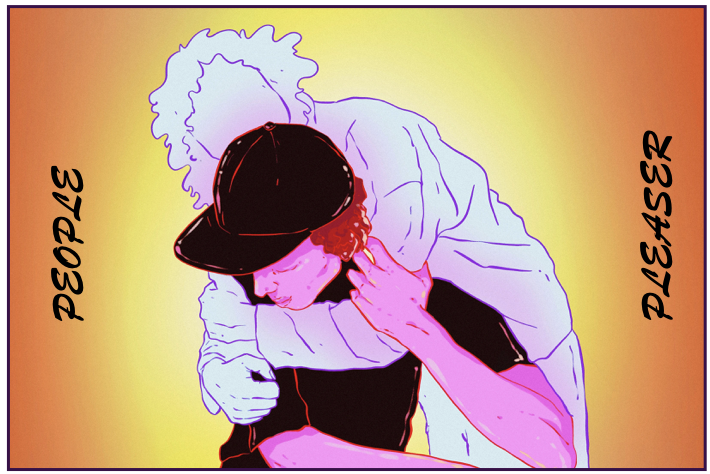
As co-dependents we are people-pleaser (P-P) – who will do anything at all, no matter how humiliating & self-destructive – to keep others attached to us. Many ‘experts’ warn that being too nice will lead to a loss of self-worth – implying we had it at sometime in the past. This may be true in some cases, but not for most ACoAs. People-pleasing is rooted in & springs out of a lack of healthy core & genuine self-esteem – to start with.

As a result of this lack, co-dep P-Ps are most easily attracted to friends & mates who are controlling, who always seem to know what’s best, & happy to tell everyone. And they want to be with us because we let them be in charge all the time. If we had at least one such parent or other important caretaker – we make the unconscious connection between love & being controlled. We think that way we’re safe & don’t have to make the effort to figure out what we want.

However, no matter how battered, each of us does have an inner voice of our own that wants to be heard. So eventually, in a long-term relationship with any controller – we can get more & more anxious, resenting the other person for always getting their way. But afraid of rejection, we may start withdrawing or become passive-aggressive, instead of leaving or being more assertive. (MORE….

Being “too nice” can backfire
a.  Others often see it as a sign of weakness & some will use it as an opportunity to take advantage of us. (More in a future post)

b. If you’re ‘too nice’, wanting social harmony at any cost, you avoid conflict as much as possible, but end up harming yourself. You’re much less willing to stand up for yourself, or say things like: “No, I don’t want that / No, I won’t do it / No that’s not what I meant….”

This avoidance creates more disruptions, since problems never get aired or resolved, & in some cases cause others harm as well!

NEXT: Being Too Nice, #1

Co-Dep Angry-Nice UNDERPINNINGS (Part 2)

I’LL DO ANYTHING
to keep you happy! 

PREVIOUS: Co-Dep Angry-Nice UNDERPINNINGS (#1)

SITE : 11 thing Codependents do unintentionally (scroll down)

BOOK: “Deceived” by Claudia Black, includes 3 types of anger

REVIEW : From LovetoPivot
“The anger or rage that codependents often experience arises from various factors related to their tendencies. The problem is that codependents are frequently drawn to relationships where their anger is perpetuated. A key reasons for the anger is the discrepancy between their expectations & reality.
The complexities of codependency can cause resentment as they may find themselves in relationships where their needs are not met, promises are broken, feel disappointed or betrayed. These experiences can trigger anger as a normal & healthy reaction to unfulfilled needs or compromised trust….. ”

Co-dependence UNDERPINNINGS (cont)
YOU HAVE:
• X-ray vision – inside your personal Fun House, you’re looking into the eyes of everyone distorted mirrorelse trying to figure out who you are, but only seeing other people or distorted versions of yourself thru their eyes

• Filters – you weed out anything positive about yourself, positive opportunities, your actual accomplishments….. including the people who actually do recognize value in you, who are willing to help you to help yourself…..

• Fuzz – like a grey TV screen – whenever extreme terror shuts down your frontal cortex, i.e.. the ability to think at all, OR just that familiar vagueness that comes over you, especially when it’s for your own benefit. Favorite phrases are: “I’m overwhelmed / I’m confused / I don’t know”. It’s easier to vegg out with favorite distractions than admit what you really feel & need

Magical thinking – you’re sure you have the ‘love’ & the will to fix broken people, & sure you’re doing it out of the goodness of your heart.  But actually – it’s to make them well enough to provide you with all the things you want for yourself but don’t have a right to get directly

• Pitch Fever – frantic to get everything done you’ve committed to, exhausted but never wanting to disappoint anyone, rushing from one task to the next, & feeling guilty for even thinking you need a break!

• Mommy Issues – careening thru life looking to finally be rescued & taken care of, secretly scanning everyone you interact with: “Are you my mommy? – Are you my mommy?” Even if you think you only have Daddy issues (yes, they may be very real too), you still needed a strong, healthy mother back then, but where was she???

Nose – even in a room full of ‘normal’ people, if there’s one sick or needy person, you’ll ferret them out to latch on to or seduce – whichever works, It’s mainly to stave off your loneliness but looking to be their savior so heel needed.  This is in spite of feeling barely a few inches higher off the ground than them yourself, so you can feel a tiny bit less unlovable. Or because you assume none of the others would want to be with you??

Reverse logic – getting the Serenity Prayer backwards. Instead of: “God grant me the serenity to accept the things I cannot change, the courage to change the things I can & the wisdom to know the difference”, you compulsive try to do the impossible & keep putting off the things you really can doput up walls

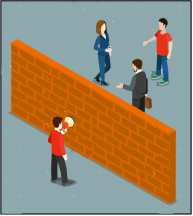
• Walls – in spite of a desperate need to connect, you’re so terrified of intimacy that you compulsively pick emotionally unavailable friends, mated, jobs…. their harmful patterns keeping you at arm’s length, to guarantee that no one gets too close.
If they did, you believe the only thing they’d ‘find out’ is how worthless you are – according to the PP in your head! Unfortunately, your WIC agrees, even through H.P & others do not!

NEXT: Negative results – Intro

Co-Dep Angry-Nice UNDERPINNINGS (Part 1)

love-buyingscreen-shot-2017-02-24-at-12-13-36-pmTHEY WON’T LIKE ME
unless I try a lot harderrom : New-Life

PREVIOUS: Co-dep #1

SITEQs @ Co-dep
Anger
 
False beliefs @ being angry

✒︎ 7 ways to say NO (for People-pleases)

From New Life Spirit Recovery 
Codependency is much broader than simply being involved with a substance abuser. In fact, that is a symptom, not the actual problem at all.  Codependency reflects an inner brokenness & a foundation that is people-based rather that God-based. This foundation drives a codependent to find someone or something outside of themselves to meet their deepest emotional & spiritual needs. It puts people in the place of God.” (See their list of characteristics)

Co-dependence UNDERPINNINGS (all at the same time!)
YOU ARE:
• Hero – of your own story, but not really. Your sense of importance & value is totally dependent on what you can do for others, whether they want it or not, and on how others react to you. If they respond positively, you can breathe. If they don’t – even once – you feel like the rug’s been pulled out. So you have to keep running from the monster (the Introject), to make sure you always do the right thing – for others – but never for yourself

• Jelly – inside. A quivering mass of terror & self-flagellation, always waiting for the other shoe to drop! The least little thing that goes wrong – you blame yourself – whether others hurt your feelings, or heaven-forbid you don’t know something, or make even a tiny mistake – all reasons to condemn yourself

• Mind-reader – sure you know what everyone else is thinking  – about you. Your shame & S-H ‘knows’ it’s never anything good, so you never bother to actually find out by asking, lest your suspicions prove to be true, which you couldn’t bear

• Martyr – taking on the burdens of everyone else, carrying their suffering for them (as if you actually could!), assuming they are weak & you’re so much stronger

• Secret Superman/ Wonder-woman – able to leap tall buildings with your determination to march on alone in spite of all your hardships, proving your ability to save others, while never needing any help yourself

YOU HAVE:
• Antennae – that constantly swivel back & forth towards everyone else, overly- attuned to your assessment/assumption of other people’s emotions & needs – whether accurate or not. Your focus is for external approval, rather than internal self-appreciation & fulfillment. Left to your own devices, you feel lost, purposeless, even empty

• Brakes – like on a car – but only the emergency one, keeping you locked in place, stuck in the mud of your pain, so you can’t take care of yourself. You think if you stand perfectly still you’ll be safe, but all you’re doing is trading real freedom & enjoyment for fake-protection

• A Committee – a dangerous ’round’ table in your head of warring factions – most with opposing points of view, vying for the upper hand – AND all negative. They’re so loud, you can’t find your own voice, & they drive you crazy, because you’re trying to make sense of craziness!

• Distortions – of thinking (CDs) that warp the way you see & interpret the world – thru the haze of Toxic Rules, FoA & S-H. This includes a skewed idea of Higher Power/God. ACoAs automatically assume that “God is an Alcoholic Parent”. We either:
— hate the whole ‘spirituality’ issues because God didn’t rescue us from very real childhood trauma, or
— try to earn love & acceptance by good works (people-please HP) or
— assume the ‘universe’ is against us, no matter what we do, just like it was at home

NOTE: John Bradshaw (Psychotherapist & ex-priest)said  : “Before age 7 we deify our parents. After that we parentalize our deity”.

NEXT: Co-Dep UNDERPINNINGS  (#2)

Hidden ISSUES for Angry ‘Nice’ People (Part 1)

P-A issuesAS LONG AS I’M ‘GOOD’
I’ll be OK (I 
hope!)

PREVIOUS: Intro b

SITE: Danger of Suppressing Anger

QUOTE: Unexpressed emotions will never die. They are buried alive and will come forth later in uglier ways”.  Sigmund Freud

ISSUES for “Secretly angry” people
GREAT DESIRE
• to be loved  //  to not be attacked // to not be alone or lonely

BASIC FEARSsad girl
• of self-reflection //  being abandoned //  being punished

UNDERLYING ISSUES
• feel inadequate, not entitled, self-hating, shame-bound
• not allowed to be assertive or angry, always assume rejection

WELL-BEHAVED, But ALSO:
• controlling, critical, unforgiving // indirectly cruel, attacking, vengeful
• depressed, fussy, hard to please, moody, shy, thin-skinned, withdrawn

PAY-OFFS for using defenses (ie. Negative Benefits)
1. False Weakness (see Original LL)
a. Avoid facing childhood pain
• Connecting with the pain of past & current emotional injuries makes us feel vulnerable, out of control, small & helpless. Anger is energizing – but not allowed – so we end up in constant anxiety, & don’t know why

bCreate physical pain (real or not), as substitute for #a.
• If we’re workaholic (do, do, do) and not allowed to rest / relax / have fun, we can get sick to slow us down
suffer• If we’re not allowed to be given empathy, sympathy, emotional support…. then physical ailments become a way of eliciting some of it ‘legitimately’, since they are tangible & considered acceptable, while emotional hurts can’t be seen & are often considered a weakness or ‘dramatic’
• If we’re not allowed to be/feel taken care of or to find the right kind of help, practically or psychologically, then being weak, sick, incapacitated…. can get us some attention

cContinue being mistreated & abused

• Some of us are so used to being in the victim role – which we really were as kids – that we don’t want to give it up as adults, because it would create separation anxiety from the family & our bad-parent Introject.
Being a victim is about the ‘poor MEs’, staying emotionally immature, waiting to be taken care of. While there is a lot of anger under this position, it’s not supposed to show!

dGet approval for a role
STOIC:
Not letting ourselves experience & deal with jealousy, anger, sadness, fear…. is often incorrectly considered ‘strong’, & gently admired in many parts of our society, including the religious community.  They tells us it’s not OK (weak or un-spiritual) to admit to or show unpleasant ‘negative’ emotions, especially anger. It’s called  ‘loosing it, being emotional’. 
We’re even told that all emotions ‘cloud our judgment’.
Unfortunately obeying these dictates is harmful physically & psychologically  (CHART)

DOORMAT: Being such a ‘nice’ person that you have no opinions or boundaries may make it easier on some people to be around us – especially narcissists – & superficially satisfies our WIC’s desperation to never be abandoned by others, but it insures that we abandon ourself  (MORE….”Recovering Doormat”)

2. False Strength (See Reverse  LL)
a. Superiority
• Admired – as martyr, ‘good guy’, saint, ‘spiritual’
• One-up – needing others to be needy, sick, dependent, not successful

b. Controlling
• Emotional blackmail, to keep others fearful, attached to us
• Demand our own way (always) – ‘nice’ is only superficial
• Hamper or destroy ‘loved ones’  – if they try to be free, happy, themselves

c. Punishing / manipulating
• When we, in the guise of ‘good’ GIVER (G), continually help / rescue / dominate – another person, then the Receiver/ victim/ inferior / weaker (R) must:
— have unquestioning, blind loyalty, never object or question
— always provide affection & total attention, care-take

• If the R. objects, withdraws or rebels, then:
— Giver (G) sees R. as selfish, ungrateful, abusive
— G. will punish R. overtly or covertly, attacking or withdrawing

NEXT: SYMPTOMS of Hidden Anger (#1)

Co-Dependent Anger-Niceness (Part 3)

over-giving
THEY NEED ME, THEY NEED ME!
If I can carry them, I’ll be loved

PREVIOUS: Secretly angry-nice #1

SITEArticle 1 // Article 2


KINDNESS vs Angry-NICENESS
True Kindness is a positive trait, coming from an inner place of abundance – the person having enough of their needs & wants met from their healthy family, themself & in the world. It allows them to be reasonably happy with their life, but not complacent. As a result, they can be thoughtful & generous, without needing or expecting a return.

This satisfaction translates into relating positively to others, but not a as pushover, victim or martyr. AND developing a safe support system carries them thru hard times – showers or storms  – which happen to us all.  Being a genuinely kind person is never a liability when it’s an outgrowth of personal strength, emotional stability & humanity.   nice neighbors

True Kindness is totally the opposite of co-dependence. It honors our own needs & values, expressing this to others so they know where they stand with us.
Sometimes healthy kindness is uncomfortable. Sometimes it means saying ‘No” to someone’s request or demand, because it’s not good for us, or not good for them – like not giving money to an active addict, not spending the night with a stranger, not over-doing when sick or tired….

NOTE:  Our True Self may indeed be helpful, caring & kind. And for wounded people who want to scrub off the False Self layer, with enough Recovery we who are ‘natural helpers’ can find a balance between legitimate giving & appropriate self-care.
Other personality Types can finally uncover & admit that ‘helping’ is not really their style at all – they need more privacy & solitude to fulfill healthy goals & natural talents.
ARTICLE:”For Everyone who has been called ‘Too Nice’.” Re. Positive niceness!!

Co-dependent Fake Niceness
Most people occasionally need to hide their anger behind the face of politeness –  especially when it’s the only way to protect oneself.  This is normal.
Here
we’re focusing on suppressed-anger-niceness as a way of life. It’s a defense mechanisms, one of many ways damage shows up, used to disguise unhealed wounds of the past. Childhood abandonment always leaves us with a great deal of anger, which ‘nice’ people turn in on themself. Lacking genuine self-esteem, we latch on to others so we can manipulate them into providing our many unmet needs, instead of working to develop these for ourself.

Co-Dep is an outgrowth of self-hate, which tells us that we caused our own pain, from birth – on. And according to this distorted thinking, if we caused it then we surely can cure it. This is the WIC’s sense of false power, who is convinced it can control how we’re  treated – by being extra good – no, perfect!   (opposite of Al-anon’s 3 Cs)
But all we end up doing is twisting ourself into whatever pretzel we think others want, and trying to fix people who are the least likely to change – the narcissists & addicts around us who are too self-absorbed to even see us, much less care. Neither effort ever works!

In reality we could not possibly have caused any of our early suffering, since the damaged adults who raised us were already fully formed before we arrived!  It’s not fair that we have to clean up the mess they left us with, but we do have the ability to heal much of it to better out life. Yet many people are unwilling to shed deep-seated defenses, since it would mean dealing with the original wounds that caused a need for them.

Without a strong inner core of self-esteem, clear thinking & good boundaries, hoe we interact with others is not ‘clean’. At the very least, the surface agreeableness of our angry-niceness is a pretense. At the extreme, being overly-sweet, overly-solicitous, overly-helpful hides our anger , but will come out sideways.

Actually, our carefully controlled actions are basically self-serving, because we’re only being ‘so good’ as a way of conning others into taking care of us – emotionally, psychologically – & often in all 4 PMES way. Whether or not we’re aware of our compulsive patterns is not the point. (See Part 1 re. Selfishness).too helpful

If you’re still actively Secretly-Angry, you want to be seen as a kind person, in spite of how you feel inside, because society considers that a virtue. And being desperate for positive strokes, you assume that’s what is always required & expected of you. But you’re still living in emotional deprivation, so no amount of people-pleasing will fill the void.
Then, the more you do for others, especially if there’s no acknowledgement or appreciation – the angrier you get. But ‘nice’ people aren’t supposed to get angry – so the feeling transforms into resentments.

NEXT: Co-Dep defined #2