

PREVIOUS: Anger Categories (#12)
SITE: “Anger Disorder”
22• “Our Righteous Anger Addiction”
NOTE : Click “Acronyms”on Homepage for abbrev.
OTHER Anger-EXPRESSIONS (cont)
▪️“RIGHTEOUS”/ Moral anger
a. ARROGANT – Those of us who believe we’re always correct – both for ourselves & for everyone else. This leads us to think we have the absolute ‘right’ to insist that others follow a set of rules – that are in our head.
When specific people or groups/ institutions break those rules, we get very angry. What we object to may in fact be unhealthy, but not always. Such ‘offenders’ are considered bad, evil, wicked, sinful – who need to be scolded, punished, & then taught the correct way to think &  act. We rant at them or about them – with friends, on social media, even sometimes with physical violence
• It gives us a sense of superiority because we’re convinced our anger is for a good cause – like unhealthy Enneagram #1s – we’re trying to ‘clean up the world’. We don’t see that our world-view is rigid & narrow, assuming everyone is or should be just like us (narcissism), & that others have their own values & moral codes, not like ours.
When our behavior is questioned or objected to – we don’t feel guilty, but arrogantly justify it. When someone points out our unfair harshness, we get very angry. Even if the objector apologizes & backs down right away, (although they were correct), Righteous types enjoy humiliating them for their ‘moral ignorance or laxity’ & continue attacking the worlds’ wrong-doers.
b. LEGITIMATE – In religious terms, Righteous anger means responding in accordance with Divine / Spiritual or moral law. This can prompt an understandable attitude & action from an outraged sense of justice or morality, free from guilt or a sin-label.
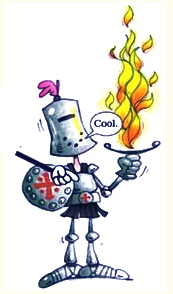 ▫️ More generally, ‘Righteous Indignation’ focuses on the ‘Higher or Greater good’ rather than based on self-centered motives. It comes from a sincerely desire to make the world a better place for everyone – not just ourself.
We see the injustice & evil around us & are inspired to fight for something beyond our own experiences. Whether it’s for a loved one or a strangers in dire circumstance being unfairly treated or abused, it’s natural to feel angry, & healthy anger can fuel effective action
▫️ This anger is a reaction to actual abuse of power (something that’s unjust, mean or unworthy), not to something that’s personally inconvenient, a violation of social tradition, our paranoia or hobby-horse (favorite annoyance we keep going on about)
▫️ It is part of a group of healthy qualities – such as self-control, unwillingness to do harm, good boundaries, genuine care for the welfare of others, altruism….. (minus arrogance, self-pity, hopelessness….)
▪️SELF-SACRIFICE anger
When we sacrifice our time, money, dignity, needs, dreams…. for another, AND there is no acknowledgment or appreciation, & maybe with no end in sight – anger is inevitable.  Whether our sacrifice:
• is by choice, as in being a parent or elder care-taker, OR
• from co-dependence, as in trying to always please others & only getting ‘crumbs’, OR
• because of social / political / religious reasons, out of our control —-> anger is inevitable….
How we ‘understand’ & process that anger is what makes the difference as to how we stifle or proceed with our life.
“STOP the Self-Sacrifice” // “Anger & maternal sacrifice“
▪️SHAME-BASED anger
This is typical of people who need a lot of attention but never get enough. THEY:
• compulsively try to cover-up their imperfections with perfectionism, & inevitably fail to live up to their impossible standard
• are afraid to admit & express ‘weak’ emotions (loneliness, sorrow,  fear….)
• are overly sensitive to criticism, even when it’s in the form of helpful suggestions
• project their S-H on to everyone else (‘No one likes me’….)
• are unable to live up to their responsibilities (family man out of work, sickly mother….)
Shame-anger comes from the WIC thinking that whenever others hurt us we’ll feel better if we lash back with ridicule, blame, criticism…. Naturally this will always backfire, our outbursts & loss of control pushing even loved ones away, making us feel even more inadequate & ashamed.
(“What is SHAME” post // The Shame-Rage connection)
NEXT: Categories #14
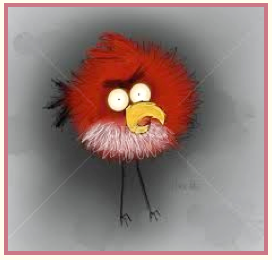




 anyway, usually by withholding – in our actions, communication, emotions….. and then acting innocent & hurt, asking with a puzzled look, “Why are you getting mad at me?”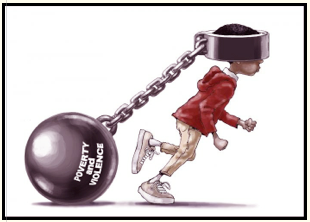


 easily triggered. We can’t take any more – our plate is overflowing & we have no more reserves of patience or coping energy. This anger is an unsuccessful response to the alternative of giving up, as in ‘learned helplessness’

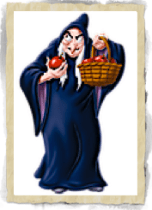



 corrected or changed






 because of religious prohibition (anger=sin).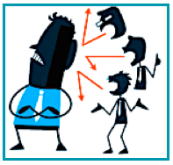

 HEAL & GROW for ACoAs