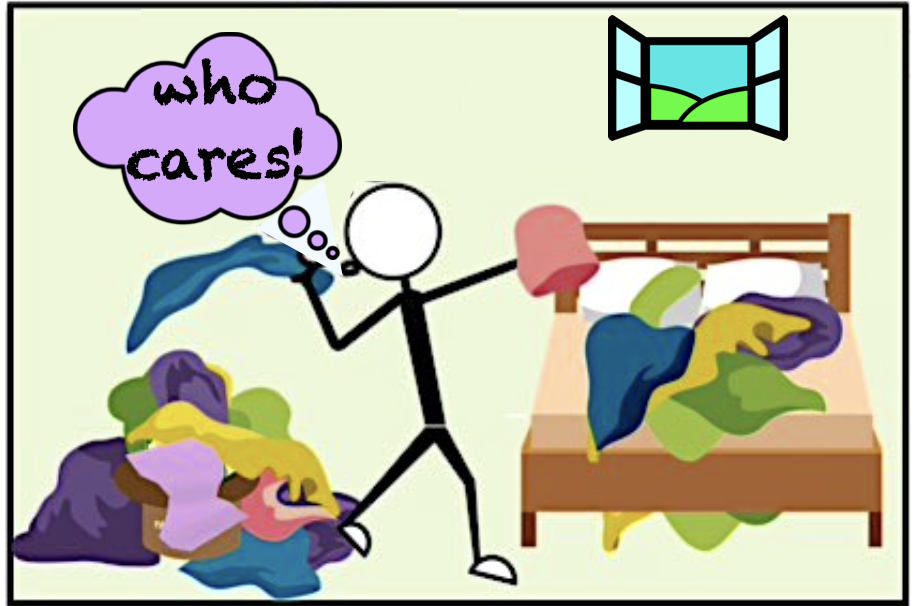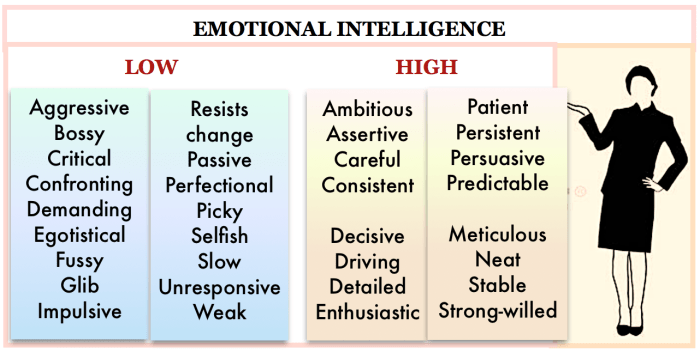
DEALING with P-As: Communication (Part 4)

PREVIOUS: Dealing with P-As – Communication (4a)

SITE:  “How to Successfully Handle Passive-Aggressive People,

NOTE: Communication is the T category of T.E.A. It’s about words, & can be expressed non-verbally, with body language & tone of voice…..

ALSO – It’s understood that dealing with a P-A at work has the advantage that they are being paid to accomplish tasks & can be fired ‘for cause’. Dealing with P-As at home is much harder, whether a spouse or child, altho you can ‘fire’ a spouse, but not young children. YOUR attitude has a big impact on how you communicate with them.

Def – ATTITUDE: A predisposition & tendency toward or habitual way of responding to ideas, objects, people or situations. Each specific attitude (helpful, positive, negative, arrogant, defiant, cool….) will influence ones choice of response to difficult or pleasant experiences (stimuli).  The 4 main components are:
(1) Affective : emotions or feelings (2) Cognitive : conscious beliefs or opinions
(3) Conative : inclination to act, implies striving (4) Evaluative : positive or negative

Stay Friendly AND Assertive
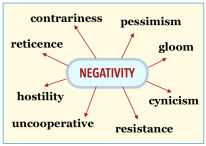
P-As vent emotion from behind a mask of indifference. Because they feed on negativity, they look for a ‘bad reaction’ from the Receiver (R= us) so they can make their stress reaction be about you, without getting blamed.

Don’t stoop to their level in return.- being P-A or attacking.  If you fall for their ploy of letting them getting under your skin, it will divert attention from the real problem you want to address. Be open, honest & direct about the issue, which will allow you to be more in charge of your responses.

Staying calm lets you clearly see their actions rather than what’s wrong with you. Model positive behavior. Whether dealing with children or adults, show how you handle frustrations & problems in healthy ways (Adult ego state), which will let others know what you expect of them, & how to interact with you. But don’t assume they’ll copy you!

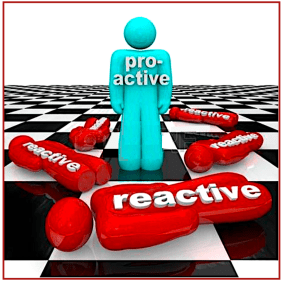
Assertive communication is direct, non-reactive, & respectful.
In dealing with adults, being mentally clear & emotionally level-headed are important in dealing with a P-A. Show confidence, be collaborative & state that you want to solve the problem in a way that works for both of you. It’s not just about getting your way, but taking the other person into consideration. Offer a positive alternative to their behavior & its advantages, as well as asking the P-A to contribute a useful option they can live with. Take the time to reach a fair solution
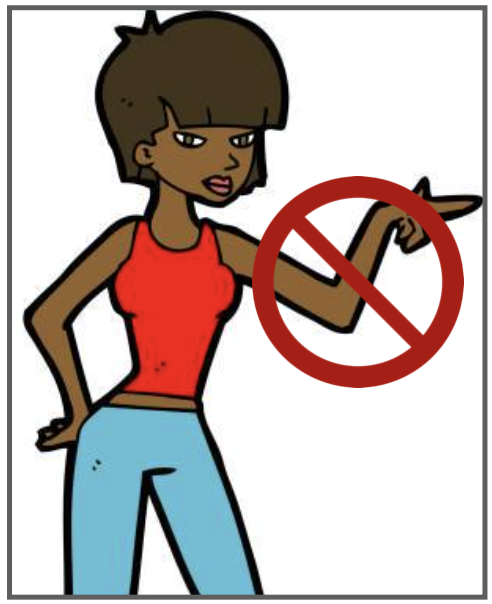
Avoid broad statements like “You’re always doing this! / Why can’t you ____? / When are you going to____?….” These are accusations, not solutions
Avoid verbal confrontations & power struggles which only reinforces the passive-aggressiveness, which will increase your frustration
Avoid rehashing the past, trying to force a solution, or sounding disgusted
Avoid telling them what you think their motive is for problem behavior., You’re not their therapist
Avoid telling them they’re being passive aggressive! 😬

♦︎ Instead, point out the inconsistencies between their words & actions, keeping it factual rather than emotional. Describe their specific behavior objectively & its negative effect on the goal you’ve set for them (which they may even have agreed to but are ‘messing up’) : clean the garage, finish a paper, write a proposal, prepare a presentation, research a subject, fill out their eval form, pick up milk….

Listening (4 posts) – It’s also important to hear what the P-A is saying, without interrupting, especially without accusation or blame. Consider the other person’s point-of-view, & acknowledge it. Validate their feelings or opinions, even if you think / know they are wrong.  Acknowledging that you heard their position does not automatically mean you agree with them.

In Mild situations, use humor! This helps in conflict resolution, can be a great way to shine a light on the truth, disarm difficult behavior & show your composure.

EXP: Is someone you see often is too stuck up to respond to your: “Hello, how are you?, you can say – to their silence: “That good, eh?” It may or may not break the ice.

NOTE: Other reasons for their silence are not always P-A but rather may be shyness, preoccupation or illness. One woman who was undergoing chemo treatments felt awful much of the time. Every week an acquaintance would ask “How are you”. After the second or third time the sufferer got tired of repeating “I’m in pain, weak & tired, thanks.” So she stopped responding & just shook her head. She hoped shuffling along with a cane would be enough of an answer!

NEXT: Dealing with P-As #5

DEALING with P-As: Emotions (Part 3)

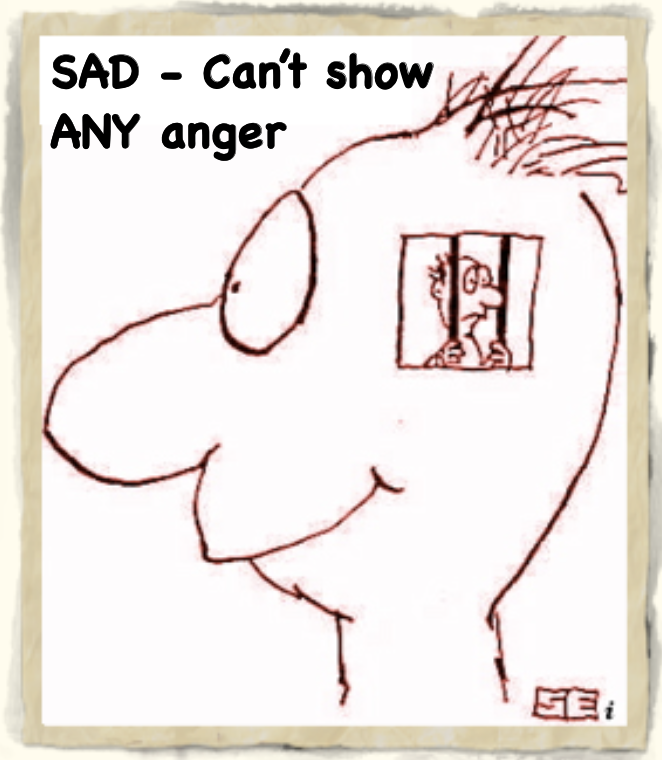
HIDDEN ANGER
is tricky to deal with

PREVIOUS :
Dealing with P-As #2

SITE: BLOG re. P-A relationship


Our EMOTIONS
Notice how you feel around the P-A.
Pay close attention to your instincts. You’ll definitely feel frustrated, & then angry. If you don’t know what’s happening or you’re blaming yourself you may even despair. You are actually in a situation you can’t win – nothing you say or do seems to please them or get them to hear you. YOU :
• are likely feel tired or deflated, IF you’ve been trying to make sense of their behavior, & spending a lot of energy trying to get them to co-operate
• can feel hurt if they give you the silent treatment
•  feel annoyed that they’re always complaining, but don’t do anything to improve their situation

Make Friends with YOUR Anger
To be effective in dealing with P-As you have to be OK with your own feeling of anger at them (acceptance) – because that’s a normal reaction to being jerked around.

REMEMBER: We have our own hot buttons, which P-As can take advantage of – once they get to know us. Identify them, & then notice when you get really anxious or have a strong angry reaction when a button is bumped into.
EXP
: When ignored / accused wrongly / called ‘too sensitive’ / treated as stupid / taken advantage of / not given credit…..

Moderate your Response
Develop a “Teflon coating” for yourself when dealing with P-As — stay calm, keep your voice neutral, hold your emotions in check. The less reactive you are, the less fuel they have for their hidden anger tactics
• If possible, find out what the P-A is angry about – in the present situation. Notice a problem they’re reacting to as soon as you can

• Because P-As don’t show their anger directly, you can talk to someone who knows them well enough to tell you what the P-A’s buttons are, to know what subtle signs to look for

• Think seriously about what might really be driving the P-A’s behavior, which is usually a symptom of something else (or deeper) that’s upsetting them. NOTE: these is a tools to help with awareness, not in order to fix them

Stay as neutral as you can manage – even if you have to act-as-if. When you do get upset (which is likely), calm yourself down first before addressing whatever issue that’s bothering you – take a walk, crank up the music & dance, call a sponsor, read a page or two from the Al-Anon “Just for Today” Meditations…..
Then figure out exactly what you need / want from this situation, what is actually possible & what realistic outcome you can live with

Practice ++ self-talk (until it’s automatic), such as:
🤔”I didn’t cause it / I can’t control it / I can’t cure it”.
• I recognize their ______ as P-A behavior – it’s a familiar pattern I see & acknowledge
• He wants me to get angry & yell, so it’ll end up being my problem, not his
• I know what’s behind her procrastination, intentional inefficiency, ‘laziness’…
• It is her anger/ resentment that she’s not owning up to
• I don’t want to (& won’t) participate in P-A manipulation
• I have a right to be treated at least with respect, at best more lovingly
• I trust my gut reaction when I feel jabbed – because that’s what just happened

Empathize
Learn reflective listening & express empathy toward the P-A. While this may be hard to do, it can sometimes be helpful in dealing with sideways anger, & may disarm them. In any case, be compassionate toward yourself.

You can reflect (mirror back) their suppressed emotions by saying things like, “It seems like you were frustrated by what happened in school / at work….  today. That makes sense & must have been hard…..”
You can remind yourself that someone has probably been patient, understanding & compassionate towards you at times when you were not at our best. Pay it forward.

FROM Elephant Journal: “The passive-aggressive individual is not a bad person, they are simply a person who has been deeply hurt.
And when it’s a family member, friend, or intimate partner, the only way to stay present is with expansive love.
Pushing such a person to be honest or direct does not work, because they can’t see past their own fear & hurt.
Space and time are essential for healing.
Even more so, seeing the best in them can alleviate some of their fear, & reassure them they’re held with love, & embraced with your security.”

PS: In most cases it’s the P-A’s behavior / communication that’s hurtful & unhealthy (bad), is not the essence of the person. This is because the ‘acting out’ comes from the person’s False Self, rather than their hidden Healthy / True Self. However – their hurtful behavior is not to be excused or overlooked.

NEXT: Dealing w/ P-As #4

DEALING with P-As: re. Us (Part 2)

IF I KEEP MY WITS
I won’t get sucked in

PREVIOUS:
Dealing w/ P-As #1

SITE: Anger & Stress management audio C.Disks, Inner Child tapes….


FOR US  — the Receivers (R) of passive-aggressive (P-A) words & non-actions, in our personal life or at work
The obvious first step is to learn about Passive-Aggressive patterns of communication & behavior. Interaction with one’s own P-A child, spouse, parent or friend will need to be a bit different than what we can do & say when dealing with someone at work. But the fundamentals are the same.

T.E.A: Before we can take action (As) in dealing with a P-A, we need to be as prepared as possible. That starts with our ability to manage ourselves, both in our thinking (Ts) & our emotions (Es).  As the previous posts outline, here we’re mainly looking at dyed-in-the-wool P-As – rather than occasional P-A behavior we all use when direct expression of displeasure & anger are not wise (work) or safe (home).

Identify P-A for what it is: HOSTILITY
Remember –  if you have to ask a person to do something (legitimate) more than twice, you’re dealing with passive-aggressiveness. You’re getting the indirect message:”No I won’t, & you can’t make me!Review P-A characteristics.

Don’t be fooled by the innocuous, sugar-coated presentation of an experienced P-A. Once you recognize it’s a sign of hostility, it can give you the courage & confidence to stand up to it. The biggest mistake ‘receivers’ make is to be lenient. It’s a power struggle, so once you give in to P-A behavior, you lose your personal power & your options.

IMPERATIVE:  Vulnerability in any area of your life is an invitation for the P-A nearby to harm you where it hurts the most – as you’ve probably already experienced. So – eliminate them as a source of psychological or financial support as soon as you can, & exclude any you become aware of in future before getting tangled up.

When you don’t have a choice (at least for the present)
a. If it’s someone at school, work, neighborhood, church, or other group – give them as little info about you & your life as you can – right from the beginning, & that includes good things! which they can easily envy (tell no great successes, feelings, problems, deep beliefs, family issues, personal weaknesses….).

P-As like to ask all kinds of personal questions, which seem innocent & concerned, like they’re really interested in you. But they’re very good at remembering what they hear, even little things you mention in passing, & will find ways to use it against you later. SO – if you can’t avoid answering, keep it brief & vague, said friendly or straight-faced

b. When it’s people who know you well, it’s much harder to detach. Changing your part in the Perpetrator-Victim ‘game’ has to be done slowly & carefully. You will likely feel a measure of fear, but if you keep going, you’ll find it’s empowering.
It’s best to do it piece-meal – tell them less & less about things that matter to you AND/OR things they have turned against you before – a little at a time until you’re out of the toxic symbiosis

Don’t take the bait
There’s a difference between actively dealing with P-A comments & behavior (via our Adult) vs. getting sucked into the emotional chaos they can create (by our WIC). For exp, when a P-A is sarcastic, only respond to the words, not the tone.
It’s imperative to stop yourself from doing their psych work for them by asking Qs like “Why did you say that? or What does that really mean?”
These might get you a shrug & an “I don’t know”, or start an argument – but not the truth. It’s a way of enabling them to not be responsible for their feelings.
So if they were to say “Thanks a lot!”, you can just respond with “You’re welcome” – either with a smile, or in a neutral voice, which can make their brain go ‘TILT’.

Don’t take it personally
P-As revel in painting their world – & yours – with negativity, with a misery-loves-company attitude, & they’ll bond with you in their misery – if you let them. You’re either just the most convenient person to dump their resentments on, or you’ve chosen to be with them because of your own corresponding damage.

As stated in other poststhe P-A’s anger comes from their own upbringing& later from living with too much injustice & powerlessness – so it can not possibly be your responsibility. You do NOT have the power to fix their pain, only they can do that. What you do have power over is protecting your own hide, & cultivating your sources of serenity & enjoyment.

NEXT: Dealing with P-As  #3

DEALING with Passive-Aggressives (Part 1)

THOSE PASSIVE-AGGRESSIVES
will drive me crazy – if I let them!

PREVIOUS: P-A Questionnaire

SITE: Dealing w/ P-A STUDENTS (for parents & teachers)

BOOK: The Angry Smile

REMINDER: “Passive-aggressives are not less angry than Volatiles, just less direct.”
A good portion of P-As were raised by mothers who were neglectful, non-nurturing, overly controlling, not allowing for any self-expression….. So you didn’t cause it. If you’re in a relationship with a P-A person, stay focused on yourself, & what you want to accomplish.  We’re only responsible for our T.E.A.s.

Our responses will be safest & least drama-producing for ourself & others when they come from the Parent ego state, as part of our True Self – rather than re-acting from the False Self / WIC. This includes making sure our own anger is healthy – because P-As do sorely try our patience!

REVIEW of some P-A tactics – THEY:
⚡️ Are persistently pessimistic, even when things are going well
⚡️ Avoid work and social obligations, often making excuses
⚡️ Critical, Blame others for personal failures
⚡️ Complain of being unappreciated or misunderstood
⚡️ Don’t do something that’s asked of them, are reluctant or fail to keep promises
⚡️ Exaggerate misfortunes, often run late
⚡️ Sabotage, are sarcastic, give the silent treatment, withholding intimacy

At Work – a P-A ‘team’ member may:
• Hold others to a very high standard of behavior & call them on imperfections / mistakes / oversights… in front of others (shaming)
• Intellectualize instead of apologize –“I wonder why I did that?” instead of, “I’m so sorry.”
• Interrupt – with a quick “sorry” – without real acknowledgment of the other person’s presence, conversation or activity

• Smile, & then do whatever they want by saying to the  other person, “You don’t mind, do you?”
• Take credit for what another team member said – by restating it as if it’s her own idea
• Use apparently logical reasons to undermine others’ success – and then say “You understand, don’t you? / You don’t mind, right?”….
• Use fake manners to cover a lack of genuine respect / manners
• Use neutral statements instead of true empathy. “Yes, it is difficult, isn’t it?” instead of, “How can I help? Let’s look at it and find a solution
• Use subtle sarcasm against a team member and call it humor “Just kidding”!”…… (Lydia Dishman)

ISSUES for us to OVERCOME
🌀 No boundaries.
P-As
have a nose for People-pleasers (P-Ps), Scapegoats & Victims – anyone with a big red button on their forehead that says “You can mess with me because I can’t stand up for myself”.  P-As (with walls around them) create drama & confusion, which directly impacts their ability to accomplish tasks, whether in business or at home.

• False-nice people (wounded Receivers) have weak boundaries, low self-esteem & are afraid of conflict, reinforcing their feeling of universal unsafely, This makes them perfect targets for the P-A’s hostility. P-As know when & how much they can get away with! ❗️so it’s up the non-P-A to work on developing / strengthening our Boundaries.

🌀 Confusing Communication
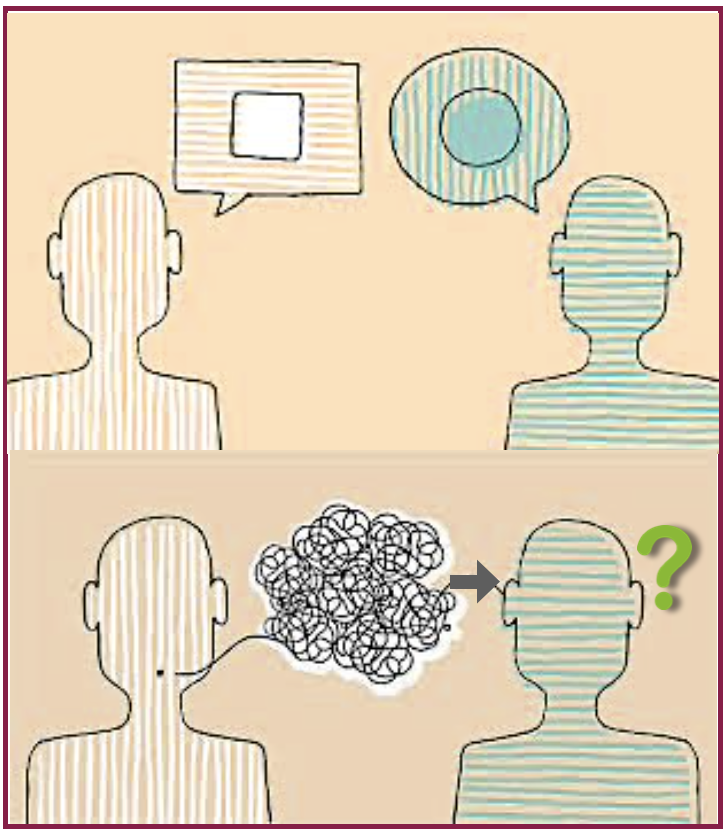
P-As will say one thing (like “Sure, sounds great!”) but mean the exact opposite, which is disorienting & disconcerting. Even if we (the Receiver) don’t fit into the Passive category we can still get lost in the morass of the P-A’s manipulation if we don’t understand the game they’re playing. Pay attention!

• And if we tend to be straightforward, we assume others are too, so we’re likely to take the P-A’s apparent agreement for a commitment: We think:
“They said they’d call the IRS / pick up the laundry / look for a job / do their homework / get that project done by Fri…. didn’t they?”

But for ACoAs, especially if we grew up with P-As, when we now have to deal with another one for any length of time (we may have inadvertently picked as boss, spouse, friend…..), some part of us can have a ‘sneaking suspicion’ they’re going to flake on us or drag out the promised action endlessly – but we still hope that this time…..

Sadly, depending on someone who is determined to constantly stone-wall leaves us endlessly disappointed, & having to do everything ourself anyway. Sometimes it’s not even worth asking .

🌀 Fighting fire with fire?
It’s inevitable that we’ll be frustrated & angry around P-As. But approaching them with sarcasm or our own passive-aggressiveness will only strengthen their resolve to be defiant. Besides, they’re much better at it – having had a lot more practice. 😼
<—– If we meet their anger with ours, the interaction will escalate, or they’ll just withdraw even more.  Remember that you’re always dealing with their hidden angry Inner Child!
We’re not likely to ever get the co-operation we want or need, so trying to ‘shake it out of them’ never works.

NEXT: Dealing with P-As (#2)

Qs: Are You Passive-Aggressive?

I DON’T LIKE these questions!

PREVIOUS : P-A ACoAs – Review, #3

BOOK: Overcoming Passive-Aggression…..

SITE: Why Empaths Freeze Around Fake People” 

See ACRONYM page for abbrev.

REVIEW: Ways to express anger – Bible perspective

Qs re. Silent Treatment – Christian focus
A Master Mind student formulated the following Qs for such a person to ask themselves, but they can also be used in couple’s counseling & in groups.

MOTIVATION for using the Silent Treatment (ST)
✐ What are you trying to achieve, accomplish, or prove with ST?
✐ What are you trying to protect yourself from by choosing silence?
✐ Is this a defensive tactic? If Yes, then against what?
✐ What are you trying to control when you use ST?
✐ What is it that makes you so angry?
✐ What are you afraid of if you were to actually talk to the person you’re ignoring?

COMMUNITY
🔎 Are you aware how this tactic affects your family – this type of abuse?
🔎 Are there any other people in your life you treat this way?
🔎 How does it make you feel when you are ignored & alienated?
🔎 Do you have anyone holding you accountable for this tactic?
🔎 Are you willing to change now? Will you stop doing this and voice your concern?

QUESTIONNAIRE re. being Passive-Aggressive 
Unexpressed anger can build up and take over your life, making you miserable in many different ways. You may have deep unresolved anger if you:

📕 EMOTIONAL /PSYCHOLOGICAL

_____ Are afraid to express strong emotion, believing it’s wrong to be angry

_____ Are bored, apathetic, have lost interest in things you used to enjoy

_____ Are excessively impatient and irritable

_____ Become easily frustrated with other people’s faults or limitations

_____ Deny your feelings of frustration, irritation & impatience

_____ Often complain to others about injustice at your job or at home

_____Smile but are bitter and cynical, while you’re hurting inside

_____You seem sweet, compliant & agreeable, but underneath are really resentful, angry, petty & envious

_____You’re afraid of being alone, & equally afraid of being dependent

_____You cover up feel inadequate with superiority, disdain, hostile passivity

_____You sulk, withdraw and pout

_____You constantly protect yourself so noone will know how afraid you are of being inadequate, imperfect, left, dependent or simply human

🖥️ MENTAL / PHYSICAL

_____ Are unnecessarily critical of yourself

_____Feel insulted by others’ selfish driving, resulting in road rage

_____ Grind teeth or clench your jaws, with chronic tight facial muscles

_____ Have chronic muscle tension in neck & shoulders, that worsens when anxious

_____ Have continual thoughts of revenge

_____ Habitually clenched fists, tap feet or hands when upset

_____ Turn your anger on yourself & mentally beat yourself up

_____You are often late and/or forgetful

_____ You often procrastinate, especially about things you do for others

_____You regularly complain that you’re treated unfairly

📱 COMMUNICATION / SOCIAL

_____ Are afraid to express your opinion because you might blow up

_____ Are sarcastic and use humor destructively

_____ Are secretly or outwardly judgmental about how others act

_____ Agree to do something, then don’t follow through. “Forget” your promises

_____ Displace anger on ‘safer’ people (less threatening) or on objects

_____ Frequently pepper your talk with cuss words

_____ Must have the last work in disagreements, keep a fight going

_____ Overly polite, cheerful, ‘grin & bear it’ to hide feel mistreated

_____ Pick at others & provoke them to anger

_____You drag your feet to frustrate others

____ You don’t speak your truth openly, kindly & honestly – when asked for your opinion or asked to do something for someone

_____You’re unwilling to give a straight answer

_____ You make up stories, excuses and lies

_____ Want to be known as the “nice guy/gal” but inwardly are in turmoil

NEXT: Dealing with P-As, #1 

Passive Aggressives – Review for ACoAs (Part 3)

WHAT A CONCEPT : Honest doesn’t mean hostile.
Pleasant doesn’t mean passive!

PREVIOUS: P-A ACoAs (# 2)

SITEs:” Emotionally Volatile People
• “Difficult People & how to Handle Them

REVIEW (cont)
1.The GAME // 2. WHO plays the game

3. CAUSEs of the game
ACoAs ; from our family, school, religion…. we were NOT allowed :
• to be angry, to the point of not even knowing we are!
• to know what we wanted, how we felt, what we preferred (being too much of an individual got smashed – so it left us confused)
• to ask for anything (don’t bother them)
AND
• were taught to never put ourselves first
• always had to always be perfect (no mistakes) – so better not choose anything
• no matter what we did, we were punished, so we couldn’t win
• safer to not be too visible (in a dangerous family, & later in abusive relationships)
taking any risk was discouraged, made fun of, punished (so now we can’t risk ‘failing’ & being disappointed)

4. EFFECTs of the game, as the P-A
a. Negative BenefitsWE DON’T have to :
• figure out who we are, what we want & need
• disobey any of the toxic family rules
• admit we’re angry, even raging, underneath
• stand up to the ‘control freaks
• make a mistake & deal then with consequences
• AND we get to blame others when something goes wrong, & maintain the illusion of superiority

b. Negative Consequences of being P-A :
• always feel scared of disapproval & losing people (FoA)
• it increases our Self-Hate & Loneliness 
• lose out on many opportunities to grow, to be heard, to have fun
• make other people mad at us, a lot! for forcing them to carry all the responsibility & then getting blamed
• never get what we really want, unless by accident or by luck
• we are dis-empowered, lose self-esteem, stay a victim, are infantilized, stay mute, don’t risk anything

4. HEALTHY
a. General: We need TO
• identify all the ways we were hurt as kids, including the specific messages we still obey, like ‘don’t feel’ , ‘don’t talk’ (Toxic Rules)
• prevent the Wounded Inner Child from running our life BY growing a Healthy Adult & Loving Parent  (the UNIT) who can make executive decisions about how to own & fulfill our needs
book-end with the IC, to outgrow living in the past. If done consistently, it will teach the WIC the difference between what’s possible & real in the present, vs the way it was in our dysfunctional family

b. For Passive-Aggressives – we need TO:
• keep a safe distance from anyone who is easily provoked to anger
own our hidden resentments, anger, rage, bitterness
• learn safe ways of discharging rage, & healthy ways of expressing it to others, when needed
• practice saying what we need, want, like, prefer – to find out that nothing bad happens to us or others
• stop looking for other people to be in charge of our life, tell us what to do, make our decisions & choices

Practice making ‘I’ statements every day, silently to yourself, so it gets easier & easier to say out loud:  “I want… I need… I don’t like… I’d rather…  that’s not for me… ” UNTIL it’s your new norm!

c. For Volatiles – we need to:
• accept that the rage is legitimate, but our actions are not always healthy
• find out what’s under the rag e: the reality of child abuse & neglect we lived thru, and the pain it created
• become safe enough to feel what’s underneath – grief, sadness, loneliness, hurt, sorrow, vulnerability Screen Shot 2016-06-17 at 10.24.27 PM.png
• learn calming techniques (bio-feedback, prayer, poly vagal exercises, visualizations…)
• own our Inner Sadist: make friends with it, but never let it act out
• work on getting rage out in safe, appropriate places (therapy groups, 12-step programs, doing rage-work at home, drawing, writing….)

Practice comforting & mentally holding the WIC, so he/she doesn’t feel so alone with all its pain.  Give yourself permission to cry – it is not a weakness – no matter what our family taught us!  Crying clears out toxins & releases pent-up emotional stress. It’s very necessary!

Realistically, while P-As can definitely work on having permission to express anger & rage, it’s usually up to the V. to STOP the game, stop reacting to / expecting (anything) from the P-A. Maybe even having to leave!

NEXT: Qs – Are you P-A?

Passive Aggressives – Review for ACoAs (Part 2)


I’M NOT ALLOWED TO BE ANGRY
– but you are (lucky you)!

PREVIOUS: Passive-Aggressive ACoAs (#1)

SITE:When your Defenses lead you into trouble

REMINDER: See ACRONYM page for abbrev.


REVIEW –
(cont)
1.The GAME

2. WHO plays the game (Chart – slide #7)
a. P-As always look for & often find another person who is overtly angry / volatile* (V.) to play the game with – no fun being stuck with all that UN-expressed rage alone! (See: Inter-personal games, Eric Berne).

As adults, they desperately need to maintain their illusions of being perfect, in the faint hope of getting or keeping their parents’ approval, being taught that strong emotions are considered dirty, messy, dangerous – even murderous! Being P-A is another unsuccessful way of denying intense fear of abandonment

b. ✶ Volatiles need P-As (for their part, or the game wouldn’t work) :
• it gives them an excuse for letting out some of their rage ‘legitimately’
• it’s much safer than aiming the rage at the real target – their family
• the rage makes them feel powerful, to cover vulnerability & emptiness
• both Vs & P-As are addicted to finding someone they can act out their childhood ‘story’ with. Vs are used to being disappointed, too, & P-As do continually disappoint! It’s their trade-mark, & it can be used to identify them.
• sooner or later, usually later, it’s inevitable that Vs get angry, raging, even nasty at P-As – out of legitimate, intense, longstanding frustration at the P-As’ tactics!  Of course: Vs have to stick around for this! They’re part of the game.

DIRTY POOL – P-As unconsciously, sometimes knowingly, will find & use ‘available’ Volatiles as their own personal pressure valve – as if getting the V. to explode with rage would relieve their own pent-up hostility. When Vs get angry, P-As get very self-righteous. They feel victimized & cry: “I haven’t DONE anything!  Why are you attacking me?
SO THEY CAN
• Accuse Vs of being controlling, even though they set the V. up TO:
— take care of them emotionally & practically
— vent their anger/rage for them
— make all the decisions in the relationship!
— use the V a substitute for the original harmful parent

• Make Vs the crazy or bad one (instead of themself), of being abusive & unfair, of reacting to ‘nothing’. That way the Vs can be ‘the monster’ for pouring out that vile stuff (anger) which P-As are terrified in themself.
They can continue to feel superior & ‘clean’, keeping their ‘good-child’ status. After all, P-As can point to being easy-going, never raising their voice or letting out that ‘nasty‘ anger – right?
➼ BUT that is exactly the point – they don’t DO many things that are their responsibility.  P-As make other people responsible for decisions they should be making themself, (even if they like the ones being made for them). They neglect to ‘show up’, hold up their end, be an equal partner or peer – ie. an adult. P-As stubbornly – yes angrily – demand to be rescued, never not expressing their needs / wants.

• THEN, if /when something goes wrong – when they don’t like the choices the V. made for them, or are disappointed with the outcome – they can blame the other person & continue to play the victim.

• AND P-As can say to the other person: “YOU’RE so controlling!” (& unspoken: “I hate you”). Wow! How dishonest.
✶ BUT if the V. stops playing the game, the P-A may finally tip their hand – if only briefly – showing the true rage behind their mask

EXP: Mark (P-A) & Sandy (V.) meet at a classical concert & become art-loving, theater-going friends. Mark regularly says self-deprecating things that are clever & funny, & Sandy obliges by laughing.
After a few months Sandy becomes increasingly uncomfortable with her complicity in Screen Shot 2016-06-15 at 12.04.49 AMMark’s self-hate. The next time he makes a crack about himself – she doesn’t laugh & is quiet. He gets annoyed & indirectly insults her for not responding ‘correctly’.

Later he buys her a B/day gift which deeply offends her artistic & Christian values – an ugly-made goddess statue – knowing her religious background! She can’t imagine his intention – but is outraged. She instantly blows up at him & gives the gift back. Naturally he’s shocked & insulted. After all – it was well-meaning. Instead he mails her a self-righteous note, asking “Is that any way for a Christian to act?”.  End of friendship! Sandy feels ashamed for blowing up but also relieved to get away.

NEXT: Passive-Aggressive ACoAs, (Part 3)

Passive Aggressives – Review for ACoAs (Part 1)


YOU’LL NEVER SEE HOW ANGRY I AM –
I barely know, myself!

PREVIOUS: P-A ‘nice’ comments

SITE: Constructive, Passive & Aggressive Leadership styles


REVIEW
1.The GAME (Post: How its played)
a. DEF : Passive-Aggressive ‘Personality Disorder’ (PAPD)
A 2-handed ‘game’ which always requires the Passive-Aggressive (P-As) person & the Volatile (Vs) one to react (in ‘Games People Play’ – audio – by Eric Berne)

✰ web-MD …. apparently compliant behavior, with intrinsic obstructive or stubborn qualities, to cover deeply felt aggressive feelings that cannot be more directly expressed….

✰ Wikipedia ….. a personality trait marked by a pervasive pattern of negative attitudes & passive, usually disavowed resistance … expressed as learned helplessness, procrastination, resentment, stubbornness, sullenness, or deliberate/repeated failure to accomplish requested tasks for which one is (often explicitly) responsible….

✰ DSM VI …. the behavior often reflects an unexpressed hostility or resentment stemming from a frustrating interpersonal or institutional relationship on which an individual is overly dependent

✰ The Straight Dope …. people who suffer from PAPD expect disappointment, and gain a sense of control over their lives by bringing it about.Screen Shot 2016-06-14 at 11.09.50 PM.png

b. ACoAs: MANY of us grew up in one of 2 emotional climates :
emotionally volatile – being around loud, hyper, dramatic, raging parents / relatives – which has made some ACoAs emotionally gun-shy. We had to sit on our own anger – there was so much flying around, and we didn’t want to be like them, so we shoved our rage into a huge locked room & tried to throw away the key. But now it comes out sideways!

Screen Shot 2016-06-14 at 11.00.40 PMemotionally repressed – the other extreme found some of us in a family of uptight, buttoned down, emotionally cut-off, perhaps P-A types, who made a point of suppressing any intense emotion in their children. They may have believed it was ‘spiritually correct’, or they just didn’t want their own repressed pain to get triggered, &y didn’t have the skill/ tools to deal with ‘big feelings’ from their kids. We either copied their style or became ‘dramatic’ & over-reactive to everything.

• Both styles have deeply effected our relationship to anger & rage.
IMP: These are normal human EMOTIONS (Es), which are just forms of energy & by themselves are not dangerous or bad.
✶✶ What to watch out for are the ACTIONS we take to express these Es! If we express them safely, we don’t hurt anyone & in fact feel lighter & can function better. If they’re expressed badly we can cause pain to others, while adding to our shame, guilt & S-H.

c. Briefly:  P-As ACoAs have a huge amount of accumulated anger & rage (from childhood, as well as in adulthood), which we’re not allowed to feel, much less admit to – in order to be the ‘good’ one. We have cultivated such a facade of ‘niceness’ we’ve fooled ourself (but not everyone).  We may be the Hero or Lost Child from any dysfunctional family –  the Rescuers, the People-pleasers, or the Invisibles. (Toxic Roles”)


no, noP-As compulsively resent, oppose & thwart – indirectly – what we see as demands to function at a level others expect of us. We’re convinced that we’re still not allowed to have real power for  ourself,  afraid to admit our anger at being neglected & unloved.
We end up saying NO to our own needs & wants – and to many things that would be good for us.

So we live in a state of deprivation, expecting others to read our mind & provide what we won’t give ourself . P-As are rarely if ever able to state outright what they want & don’t want, or distinguish between actual bullying & appropriate requests.

hidden handsSuppressing our anger is a form of negative self-control, then put all the rest of our effort into trying to control other people’s actions & emotions..  In light of our self-imposed limitation, P-As are inwardly driven to push others toward our secret goals: to prove we can’t be pushed around, and to get back at anyone who’s hurt us OR their substitutes) – while seeming to not push at all. (re. controlling). It’s a way  to get our agenda across without risking negative consequences.

NEXT: P-A ACoAs – Review (Part 2)

Passive-Aggressive ‘Nice’ COMMENTS

I HAVE LOTS OF WAYS
of being covertly angry
PREVIOUS: P-A #1

SITEs27 Most Passive-Aggressive Things That Ever Happened
P-A Commuter Types – (London)

** Southern P-A veiled insults 


Somethings Passive-Aggressives SAY :

Using their cherished bag-of-tricks to combat insecurity, especially if they feel pushed outside their comfort zone, P-As silently hope for attention & approval, trying to prevent loss of connection by avoiding confrontation.

The following statements are meant to express disappointment, hurt & hostility, but are coded in the form of underhanded insults instead of respectful honesty. Totally confusing most people, this style insures P-As do not get their needs met, while feeling ONE UP.
When they give those little looks, roll their eyes, or throw out subtly sweetly nasty comments, they’re cresting brain fog, so most ‘recipients’ don’t catch on that they’re being messed with. 

NOTE: Emotionally healthy people are self-reflective, so not only do they have decent self-esteem, but aren’t afraid to own their ‘stuff’.  So they rarely point a finger at others,, keep the focus on themself, not ashamed of their emotions, & can communicate directly with ‘I‘ statements.
EXP: “I won’t be able to help you with that // This is who I am, please accept me as is….”

BUT dyed-in-the-wool P-As have none of those characteristics. Almost all the following statements are ‘you’ types (some implied), and none of the “I” statements are kind or supportive, nor admit personal responsibility for their feelings / opinions

THIS often leaves someone wondering:
“Did I hear right? / / Did they mean to be mean? / / If I catch them or say ‘this hurt’ – will they deny or attack?……”  What the P-A wants is for others to always be off-balance.

This list includes things said/written by any adult in any setting
Aren’t we pretty today? = Who do you think you are? / / Is that what you’re going to wear? // What you’re wearing is ugly
Don’t bother! = means I really want you to do _____, & angry that you won’t
• Don’t take it so personally = means that it was a very personal barb
Fine. Whatever = sulking, they want you to stop bugging them
• How is your therapy progressing? =You don’t seem to be getting any better (maybe worse!) // you’re still such a mess, I don’t think even this will help
I’m coming! = foot-dragging, putting off doing something they want // I’m busy!

I didn’t know you meant now = means I won’t let you control when I do what you want, which I don’t want to do anyway
If you really want to = means I don’t really want to, but won’t say so
• It’s nice that you’ve found a friend = finally, since you’re not very desirable
If you insist! = means I don’t agree //  I don’t want you to, but won’t ask you to stop
It’s fine if you’re late, again = they feel disrespected but think it’s too petty to object directly (don’t have a right to be considered)
I didn’t do anything (wrong) = complete denial of their abuse or neglect
• I didn’t mean anything by it = means ‘pretend you didn’t get it’
I h0pe it’s worth it = they’re “worried” about a choice or decision you’re making, think it’s wrong and hope you fail
I thought you knew/ are in the loop = 
they had no intention of including you
• I was curious about / surprised / confused by…  =
a disguised criticism
I was only joking = sarcasm meant to stab at you. It’s not funny

• Oh my dear, you’re looking so much better today = boy have you been looking like something the cat dragged in lately (although you have not been sick)
No worries = short for Screw You
So… (by itself) = another form of Screw you, or what’s your point? — If in a sentence : So….When are we going? / have you called them back yet?…..  = the P-A is clearly agitated, worried…. but won’t admit it
Sure, I’d be happy to = they don’t want to & have no intention of doing it
• This is far too complicated for you to understand = dumb, dumb, dumb
Thanks in advance = you’re will do what they want, without your input or consent

• You’re asking too much / just wanted everything to be perfect = they don’t want to do what you asked for, but can’t get away with putting it off, so do it badly or half-assed, then are defensive when you rightly object to a sloppy execution
• You’ve done so well for someone with your limitations / with what you had to work with = means the P-A is jealous, but patting you on the head like a child. OR are very displeased & disappointed in you, & blames you

You decide / whatever you want = (as a pattern) never taking responsibility for what they want & then objects or criticized your choices
You’re imagining things = means that if you’re ‘crazy’, they’re home free – got away with abuse

You’re so intense / too emotional = P-As are hiding their own anger & pain, so don’t want your strong emotions to stir up their suppressed ones
You’re too sensitive = P-As don’t want you to object to their hostility, judgement or insult
Why are you getting so upset? = means “Ha, I got you!”
• We’re watching your progress & hoping the best for you = we don’t have a lot of hope or confidence in you, but want to sound supportive!.

NEXT: P-A ACoAs (Part 1)

SYMPTOMS of Passive-Aggressive Anger – in us

I MAKE SURE
they take care of me!

PREVIOUS: P-A characteristics, #4

SITE: LIST of more provocative behaviors (scroll down)

CHARACTERISTICS

OVERTLY hostile people live by the motto :  “To survive I must fight with anger”
Co-Dep people-pleasers think : “To survive I must placate everyone
P-As think : “To survive I must attack everyone from behind

COVERTLY Angry people
❥ are finely tuned to everyone else’s needs but their own
❥ spent all their time trying to read everyone’s mind so they can provide whatever someone supposedly needs, even before they know it themself
❥ hide their abandonment anger behind ‘killing you with kindness’

b. Passive-Aggressives
➤ spend a lot of time obsessing about how they’ve been wronged in ways that caused them emotional & physical pain. SO —
➤ put all their effort into making sure other people don’t get what they want – either – instead of striving for what would make themself happy.

P-A SYMPTOMS
Behavior – YOU :
• are indecisive, drag your feet to frustrate others
• are erratic & unpredictable, causing confusion, frustration & aggravation
• are accident-prone  (BOOK:”My Mother/ My Self”, Nancy Friday: constantly bumping into things, from rage)
• are inefficient on purpose, sabotaging projects in small ‘innocent’ ways

• get financially supported – use partner as your bank, never pay for anything
• ‘innocently’ make messes – anywhere, everywhere – refuse to clean up after yourself
• make a few blatant serious mistakes in otherwise meticulous work

• manipulate, like to provoke others to anger or aggressive behavior, & then patronize them, alternate between hostile defiance & contrition
• offer food, drink, a drug…. that you know the other person is allergic to or trying to quit
• often lose things, leave things behind (in subways, stores, movies….)
• refuse to ‘lend a hand’ when it would be easy for you to do
• resist doing what anyone else wants, even if you can or are interested in doing it
• stubborn, with an intense resistance to newness or any variation in an established process
• take all for yourself, throw out or give away things that belong to another – without asking permission (stealing)
• usually late, never quite committed to anything, whether work or personal

Communication – YOU :
• always need to prove you’re right in a disagreement
• blame others for making you do things you don’t want to do
• constantly complain about personal misfortunes, & exaggerate difficulties
• give a secret enemy the silent treatment, phony smiles, looking cool & unconcerned…. while stockpiling resentments
• give subtle insults (back-handed compliments) based on someone’s weaknessscreen-shot-2017-02-25-at-1-34-28-am

• keep others from accomplishing their plans, make people wait to hear from you about invitations
• like to stir up trouble, lie to make yourself look good & others look bad
• make endless promises to change, but never do
• make convoluted statements, leave important info out, have poor eye contact
• nit-pick,  continually correct others, withhold praise someone deserves, make people wait for their evaluation
• often say you’ll do something you don’t really want to, & then back out at the last minute – with lame excuses
• say others are unreasonable & unsympathetic when you don’t perform tasks up to par
• tell jokes that make others look bad or are inappropriate for the occasion or audience, disguise anger with teasing

Relationships – YOU :
• are ambivalent & indecisive, following the lead of every one else but yourself
• break a promise of confidentiality (3rd party gossip)
sneaky satisfaction• cut people off without explanation, burning bridges
• constantly on your cell when you’re with someone else (‘phubbing)
• envy & are resentful of peers who succeed or who are viewed positively by authority figures
• ‘forget’ to follow thru promises made to others
• get very real secondary pleasure out of frustrating others
• re. Infidelity – either gender – extramarital affairs or promiscuity, phone/ internet sex
• inappropriately invite or bring others along to a one-to-one dinner, event, trip…..  without warning or asking the other person ahead of time if it’s acceptable
• keep innocuous secrets from mate, prefer to lie about little things
cheating• Men –  refuse to provide your mate’s sexual desires/ needs
,  refuse to ejaculate to show you’re in control, lack of sexual interest, may resort to physical aggression

• pay more attention to other people (stranger, attractive ‘other’, an acquaintances….) that to your date/mate
• pick mates who will take care of you, allow you to manipulate
• string someone along but refuse to commit
• sulk when you don’t get your way
• talk too much about or brag about previous relationships
• prolong any annoyance or disagreement unnecessarily
• use new mate only as a replacement for previous or deceased one
• usually oppose other people’s plans – to be in control

NEXT: P-A ‘nice’ comments