
 PREVIOUS: Basics #5
SITE: Extensive portraits of each of the 16 types
☆ S-P: Kinesthetic Intelligence
☆ S-J : Organization Intelligence
★ Se : Experience – Natural intel.
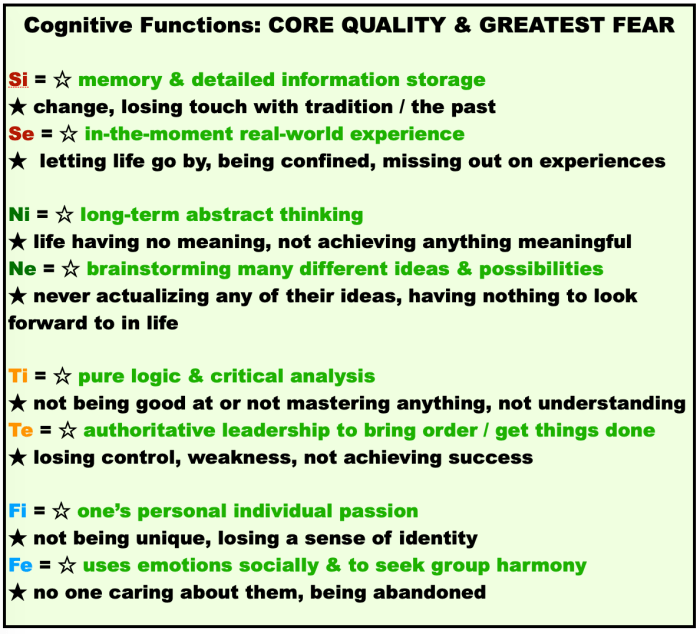
★ Si : The Instructor – Practical Intel.
Inner Dichotomy STACK Preferences
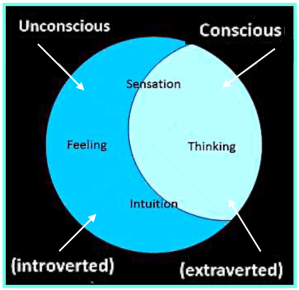
A PERCEIVING Function – They (S & N) are considered “irrational” because they’re the type of info we take in from the world, considered an unconscious preference. If the brain is a hard drive, perception is input.
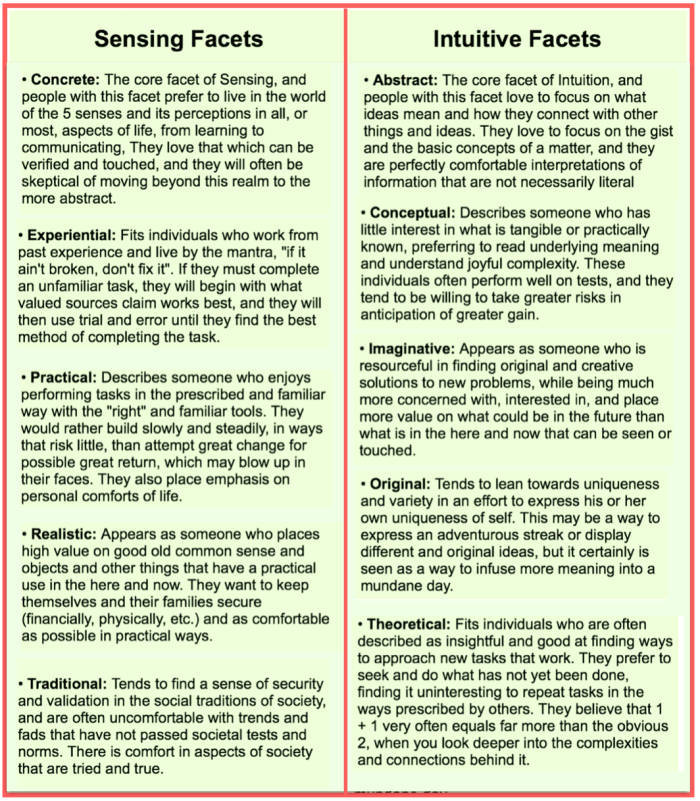
S – SENSING (Simplicity) S-types gather data in the physical world, through the 5 senses & concrete details. Info is to be experienced.
EXP: Likes/Dislikes the smell of pies
Se – Extroverted SENSING, directed outward
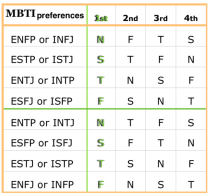
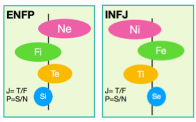
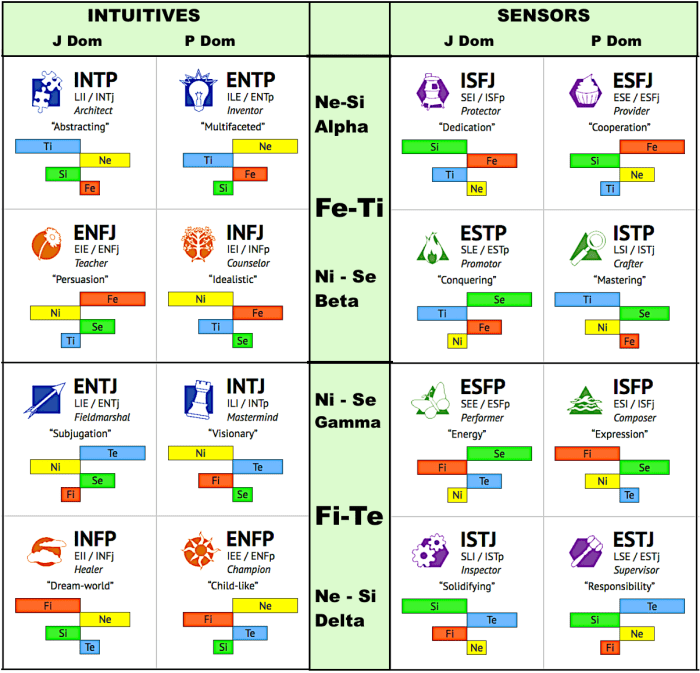
As DOM : ESFP & ESTP // As AUX : ISFP & ISTP
Nicknames: Experimenting, Sensations
Spot them by: Being quick to act, aware of the environment. Acts on concrete data in the here & now.
Trusts the present, then lets it go.
Q: “What is happening right now & how can I experience it?”
Potential STRENGTH: adventurous, fun, spontaneous
Potential WEAKNESS: reckless, shallow
Basic Desire: Live in the moment, experience life
Se perspective: Sensation, Realism – “Something’s happening right NOW!”
Se is about exploring new sights, experiences, tastes in the physical world, & to keep up appearances. Looks to be what can be experienced tangibly. Gathering of ‘what is’, SO – Likes/Dislikes the smell of pies, based on the smell itself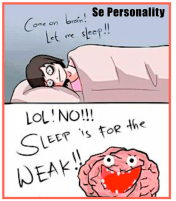
IMAGE: Like a camera, recording everything around it, fully taking in every detail
GIFT: Hands-on practicality
Physically: As Dom – visibly every present, looks natural wherever they are. Calm in tense situations, smooth body motions
• Se Dom types are highly attuned to their environment, constantly scanning their surroundings
• Se Doms are almost always present & engaged when in conversation, unless something in the immediate environment is distracting
• Se users tend to be ‘up for anything’, & don’t mind changing or going with last minute plans.
THEY:
• may be more physically ‘wired’ than other types, so have trouble sitting still
• tend to make very direct observations about people & situations – not beating around the bush – & are masters of saying what everyone else was secretly thinking
• enjoy slapstick or ‘obvious’ humor
• enjoy the ‘finer things in life’, can be particularly attracted to expensive gadgets or high fashion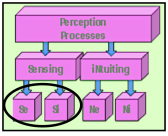
• These types usually advocate ‘Just going for it’ – following gut instinct & approaching what you want directly.
===========
Si – Introverted SENSING, inner directed
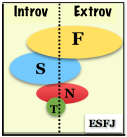
As DOM : ISTJ & ISFJ // As AUX : ESTJ & ESFJ
Nicknames: Recording, Memory
Spot by: Having Past experiences, knowledge. Compares present facts and experiences to past experience.
Trusts the past. Stores sensory data for future use.
Q: “What was before, & how does that apply now?”
Potential STRENGTH: loyal, consistent
Potential WEAKNESS: hesitant to change, unadaptable
Basic Desire: Remember the past, make memories
Si perspective: Memory, Past –“Something happened yesterday”. Si is about routines, habits, preserving the “tried and true” traditions. Its framework is built on of previously experienced physical info, based on what’s been proven true in the past. A collection of ‘what was’, SO – Likes/Dislikes the smell of pies, based on how it relates to past experiences.
IMAGE: Like a calculator, having all the info it needs, stored within itself, & it remembers
 GIFT: Prudence, Sensitivity – the ‘equalizer’ in extreme situations
Physically: As Dom – level stare, posture restrained. Use whole mind to review past events
• Si users have excellent memories when it comes to specific facts and occurrences and will usually remember things you’ve mentioned only in passing.
• Si users tend to place a higher value on tradition, social conventions and status than other types.
THEY:
• are incredibly detail-oriented, & usually ask for specific clarifications in conversation (“Where did you meet up? What day?”)
• are uncomfortable with the ambiguous, so in conversation they prefer providing relevant facts to speculation. EXP: when discussing possibilities for the future, they’ll point out what has happened in a similar situation in the past
• enjoy plans that are predictable
• These types usually advocate using tried & true ways, referring to the available facts on a subject, assuming the future will resemble the past
NEXT: Intuiting















 HEAL & GROW for ACoAs