
 PREVIOUS : Childhood PLAY – STAGES (Part 2)
SITEs : “Playground support plans” (for kids who are uncomfortable w/ play)
✦ Playtime Is Over!
The modern demand to constantly pretend-play with our kids is exhausting. Is there a better way?
PARENTAL INVOLVEMENT
♦︎ Parental involvement in a child’s play is vital for their development. According to Yale University, encouraging children to play greatly boosts cognitive & socio-emotional skills, even in a disadvantaged environment. Using household objects, interactive toys, crafts & books encourages deep & wide imagination.
♦︎ It strengthens the parent-child bond. Playing together creates a safe space for children to express their feelings & reduces stress.
♦︎ Interactive play builds resilience, improves language & problem-solving skills. It also helps promote fine and gross motor skills (Johns Hopkins Medicine.
The most effective approach balances gentle guidance with giving the child control over the experience. Parents are (normally) a child’s first and favorite playmate, & playing with them makes the child feel important & valued. At the same time, parents shouldn’t be their child’s only ‘toy’ (symbiotic attachment), as it would prevent learning to socialize with their peers.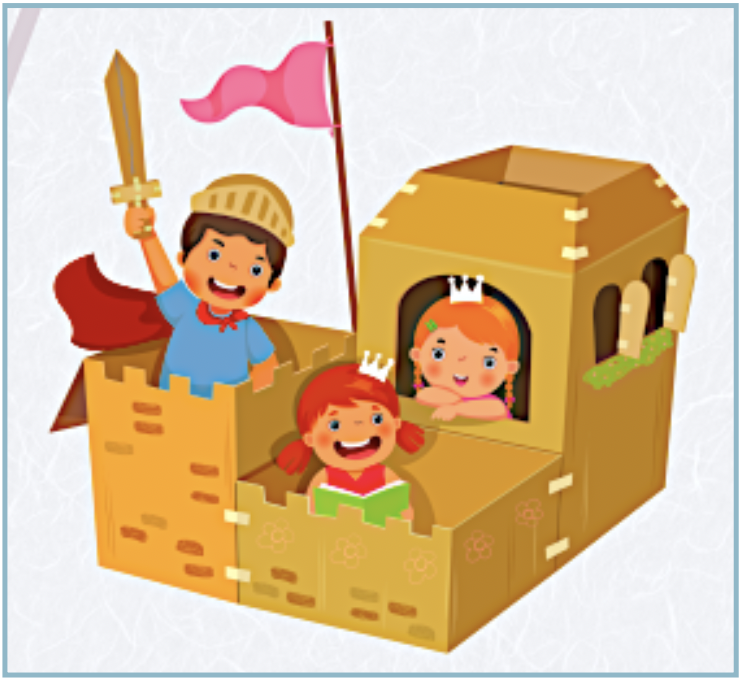
Children also need unstructured free play. Stanford University research highlights the importance of allowing kids to take the lead, which helps build self-sufficiency.
They greatly benefit from independent play, & as they get older they often prefer to do things with peers, because most adults forget how to really ‘let go’. Supervision is important for guidance & safety, but hovering is boundary invasive, & controlling how the child plays (making the goals & rules) inhibits their development – and fun.
• Children usually imitate adult actions, both good or bad, learning how to be a grownup. It’s absolutely essential that they’re gradually allowed to become autonomous – not thru neglect but with balanced guidance. Loving support & play gives them a chance to become independent, self-directed & self-sufficient. Without that opportunity, it’s much harder for adults to develop these traits, to keep themself entertained in healthy ways, or to be playful with their own children.
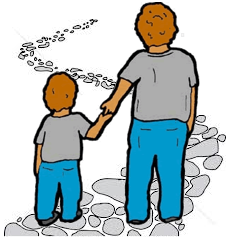 Parents can:
• encourage experimenting and allowing mistakes. Learning is a process not an outcome!
• get to know & understand their child’s interests, emotions, way of thinking (processing info) & learning style (visual, auditory, tactile…)
• have their own chance to relax as well. Active involvement in a child’s imaginary world lets adults forget the stress of the real world and enjoy the ‘now’.
• help the child process or vent emotional frustrations it may not be able describe verbally yet, but can re-enact in play or story form
• see how their child reacts to success, failures and obstacles, & help them deal with disappointment or loss
• successfully form a special bond with their children
• teach the values parents find important, that will influences the child’s attitudes & behavior at home, in school & with peers
Parental Roles (by David Fernie)
♚ Create a playful atmosphere. It is important for adults to provide materials which children can use to explore and adapt during play.
♚ Play with children when it’s appropriate, especially during their early years. If adults pay attention to and engage in children’s fun time, children get the message that play is valuable.
♚ Value children’s play and talk to them about their activities. Adults often say “I like the way you’re working,” but rarely, “I like the way you’re playing.”
♚ When play seems to be stuck or unproductive, offer a new prop, suggest new roles, or provide new experiences, such as a field trip.
♚ Intervene to ensure safe play. Even in older children’s games, social conflicts often occur when they try to negotiate. Adults can help when children can’t solve these conflicts by themselves (Caldwell, 1977).
Adults should identify the type of activities that have led to problems for specific children. They should check materials and equipment for safety. Finally, adults should make children aware of any hidden risks in whatever physical challenges they set for themself.
ARTICLES: √ Re. Involvement – “Parents’ Roles in Child Play”
√ Against – “Leave those kids alone!” The idea that adults should be playing with their kids is a modern invention — and not necessarily good
√ Rebuttal – “Should Parents Play With Their Children?”
NEXT: Childhood Play STAGES (Part 2)

