
 I’M SAFE IN MY IVORY TOWER – so you can’t touch me
PREVIOUS: BLAMER Role
3. COMPUTERS (C) – a Twisted form of Intellect
STYLE: About 15% of the population uses this defense
✶ At first glance they may seem poised & self-assured, but do not mistake them for someone who is centered, grounded & calm. If they were, Along with being fun of info, they’d also radiate presence, warmth, & compassion. Instead, Computers make others feel put off, cold & distant
THEY :
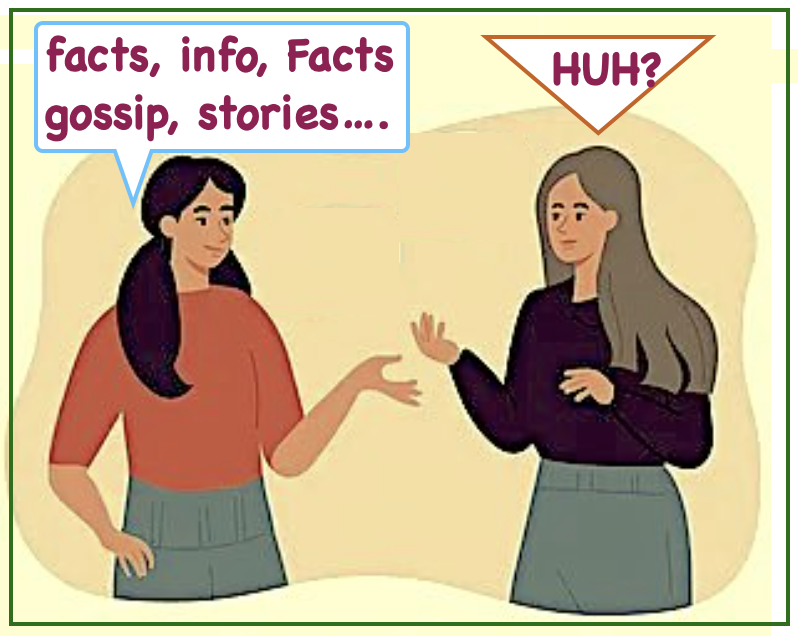
• are detached, like a machine, talk in a monotone or boring delivery
• are always thinking, evaluating, holding back, reserved, self-protective
• always very correct, very reasonable, very logical & in control – called Mr Cool or StarTrek’s Mr Spock by NPL-ers
• can sound like a dictionary, need to use the ‘right’ words as buffers to hide inner feelings
THEY :
• continually stay in teaching mode OR withdrawn into contemplation
 • deflect any personal responsibility, always dissociated from what’s going on around them
• deny the value of everything except ‘facts’ & logical decisions
• focus on & prefer the context of a situation, removing the human element
THEY :
• generalize, omit/ delete relevant parts of a thought, use long abstract words, speak in the 3rd person (“Someone needs to do it”)….. especially when questioned or confronted
• never let anyone know what they think or are up to, never commit to a definite position, afraid to make a mistake or not knowing something
• often make value judgments without indicating whose opinion it is, implying that = naturally everyone would agree
Unfortunately considered an ideal for men who are generally discouraged from experiencing & expressing emotions, so Computers work hard to appear super-cool on the outside, even when churning like mad on the inside.
Suitable for accountants & bureaucrats.
Energetic Description (from Dr.MJ Bulbrook)
 • block out others & the situation they’re in, by creating rigid boundaries. Personality is undeveloped & has energy holes. Spiritually Cold
• Potential harm to receiver: the shielding energy of the Computer is so strong it’s likely impossible to have an even exchange. Another’s opinion is not heard, or is over-ridden without considering the value of the other’s input
Statements: “I am ultra-reasonable, calm, cool & collected. I have all the answers. Rational thinking is superior to emotion. I say the right words, with no feeling, don’t react. Perhaps we should take a moment to step back & review the situation”
Stance: Auditory & digital cues (analytical, disconnected language)
• body is faced square on or may be tilted back a little, resting on rear leg
• head level, eyebrows slightly pulled in, arms crossed under chin to prop head up (like the‘Thinker’)
 • physically separate themself from any issue there uncomfortable with
• can take on characteristics of other Roles as additional protection
• experience tension in neck & shoulders
• sit rigidly, without moving a muscle – pushing away feelings & people
• talk to themself, only learn things by making ‘sense’ of them
Gain Power: by pretending to know it all & making the audience seem dumb. Similar to Blamers, since they both stress their superiority over others
Aim: to provoke envy & be seen as strong (hide feeling weak) so others will be drawn to ally with them
Reacting to a Computer: (via NLP) if you use a Blamer or Placating stance, they will switch to Blamer or Placater – the reverse of your strategy. Then you can recalibrate. The Distracter stance usually makes them worse
Reality: Computer types feel exposed when showing emotions, maybe because they have a hard time controlling their Es. They were probably shamed, blamed or emotionally overwhelmed as kids for having feelings
• When stressed, Computers desperately try to feel secure by intellectualizing everything, to stop from falling apart in case a real emotion ever broke through
Negative: • assumed to be cold-hearted & insensitive
 • bore people to numbness by pontificating & using abstract
language or cliches
• can’t connect emotionally in any relationships
• can’t give love or provide the other’s legitimate needs – causing many problems & end up isolated
• male Computers frustrate any attempts women make to communication feelings, & just can’t understand why “she’s getting so upset when I’m being so reasonable!”
Positive: A good person to go to when needing specific, detailed info on an topic (research, medical, school work, travel…), anything not emotion-related.
NEXT: Distracter Role


 HEAL & GROW for ACoAs