OUTGROWING Co-Dep Niceness (Part 5a)

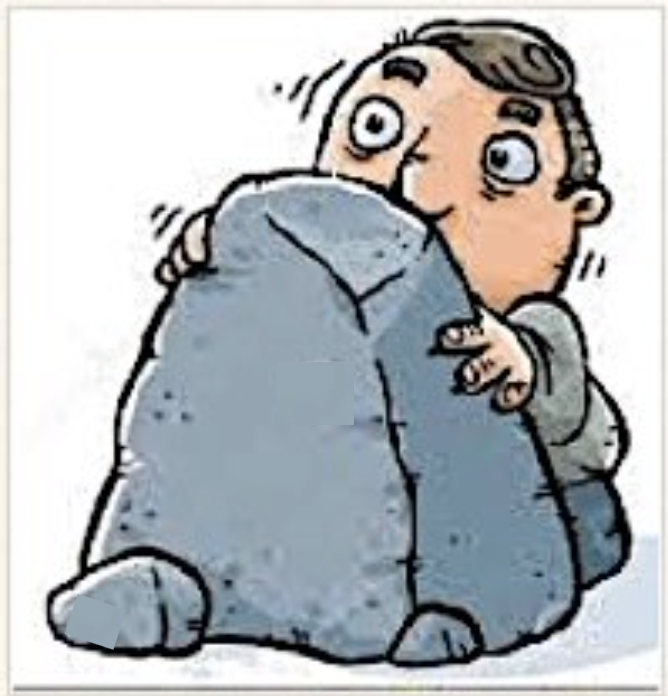
I DON’T KNOW
if I’ll ever be able to

PREVIOUS: Outgrowing P-P #3

SITEs: PMES forms of Self-Care
• 30 day challenge, to make changes


RECOVERY from “Too Nice Syndrome” (TSN)
cont.
TOOL 3. ASSERTIVENESS  //  TOOL 4. HAVING RIGHTS

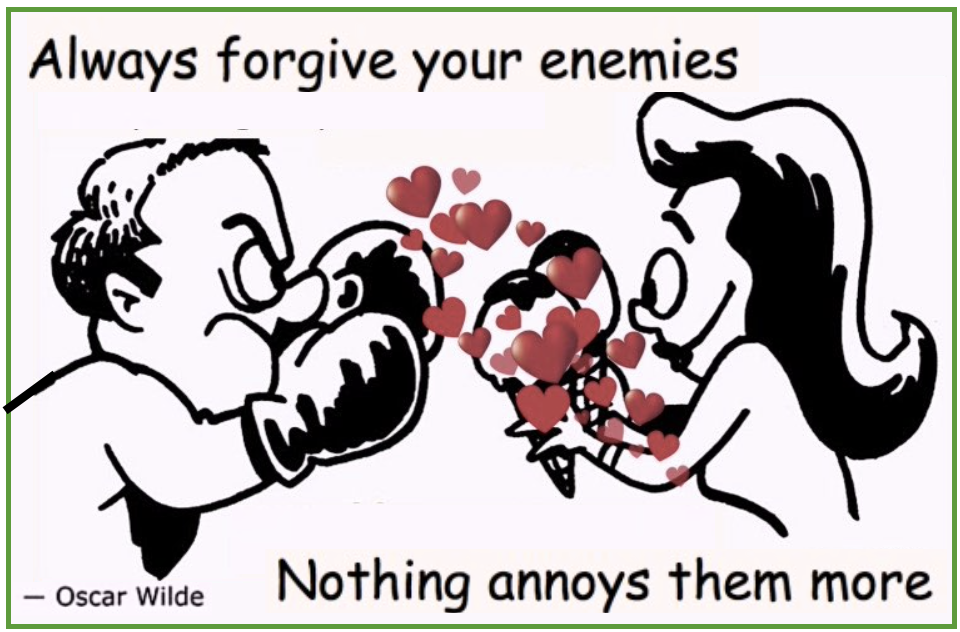
TOOL 5a. FORGIVING OTHERS
DEF:  a. LET GO of our anger  (Es= the emotion), & resentments (Ts= angry thoughts /obsessions) toward anyone whose offenses, flaws or mistakes have seriously injured us   (See “Letting go means….“), AND
b.  GIVE UP the desire to punish, seek revenge or exact payment

ACoAs
Mental health, Recovery & religious communities keep telling us we must forgive others in order to move on, insisting it must happen before healing can occur. This may be true for some people, but doesn’t really work for most ACoAs.
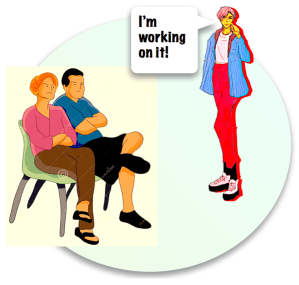
Forgiveness is important, but it’s not that easy to extend it to all the damaging & crazy mates, friends, bosses…. we’ve collected along the way, & especially not toward the adults who tortured & neglected us as kids.
There are things done to us that are – or seem to be – unforgivable.

▶︎ For ACoA angry-nice people forgiveness IS about ‘letting go’ – but not first. Instead, it is the outcome of the process of gradually releasing layers of old pain, combined with developing the UNIT, so we stop needing all those ‘unavailables’.

This takes a lot of time & effort, & maybe forgiving our abusers will never be complete because of the amount & intensity of trauma we suffered. But we are worth the effort to try, & that effort ends up benefiting every part of our life.

Not getting our rage out (& the tears underneath) is what keeps us stuck in obsession, which we’ve covered over with denial & then express as P-P angry-niceness. It will continue to plague us as long as we’re still desperate for their (unavailable) love & acceptance. AND the WIC wants the Perpetrators to admit what they did, to genuinely feel sorry & to apologize.

This rarely happens, so don’t hold your breath! Our anger is appropriate, but it must finally be vented safely, away from them, so we don’t have to keep carrying its corrosive effect. (“How to forgive” – even if they never come through!)
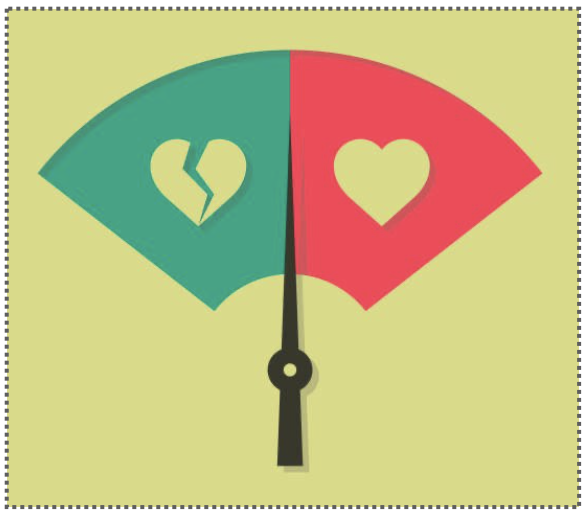
ACoAs go to one extreme or the other about almost everything.
As adult we’re responsible for our Ts, Es & As, but as angry ‘nice people’ (P-P) we’re afraid to admit our emotions & opinions. Instead, we take on the burden of other people’s feelings, especially if we love or need them, & especially if they’re acting needy or aloof. This comes from a set of opposites, a double message that becomes our bind :
❗️ the WIC’s narcissistic desire to symbiose (be the same as me), AND
❗️ the compulsion to escape from being ourselves (from S-H)

So, as long as we’re being run by the wounded child,
✐ we either refuse to even consider letting go (forgiving), or
✐ we’re too easy on everyone who hurt us.  The co-dep’s “High Road” is more likely a way of staying in denial than of being emotionally free.

► Forgiving requires some mental/emotional distance from our wounds, BY HAVING:
🔅 done enough venting of our old pain in safe ways
🔅 had our childhood experiences validated by people who understand
🔅 gotten enough correct info so our thinking is clearer
🔅 good enough boundaries so we can take care of ourselves
🔅 developed a healthy Adult to be more in charge of our choices
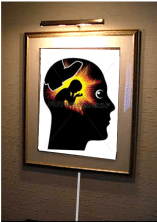
A VISUAL : We can think of our many painful memories as a series of pictures in a large gallery in our head – each one with an art lamp over it, the cord plugged into the wall at the baseboard. For us – the light is all the emotions attached to each memory, plugged into our nervous system.

A little at a time, by crying, raging, talking thru traumatic events, & being validated –  in safe places – the plug gets pulled out of the wall. We’ll still be able to see the images, but they will be in shadow because much of the pain will be gone. THAT is letting go. That is the forgiveness that benefits us.
AA saying : “Look back but don’t stare.”

NEXT: Recovery – Forgiving ourselves (#5b)

ACoAs Being Controlled (Part 2)

whisper controlI JUST KNOW SHE HATES MEshe didn’t even look at me today

PREVIOUS: Being Controlled (#1)

REVIEW posts: “Noticing Painful Events

SITE: Over-controlling Parents Irritate Adult Children


Our PARENTS still control our thought & emotions now IF we
:
• feel guilty & afraid when we want to reduce contact with them or sever it all together
• spend time or talk to them more from obligation than choice

• find it hard to be emotionally separate from them (feel their Es for them, care too much, assume you know what they need…)

• FEEL intimidated or belittled by how they treat us:
— afraid to express our true E. & opinions to them
— get tense even thinking about being around them
scared— confused by their mixed messages & double binds
— feel disloyal when we act or feel differently than what they want
— easily annoyed or impatient with them without knowing why

RESULTS of being over-controlled as a child, NOW WE :
Emotionally
• expect everyone to hurt, judge or take advantage of us
• feel chronically empty or numb inside, easily bored, restless
• frantically try to avoid real or imagined abandonment – by clinging, people-pleasing, being invisible….
• are intimidated by or feel enraged at controlling people
• experience temporary dissociation (splitting), disconnecting from self or others
Mentally / Socially
• feel like we’re always under scrutiny – even when alone
• perfectionist, driven, rarely satisfied – especially with ourself
• keep isolated from shame & so ‘no one can hurt or leave us’
• lose ourselves in relationships by only considering others’ needs
• over- & then under-value people we get too close to
• find it hard to relax, laugh or be spontaneous

We HAVE:
Emotionally / Spiritually
• mood swings not caused by bipolar disease
• inappropriate & intense anger; difficulty controlling our temper
• trouble asserting ourself or feeling proud of our accomplishments
• trouble finding a spiritual belief, or one that feels right

Mentally / Behaviorally
• chronic obsessive thoughts, without trying solutions
• confused or distorted self-image: “Who am I really?” , “What do I really look like?” (ugly, fat, too thin too short….)
• paranoid thinking – as a regular way of experiencing others
WITH
• harsh “inner critics” that torture you, especially after a loss
• impulsivity – can’t control our choices & reactions
• compulsive self-damaging behaviors in 2 or more areas of life (eating disorder, addictions, fights, under-achieving….)
• recurring suicidal thoughts or tries

Present-day CAUSES of ‘Abandonment’** PAIN 

• Abusive mate, adult-child, boss, friend, elderly parent
• Inaccurate, harsh, judgmental & prejudicial religious beliefs & leaders…
• Loss of a real or imagined beloved person, animal, thing or place
• Unkind or threatening communications (in any form)
• Unfair or abusive political & social laws, policies, rules.
** Technically, adults cannot be abandoned, unless they’re physically or mentally incapacitated, so the term mainly applies to children.
🦋
MEN & CONTROL
Men who are unconsciously ruled by their unresolved Abandonment (A.) issues are fearful & insecure. They often use rage as a way to cover this up, since they know something’s wrong inside, but don’t know how to or refuse to uncover & deal with it.
In many cultures men are ‘allowed’ to be angry rather than sad, hurt & vulnerable.
Using the male stereotype of maintaining power, they may:
• be charming & clever, but manipulative & self-centered
• withdraw from everyone, to control themselves
• control others by verbal, physical, sexual or psychological abuse …. to transfer their emotional pain onto others.

WOMEN & CONTROL
Woman usually have a greater capacity for awareness of their emotional states than men (see post on DIFFERENCE between M & F brains), but still need to learn how to handle them appropriately.  When unresolved A. issues overwhelm, women who haven’t learned to be in charge of their inner turmoil will instead turn to the external world for things they CAN control :
• themselves – weight, clothes, shopping, obsessions, self-harm, chemicals…..
• others – jealousy, over-protectiveness, bossiness & nagging, fixing…..
Also, to ‘manage’ their pain they’re more likely to find others to hurt them. But while playing the victim role they can still do a lot of damage, to other adults & especially to their children.

BOOKs by J. Ray Rice:  “Thank You for Loving Me…” (originally for teens in treatment for Abandonment) and “What I Must Give Myself – First!”

NEXT: ACoAs being Controlled (#3)

ARE YOU AN ACoA?

WHY AM I THE WAY I AM?
From being raised by alcoholics,
ACoAs & other narcissist!


50 Qs: A Self-evaluating List for Adult-Children of alcoholics, abusers, abandoners….
Answer: Y = yes, N = no, S = some, D = don’t know

DO YOU…?….
___find that you seek out tension or crisis, & then complain about it
___become anxious around angry people or authority figures
___defend or excuse people when they abuse you, implying you deserve it
___get locked into a course of action without seeing alternatives or outcomes
___react to people & situations, instead of choosing your responses
___worry that your emotions may overpower or hurt you, or others
___tend to lie or exaggerate, when it would be just as easy to tell the truth
___find the needs & wants of others more important than your own
___prevent yourself from experiencing the joy of your successes
___frequently anticipate that situations or life won’t work out for you
___isolate yourself when problems arise, or when you ‘feel bad’hiding
___find yourself in one or more survival ‘roles’ (hero, lost child…)
___mistrust your feelings, thought, perceptions
___tend to see issues in life as B & W, right or wrong
___have a fear of abandonment, especially when criticized
___strongly criticize yourself when not being perfect
___defend or excuse people when they abuse you, implying you deserve it
___get locked into a course of action without seeing alternatives or outcomes
___react to people & situations, instead of choosing your responses
___have trouble relaxing, playing, having fun
___had trouble with close, intimate relationships
___feel responsible for the feelings & actions of others, & try to fix them
___stay in relationships even tho’ you’re being constantly hurt, neglected, lied to, manipulated, hit… not getting any of your needs met
DID YOU…?….
___fight with your family members over a parent’s drinking
___your parents make promises to you & then not keep them
___lose sleep at night due to a parent’s drinking
___take on some of the jobs or responsibilities belonging to your parents
___ever get sick, or worry a lot because of their drinking
___ever do anything to prevent your parent’s drinking
___always believe that no one knew your parents were drunks, when you were growing up
ARE YOU…?…
___able to recognize situation that you have no control over
___super responsible or super irresponsible
___unable to work thru crisis & conflict, or do you aggravate it
___seeing a pattern in your relationships similar to your family of origin
___unable to enjoy your successes & accomplishments
___afraid others may ‘find out’ you’re not good, or that you’re a fraud
___afraid of your emotions, & afraid to express them   get help
___unable to complement yourself
___ashamed of or feel guilty for being who you are
___afraid of going crazy, or becoming a bag lady or bum
___uncomfortable with your life when it’s going smoothly
___unable to ask for help, or do so apologetically
___constantly seeking approval from others
___uncomfortable with being liked, admired, approved of
___always mentally looking over your shoulder to see if you’ll be punished
___out of control with: food, chemicals, work, sex, spending, exercising…
HAVE YOU…?…
___been blaming everyone else for your life’s problems
___staunchly defended your parents’ ‘innocence’ in hurting you as a kid
___had trouble following thru on projects, or never finishing
___tried to hide the fact that your parents drank a lot, beat you or others in the family, incested you or your siblings
___concerned about your mate, children, friends’…use of chemicals
___developed fantasy beliefs about how loved ones may treat you some day
___considered what ‘normal’ is, & believe you’re not
___found yourself sabotaging your success & then feeling ‘more alive’
___been loyal to others (parents, siblings, lovers, children, friends, employers) – even tho’ your loyalty was undeserved, unjustified, un-returned
___been fired more than once & never really understood why
___* learned to have dialogues with your ‘inner child’, & consistently take care of yourself in loving ways ?
♥                            ♥                            ♥
IF you’re even taking this test, it’s likely you come from a damaged, angry, abusive, traumatic, neglected, unhappy backgroundanswers
TOTALS:   ____Yes   ____ No   ____ Some  ____ Don’t Know
IF you answered YES to:
✶ 10-20, you’re either not an ACoA, in denial or in long-term recovery
✶ 20-30, you’re a co-dependent, even if there was no alcoholism in the family
✶ 30 or more, you’re definitely an ACoA (adult-child of alcoholics and other narcissists), which includes mentally ill &/or narcissistic family members

• If you said NO to Qs in the ‘DID YOU…’ section, but still scored high, there may be alcoholism/ drug addiction in some other part of your family, even if you didn’t experience it directly
• You may also be an active addict, yourself – alcohol/ drugs, food, money, sex, relationships…

Look thru this blog (2010 – 2016) and go to Heal & Grow SITE MAP – for info covering issues in this questionnaire at: http://www.acoarecovery.com

• If you are not yet in Recovery from your childhood trauma & present day difficulties, you can seek out 12-step Programs. THEY’RE BASICALLY FREE, & are available on the internet & by phone, for anyone not able to get to these meeting in person.  See pg 55 or some of the 12-step groups.

• Also, there are many recovery books, site, blogs & of course therapy, with someone very familiar with ACoA / addiction issues.
✶  If you are in Recovery, keep up the good fight. It pays off! I know because I’ve been at it for 35 yrs, & it works.

NEXT: Variations of the L.L.