HARMFUL ‘innocent’ Parental Phrases (Part 1)


PREVIOUS: Alan Sayings #5

SITE: “13 Things You Should Stop Saying to Your Kids Now”

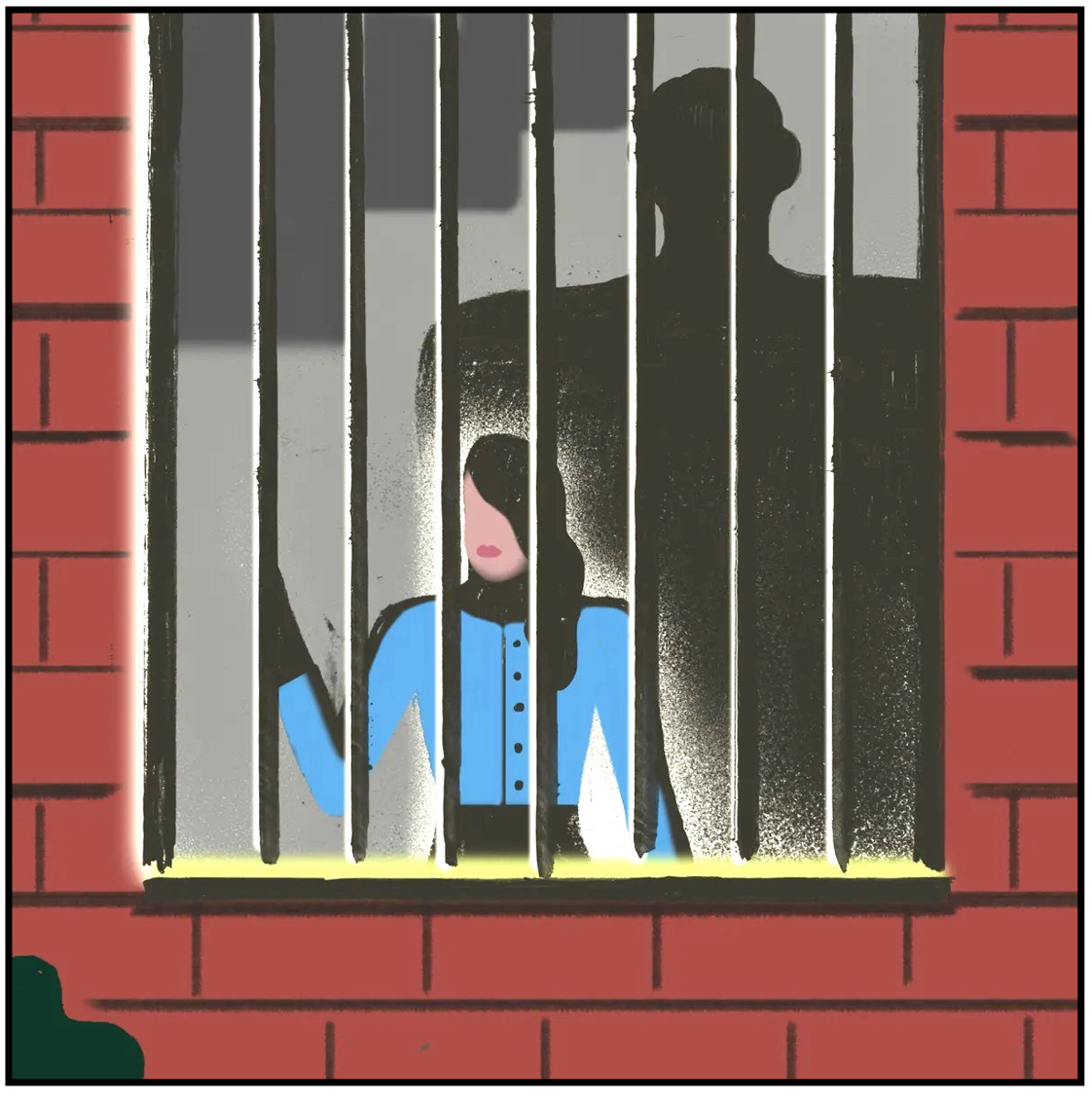
According to the American Psychological Association (APA), in the long run psychological abuse in childhood can be just as damaging as sexual or physical abuse.

To shed some light on what “innocent” comments actually hurt,  author JULIETTE VIRZI – turned to the mental health community at ‘The Mighty” for suggestions ➡️.

It’s important to remember that what may seem innocent or teasing comments to some adults are actually hurtful or abusive to children. No matter what anyone thinks, your feelings are valid, & you deserve support. The following are phrases you too may have heard growing up. They’re listed here by the people who suggested them.

1. ‘Children are meant to be seen, not heard.’
“Appearances were important – my thoughts, emotions or opinions were not.” — Keisha D.

2. ‘If you don’t behave, no one will love you.’
As a child, my dad & stepmom said so many hurtful things, & this one caused the most damage. To this day, some 40 years later, I still believe I’m unwanted & unloved, especially if I do something wrong.” — Tammy Z.

3. ‘You’re not the daughter I expected.’
“My mom said this constantly. I’m adopted, so it was heartbreaking, making me even more depressed & anxious. I don’t talk to her anymore. If I’m not wanted, I’ll stay away.” — Benedicte V.

4. ‘Never be a burden to anyone.’
“This seemed like good advice, but I grew up keeping everything to myself, & trying to help everyone. When someone did something nice for me, I felt obligated to reciprocate, not wanting to be a burden, thinking I was a burden.” — Florence N.
5. ‘Don’t be so dramatic.’
“This was said every time I expressed any emotions not pre-approved by my stepmother. I repress them to this day because of that instilled fear.” — Lea L.

“Throughout my entire childhood whenever I expressed emotions, I was told I was ‘being too dramatic,’ so when I was abused & assaulted, I couldn’t tell my parents. It’s affected my entire life, struggling to express emotions because of it.” — Natasha A.

6. ‘Sometimes I wish I never had you kids.’
“My mum told me as well as my brothers & sister.” — Christina F.
7. ‘You’re my perfect child.’
“My mom favored me over the other 4 kids.” — Brooke L.

8. ‘Why can’t you be more like your siblings?’
“- like my sister. But we’re very different people. Mum was very controlling of my looks until I got a job & could do what I wanted. Then she lost control.” — Sarah W.

9. ‘It’s like you don’t want to be happy.

“‘You can choose to be happy, you just don’t want to.,’ said my mom while I was trying to ask for help during a suicidal episode.” — Darian K.

10. ‘You should be thankful.’
“It’s what my mother tells me every time I have depressive episodes: “You survived college. You’re abundant with food, money and shelter. You have us. Your sisters actually love you. So, there is nothing to be depressed about! You’re just brokenhearted because someone you like just rejected you.’

Yes, it may seem harmless to anyone, but for me, even though I have everything, depression is still there & won’t go away just like that. I’m sorry.” — Pamela J.

11. ‘You are the sorriest youngin’ that ever lived.’
My Mama even said this on my wedding day. I responded, ‘That’s OK because after today you won’t have to worry anymore!’ Some years later I confronted her with this & she said, ‘Well I was just joking, couldn’t you tell I was joking?’ I was a child. How was I supposed to know?” — Marsha S.

12. ‘You’ve always been so difficult.’
“I heard this anytime there was a difference in opinion.” — Marie V.

13. ‘You’re really filling out your bra now, aren’t you?’
“‘You’re a woman now. You know what that means, right?’ my dad said when I got my first period at his house, at age 9. Followed by, ‘You sure are filling out your bra…’
Every weekend thereafter for the next 3 years.” — Kristy B.

14. ‘That’s silly, you shouldn’t feel that way.’
“When I was a child (& still as an adult), when I’d get the courage to tell my mom how something she did / is doing made me feel, she’d say, ‘That’s silly’ & proceeded to tell me why I shouldn’t feel that way. It made me feel bad then & even worse now, so I’ve stopped telling her things.” — Jen D.

NEXT: Parental Phrases – Part 2

Al-Anon SAYINGS & Info (Part 5)

PREVIOUS : Sayings #4

SITE: LIFELINE (Al-Anon newsletter, CONN)  


SPONSORSHIP
It’s a confidential relationship between 2regular’ Al-Anon members (no experts), who benefit from sharing their Experience, Strength & Hope. It’s focused on Al-Anon Principles, which are the 12-Steps & Traditions of AA.

The private information exchanged encourages acceptance, compassion & understanding. Making a commitment to this special relationship OR letting go of – a specific sponsor or of a sponsee – is a matter of personal choice, on either side. It’s legitimate & appropriate to end a S-S relationship any time it’s not working.
New-commers may not always know who to ask, & it may take a few tries to get the right combination. This is normal is real-life as well.

Usually the Sponsor is a long-time member with good ‘Al-Anon sobriety’ who helps a newcomer navigate the early stages of Recovery, which can be very painful & confusing.
However, 2 long-timers can be very helpful to each other in dealing with both old & new issues as they surface. Age does not matter, but it’s suggested that it’s best to be woman-to-woman & man-to-man, although straight-woman-gay-man can work very well.

The standard format it that a sponsee calls their sponsor at an agreed time of day,  generally for 15min. 4-5 times a week, more if it’s an emergency.  ‘Older’ members can call each other as needed.  The sponsor can listen to their pain & frustration, but the goal is to help the sponsee learn to think with mental clarity & develop emotional ‘sobriety’, using Al-Anon tools.

Al-Anon SAYINGS

NEXT: Harmful Parental phrases #1

Al-Anon SAYINGS & Info (Part 4)


PREVIOUS : Sayings (Part 3)

SITEs : The 3 Legacies of AL-ANON

✿  1,500 year old history of the 12 Steps (of Humility) – Written by a hermit mystic monk in 520 AD

Al-Anon is for anyone affected by someone else’s addiction.
This usually means alcohol, but can include drugs & gambling, as well as unhealthy use of food, exercise, money, raging or sex, in an addictive way.
Even without active alcoholism, any Al-Anon members grew up in families with these & other severe stressors (beating, incest, mental illness, severe narcissism….) & so are also ACoAs.

At first (1960s, 70s) most 12 Step fellowships believed we couldn’t look at parental behaviors without falling into blame, rage & self-pity. As a member of AA, who also attended Al-Anon, Tony A. disagreed. He realized we can’t find clarity or peace until we identify what our family system has handed down to us – but without blame & shame.

The unhealthy beliefs & behaviors we absorbed as children became deeply embedded in our spirit, & the defenses we had to form were so much a pair of us that we assumed that’s just the way we were. Not so.
Al-Anon shows us that with much support, we can take a blameless, honest inventory of our parents & ourselves (4th Step). It allows us to separate who we are from who they were, so we can move beyond our programming, & freely choose what’s best for ourselves.

Tony’s Steps focus on gentleness, self-love, self-forgiveness & healing – in safety. They were included in his 1991 book, The Laundry List: The ACoA Experience, after years of refining.


NEXT: Sayings #5

Al-Anon SAYINGS & Info (Part 3)


PREVIOUS : Sayings (Part 1)

SITE :
The 12 Steps Illustrated


Al-Anon recognizes that for many of us who love an active addict, codependent & enabling behavior can be difficult to quit.  Addicts tend to be emotionally abusive, deceitful & manipulative, in order to keep feeding their addiction.
When you love someone & want them to be happy, you may provide them with money, housing & other needs whether they can support themselves or not!

Unfortunately, making it easy (enabling) for someone to continue abusing alcohol will only prevent them Recovering & building a productive life. Attending Al-Anon meetings & sharing your stressors & confusion can help:
— identify behaviors that may be harmful to your loved one’s healing, and
— also work on your own emotional obstacles to personal growth.


NEXT: Al-anon #4


Al-Anon SAYINGS & Info (Part 2)

 PREVIOUS : Sayings (Part 1)

SITEs :
The RECOVERY SHOW
sayings, quotes, proverbs

LISTEN HERE
(re. Al-Anon & AA)


❣️ The core of Al-anon is about helping anyone who has been affected by someone else’s alcoholic drinking. This can be a family member, a friend, a boss… even the crazy drunk in the neighborhood.
Attending 12-Step meeting allows us to hear similar experiences from others, share our own (when we want to), deal with our own inner pain, as well as share our triumphs & successes as they occur.


NEXT : Al-anon #3

Al-Anon SAYINGS & Info (Part 1)


PREVIOUS : Affirmations

SITEs :
AL-ANON & AlaTeen info

✴️Lois Wilson’s Story


Al-Anon Family Groups is a “worldwide fellowship that offers a program of recovery for the families and friends of alcoholics, whether or not the alcoholic recognizes they have a drinking problem or seeks help”.

Al-Anon sayings & slogans may seem trite to some people – at first. But over time we find they’re very helpful, especially in times of great stress. Then we find they’re very useful & comforting.


SERENITY PRAYER  –  See Post “Backwards”


NEXT: Sayings #2  

Positive AFFIRMATIONS

PREVIOUS : CORE VALUES

SITE:
Using Affirmations : Harnessing Positive Thinking


ACoAs: For those of us who don’t like using other people’s words, and who don’t want to be told what to think – work up a list of your own beliefs & attitudes that you want to grow into. Then copy it & plaster it up everywhere!
(Sneak a peek at these anyway 🧐 )

For the rest of us – enjoy :

🦋   🌺  🌴

🌈   ☀️   💫love affirmations
NEXT
: Identifying Narcissists, #1

PERSONAL CORE VALUES

PREVIOUS:
Lateness #2

SITE : LIST of 400 Values (click on each word)


Verb:  To Value = Process of identifying the merits of an entity or concept within a structured system
Noun:  The Value = result of that evaluation.

VALUES (social & moral principles) are the reasons people give for their attitudes & actions. They’re what we believe to be good or bad concepts, & therefore what should or should not be done, based on them. (See list…..➡️ )
EXP: Someone is considered an effective leader if they express ‘spiritual values‘ such as honesty, humility & integrity

Generally, we get along better with others on the basis of matching values, than on matching personality types.
👍🏽 Values are the markers by which we gauge personal development. Reasonably healthy people try to consistently align their actions with their values, which minimizes hypocrisy. So when they notice a discrepancy between the two, it can motivate them to make positive changes.

Whenever you’ve achieved big or small things that you’re pleased with, you can know it’s because you’ve lived up to 1 or more values that come from your core.
This skyrockets self-motivation, since you’re focused on what’s most meaningful to you. Building dreams & actions that way will prove how much you can accomplish.

CAUTION: If our accomplishments are motivated by someone else’s value(s) (parent, leader….), then the goals we pursue in life will also not be ours, whether positive or negative, whether they suit us or not. This will always leave us insecure & dissatisfied.

Note for ACoAs : In spite of the hypocrisy, lying & craziness of our childhood alcoholic household, most of us do have our own set of decent standards – part of the Healthy Inner Child – but we too often ignore or deny them for fear of disloyalty to the family & being cut off by them.

Remember, their damage has already caused them to abandon us – in many PMES ways. We just need to admit it & follow our own ethics.

10 Universal Values, in 4 Categories w/ 2 opposites
1. Conservation = motivation to preserve the status quo
vs. Openness = motivation to pursue newness
2. Self-enhancement = motivated by self-interest
vs. Self-trancendence = motivated to promote the welfare of others

◆ Achievement: Personal success through expressing competence according to legitimate social standards (suited to our personal type)
◆ Benevolence: Preserve & enhance the welfare of people who we’re often around (not P-P / Co-dep)

Conformity:  Restrain actions, inclinations & impulses likely to upset or harm others or violate social expectations or norms (using the UNIT)
◆ Hedonism: Pleasure or sensuous gratification for oneself

◆ Power
: Social status & prestige, legitimate control or dominance over people & resources (Healthy Responsibility)
◆ Security: Safety, harmony & stability of society, of relationships & self

◆ Self-direction: Independent thought & action – choosing, creating, exploring (emotional maturity)
◆ Stimulation: Excitement, novelty & life challenges

◆ Tradition: Respect, commitment & acceptance of the customs & ideas that one’s traditional culture or religion provide
◆ Universalism: Appreciation, protection, tolerance & understanding for the benefit of all people & nature  (MORE…. theories about these 10)

CHOOSE VALUES which are:
🌱 Consistent with your personal vision, mission & basic beliefs
🌱 Inspirational – they uplift & motivate to take on the day’s challenges, allowing you to fulfill your life’s purpose

🌱 Long lasting – needed to help develop your future, evolving as you mature but not following the latest fad
🌱 Meaningful & rewarding – express your True Self, therefore creating inner peacefulness

🌱 Provide guidance – help to make everyday decisions, especially with relationships
🌱 Unique – must ‘speak to you’, defining who you are & want to be. They must reflect your priorities & emphasize strengths while compensating for weaknesses.

Some Basic VALUES we already have, or can grow into (More….)

EXERCISE
Go thru the 400 words listed above, a little at a time, a few at a time. DO NOT let the WIC get overwhelmed!
Maybe pick a different ONE each day with your a.m. coffee, & just let it sit on the back burner to see if it fits you (or not), is like your family or not. Don’t push.

When you can, make 2 lists =
a. 5-10 values you already identify with & use
b. 5-10 you’d like to incorporate or enhance.  Change as needed.
If it helps, sub-divide them into PMES categories.
EXP: P = flexibility / M = curiosity / E = fearlessness / S = forgiveness
Once a week check to see how you’re enjoying the as, & if you’ve seen improvement on the bs of your Values lists. NO S-H allowed!

🤓 What each Enneagram Type VALUES most


NEXT: AFFIRMATIONS

Chronic LATENESS Styles (Part 2)


PREVIOUS : Lateness #1

SITE : I Broke My Lifelong Habit of Chronic-Lateness and You Can Too  
(seen as addiction, like alcoholism)


VARIATION on Lateness Types – from 
Diana DeLonzor’s “Never Be Late Again” AND Robert Bateman‘s “The Complete Guide to Being on Time”

The Absent-minded Professor
These people are easily distracted. Some ‘flakiness’ is thought to have a genetic basis, & can range from full-blown attention deficit disorder (ADD) to simple absent-mindedness. It affects punctuality in 2 main areas:
– the ability to stay focused on a course of action
– the level of awareness one has to the needs & feelings of others

People who are easily distracted are also likely to have trouble with other attention-related matters – losing track of time, misplacing keys, forgetting appointments….

The Crisis Maker
These put all their effort into getting as much done in as little time as possible. They pack each day to the brim with activities, because when swamped, their self-worth goes up a notch.
They enjoy the rush of the last minute, the race to the finish line. They even believe they perform better under pressure, but it’s actually a risky & destructive strategy.

Crisis-makers are adrenalin junkie/s, with “magical thinking,” consistently under-estimating how long each task will take. So they don’t evaluate & then plan out how much they’ll be able to get done in a specific time period.

EXP: Because they hate “wasting” time, they try to time arrivals to the minute, often resulting in lateness. They typically fall into THOSE WHO:
– crave stimulation, feel life is more enjoyable when there’s excitement & urgency
– use rushing to relieve & distract themselves from feeling boredom or anxiety

The Defier 
These people see punctuality as a form of systemic oppression, so lateness is an act of rebellion, shaking their fist at all forms of structure.
They feel compelled to break the little everyday procedures that make life work smoothly. Rebellious tardiness comes in 3 basic flavors: Competing for power, Resisting authority or Needing to feel special & unique

The Dreamer
They’re similar to the absent-minded, but not from faulty brain chemistry. Rather – it’s a form of dissociation, a vagueness about everything.
These people suffer from time delusion, seriously under-estimating how long a task will take or to get someplace – like the crisis-maker. But it’s more likely that their mind is on other things – maybe creating something grand, or solving a problem!

The Evader
Studies indicate that late-people as a group have lower self-esteem & higher chronic anxiety than on-timers. Because of these issues, they can feel an overwhelming need to control their environment – subconsciously assuming that if they can make themselves & their surroundings perfect, they’ll feel SAFE & therefore less anxious

The Indulger
Some studies suggest that this group has trouble with self-motivation – ranking lower in self-discipline &/or impulse control, with less ability to make appropriate, realistic sacrifices than on-timers.
Their lack of self-control is not only about time, but also affects other parts of their life. However, it doesn’t mean that latecomers lack all self-control, but many do tend to procrastinate when it comes to personal goals

The Love-Seeker
These come from dysfunctional families, where they never experienced acceptance, appropriate attention, validation & healthy love. So compulsive lateness becomes a continual test “Will you still accept & approve of me even if I’m late? If you do then I know you “really” care!’  (ACoAs & TIME)

The Perfectionist
They focus too much on small stuff, like needing everything to be ‘just so’ before they leave the house – such as still proofreading the footnotes of an assignment when the deadline has passed.
They need to stop missing the “forest for the trees.” Do you really need to rearrange the shoe rack before you walk out the door? Are you really going to prioritize washing up last night’s wine glasses over catching the bus?

The Rationalizer
These people have trouble admitting their chronic lateness, insisting it’s only occasional, & then only by a few minutes. Those who do acknowledge the problem find it very hard to own their responsibility, often blaming external factors such as traffic jams, the kids, busy schedules….

NEXT: Personal Values

Chronic LATENESS Styles (Part 1)


PREVIOUS :  NEEDS – 3 
Categories

SITE: The Uptighterati hate lateness: are we wrong? 


HABITUAL lateness comes with a HIGH PRICE

👎🏽 Missed opportunities. Not just worst-case scenarios like missing-the-interview-for-your-dream-job. It’s the whole range of lost opportunities by not being professional

👎🏽 Damage to your reputation. A showed that 46% of employees feel resentful toward their persistently late co-workers. And around have dismissed an employee for lateness

👎🏽 Psychological and Physical harm. Lateness causes stress, anxiety, guilt & shame (even in normal on-timers).
EXP: being late for an important meeting because of backed-up traffic (did you leave early enough?)

Lateness is an outrageous expression of arrogance,” says Anthony Warren, at Penn State’s Smeal College of Business.

More people prefer messiness, loud noises, even bad smells – TO late people. In a recent study from Randstad USA, 54% of respondents said others’ poor time management skills drove them nuts, second only to office gossip (60%).
Even late people can’t stand it when others are late, in part because from their point of view, meetings start too promptly.

Friedman and Rosenman divided people into :
Type As are ambitious, competitive & organized. They generally have lower rates of lateness, seeing time as a valuable resource, so are more likely to manage it effectively. Asked to estimate when a minute had expired, most Type As said it lasted 58 seconds.

Type Bs are more relaxed, functioning at a slower pace. They estimated the length of a minute as 77 seconds. Over the course of a day that will have a definite impact.

Samantha Grossman (2015 – her LIST belowwrites that Comedian Mike Birbiglia quipped “What late people don’t understand about on-time people is that we hate them.”
◆ To paraphrase Tolstoy, All early people are alike, but every late person is late in his own way.

🦠 The Deny-er: The person who walks in, hugs you hello & acts like their lateness just never happened

🦠 Eleventh-Hour Over-compensator: sends you a completely overdramatic paragraphs-long text explaining why they’re late

EXP
: “OMG I’m gonna be late bcuz a UNICORN was crossing the street so OBVIOUSLY I had to follow it but then my foot hurt so I had to stop and see why my foot hurt & then RYAN GOSLING walked by but it was actually a homeless person LOL so yeah I’ll be there in 45 mins maybe!”

🦠 The Empty Chair: who shows up late to an event where you’re graciously saving them a seat. Everybody gives you the stink eye, but you’re not the monster here

🦠 The Genetic Latie: who blames their personality for why they’re always late

🦠 The Hangry-Maker: who is so late that you say ‘screw it’ & start eating brunch alone

🦠 The Harried Commuter: who blames public transit or traffic every time they’re late. (Sometimes, yes. But every time? No. Build in extra time.)

🦠 The Interruptor: who comes into the movie right as it’s starting, distracting you from the important opening scenes and/or literally crawling over you

🦠 The Infuriatingly Relaxed Colleague: who rolls into the meeting 10 minutes late, holding a coffee that they clearly could have forgone in order to be on time

🦠 The Manic Pixie Procrastinator: who shows up, breathless, their whimsical flowy skirt fluttering in their wake, thinking their lateness is adorable & bohemian

🦠 The Over-scheduler: who is late because they were doing some other fun thing right before & you know because they Instagrammed it. BUSTED.

🦠 The Over-sharer: who always blames their lateness on their significant other. This typically involves an overly detailed story you’re then forced to listen to

🦠 The Pre-Liar: who texts you “almost there!” when you’re confident they’ve in fact just gotten out of the shower

🦠 The Post-Liar: who arrives late & says “Oh my God, I’m so sorry, the subway was delayed!” when you live in a town without a subway

🦠 The Spatially Incompetent: who is always late because they just can’t seem to figure out how long it takes to get from their apartment to Point B, even though they’ve lived there for three years.

NEXT: Lates, Part 2