
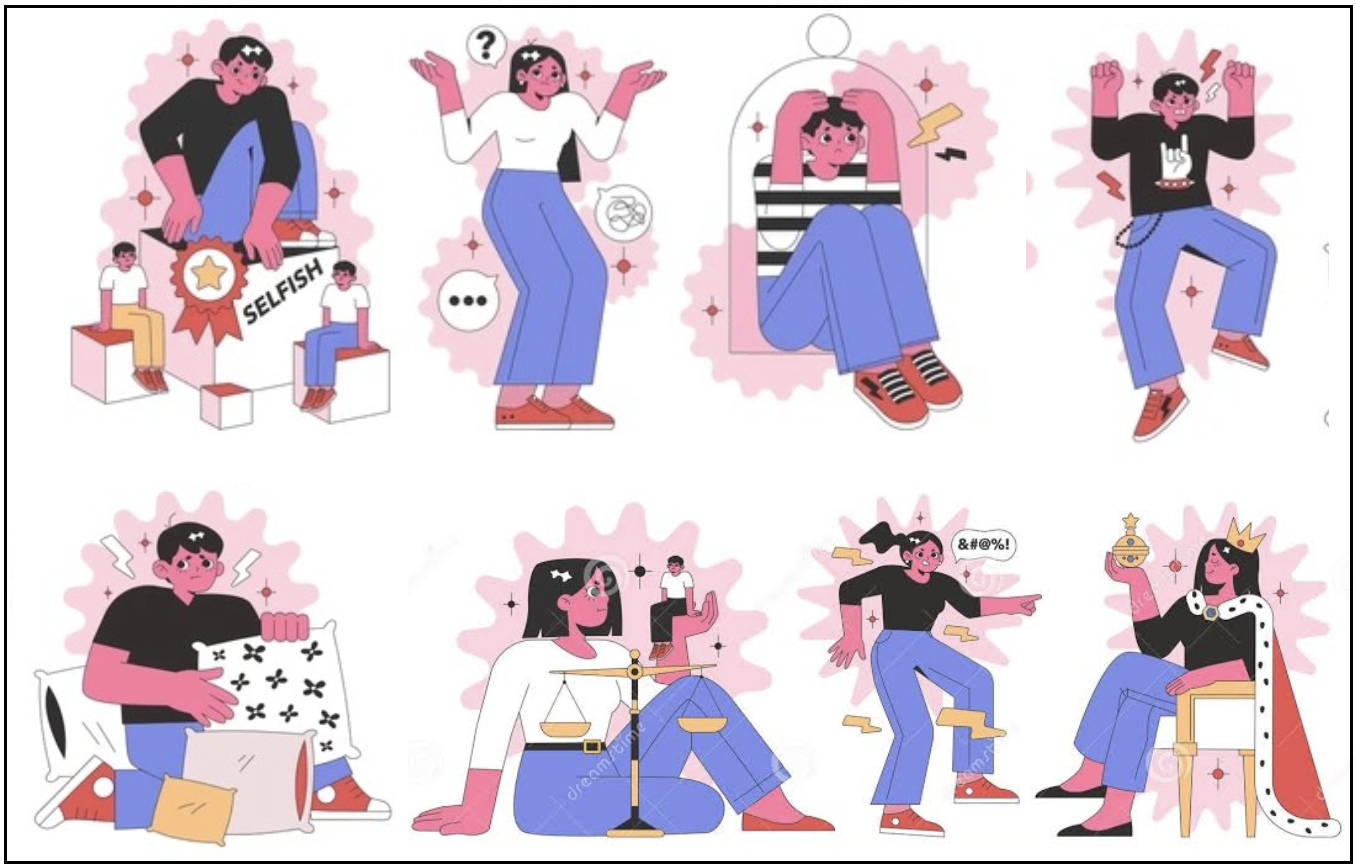
 PREVIOUS : Personality TRAITS (#3b)
🏴 REMINDER: NO ONE has ALL these characteristics!
Pick out several that fit your ‘favorite’ addict (or yourself ??), the ones that really stand out, that are over-blown, that keep getting in the way of a success, happy life.
PERSONALITY TRAITS (cont.)
Underlying the addiction are what 12-Step programs call ‘character defects’, which contribute to the desire to escape .
2. Mental // 3. Emotional // 4. Verbal
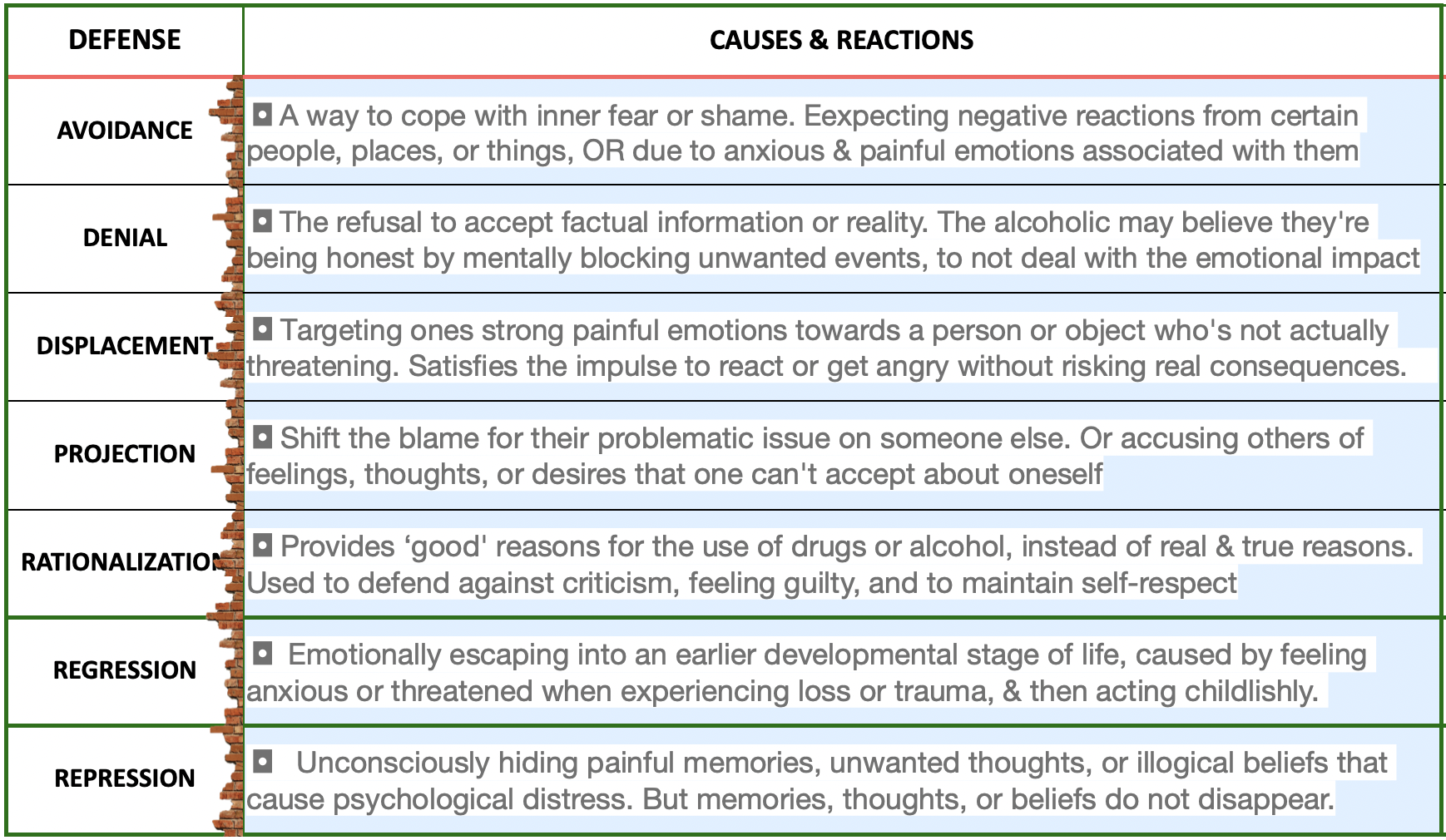
6. DEFENSES
• Blackmail. Threatening emotional withdrawal of acceptance, affection, approval, love, sex…. to force the other person to do something they don’t want to
• Bully. Demand others be or do what the addict wants, & won’t take no for an answer. Push, push push
• Chase. Keep running after someone who is not immediately /or/ no longer available, or not interested in them (short of stalking)
• Come-here-go-away. Crazy-making, drawing someone toward themself (love-bombing) & them pushing them away (insulting, ghosting….) when the other gets “too close”
• Defensive . Increased sensitive to criticism – about their drinking, choice of relationships, locations they spend time in, appearance….
«
VIOLENCE & ADDICTION
Active alcoholism is closely linked with various forms of crimes, aggressive behaviors & domestic violence across many nations. More than an estimated 14 million people meet the criteria for an alcohol use disorder in the United States. (MORE… American AddictionCenters)
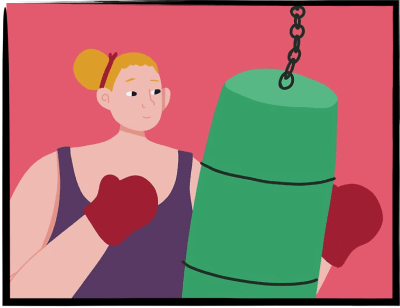
Because alcohol can impair judgment & reduce self-control, the likelihood of an active drinker being assaultive seems to stem from how they usually deal with their anger when not drinking. so previously suppressed rage can be acted out when sufficiently intoxicated.
Chronic use is also associated with psychiatric issues, such as disorders of : intermittent explosiveness, personality, mood …, which can aggravate violent tendencies. Aggression is the precursor & someone prone to being aggressive is more likely to impulsively use physical force when ‘under the influence’.
Alcoholism in the workplace can significantly affect employee safety, causing workplace injuries, increased absenteeism, with lost productivity, & added healthcare costs. Chronic drunkenness plus aggressive behavior escalates the likelihood of workplace violence, and – environments that tolerate or overlook substance abuse continue to put staff at risk.
7. SOCIAL
• Arrogant. Condescending, sometimes or always ‘full of it’
• Demanding. “I want what I want – NOW!”
• Defiant. Don’t want to be told what to do, do opposite of what someone needs, wants or asks for – just to be ‘difficult / contrary’, but not from actual disagreement
• Isolated. Socially withdrawn, even when with others, not really connected. Can’t be reached, but complains that no-one understands
• Jealousy. Can become extremely jealous, paranoid, suspicious, even to the point of delusion
• Need for Power & control. Verbal & physical violence used to instill fear & maintain dominance
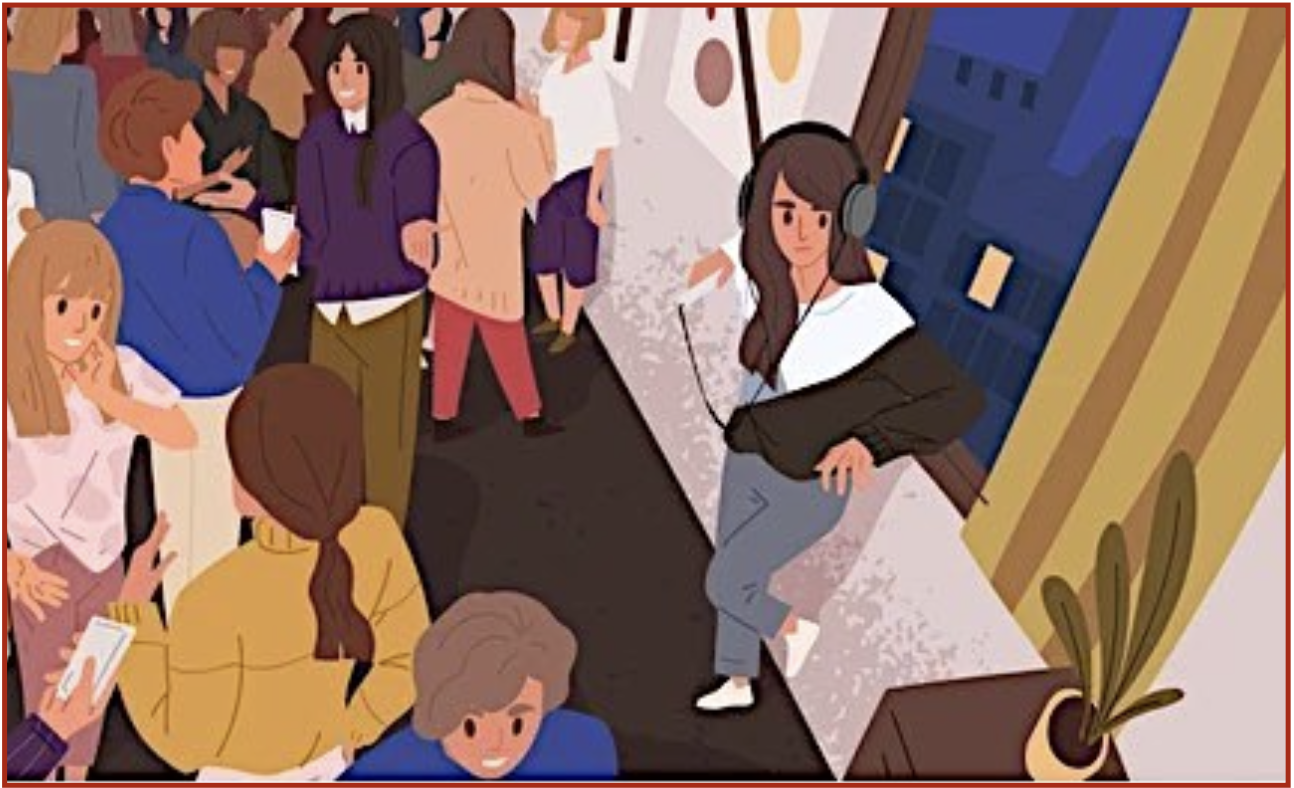 • People-pleaser. Overly agreeable, to keep the focus off themselves & get people to like them
• Sadistic (‘perpetrator’). Gets pleasure from hurting people, or secretly seeing them be hurt (physically, financially, socially….). Also harm animals & children
• Separation anxiety. Often use the mate as their primary emotional coping mechanism. If the victim tries to leave, the fear of abandonment triggers desperate behaviors
• Sexual dysfunction. Alcohol is a depressant, making it difficult for a man to perform. It’s also a symptom of (male) Depression
• Socially awkward. Feel like they don’t know what to do or say
• Stalking. If separated or divorces, he’s unable to accept rejection. OR focuses all their fantasies on someone they’re seen but never had a relationship with
• Thrill junkie. Deliberately goes for risky behavior, stuck in self-destructive mode
• Thwarts Authority. Rebels against ‘status quo’
8. SPIRITUAL
• Sickness of the soul – wandering in the ‘land of the living dead’. Not just a physical or mental condition, it’s considered deep inner alienation from the drinker’s intuition & higher self, from others, & from a higher meaning in life
• Restlessness . A chronic state of feeling irritable & discontent”, even when not drinking 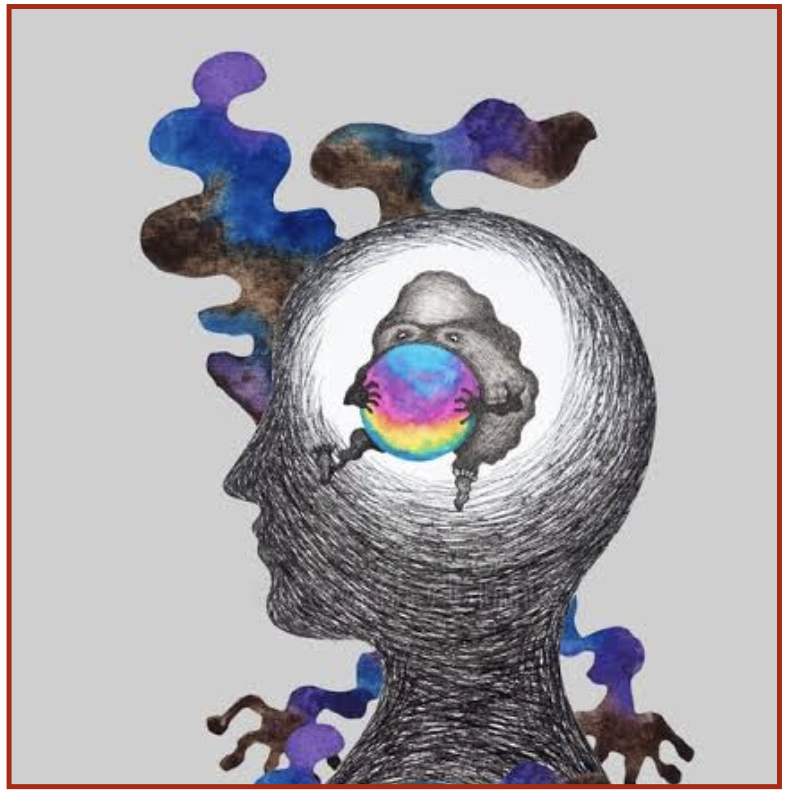
• Search for the Transcendent. Alcohol craving may be a distorted, misdirected thirst for the vital stimulation of the Spirit, seeking ultimate peace through an external substance instead of inner alignment
• Unearthly. The alcoholic may truly believe an ideal world is possible, & that it ‘should be’ – seeing everyone as a united family. However, they’re often feel disillusioned & disheartened when the world fails to live up to their Utopian ideals.
NEXT : Alcoholism – PHYSICAL

