
 I DON’T KNOW
if I’ll ever be able to
PREVIOUS: Outgrowing P-P #3
SITEs: PMES forms of Self-Care
• 30 day challenge, to make changes
RECOVERY from “Too Nice Syndrome” (TSN) cont.
TOOL 3. ASSERTIVENESS // TOOL 4. HAVING RIGHTS
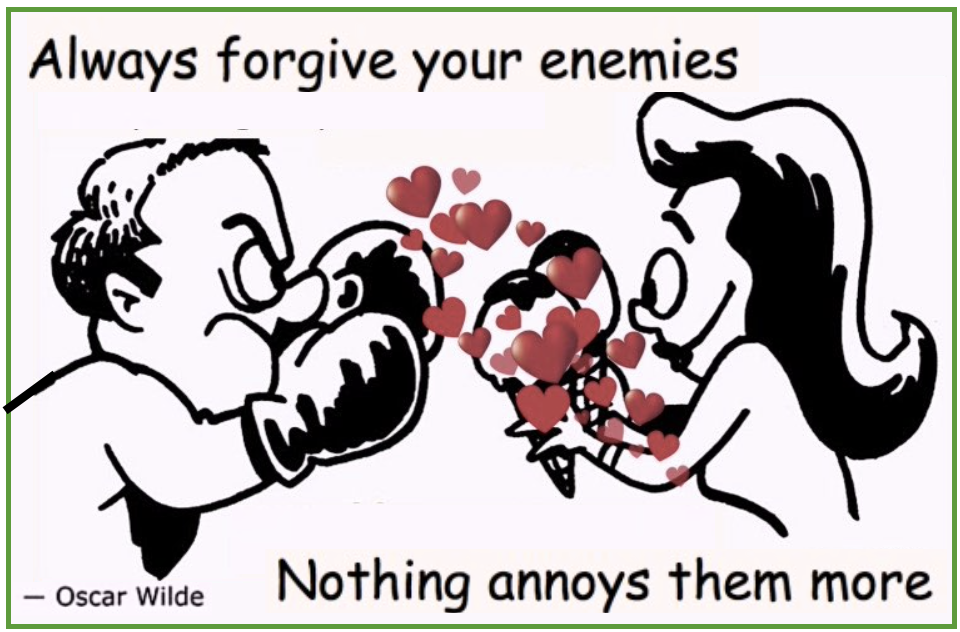
TOOL 5a. FORGIVING OTHERS
DEF: a. LET GO of our anger (Es= the emotion), & resentments (Ts= angry thoughts /obsessions) toward anyone whose offenses, flaws or mistakes have seriously injured us (See “Letting go means….“), AND
b. GIVE UP the desire to punish, seek revenge or exact payment
ACoAs
Mental health, Recovery & religious communities keep telling us we must forgive others in order to move on, insisting it must happen before healing can occur. This may be true for some people, but doesn’t really work for most ACoAs.
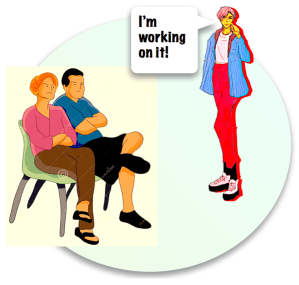 Forgiveness is important, but it’s not that easy to extend it to all the damaging & crazy mates, friends, bosses…. we’ve collected along the way, & especially not toward the adults who tortured & neglected us as kids.
There are things done to us that are – or seem to be – unforgivable.
▶︎ For ACoA angry-nice people forgiveness IS about ‘letting go’ – but not first. Instead, it is the outcome of the process of gradually releasing layers of old pain, combined with developing the UNIT, so we stop needing all those ‘unavailables’.
This takes a lot of time & effort, & maybe forgiving our abusers will never be complete because of the amount & intensity of trauma we suffered. But we are worth the effort to try, & that effort ends up benefiting every part of our life.
Not getting our rage out (& the tears underneath) is what keeps us stuck in obsession, which we’ve covered over with denial & then express as P-P angry-niceness. It will continue to plague us as long as we’re still desperate for their (unavailable) love & acceptance. AND the WIC wants the Perpetrators to admit what they did, to genuinely feel sorry & to apologize.
This rarely happens, so don’t hold your breath! Our anger is appropriate, but it must finally be vented safely, away from them, so we don’t have to keep carrying its corrosive effect. (“How to forgive” – even if they never come through!)
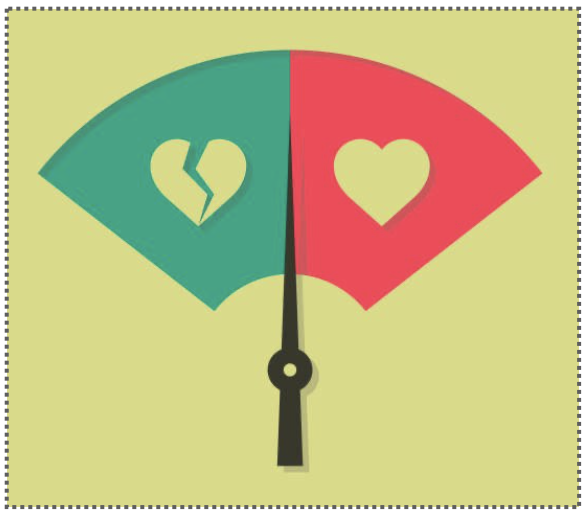 ACoAs go to one extreme or the other about almost everything.
As adult we’re responsible for our Ts, Es & As, but as angry ‘nice people’ (P-P) we’re afraid to admit our emotions & opinions. Instead, we take on the burden of other people’s feelings, especially if we love or need them, & especially if they’re acting needy or aloof. This comes from a set of opposites, a double message that becomes our bind :
❗️ the WIC’s narcissistic desire to symbiose (be the same as me), AND
❗️ the compulsion to escape from being ourselves (from S-H)
So, as long as we’re being run by the wounded child,
✐ we either refuse to even consider letting go (forgiving), or
✐ we’re too easy on everyone who hurt us. The co-dep’s “High Road” is more likely a way of staying in denial than of being emotionally free.
► Forgiving requires some mental/emotional distance from our wounds, BY HAVING:
🔅 done enough venting of our old pain in safe ways
🔅 had our childhood experiences validated by people who understand
🔅 gotten enough correct info so our thinking is clearer
🔅 good enough boundaries so we can take care of ourselves
🔅 developed a healthy Adult to be more in charge of our choices
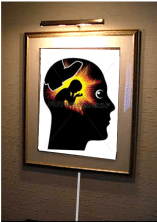 A VISUAL : We can think of our many painful memories as a series of pictures in a large gallery in our head – each one with an art lamp over it, the cord plugged into the wall at the baseboard. For us – the light is all the emotions attached to each memory, plugged into our nervous system.
A little at a time, by crying, raging, talking thru traumatic events, & being validated – in safe places – the plug gets pulled out of the wall. We’ll still be able to see the images, but they will be in shadow because much of the pain will be gone. THAT is letting go. That is the forgiveness that benefits us.
AA saying : “Look back but don’t stare.”
NEXT: Recovery – Forgiving ourselves (#5b)




 HEAL & GROW for ACoAs