
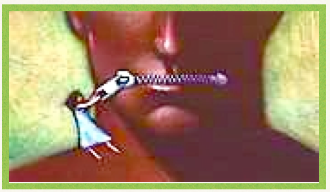
I LET THE PP BEAT ME UP – to keep me in line
PREVIOUS: Emotional Over-Control #2
SITEs: Self-Control (Wikipedia)
▪︎ Over-Controlled Primary Aggressor
See ACRONYM page for abbrev.
AS ADULTS (cont)
• ACoAs were not raised on the handbook “How to be a Healthy, Happy Human Being”, which left our Inner Child-part impulsive, anxiety-ridden, only able see itself & the world thru distorted alcoholic / narcissistic lenses. So, one way to deal with our trauma is to do what they seemed to want – for us to be dead! Some ACoAs try literal suicide, but most do it by PMES forms of self-destruction & emotional starvation.
Being Over-Controlled is NOT related to being Introvert or Extrovert, which are inborn, but rather about ignoring qualities we all share to varying degrees (intuition, intelligence, being perceptive, artistic…) – which were unacceptable in our family.
At the time, it would have made our lives even more miserable if we hadn’t suppressed those characteristics – although some of us couldn’t hide them well enough to escape being attacked or ignored.
Unhealthy BELIEFS of Over-Controllers
• Everyone is out to rape me mentally & emotionally
• Don’t trust anyone with your feelings, thoughts or dream
• Never let others know how their behavior or actions effect you
• Never show your anger so you won’t get abandoned
• There’s only one way to survive a crazy world – climb into your shell, & stay there!
SO
• I have to keep control of my feelings so I don’t go crazy
• If I lose control, there will be no sanity in my home (or on the job)
• Losing my cool is unsafe, so I avoid conflict at all costs
• No matter what happens to me, I’ll never cry or need anything again
• No one’s ever going to get under my skin or hurt me again
► Do you hear the voice of the Toxic ROLES?)
HOW we Over-Control ourself
a. DEFENSES – Rigidly held defense mechanisms are used to hide from emotions we’re afraid to experience, but the ‘protection’ ends up running our lives:
• Addictions – used as a way to numb the cruel PP voice & to ignore our WIC the same way our parents did, but which actually adds to our suffering
• Counter-Phobia – being attracted to things that are scary while not fully aware of the accumulated terror underneath. Dangerous relationships & activities are seen as fun, which keeps the adrenalin pumping. We’ve stuffed the anxiety into the unconscious, but it needs an outlet, so we rush towards unhealthy ‘excitement’. If we stopped running we’d have to feel all that fear
• Fear of Engulfment, feeling suffocated & over-controlled by someone else’s need & demands. Not allowed originally to develop our own inner boundaries, we end up erecting a very thick wall against emotional closeness so that we won’t get swallowed up again. It keeps everyone at a distance, while longing for connection. The wall gets activated whenever anyone wants genuine intimacy with us, even if it’s what we say we want
• Guilt (post ‘What is guilt?’) – an emotion that controls us TO:
— ensure we never disobey our family’s Toxic Rules
— keep us from learning healthy rules that could improve our life
— prevent us from developing our True Self via S & I, which would unhook us from the family dysfunction
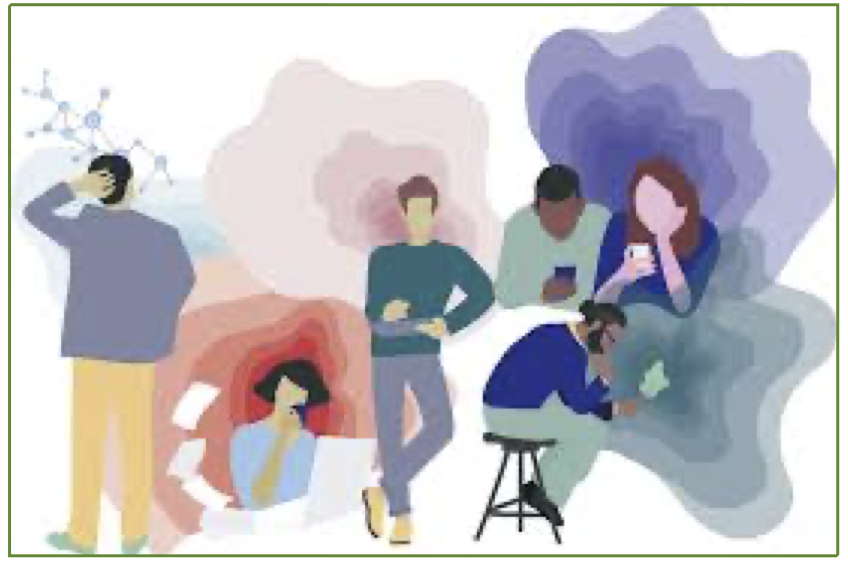 • Over-activity, such as workaholism, controls how much & what kinds of emotions we allow ourself to experience = staying so busy that we don’t have to feel anything ’real’, & using it to cover up S-H & a sense of powerlessness
• Paralysis, mostly our voice – stopping ourself from saying & doing things that would be good for us, because of fear of punishment, fear of abandonment and fear of visibility….. which prevent speaking up to stop others from hurting us, enhance our self-esteem & move us toward our dreams
• Vagueness / dissociating – staying in ‘la la land’ to not face any reality we’re too terrified to deal with, starting with how badly we’ve been treated by family / school / religion / mates / work…. AND that we’re responsible now for having to care for ourself.
So – we don’t notice how much we spend / eat / drink… how others treat us, how we feel, what we need, how we treat others….
NEXT: O-C Ourselves – Part 4


 HEAL & GROW for ACoAs