SAGE & ARCHETYPES – Part 1

PREVIOUS : SAGE – Anti-Saboteur

SITE : Archetypal Female in Mythology & Religion

ARCHETYPES are ancient symbols that exist across all cultures in all eras. It comes from the Greek word ‘archein’, which means ‘the original type or pattern’.

➣ A person’s qualities are called complexes (groupings), which live in our personal unconscious, derived from past experiences.
➣ In contrast, Archetype elements are impersonal, universal, & formless – sets of ideas & experiences that “come upon us as fate”, but affect us at our core.

Carl Jung argued that all humans share a “collective unconscious”– concepts we innately know & understand. He noticed they keep recurring indirectly in stories & mythologies throughout societies & religions, so can be identified & measured. (Each one explained)

Jung’s student, Erich Neumann (1954), stated that archetypes are similar to our internal organs – they’re relatively similar in all of us, but invisible & barely noticed.
EXP : The Self is the archetype of wholeness or transcendence. Jung said that it’s what we are but do not know we are.
It’s the center of our psyche, the totality of our conscious & unconscious parts.  In Jungian terms, the Self is both personal & impersonal, the ego & our Inner Spirit. ‘Arriving’ at the Self is the final stage of the individuation process.

NOTE : Many people mistakenly assume that ‘characters’ are Jungian archetypes, so may assume that Loki is the Trickster. Not so – while a character can personify archetypal qualities, the person itself is not.  ✱ Archetypes are not individuals, instead are broad but subtle core ideas embedded in the larger story of humanity.
Also, archetypal energy is expressed in common motifs like birth, marriage, death & any kind of initiation ritual.

The SAGE is a major archetype
Jung believed it’s the innate spiritual aspect of everyone’s personality – the True Self, with no restrictions or limitations. Unfazed by life’s conditioning & chaos, it sees all, knows all.

He called the Sage the senex (Latin for old man), the wise old man (see YouTube) or wise old woman called the crone. It’s a symbol that represents information accumulated through time & experience – from patience, learning from mistakes, & figuring out how the world
The Inner Sage (I.S.) focuses on universal Knowledge, & to find The Truth in all things it ferrets out the sources of information.  At its best, it protects & guides with Insights, Dreams, or Life Lessons. And it can be expressed as a person’s psyche, such as Jung’s Philemon, Nietzsche’s Zarathustra……

Ironically,  Hannibal Lecter is also considered a Sage. He was had an essential part in guiding Clarice Starling during her pursuit of the serial killer Buffalo Bill, even though his version of “guiding” was to direct her to a jar with a man’s heart in it. (see ‘SAGE – the Dark Side‘ post)

NOTE : There’s a lack of Sage-diversity in pop culture, the majority being male, but more recently – the female Sage is portrayed as cop or shrink.
However, for thousands of years there has always been a female embodiment of this archetype – as a wise, powerful character who mentors young seekers of Truth
EXP : Greek Cassandra, as Prophetess., Sumerian Inanna as feminine Warrior….

But also as negative feminine forces of the psyche, seen in fairy tales – evil stepmother, witch / old hag…. EXP : “Hansel & Gretel, Cinderella”
RARE archetype (0.1%) : The “Sigma Female”, known for their independence & STOIC self-reliance.  (More….)

FEMALE Sage NUANCES
• Deepest fear:
Not recognized for who she is. Confined or restricted. Losing touch with her intuition & inner guidance
GIFTS
• Empathetic Listening:
She actively listens with empathy, offering understanding & useful support. With a keen ear for honesty, she’s willing to hear any story that adds to her own store of Truth.

• Hidden Talent – Master researcher
• Intuitive Decision-Making: Like the Magician, she trusts her insights to make wise & informed choices. Her well-being comes from a strong sense of self & staying aligned with her values

• Patience and Serenity: She is calm & even-tempered. As the ‘queen of cool’, she’s composed even under pressure & in challenging situations.
• Signature move: Gives the advice you did not want but need to hear. She defies societal norms to embrace her true nature, guiding others to trust their instincts & break their constraints.
• Special ability: Taps into her deep intuition & primal wisdom to lead others toward personal empowerment.

NEXT : Sage Archetype, #2

The SAGE – the Anti-Saboteur

PREVIOUS : Saboteurs 9 & 10


DEF : The Inner Sage (I.S.) personality focuses on universal Knowledge, always searching for Truth, believing that it will lead to personal freedom.  It can be considered a kind of explorer, but while the explorer’s journey is external, the Sage’s investigations take place internally. The Sage archetype is expressed as an intuitive, reflective & wise person.

▶︎ Perspective – The Sage is the exact opposite of the Judge. Whereas that saboteur finds everything that’s wrong (or could be), the Sage accepts all experiences as opportunities or gifts.  When the Sage is activated, we’re operating from another part of the brain, which gives us access to infinite wisdom, providing the deepest insight. It’s balanced & doesn’t involve the ego, so helps us make good decisions.

CONTRAST : ⚠️ Saboteurs react to challenges in ways that cause stress & generate painful emotions
🔆 The Sage handles challenges with T.E.A.  Ts = curiosity, creativity, humor & self-confidence,  Es = comfortable emotions like calm, enjoyment, empathy, gratitude…. and As = clear-headed, laser-focused actions.
▶︎ Color: Violet

▶︎ Symbol:  Lotus

▶︎ Animal : Owl – associated with the ability to see what others cannot.  Known for its ability to navigate in darkness with keen observation, the OLW fits with the Inner Sage’s amazing vision & understanding.  EXP: Dumbledore & Yoda

▶︎ Motivation – The Inner Sage is driven by a hunger for personal growth, self-reflection – often self-directed.
a. Internally – when in Sage mode, the person works to develop skills & understanding, from a deep desire to continually improve personally & professionally. They find more value in effort & accomplishments than in external honors.

The Sage personality type is likely a loner, sometimes a hermit. Many devote themselves wholly to research, so they can get bullied & called nerds.
Also, determined to hunt down every scrap of ‘reality’ on a chosen topic – no matter what – Sages can sometimes put themself in danger or hurt others, since some Truth can be crushing.

b. Externally – the person’s purpose is to have a meaningful impact on the world – sharing their knowledge in thought-provoking writing & conversations – known for their expertise in their field. 

People look up to, respect & fear someone who is in Sage-mode.  Knowledge is power, but the Sage more often uses ‘soft power’ – the ability to co-opt rather than coerce.
If Sages do want recognition, they prefer acknowledgment for contributions to a larger goal or vision, rather than personality. Being respected & looked up to can provide the freedom to share their insights & wisdom, as in teaching or mentoring.

Sage is responsible for cultivating 2 vital elements essential for psychological development :
a. Cognitive Consciousness – relatively easy to develop. It takes daily devotion, discipline, & the will to cultivate one’s mind – learning, observing. reading….
and
2. Moral Refinement – quite a different matter. It comes from a life-long successful Hero’s Journey – an arduous individuation process. Developing true moral character is hard-earned.

▶︎ STAGES of the Sage Personality
1st : Confusion, with universal questions, wanting answers
2nd : The starts of its journey to find Truth. Here, it will seek the help of experts

3rd : When Sage discovers Truth, it starts to analyze different facets of it, using creativity to explore its depths. After a thorough understanding, it becomes an expert others consult

4th : Finally, the Sage achieves the status of master in its field
5th : Negatively, Sage can become extra-rigid & dogmatic.

▶︎ STRENGTHS
🦉 Emotional intelligence: tInner Sage (I.S.) can recognize, understand & manage its emotions, & effectively coping with the emotions of others, leading to consistent personal growth & strong inter-personal connections

🦉 Empathy: With a heightened ability to understand & share others’ emotions, the I.S. can easily relate to life experiences other than their own, & support people from different backgrounds

🦉 Intuition: I.S. has a strong sense of Inner Knowing, giving access to their natural intuition for guidance & insight in many different situations

🦉 Spirituality: I.S. has a deep connection to Spiritual Self, that helps develop grounding & inner peace, enhancing their personal-growth journey

🦉 Wisdom: Drawing from a life-time of experiences & learning, I.S. broadens its understanding of the world, making it a source of wisdom for others.

NEXT : SAGE – Archetypes, #1
Internal SABOTEURS (Types 9 & 10)

 PREVIOUS: Saboteurs #7, 8


FROM : “POSITIVE INTELLIGENCE” — Shirzad Chamine

9. The STICKLER accomplice
⛓️Description
 It’s about Perfectionism – the need for order & organization taken too far.
⚙︎ Can be irritable, tense, opinionated, sarcastic
⚙︎ Highly critical of self & others, AND too sensitive to criticism
⚙︎ Punctual, methodical, reality oriented
⚙︎ Strong need for self-control & self-restraint
⚙︎ Works overtime to make up for others’ sloppiness & laziness.

⛓️ Beliefs
⚙︎ I know the right way
⚙︎ I need to be more organized & methodical than others so things get done – right
⚙︎ If you can’t do it perfectly, don’t do it at all
⚙︎ Others too often have lax standards
⚙︎ “Right is right & wrong is wrong. I hate mistakes.

⛓️ Emotions
⚙︎ Anxious that others will mess up the order & balance I have created
⚙︎ Constantly frustrated & disappointed with self & others for not living up to ideal standards
⚙︎ Suppressed anger, with sarcastic or self-righteous overtones

⛓️ Justification Lies
✑ I know how things should be done & must do the right thing
✑ It is up to me to fix whatever messes I encounter
✑ Striving to be perfect is a good goal,  & it makes me feel better about myself
✑ To act this way is a personal obligation
✑ There’s usually a clear right & clear wrong way to do things.

⛓️ Original Survival Function
⚙︎ The Stickler may have generated a sense of order in the middle of a chaotic family dynamic, or earned acceptance & attention from emotionally distant or demanding parents by standing out as the irreproachable perfect kid
⚙︎ Trying to be perfect was a way to suppress the voice of constant self judgment & fear of others’ disapproval
⚙︎ If I did what they wanted it temporarily stopped their interference & reproaches. Perfection a brought a little relief

⛓️ Impact on Self and Others
🪄Causes resentment, ongoing anxiety & frustration & self-doubt in oneself
🪄Causes rigidity, reducing flexibility in dealing with change & others people’s difference in styles
🪄Others get tired of the Stickler’s constant criticism, & resign themself that no matter how hard they try they’ll never please it.

⚙️ ACoA posts: Perfectionism,  Enneagram Type 1,

10. The VICTIM accomplice
⛓️ Description
⚙︎
An extreme focus on internal feelings, particularly painful ones
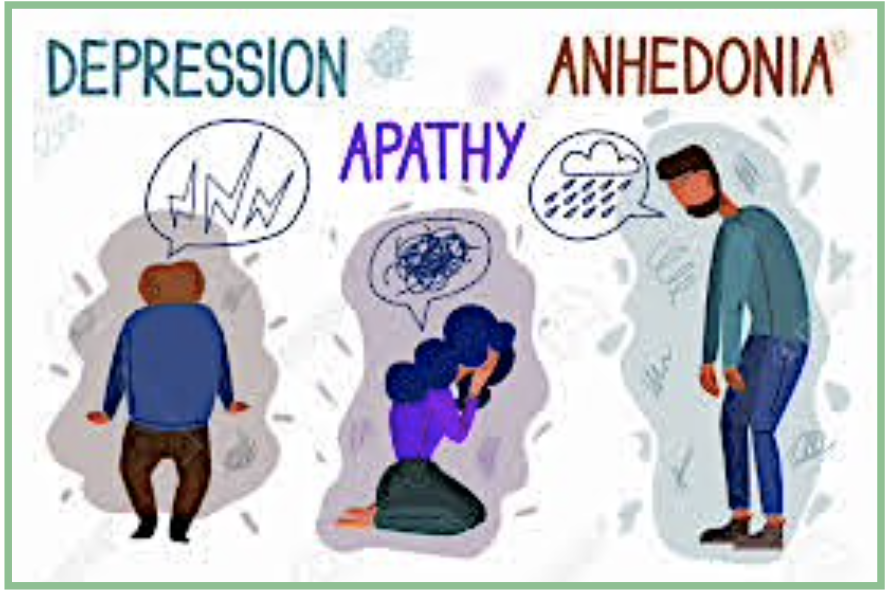
⚙︎ Fairly dramatic reactive. When things get tough, want to crumble & give up. Repressed rage results in depression, apathy, & constant fatigue
⚙︎ Get attention by having emotional problems, or being temperamental & sullen
⚙︎ Martyr streak. If criticized or misunderstood, tend to withdraw, pout & sulk.
⚙︎ Unconsciously attached to having difficulties.

⛓️ Beliefs
⚙︎ I am what I feel. No one understands me  ⚙︎ I must be uniquely disadvantaged or flawed
⚙︎ I wish someone would save me from this dreary mess. Poor me
⚙︎ Terrible things always happen to me.”

⛓️ Emotions – I :
⚙︎ am envious / jealous, & always make negative comparisons with others
⚙︎ feel sad, unwanted, invisible, hopeless
⚙︎ feel alone & lonely, even when I’m around people I’m close to
⚙︎ tend to brood on my painful emotions for a long time

⛓️ Justification Lies
✑ If I’m perfect,  I’ll get some of the love & attention I desperately want
✑ Someone will feel sorry for me & want to take care of me
✑ Sadness is a noble & sophisticated thing that shows exceptional depth, insight & sensitivity

⛓️ Original Survival Function
☁︎ This Saboteur often develops from having truly been abused (physically, sexually….) in childhood
Also – not seen & accepted by family, so becomes convinced there’s something especially wrong with you
♥︎ Victim is a strategy to squeeze out some affection from those who would otherwise not be paying attention.
★ This attitude mimics a false sense of aliveness

⛓️ Impact on Self and Others
🪄 Vitality wasted through internal toxic brooding
🪄Backfires by pushing people away, while needing connection
🪄Others feel helpless & guilty that they can’t fix you. They get frustrated because all they can do is put a temporary BandAid on the Victim’s pain.

⚙️ ACoA posts
What is Self-Hate, Abandonment Pain Now, Our Wounded Inner Child
NEXT : The SAGE, Part 1

Internal SABOTEURS (Types 7 & 8)

PREVIOUS:
Internal Saboteurs #5, 6


List from :
“POSITIVE INTELLIGENCE” –  Shirzad Chamine


7. The  People-PLEASER in You
⛓️ Description
It tries to gain acceptance & affection – indirectly- especially without being asked for help, or someone even needing any.
YOU :
⚙︎  lose sight of your own needs & become resentful as a result
⚙︎  have a strong need to be liked by everyone, trying to earn it by helping, pleasing, rescuing, or flattering them
⚙︎ can’t express your needs directly & clearly
⚙︎ need frequent reassurance by others that you’re ok with them
⚙︎ do so manipulatively by having people feel obligated to reciprocate all your attentions.

⛓️ Thoughts
⚙︎ “To be a good person I should put the needs of others ahead of my own
⚙︎ It bothers me when people don’t notice or care about what I’ve done for them
⚙︎ They can be selfish & ungrateful
⚙︎ I give away too much & don’t think of myself enough
⚙︎ I can make anyone like me
⚙︎ If I don’t rescue people, who will?

⛓️ Emotions
⚙︎  It feels selfish if I express my own needs
⚙︎ I worry that insisting on needs will drive others away
⚙︎ I resent being taken for granted, but am afraid to say it

⛓️Justification Lies
 — I don’t do these things for my benefit
— I help others selflessly & don’t expect anything in return
— The world would be a better place if everyone did the same

⛓️ Original Survival Function
 The Pleaser tries to earn validation helping others. This is a sneaky way to have one’s OLD unfulfilled emotional needs met
It is fed by two original assumptions picked up in childhood :
1. “Other people’s needs are more important than mine” (rule)
2. I must provide love & affection in order to get any back, because I’m not actually worthy of it

⛓️ Impact on Self & Others
🪄Can jeopardize or prevent taking care of one’s own needs including emotional, physical, & financial
🪄Can lead to emotional resentment & physical burnout
🪄 Others can develop dependence on us (infantilize) rather than learning to take care of themself.
🪄Eventually the helpee feels manipulated, obligated, guilty.

🦠 ACoAs posts
Co-Dep People-pleasing, Enneagram Type 2, TOXIC Family Rules

8. The RESTLESS Part in You
⛓️Description
Constantly in search of new stimulation & greater excitement in the next activity or busyness.
YOU :
⚙︎ rarely are at peace or content with the current activity.
⚙︎ are easily distracted, can get too scattered
⚙︎ stay busy, juggling many different tasks & plans
⚙︎ chase excitement & variety rather than not comfort or safety
⚙︎ quickly bounce away (escapes) from unpleasant emotions

⛓️ Thoughts
⚙︎”This isn’t fulfilling. The next thing has got to be more amusing!
⚙︎ I have to shift my attention to something interesting
⚙︎ These negative feelings suck
⚙︎Why can’t anyone keep up with me?

⛓️ Emotions – I’m
⚙︎ impatient with what’s happening now
⚙︎ longing what’s next that I’ll enjoy
⚙︎ afraid of missing out on any interesting experiences
⚙︎ restless, wanting more & more options.
⚙︎ worried that if I focus on any unpleasant feeling it’ll grow , never stop & be overwhelming

⛓️ Justification Lies
— Life is too short. It must be lived fully
— I don’t want to miss out on all the possibilities
The continual adrenalin rush makes me feel alive

⛓️ Original Survival Function
⚙︎ The Restless Saboteur is a strategy to find constant new sources of excitement, pleasure, & self-soothing (like thumb sucking)
⚙︎ Could come from early life experiences with inadequate parental comfort in painful circumstances
⚙︎ Restless self-indulgence is a temporary escape from having to deal with anxiety & pain

⛓️Impact on Self and Others
🪄 Under all the surface fun is an anxiety-driven escape from being present in the moment’s full experience, which might include unpleasant things
🪄 The Restless avoids a genuine focus on issues & relationships that truly matter
🪄Others have a hard time keeping up with the Restless’ frenzy & chaos, & they can’t build anything sustainable around it.

🦠 ACoAs posts
Enneagram Type 7, Fear of Responsibility, Repressing unpleasant emotions

NEXT : Saboteurs – Types 9, 10

Internal SABOTEURS (Types 5 & 6)

PREVIOUS:
Types 3 & 4 

SITE : Take the Free ASSESSMENT

FROM : “POSITIVE INTELLIGENCE” Book & Stanford lectures, based on the research of Shirzad Chamine


5. The HYPER-RATIONALIST accomplice
⛓️ Description
Its exclusive & intense focus is on the rational /mental processing of everything, including relationships.
⚙︎ Can lose track of time because of intense concentration
⚙︎ Mostly show feelings through your passion about ideas
⚙︎ Prefer to just watch the craziness around you, analyzing PPT (people, places & things) at a distance
⚙︎ Too private, not letting many people into your deeper feelings
⚙︎ Very strong penchant for skepticism & debate (argumentative)
⚙︎ When in the grip of this Saboteur you can be experiences as cold, distant & intellectually arrogant &/or or secretive

 ⛓️ Beliefs
“The rational mind is where it’s at”
⚙︎ Emotions are distracting & irrelevant
⚙︎ I need to shut out all intrusions from people or ‘situations’
⚙︎ Most people are so irrational & sloppy in their thinking (cognitive distortions?)
⚙︎ Other people’s needs & emotions distract me from my projects
⚙︎ Self worth is attached to mastering info & competence
⚙︎ What I value most is knowledge, understanding & insight.

⛓️ Emotions
⚙︎ Anxious about preserving personal my time, energy & resources against intrusions
⚙︎ Feel different, alone & not understood
⚙︎ Frustrated with others being (too) emotional & not rational enough
⚙︎ Often distrust other’s motives, or & doubt their sincerity

⛓️ Justification Lies
✑ The rational mind is the most important thing
✑ It should be protected from the wasteful interruptions of others’ messy emotions & needs, so it can get its work done.

⛓️ Original Survival Function
⚙︎ This Saboteur is a useful survival strategy in early childhood, from emotional turmoil & in chaotic environments
⚙︎ Escaping into the neat & orderly internal world of the rational mind creates a (false) sense of security or of intellectual superiority
⚙︎ It can provide attention & praise for being the smartest person in the room. Sometimes it can cause envy & being marginalized.

⛓️ Impact on Self & Others
🪄Intimidates less analytically focused people, such as the highly intuitive & ‘sensitives’  (INFPs?)
🪄Limits the depth & flexibility of relationships at work & personal life by analyzing rather than experiencing feelings

⚙️ ACoAs posts
Enneagram Type 5s,  Satir’
s COMPUTER Role , perhaps having  Alexithymia, MBTI – the ISTPs

6. The HYPER-VIGILANT accomplice
⛓️ Description
It’s burdened by intense worry about all the dangers in life, & what could /will go wrong. The Vigilant can never rest.
⚙︎ Always anxious, with chronic doubts about self & others
⚙︎ Constantly expecting accidents or attacks
⚙︎ Extraordinary sensitivity to danger, real or not (paranoia?)
⚙︎ Suspicious of what others are up to, since they ‘always’ mess up
⚙︎ Seek reassurance & guidance from authorities & institutions about rules & procedures

⛓️Thoughts
⚙︎  “If I make a mistake, I’m sure everyone’s going to jump down my throat
⚙︎ I need to know the correct way to do things, although I might not always comply
⚙︎ I want to trust people, but don’t believe their motives are good (in my favor)
⚙︎ When is the other shoe going to drop?”

⛓️ Emotions
⚙︎ Mistrusting, skeptical, even cynical
⚙︎ Mostly anxious & highly vigilant. (See Article – scroll down)

⛓️ Justification Lies
✑ I’m always unsafe because life is full of dangers
✑ If I don’t keep a constant look out for them, who will?

⛓️ Original Survival Function
⚙︎ This Saboteur often comes from a childhood where the source of safety & security (parental figures) were unpredictable & neglectful
⚙︎ It could also develop from painful unexpected adult events which proved that life is threatening or unreliable.

⛓️Impact on Self & Others
 This is a hard way to live.
🪄Constant anxiety burns a great deal of vital energy that could otherwise be put to beneficial uses
🪄Loses credibility due to the “Cry Wolf” phenomenon
🪄Most people end up avoiding the Hyper-Vigilant because the intensity of their anxiety drains others.

NEXT : Saboteur Types 5, 6

Internal SABOTEURS (Types 3 & 4)

PREVIOUS:
Saboteurs – the Master & Type 2


3. The CONTROLLER accomplice
⛓️ Description
 It’s your anxiety-based need to take charge, maneuvering & manipulating situations or people’s actions to suit you. When you can’t, you get very fidgety & impatient
YOU :
⚙︎ connect to others through challenge, conflict, competition, or physicality – rather than ‘softer’ emotions
⚙︎ are a straight talker, but your in-your-face style is interpreted by others as anger or criticism
⚙︎ often intimidate or push people beyond their comfort zone, tending to be confrontational
⚙︎ come alive when doing the ‘impossible’ & beating the odds, & are surprised that you hurt others with your strong, willful energy & need to take charge.

⛓️ Beliefs
⚙︎ “If I work hard enough I can & should control the situation so it goes my way
⚙︎ Others want & need me to take control, so I’m doing them a favor
⚙︎ No one tells me what to do.”

⛓️ Emotions – YOU
⚙︎ have high anxiety when things don’t go your way
⚙︎ get angry & pushy when others don’t follow
⚙︎ are impatient with other’s feelings & difference in style
⚙︎ feel hurt & rejected when ‘out of control’, but won’t admit it

⛓️ Justification Lies
✑ “
Without my Controller, I can’t get much done
✑ I also need to push other people
✑ If I don’t control, I‘ll be controlled, & I can’t bear that
✑ I’m just trying to get the job done for everyone’s sake.”

⛓️ Original Survival Function
⚙︎ Under the Controller’s bravado there’s a hidden fear of being the vulnerable controllee.
⚙︎ It can develop from early experiences when the child is forced to grow up fast, be on its own, & cope with chaotic or dangerous surroundings, to help survive physically &/or emotionally.
When continually hurt, rejected, or betrayed, you deciding to never be that vulnerable again.

⛓️ Impact on Self & Others
🪄Being controlling comes at the cost of others feeling resentful toward us
🪄The Controller does get temporary results, but can’t tap into their own greater reserves
🪄It creates a great deal of anxiety, since we can’t control everything in life.

🦠 ACoAs posts
AcoAs acting Controlling – Part 1“. Also “
Over-C ourselves

4. The HYPER-ACHIEVER accomplice
⛓️ Description
⚙︎ It makes you dependent on constant performance & achievement for self-respect & self-validation
⚙︎ Highly focused on external success, rather than being touch with deeper emotional or relationship needs
YOU
⚙︎
are c
ompetitive, image obsessed & status conscious
⚙︎ good at covering up insecurities & showing positive image, keeping people at a safe distance
⚙︎ adapt your facade to fit what will most impress other, to perfect a public image
⚙︎ are goal-oriented & self-promoting, with an unsustainable workaholic compulsion

⛓️ Beliefs – I :
⚙︎ “am worthy only as long as others think well of me
⚙︎ can be anything I want to be
⚙︎ focus on thinking & actions – Emotions get in the way of performance
⚙︎ must be efficient & effective – the best at whatever I do
⚙︎ won’t bother if I can’t be successful & outstanding”

⛓️ Emotions
⚙︎ I avoid emotions as much as possible & don’t feel them for too long when they do crop up
⚙︎ I’m afraid of intimacy & being vulnerable – can’t let others see who I really am (weak & needy)
⚙︎ Sometimes I feel empty & depressed inside, but don’t linger

⛓️ Justification Lies
✑ life is all about achieving & producing results
✑ my feelings are just a distraction & don’t help anything
✑ portraying a good image helps me achieve results

⛓️Original Survival Function
⚙︎ validation, self-acceptance & self-love are all conditional — based on continual performance
✒︎ it’s usually the result of conditional or altogether absent validation from parental figures
♥︎ Even with very loving, approving parents, it’s easy for children to conclude they’re mainly loved for achievements, obeying family rules…. rather than unconditionally.

⛓️ Impact on Self and Others
🪄Peace & happiness from brief achievement celebrations – is fleeting or short-lived
🪄Self-approval is very limited, & based on the next success
🪄Lost touch with True Self ‘s deeper feelings, & so have a weak ability to intimately connect to others
🪄Others can be pulled into your ‘performance vortex’ & get as lopsided in being focused on external achievement.

⚙️ ACoA posts
See all 4 posts, & Actions = Healthy opposites (part 1, ¶ f)

NEXT : Saboteurs # 5, 6

Internal SABOTEURS (the Master & Type 2)

PREVIOUS: Our Saboteurs,  Intro #2

SITE : We are our own worst critic”

 
1. The JUDGE in You
– our Master Saboteur, reinforced by one or more “Accomplice Saboteurs” 

⛓️ Description
 The voice that finds fault with everything, all the time.
⚙︎ Self : makes us badger ourself for past mistakes or current shortcomings
⚙︎ Others : focuses on what’s wrong with other people rather than looking for & appreciating the good ones.  Gets into inferior/ superior comparisons
⚙︎ Circumstances : insists every situation or outcome is deliberately against ourself & therefore ‘bad’, rather than seeing it as an opportunity to learn something new, be creative, & therefore be a benefit.

 ⛓️ Beliefs
⚙︎ I’m wrong  OR  ⚙︎ You’re wrong . AND —
⚙︎ All circumstances or outcomes in my life are wrong (against me?).
⚙︎ The universe is against me so I always have to be on guard.

⛓️ Emotions
 Produces ALL anger, disappointment, guilt, regret, resentments, shame….

⛓️ Justification Lies
Without me
— pushing you, you’ll get lazy & useless
— punishing you for mistakes, you won’t learn anything & will keep repeating them
— scaring you about bad future outcomes, you won’t work hard to prevent them
— judging others, you’ll lose your objectivity & won’t protect your self-interest
— making your feel bad about unsuccessful outcomes, you won’t do anything to change them.

Because its bias is towards always seeing the worst, it makes us over /under react to & exaggerate The Negative in everything, even when there is none.We end up mentally & emotionally numb, which reduces our ability to quickly notice real but unanticipated dangers to our physical & emotional survival / wellbeing, so we’re shocked & don’t protect ourself. (“brain’s Negativity Bias“)

⛓️ Impact on Self & Others
🪄 It has the strongest influence if we grew up in constant fear, chaos, danger & neglect.
🪄 Generates much of our anxiety, distress & suffering, causing many of our relationship conflicts.

⚙️ ACoAs posts
Being RIGHT (9 posts) , ACoAs Acting Controlling – Part 3,  Control & Abandonment

2. The AVOIDER accomplice
⛓️ Description – this voice focuses on the positive & comfortable to the extreme, ignoring anything considered unpleasant or difficult.
YOU :
⚙︎ lose yourself in comforting routines & habits, procrastinate taking actions that make you anxious
⚙︎ avoid conflicts, so often end up says YES to things you don’t want to do
⚙︎ downplay the importance of real problems, trying to deflect others from challenging you
⚙︎ resist dealing honestly with other people by being passive-aggressive rather than direct, because you have trouble saying NO

⛓️ Thoughts
⚙︎ “This is just too much.  I’d rather not
⚙︎ Maybe if I let it go it’ll take care of itself
⚙︎ If I deal with this now, I’ll hurt their feelings
⚙︎ If I have conflict with others, I might lose my connection to them
⚙︎ I’ve found a balance & don’t want to mess with it
⚙︎ I’d rather let someone else have their way than create a scene….”

⛓️ Emotions
⚙︎ Want to always be “on an even keel”, anxious anytime about your “peace of mind” is interrupted
⚙︎ Have anxiety about what you’ve avoided or procrastinated on
⚙︎ Suppress anger rather than express it, but feel resentment instead (mental version)

⛓️ Justification Lies
✑ “I’m such a good person for sparing others people’s feelings
✑ It’s best to be flexible (people-pleasing, rescuing)
✑ No good comes out of conflict, so someone needs to be the peacemaker (me!)”

⛓️Original Survival Function
‘The Avoider’ can start from either happy or hard childhoods.
⚙︎ In happy ones, you might not have learned the skills & resiliency to deal with difficult events & painful emotions
⚙︎ In hard ones – with high conflict & tension – the Avoider can show up as peacemaker, by swallowing your own anger & anxiety to not add to existing family tensions.

⛓️ Impact on Self & Others
🪄Whatever is avoided just quietly festers
🪄Denying conflicts & hard feelings that are real – prevents you from actually working them thru
🪄Being numbed out prevents you from developing wisdom & power from the gaining self-esteem & resilience
🪄Relationships are kept superficial, because other people’s ability to trust  you is reduced, since they can’t be sure when you’re holding back things that upset you.

⚙️ ACoAs posts
Fear of 
Responsibility” // “Procrastination” // “Being Trustworthy

NEXT: Saboteurs, Typs 2, 3

Our Internal SABOTEURs – Intro (#2)

PREVIOUS  : Saboteur INTRO – #1


🔴 The Judge is Our Master Saboteur, the mental torturer that afflicts just about everyone, making us unhappy, reducing our effectiveness, & harming our relationships, along with its accomplices.
By the time we’re adults we no longer need all the saboteurs, but they’re deeply entrenched in our mind, having become soft-encoded in our brain through neural pathways.

Saboteurs & the Sage live in very different regions of the brain. Advances in functional MRI (fMRI) studies, which measures how neural activity changes blood flow, allow scientists & psychologists to pinpoint areas in the brain involved in producing different thoughts or feelings, & so identify the neural functions that activate Saboteurs or the Sage.

🔵 The SURVIVE Regions : Our Inner Saboteurs
Saboteurs are the voices in our head that create pailful emotions when faced with internal buttons &/or life’s challenges. They’re generated by the interactions of the brainstem, limbic system & parts of the left brain.
They produce much of our self-doubting chatter (toxic self-talk) & distressing emotions (anxiety, anger, shame, guilt, frustration…..) which are only “helpful” for a second —-> as they alert us to real or potential dangers. However, staying trapped in these thoughts & feelings prevents us from thinking clearly & choosing the most productive responses to stress.

Saboteur Interceptor “Muscle”
Beside painful emotions, Saboteurs generate constant stress by self-defeating behavior patterns & attitudes such as avoidance, procrastination, insensitivity & discontent.
Because of our damaged upbringing, we automatically & unconsciously make the mistake of trusting & accepting them into our “inner circle”, making them our (false) sense of self & our negative view of the whole world.

♥︎ Saboteurs do the greatest damage if they can convince us they’re our friend, just trying to protect us & only wanting our best!
Each of them has very reasonable-sounding justifications for its ‘truth’- saying why it’s good for you. But their rationalizations are all well-masked lies.
EXP: the Judge, Controller, Hyper-Achiever & Stickler insist that without them you’d turn into a lazy, unambitious, worthless couch potato.

♥︎ While their constant whiplashing (as if we’re a stubborn mule) may seem to have been the only source of our accomplishments in some area of life. And their big lie is that any & all our successes came exclusively by them pushing & pushing.

We know that being able to feel physical pain is useful – teaching us what to avoid. Similarly, painful emotions alert us to danger, but are only helpful for a quick second. However, if we get stuck in self-hating beliefs which lead to constant emotional pain — it’s because the Saboteurs are forcibly holding our mental hand to a hot stove, making us complain that life is so hard!

🟡 The THRIVE Regions : Your Inner Sage
Our Sage lives in an entirely different region of the brain : the middle prefrontal cortex, anterior insular cortex (“empathy circuitry”), & parts of the right brain.
It generates pleasant feelings even when handling life’s challenges, allowing us to calmly take clear-headed laser-focused choices.
❣️ Activating this combination of brain area releases endorphins that counter the negative effects of stress-induced cortisol. It’s wired for artistic ability & big picture awareness of what’s important for the best outcomes.
“Positive” emotions include curiosity, compassion, empathy, gratitude & joy of creativity.

In terms of successes – the Sage is much more creative than the Survivor Brain. By empathizing with ourself, exploring what caused the Saboteurs, & coming up with creative solutions, we get energized to take decisive action, & not waste an ounce of vitality suffering the painful drama of beating ourself up.

Both Saboteurs & the Sage may help achieve goals, but by very different paths. 🔻 Saboteurs push us into actions & accomplishments through anger, anxiety, fear, guilt, obligation, regret, shame ….
🔺 Instead, the Sage pulls us into action through compassion, curiosity, intuition, the joy of self-expression, a desire to contribute to & create meaning, & the excitement of moving forward.
Only the Sage lets us achieve successes without sacrificing happiness & peace of mind. (More in later posts.)
Consistently implementing S.A.G.E. tools can result in :
Increasing the grey matter in the PQ Brain region, where our Sage lives
Decreasing the white matter in the Survivor Brain region, where Saboteurs live

NEXT : Saboteurs, Judge & Type 1
Our Internal SABOTEURs – Intro (#1)

PREVIOUS : Attachment – Spirituality #4

BOOK : POSITIVE INTELLIGENCE” book & lectures, from Yale & Stanford professor Shirzad Chamine’s extensive psychology & neuroscience research.


The 10 SABOTEURS
are negative psychological ‘constructs’, automatic belief patterns that are part of the False Self, governing our every move. They represent our brain’s automatic mental habits of limiting beliefs & assumptions about how to handle life’s challenges.

They started off as mental  guardians, developed in childhood to help us survive real threats to our physical & emotional self. They were psychological attempts to manage the distressing environment we were in, trying to provide a sense of safety for ourself – or at least some control.

Instead, they have steered us in the wrong direction, so we end up undermining ourself. These harmful ‘protective characters’ are so pervasive that we don’t realize they’re running us, influencing the way we think, feel & act – each with its own motivation.

SYNOPSIS
PRIMARY
♦️ The Judge – the ultimate saboteur, activates & works with one or more Accomplice Saboteurs to hijack our thinking, causing most of our setbacks in life. When we’re triggered by some current event, we activate whichever Saboteur shows up to react according to pre-set but invisible patterns. They :
❗️ keep beating you up over mistakes or limitations
❗️ warn you obsessively about future risks
❗️ wake you up in the middle of the night worrying
❗️ get you fixated on what’s wrong with others or your life. You over-think, obsessing over mistakes, & worrying about the future (projecting negative outcomes)

REINFORCERS
/ Accomplices:
▪︎ Avoider – puts off unpleasant tasks & conflicts
▪︎ Controller – needs to take charge & manipulate situations
▪︎ Hyper-Achiever – thrives off of constant performance & achievements —> for validation

▪︎ Hyper-Rationalist – intensely focused on processing everything rationally, which comes off as being uncaring
▪︎ Hyper-Vigilant – intense anxiety about dangers, real or not
▪︎ Pleaser – tries to get acceptance & affection by constantly helping, rescuing, & flattering others

▪︎ Restless – constantly chasing more excitement, the next activity, only happy when always busy
▪︎ Stickler – perfectionist, with a desperate need for “order”
▪︎ Victim – over-focused on painful emotions, always the martyr. (Details for each in following posts)

♥️ Alternatively, the SAGE is our native wisdom, without the “bad voice”. It provides the ability to be emotionally balanced, a guide to deeper insights, & helps us make good decisions. The SAGE is the counter to harmful defense mechanisms, & can be developed by applying Cognitive Reframing, Mindfulness & Self-Compassion.

By the time we’re adults we no longer need the saboteurs, but they’re  deeply entrenched in our mind, having become soft-encoded in our brain through neural pathways.  Saboteurs & the Sage live in entirely different regions of the brain. Consistently applying S.A.G.E. tools can result in :
Increased grey matter in the PQ Brain region, where your Sage lives
Decreased grey matter in the Survivor Brain region, where your Saboteurs live (more in Part 2)

Which saboteur shows up?
Saboteurs were copied from our very damaged parents (+ others), who had their own ingrained defenses which we absorbed during the first 15-20 years of life when we were subjected to daily neglect & PMES abuses.

Characteristics of our parent’s personality & dysfunction decide which saboteurs show up as the negative energy :
💚 that motivates us to function, and what is —
💙 — our personal style of handling challenges.

3 main motivations underpin survival needs
☙ Acceptance  –  to maintain a positive image in the eyes of others, so we can be validated & gain their affection
☙ Independence  -  to have boundaries with others, & maintain personal separateness
☙ Security  – to control unsafe things in life & push away or minimize them.
«

«
⬆️ 3 styles of handling any given situation re. acceptance, independence or security needs :
☞ Assert  – take actions that fulfill our needs (strongest & most active)
☞ Earn  –  work hard to insure achieving those needs
☞ Avoid –  protect those needs by withdrawing ourself or our attention from activities, thoughts & feelings, or from other people.

DEVELOPING Self-sabotage (“behavioral dysregulation”), includes :
✓ not forming a legitimate goal to pursue
✓ having a deep fear of failure AND of success
✓ cognitive dissonance – internal imbalance or discomfort when words or actions do not align with one’s beliefs & values…. (SEE  7 common signs of self-sabotage)

NEXTSABOTEURs – Intro (#2)

CREATIVITY – COMPONENTS

PREVIOUS : Creativity – 4 Types 


💝 If we think of Creativity as only about producing ART, we exclude other types of people from being considered as Creatives, & limit our ability to think creatively about any other arena – such as business, education, medicine, science…. & family dynamics!

If you say, “But I’m not creative!”,  ask : “What product am I referring to? What process could I need to use to become creative?”
Maybe you are innately, but are in the wrong environment or not encouraged to express themself.

FROM ‘anotherbrigida’, 2024 : some principles associated with idea-generation & creativity are : collaboration, curiosity, flexibility, originality, persistence, and broken rules (freedom). They are part of the equation but not the foundation. The fusion of these powerful pillars rests on : Think, Respect, Humanize, Create.

IN BUSINESS – to succeed, organizations NEED the ability to foster innovation, develop exceptional talent & leadership, with a high degree of brand recognition. This is affected by its creative people, perspective, practices, and culture.
The 4 Ps
(from work of Mel Rhodes) ⬆️
🔹 Person: the characteristics, habits & thoughts what makes someone creative.
🔸 Product – the ‘things’ that are the result of creative activity. What makes one product creative (a song)  & another not (grocery list)? What products are the result of creativity?
🔹Process –  HOW creative people do what they DO. But Processes can also be Products – new ways of doing old tasks
🔸 Press – the environment around the creative person. If it’s not conducive to creativity, it soon dies. (MORE info…)

COMPONENTS
A report from the “Center for Childhood Creativity” lists 7 critical components of creativity in children :
💮 Physical =
Action & movement
💮 Mental = ⇓

Imagination & originality – combining 2 or more different ideas to create a new one
Decision-making skill – intersectional thinking, to refine ideas & choose the best possible answer for problem solving
Flexibilitycombining & modifying previous ideas or strategies
💮 Social / Emotional =
Communication & Self-expression – exhibiting one’s unique perspective to others with confidence, from a connection to one’s authentic feeling & desires
Collaboration – exchange of ideas when working together to find a solution for a project or to a problem. Explain & expand ideas
Motivation – the core of development, being inspired to explore & satisfy one’s curiosity ☛ ☛ acting without expectation or promise of reward.

According to Guilford (1986) Creativity is “divergent thinking“, a way of solving problems by more than one approach, with :
▫︎ Fluency – generate numerous ideas or solutions by the smooth flow of objects or emotion that resonate with unique symbol or norm.
EXP : list possible ways to use a rope or scarf  (think Robin Williams)
▫︎ Flexibility – shift between different types of ideas. Flexible thinkers might suggest various categories shift between different types of ideas. EXP : suggest various categories for the same object (practical, social, artistic….).

▫︎ Originality
– produce uncommon or unique responses that are not obvious, as in a number of statistically infrequent ideas
▫︎ Elaboration – develop ideas in detail, adding & elaborating. EXP : “What would it be like if no sleep was needed?”
▫︎ Sensitivity identify overlooked challenges & potential opportunities
▫︎ Redefinition see familiar items or problems in new ways, which promotes innovative solutions.
«

«
STAGES of Creative Activity  (CHART ⬆️ )
1. 
Idea generation interest or curiosity about a specific problem to area of study
2. Preparation – develop clarity about what one wants to achieve with a novel idea, & how to accomplish it
3. Incubation – reflective thought, often subconsciously, working in the background
4. Illumination (Insight) – when the idea resurfaces as a realistic creation
5. Verification – double-check that the chosen idea is realistic & useful, by evaluation & experimentation.

BLOCKED
Anyone doing creative work has experienced the ebb & flow that comes with it. But like weather, most turbulent spells eventually pass, & though we can’t will them away, we can work with & through them until sunny skies return.  (Explanation for each tool  ➡️)
Q : Creative blocks keep us from taking pleasure in our work. SO – what can we do when clouds darken our eyes?
A :  While there could be other root causes to creative blocks (illness, abuse, severe loss….), IF possible – a starting place is removing external & internal clutter allowing oneself to be becoming vulnerable, still, gentle & self-forgiving.
ALSO :  “
14 Tips for Getting out of a Creative Slump

 NEXT : Internal Saboteurs, #1