Mentally Healthy DON’Ts – Mental (#2a)

PREVIOUS: Attachment – Anxiety growth
REMINDER: Attachment posts continue in Jan 2024
SITE: How to Identify Core Beliefs 

POSTS: “Core Values

NOTE: Lists are a COMPOSITE
MHP= Mentally Healthy People

1. Emotional Don’ts – see 3 posts in Feb 2018

2. MHP= Mentally Don’ts

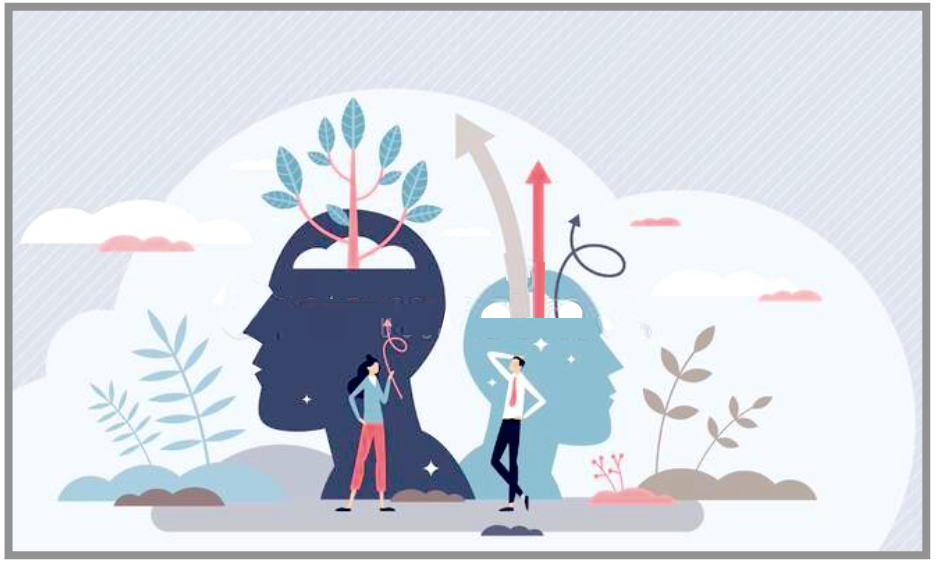
🔺MHP Don’t – give up. Ever!
They have a growth mindset, knowing that ‘overnight success’ is rare or a myth, since most worthwhile things don’t work out immediately – even after several ties! MHP don’t get discouraged or quit if they can’t reach a goal right away, because they believe in their product or talent, even when others don’t.

They consider “failure” a chance to improve their knowledge – if needed – & to strengthen the resolve to find their place in the world. Even if they’re rejected or ridiculed, they hold their head high, refusing to let it define themself as a person.  Many wildly successful people started out with repeated disappointments (EXP : Thomas Edison, Henry Ford, J.K. Rowling….).

✔️ Practical EXP: When you need help to resolve a tech problem, it will always take 3 phone calls before reaching someone who knows how to fix it ! & is happy to help.’

🔺MHP Don’t – allow themself to be dominated
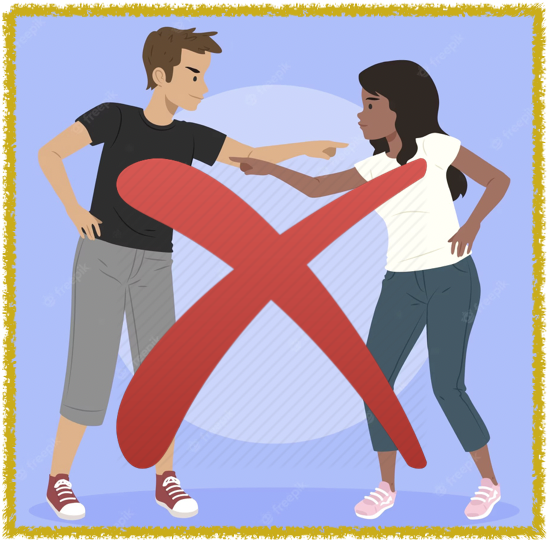
Truly successful people don’t put up with bullies. Standing up for themself often means standing up to someone. They find ways to overcome difficult personalities – not necessarily by fighting the other person on the other’s turf, nor with tit-for-tat actions.

Empowering themself is an essential part of creating the kind of life they want, knowing that their strength comes from how they respond to all situations.  Power means being in charge of how they think, feel or act, which are not to be put in anyone else’s hands.

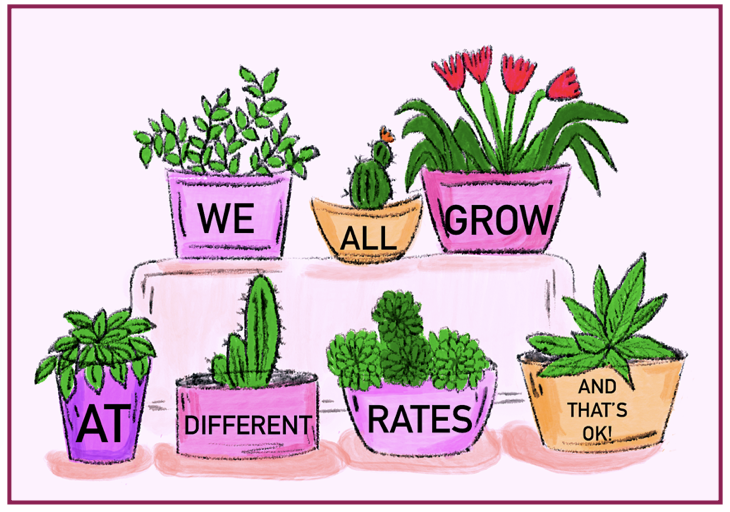
🔺MHP Don’t – assume automatic growth
In the same vain, they know that self-growth develops slowly & that expecting instant results will lead to disappointment. They consider their personal efforts as a marathon, not a sprint, viewing bumps in the road as minor setbacks rather than total roadblocks.

They use all their mental strength & personal will to provide the resilience to push through challenges. Anyone can strengthen mental muscles by validating their gifts & working on what needs improvement. MPH create opportunities for growth & then challenge themself to be a little better each day, “one day at a time”.

🔺MHP Don’t – believe in luck
Although some luck may be an ingredients in their success, MHP don’t rely on it. They place themself in its path by showing up & doing the hard work.
They focus is on making their best effort in every area of life, so that good fortune (when it shows up) no longer strikes as a form of salvation but as a welcome bonus.
Research shows that ‘lucky people’ are especially good at creating & noticing chance opportunities, making decisions based on listening to their intuition, positive expectations & a resilient attitude.

🔺MHP Don’t – betray their values
They have clear & deeply held ethics & standards. While there may not be many non-negotiables, the ones they do have are sacrosanct. Rooted in realistic self-esteem, they aren’t willing to compromise beliefs in order to be accepted or improve their bottom line.

Sometimes making the right choice for themself based on their values may disappoint or upset others. They try to be fair, even kind, as they navigate their way through such a situation with “finesse.”
This takes courage, but is part of living an authentic life. Basing decisions on healthy standards strengthens their integrity & the possibility of achieving their goals.

🔺MHP Don’t – blame others
They know everyone makes mistakes sometimes, including highly competent & productive people, so they don’t need to make others responsible for their own limitations or errors.

Successful people understand when they’ve made a mistakes & own up to it. If something doesn’t go right, they ask “What could I have done differently to change the outcome?”, knowing it wasn’t someone else’s fault. Instead of blaming, they apologize & move on. Then set about finding a better solution & changing outcomes – if possible – in the future.

NEXT : Dont’s – #2

AVOIDANT Attachment Style – GROWTH

PREVIOUS : Anxious – Avoidant

SITE : “Rewiring Your Avoidant, Anxious, or Fearful Attachment Style


IMP. NOTE : MORE Attachment posts will continue in OCT 2023


Healthy Self-Regulation for Avoidant Attachment style
Research suggests that these attachment patterns are consistent over time, but there is other research and many psychological professionals who believe that with insight and some hard work, you can interrupt negative attachment patterns.

Self-regulation means being able to manage your emotions & actions in order to achieve what you want in the long-run.
Basically, it means think before you act. It means understanding your triggers, as well as how you typically react to them.
Emotional triggers for Avoidants :
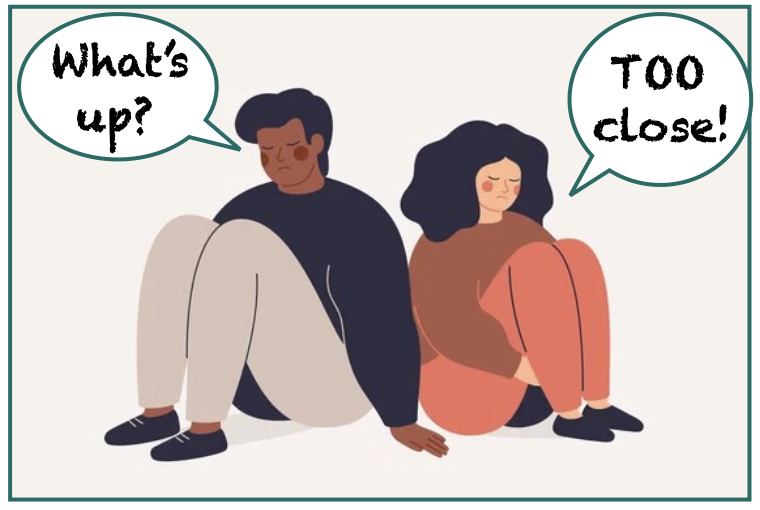
🔻A partner wanting to get too close – wanting to open up emotionally, demanding your attention
🔻Being judged or criticized for being emotional
🔻Feel the relationship is taking up too much of your time
🔻Having to be dependent on others
🔻Unpredictable situations, or feeling out-of-control

Any of these triggers could cause Avoiders to withdraw, distracting themselves from uncomfortable;e emotions with work or hobbies, or pretend they don’t exist at all.

Healthy self-regulation if you’re an Avoidant
🔺Allow yourself to trust others who’ve proven themself trustworthy
🔺Express your needs & desires to  loved ones
🔺Let yourself depend on safe people by asking for help when needed
🔺Give yourself permission to experience any emotion that surface & resist repressing them. Find safe ways to feel, express & share them

TIPS to help Avoiders Self-regulate
1. Take personal space when you need it
One thing that probably won’t change is your need for personal space in a relationship – and that’s OK. This is especially true when a conflict starts to escalate – so it’s a constructive thing to do. It may preserve the relationship if you want it to!  & could even help it grow.

2. Open your communication
At their core, Avoiders have a fear of feeling, showing strong emotions, which feels like being out of control.

Being able to discuss things with a partner openly & honestly is the key to co-regulating emotions. This prevents a buildup of anger & frustration which can lead to blowing up or ‘disappearing’.  In time, the Avoider will learn that talking about feelings is better than bottling them up.

3. Challenge your inner critic
Their Avoider’s inner critic has convinced you to distrust others & that’s you’ll always be judge or reject for expressing ‘ugly’ emotions. This probably happens to you from your family, but does not apply to everyone in the present.

You may mistakenly self-regulate using these toxic belief , worrying how others will respond when saying how you feels. In contrast, you may idealize yourself to cover up hidden self-hate.
EXP : “I can’t get too involved with someone. They’ll just disappoint me”.
Correction :  Think of times when someone safe that you cared about was really there for you 0 listening without judgement. This can help counter your inner critic by proving it’s not always right.

4. Work on FoO Recovery
FoO
= Family of Origin. This can be done with a skilled & kind therapist along with any 12-Step Program that applies: Al-anon, CODA, ACA, AA, OA /for food, DA / for $$$ issues……

The right kind of therapy can help you identify unhealthy ways * meths of self-regulating. Along with the therapist, you can work through attachment triggers, brainstorming some healthy ways of dealing with painful emotions that won’t damage you or your relationship.  (Modified from article “Avoidant Attachment….)

NOTE : Therapy for Avoiders?
One type is Cognitive behavioral therapy (CBT), which works by identifying harmful thought patterns & behaviors, understanding why and when they happen, a& undoing them through role-playing, problem-solving, and building self-confidence. For avoidant attachment, CBT can help build secure attachment thought patterns as  replacement.

REMINDER : MORE Attachment posts will continue in OCT 2023 = after “Mental Health DON’Ts” posts

NEXT : MHP – Mental, #2a

DISMISSIVE-AVOIDANT Attachment (#2)

PREVIOUS : Dismissive-Avoidant Style, #1

SITE :


Dismissive-Avoiders (D-As)  compensate for fear-of-abandonment by a completed mental reframe that says: “I am good, I don’t need others & they’re not really important to me. I’m fine as I am”

A distancing trick Dismissive used to keep true intimacy at bay – is telling ‘the story’ of a long time ago when they let that special one get away.Or it may have been the relationship that ended when the partner left early in their romantic life, or maybe one that was long-distance.

The memory of this idealized previous partner is used as a weapon when the Dismissive tires – as they quickly do – of a real relationship & its demands, since no one could measure up to the “their first love”.
NOTE: This is similar to the mother who pines for the ‘beloved baby who died very early – comparing current children unfavorably to that ‘perfect’ one.

D-As do have need for emotional attachment, but it’s buried deep in the unconsciously. It will only show itself indirectly, as the person becomes skilled at using various forms of control to get others to be there for them
EXP:  They find & use people who are obvious needy over-givers who provide without having to be asked, like codependent rescuers.

They use the shield of self-sufficiency & false self-esteem which serves to suppressed unacceptable feelings, while playing down the effect of those early hurts or embracing them as responsible for building their character. (“They made me who I am today. I’m not like those people at work who have to hold someone’s hand before making a decision.”)

Studies indicated that Dismissives “were most likely to be workaholics, & most inclined to allow work to interfere with a social life. Some said they worked too hard to have time to ‘bother’ getting together, & some that they preferred to work alone.
Because of their ability to focus on work & function well on their own, dismissives can be phenomenal explorers & ‘lone’ contributors. In fields where performance is not based on group efforts, & a lack of concern for others’ feelings can actually be beneficial, the Dismissive can be a star player (some types of litigation, or some scientific fields…).

Dismissive – Avoidants . . . cope by distancing. THEY –
— form relationships with no future (someone married)
— pine away for an ex-girlfriend/ boyfriend
— pull away when things are going well (like not calling for several days after an intimate date)
THEY
— say (or think) “I’m not ready to commit”, but stay together anyway – even for years
— keep secrets & leave things foggy, to feel safe
— never say “I love you”, while implying you do have feelings for the other person
— mentally check out when your partner talks to you
— flirt with others when in a relationship , a hurtful way to create insecurity
— focus on small imperfections in your partner: the way they talk, dress, eat…. allowing it to get in the way of romantic feelings

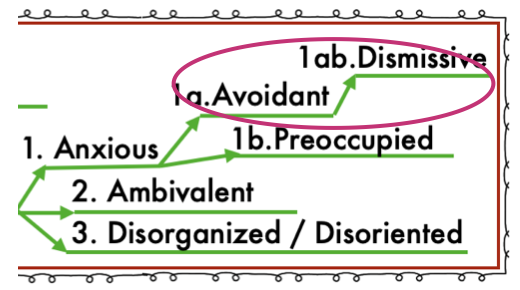
❤️‍🔥 Contrary to the other attachment styles so far, this one is separated into three different types (from “Attachments” by Clinton & Sibcy.) :


  NEXT: D-A Growth

DISMISSIVE-AVOIDANT Attachment (#1)

PREVIOUS : Anxious – Avoidant –  GROWTH


💚 ME – yes  /  YOU – no

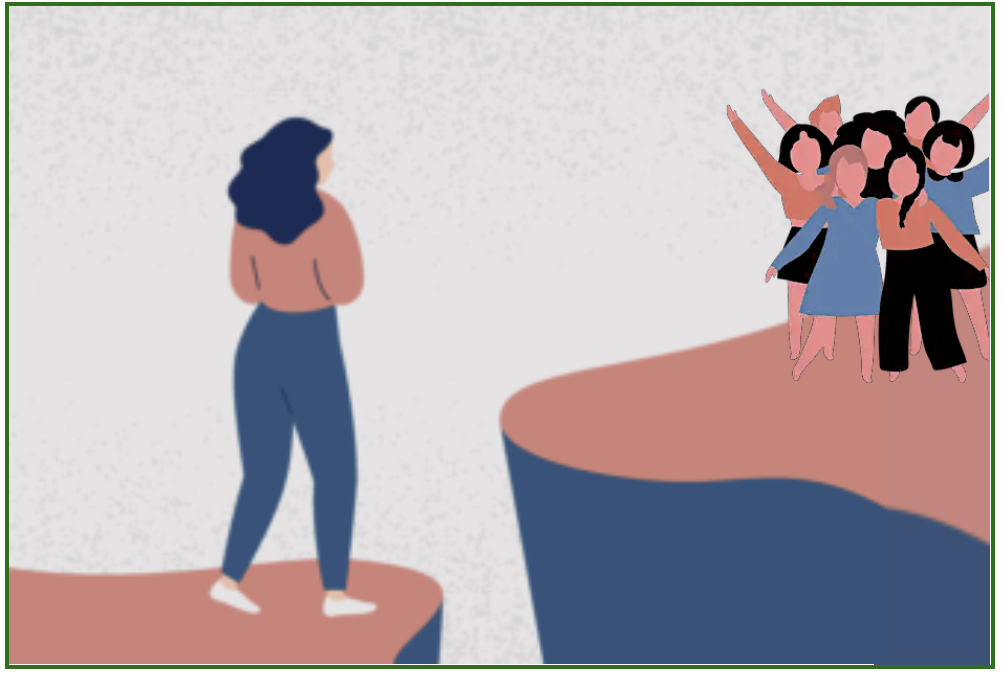
Dismissive Avoidants  (D-As) seem to have a high opinion of themself, with a low assessments of others in relationships. While having some underlying traits similar to Fearful Avoidants, this type would rather rely on themself to meet their needs because they can’t trust anyone else to do it.

Unreliable caretakers in childhood have left them with a deep subconscious fear of intimacy, so close attachments are considered un-needed & pointless.
☻ What they’re mainly avoiding are early traumatic memories of childhood pain, & the current pressure of closeness which includes expectations & messy emotions.

D-As have a high avoidance but low anxiety profile, unlike those with the Preoccupied style.  They see themself as independent of others, uncomfortable with any form of intimacy, so are psychologically distant, rarely sharing innermost feelings.

They will proudly say they value their self-sufficiency & independence, experiencing attachments as strings that hold you down.  They see needy people as weak, & that empathy or sympathy are for lesser creatures, so will not support partners during stressful times.

When dating, at first avoidants can be charming, having learned all the social graces. They know how they’re expected to act in courtship & can play the role well – for a while. But without a positive view of one-to-one connections, Dismissing-Avoiders expect a relationship to fulfill a romantic ideal which no human can fulfill, so everyone always falls short. ‘Naturally’, dates & mates are discarded when they become too annoying or invasive.

D-As make poor adult-partners, not taking attachment issues seriously, & find it hard to be supportive to children & friends.
If they let themself be in a relationship & the partner keeps trying to get attention & be intimate, the D-A will pull away –  rejecting the relationship as burdensome & will likely end it.
Instead – they get their needs met for attention, sex & community by being with un-demanding partners who don’t ask for real reciprocation or emotional closeness (like an Anxious-Preoccupied).

Because D-As don’t invest much emotion in relationships, they’re not very upset when one ends. They often avoid intimacy by using excuses (such as long work hours), or may fantasize about other people during sex. Afraid of losing autonomy, they avoid emotional, even physical closeness (have a lower sexual appetite). Research has also shown that adult Avoiders are more accepting of & tend to engage in casual sex.

The more extreme avoidants are almost incapable of talking about their emotions, & whatever feelings they’re aware of are mainly negative, but have great can’t find the words to describe them.
This syndrome is called alexithymia, the roots of the word literally meaning “having no words for feelings,” which is not the same thing as not having feelings. In the worst cases, some can only express themself with incoherent rages & tantrums.
Or it will show us as unexplained physical symptoms – such as stomach pains and adrenalin rushes, fast heart rate, loss of energy, nervousness, “uncomfortable in one’s skin…”


NEXT: Dismissive-Avoidant #2

ANXIOUS Attachment Style – GROWTH

PREVIOUS : Anxious – PREOCCUPIED

25 POSTs : “Secretly Angry Nice People” & co-dependence

BOOK: “Not Nice – Stop People-Pleasing….

❗️Remember you were only a child (in a dysfunctional environment) when you developed your Anxious Attachment style, & that it was in no way your fault!

❗️Access your deep-seated need for security! Be compassionate toward yourself as you get clearer about your painful childhood. Sty awake for when you feel especially scared & where that’s located in your body.
Take responsibility for any old ‘issues’ that get triggered & acted out, questioning the validity of the negative beliefs that scare you.

❗️Don’t abandon yourself – know what your needs, wants & dreams are & then find healthy ways to provide them. Put those desires in the foreground instead to burning yourself out to ‘buy love’ & approval.

When you feel anxious, talk it thru with a trusted person & share it in Al-anon. Practice the mental attitude of thinking positively to feel happy – without needing to make everyone else feel that way too. Your serenity is just as important to you, so embrace it!

❗️Be honest about you needs from the start of any relationship – it’ll make the wrong people leave & the right ones stay. Stuffing emotions, opinions & needs is how Anxious Attachers cope. We keep ourself small or invisible – to make room for pleasing others. Stop!

Bravely ask for anything you want, but don’t assume everyone can actually comply. Make sure you go to the right people – who already have what you need. Even so, they’re not obligated to provide it !

❗️Practice noticing & then believing that other people’s behavior is not about you (not personal!).  Accept that almost everyone projects their own experiences, judgements & self-hate – on to others – including you. Their reactions are theirs, no matter what you do or who you are.

❗️Stop equating love with the adrenalin rush of a romantic high. Take romantic partners off the pedestal – they’re not going to save you! Stop people-pleasing, Choose friends & partners who are already emotionally available, committed & empathetic, who can value & treasure you just the way you are. Avoid Avoidantly Attached types.

❗️Remind yourself that if your trustworthy partner pulls away – it’s temporary, not a “worst-case-scenario”, which BTW you are projecting your family on to them.
Calmly express you fear of abandonment, rather than accuse, blame, control or demand. (Stop the drama).

❗️Accept & respect “NO.”  Be able to handle feeling rejected – especially when it’s not a rejection of your Self. While you must speak up about what you need & want, also allow others to set their own boundaries, not be available, or say they don’t know how or can’t help you.

You don’t have to like it, but respect it the same way you want to be respected. Then ask yourself if the relationship provides other things that work for you. (It may not!)
If a partner or friend isn’t allowed to say “No” when they need to, they’ll start avoiding you.  We can not get everything we want or need from one ‘special’ person, and we can tolerate a no more easily when it’s presented, by learning to self-soothe – comforting the Wounded Inner Child.

↗️ Laws of Detachment are about trust & surrender rather than control: From a psychological perspective, neuroscientist & author Tara Swart, Ph.D., in the The Source, says that “it takes time to build up & strengthen neural pathways before you are ready for a new behavior, relationship, or job.” So don’t get caught up in timelines, overthinking, & doubts.

Al-anon saying: “Take the action & let g0 of the results”. When we stop insisting that outcome must be our way, we’re free to stumble across wonderful possibilities & real options.
«

NEXT :Attachment = Dismissive-Avoidant. #1

ANXIOUS-AVOIDANT Attachment (#2)

PREVIOUS  : Anxious-Avoidant (#1)

SITE :Serial Monogamy” (EXP: Liz Taylor)


Anxious-avoidant
s long for intimacy but are (unconsciously) terrified of rejection from their partners. This fear make them pull away or close themself off. When in a relationship that starts to get too close & requires emotional openness, their self-hate & mistrust of others surfaces & they use manipulative ways to escape.

This can lead to the push-pull pattern of alternately trying to keep a partner attached, then pushing them away when the partner asks to be close. In their own double bind –  they’ll feel cranky & empty when pulling away, but still dream of being wanted.

JOURNALING
F-As struggle with negative core beliefs about the Self, which  turn into negative actions. You can become aware of those Toxic Beliefs. by journaling or thinking about them when driving or on a walk. Staying awake to your harmful inner voice *Negative Introject) can give you the opportunity to disagree with it, which will minimize your need to be avoidant.

📯 Be wiling to identify, admit & feel the pain of your childhood abandonment & neglect
📯Learn to notice & acknowledge the difference between people who want to use you vs. those you genuinely love you
📯 Acknowledge what you’re doing = that you act out or withdraw when you feel ‘crowded’
📯 Choose better ways to calm yourself when you get anxious when someone is getting too close to you

Prompts
📫 What are some signs that I might be projecting past abandonments on to a new relationship?
❤️‍🩹 How can I  practice self-compassion when I act on the urge to avoid an emotional situation
❣️What are my beliefs about relationship endings?
What influences those beliefs?
🖥️ What is my relationship yo my career, and hobbies?
Am I using them as a form of escape from intimacy?
«


«
 F-A struggles with low self-esteem – not deserving of approval & acceptance – also affect their sex-life.. They look for sex to meet their need to feel loved but without having to be emotionally available, as a way of avoiding potential loss. While they may think they long for sex within a long-term relationship, their negative beliefs can often keep them from taking the risk.
«

«
PARTNERs of  F-As : Improve your SEXUAL Relationship
♡ Be open & available
If you figure out that your partner’s avoidance stems from low-self esteem-anxiety rather than a lack of physical attraction, you may want to take extra care to provide reassurance they might not even realize they need – making it clear by the consistency of your actions that you can be relied on to provide a level of safety for them.

Slow down you heat-of-the-moment comments
Sexual encounters can spur automatic behaviors in a F-A partner, like – springing out of bed immediately post-orgasm.
☸︎ Stop to notice your own emotional reaction before saying anything. If you’re able to be objective, you may consider asking “‘Would you be willing to stay in bed with me a little longer?”// “Can you tell me what’s going on?” // “Can you please slow down instead of rushing off?” // “What do you think just happened?” …..
Learn better ways to Communicate Needs
Instead of making accusations & pointing a finger at your partner (which can spark defensiveness) it’s better to use ‘I’ statements.
EXP :  instead of  ‘You always seem disinterested when I’m talking to you,’ say, ‘Sometimes I feel unheard when we’re talking about a serious subject . Will you let me know you understand what I’m saying?’”

Frame sex conversations about pleasure & play
Too often the ‘talks’ are about emotional frustration or sexual disappointment.
Instead, rather than focusing on what’s missing, make suggestions about how to have more pleasure when you’re together. Highlight an exciting or new element about any sexy idea that’s of mutual interest. It can spark a conversation about pleasure that may ultimately open the door for more intimacy. EXP : Mention – “I just read about this new sex position I’d love  for us to try,” or “Theres a new sex toy talked about on a podcast” 


NEXT :ANXIOUS Attachment – GROWTH

ANXIOUS-AVOIDANT Attachment (#1)

PREVIOUS : Anxious Preoccupied, #2

SITEs :
Yes it’s your Parents Fault” & Commentary

Attachment AVOIDANCE & the Brain 

🖤 ME-no / YOU-no
This style may be one of the hardest to understand – confusing to both sufferers & observers. While these types have a strong desire to protect themself by avoiding relationships, they still having a strong desire to be in one. They’re torn between the fear of being too close to and of being too far from others.

People with the Anxious (fearful) AVOIDANT style have a negative views both of themselves and of others➖/➖ .
They feel unworthy & undeserving of love, but also believe it’s not safe to give their love & trust to others — because they’re convinced everyone will always hurt or reject them.

Their moods are confused & unpredictable. While they desperately try to suppress all emotions, the pain of loneliness & fear of abandonment leaves them overwhelmed, often experiencing emotional storms.  (Post : “ACoAs & Boundaries #4 ↙️ )

The need to connect is real but it feels terrifying because they’re convinced they will always be rejected or inevitably lose the one they care about. To protect themself they settle for avoiding close involvement with others. The tragedy for them – without Recovery – is that the person they want to go to for safety is the same person who will be unsafe.

If they do find themself in a relationship, they’ll cling to their partner when feeling rejected, then feel trapped when they get closer.
Result : Their relationship timing is usually off since they don’t have a workable strategy for getting their needs met from others.

a. Avoiders are most likely find themself in rocky, dramatic or physically abusive relationships, with many highs & lows, swinging between fear of punishment and the struggle to feel connected & secure.

b. On the other hand, without Recovery, Avoiders haven’t developed the armor of high self-esteem that would allow them to function well whenever they happen to be without an attachment.

 
Avoidants can cause a lot of problems in a relationship, most likely when paired with a Secure or Anxious-Preoccupied partner – which is especially draining emotionally for the Anxious one.

Vicious Circle : ✤ When the Avoidant physically withdraws & is emotionally distant – it triggers the Anxious-Preoccupied partner, who feels insecure & so tries to draw the other person ‘back in’

✤ This makes the Avoidant pull away, because they feel pressured
✤ As the Preoccupied continues to try closing the gap, the Avoidant grows more distant, feeling suffocated

✤ This can easily turn the Preoccupied’s fear into rage, which leads them to act out with some extreme behaviors (yelling, berating, accusing, jealousy, sulking….), making things worse.

✤ After the dust settled down, the Preoccupied will feel intense shame & regret, remembering what they like about their partner
✤ However, the Preoccupied’s over-reactions push the Avoidant away even more, who focuses on their partner’s negative traits -which keep repeating.
Hopefully, becoming aware of this pattern can help both people want to get help to change, & so reduce their conflicts.
«

 «
NEXT: AVOIDANT Style #2

ANXIOUS-PREOCCUPIED Attachment (#2)

PREVIOUS : Anxious-PREOCCUPIED (#1) 


When triggered,
AS a Preoccupied 
you’re always obsessed with how to keep or re-establish closeness with your partner. The pain of anxiety only goes away when they’re with you.
YOU:
♦︎ are so mentally focused on your mate that you have trouble concentrating on other things
♦︎ only remember your partner’s good qualities, ignoring all the ways they hurt you
♦︎ put them on a pedestal, under-estimating your talents & abilities, while over-estimating theirs
YOU
♦︎ believe this is your only chance for love, thinking :
⚆ “I’m compatible with so few people – what are the chances I’ll find another person who’ll want me ? “
⚆ “It takes years to meet someone new.  If I let go of this one I’ll end up alone.”

♦︎ believe that – even though you’re persistently unhappy, you’d better not break up, because :
 ⚆ I know “They can change.”
⚆ “If they leave me, they’ll the a great person—for someone else.
⚆ “All couples have problems, so it’s to be expected & I just have to live with it”

«
Anxious-PREOCCUPIEDs & SEX
The bond
we develop with our main caregiver in childhood may condition our sexual desire,  & then how we’ve learned to relate to each other influences how we behave sexually.
Interesting : Findings in a study of 100 Saudi couples suggested that people with lower avoidant scores (anxious-preoccupied) had higher sexual desire, and those women reported higher sexual satisfaction when their partner’s level of sexual desire was higher than their own. (culturally based?)

Red flag : when sex becomes necessary to fix emotional issues –  our old abandonment trauma. Sexual behavior of Preoccupieds is driven by trying to make up for the a deep lack of love & security – rather than from a place of empowerment.
They use sex  :  = for approval, closeness & reassurance
= to temporarily soothe loneliness & to feel ‘wanted’
= as manipulation, to make the partner available, get their attention & be taken care of (as replacement mother)
= to fill an inner emptiness because of missing the True Self.

Preoccupieds have porous boundaries, so sex is more oriented towards the needs & desires of the partner, rather than their own. Avoiding their own preferences can result in lower free-flowing passion but increased desire, as sex is less about pleasure & intimacy, & more about forcing contact.

Because their focus is on ‘the other’ – and choosing other unhealthy attachment styles – Preoccupies feel under-appreciated & misunderstood by their lovers, or generally unsatisfied with the way they’re treated.
This comes from the fantasy/ illusion that the partner should :
🔎 already know what the anxious one needs without having to be asked for it – the same way an infant needs to be provided for before they can talk!
🖇️ reciprocate-in-kind all the affection, attention & love which the anxious one showers on them (in gratitude?) – a tit-for-tat game rather than given from generosity

When a Preoccupied’s hopes/ expectations / demands are not met, their rejection-terror can show up as obsession & being emotionally labile (rapid, exaggerated changes in mood). Even the most minor unavailability from the partner can cause extreme jealousy, distrust & displays of anger.

For ex-partners – when your relationship ends with an anxious person, it often leaves bitterness & resentment in them. So it’s not likely you can ‘just be friends’ after you’ve been sexually involved with them.
««
Sexual Addiction
DEF :
compulsive behaviors such as constantly looking for new sexual partners & frequent sexual activity, use of pornography & compulsive masturbation.
Cognitive & emotional symptoms include obsessive thoughts of sex, feeling guilty about excessive sexual behavior, & desire to escape from or suppress unpleasant emotions…..

One study-results indicated that people with a high rate of sexual compulsivity are looking for sexual activity without emotional involvement. They’re more likely to have an Avoidant or Anxious attachment style, with trouble forming Secure attachments as adults.

Another study chose gender-balanced sample (53 men, 51 women) who responded to measures of sex addiction, adverse childhood experience, adult attachment, narcissism, self-compassion, and motivation.
Anxious attachment types showed a strong connection between adverse childhood experiences and/OR narcissism and sex addiction. Being Self-compassionate did not correlate.

Note: despite having many lovers, anxious individuals are more likely to use condoms during sex, perhaps because of being more careful & fearful in general..

IMAGE ↗️ re. PARTNERS of Sex Addicts 
Partners often experience Complex Betrayal Trauma  from being in a long-term relationship with someone who is sexually addicted. The Complex is made of up three overwhelming, traumatic experiences all meeting together in a perfect storm, which intersect with & overlap.
«
NEXT : Anxious-Avoidant #1

ANXIOUS-PREOCCUPIED Attachment (#1)


PREVIOUS : Attachment – DYSFUNCTIONS #3

💚 ME-no / YOU-yes
This is the most common ACoA attachment style, and directly explains co-dependence in relationships . This is the second largest attachment type group, at about 20% of the population.

People with Anxious (fearful) PREOCCUPIED style (APAS) have a totally
🔻negative ➖ view of themselves = undervaluing, &
🔺positive ➕  view of others = overvaluing .

Sadly, because of feeling unworthy, they’re convinced that no one cares about them as much as they care about others.    Seeing others as better than themself, they’ll go above & beyond to hang on ‘special’ people in their lives, trying to keep the partner happy & avoiding conflicts.   They can be loving, forgiving, loyal & thoughtful, BUT not be able to accept genuine kindness & help in return.

CAUSEs of Anxious Preoccupied Attachment Style
a. Growing up with parents who could not provide stable or consistent support, (engaged & responsive to the infant’x needs, then unavailable or distracted) —>  it’s likely the chid will develop ‘uncertainty anxiety’ about whether its needs will be met or not . 

b. Conversely, with an overly-protective parent who catastrophized every minor frustration, inconvenience or disappointment – this child may also develop APAS = because it never feels safe, & is worried even in mildly uncomfortable situations, much less real problems.

As children, Preoccupieds often had to be responsible for their parents’ emotions, rather than the other way around. They obsessively (hopelessly) tied to please their parents, leaving them angry  & disappointed.

Later, this early inconsistent relationships & lack of boundaries results in adult confusion about what our emotions & perceptions are – vs – those of others.

As preoccupied children grow up, they’re often too self-absorbed to quietly listen to emotional messages sent by others, & likely to be unreliable partners in games or at work. EXP : In one study – preoccupied students – enmeshed, angry & incoherent when talking about their parents – “were seen by their peers as anxious, self-absorbed & ruminative (obsessive)”.

Not yet able to get a grip on what happened to them, Preoccupies’ memories of their early life come out in a confused stammer. so the trauma isn’t integrate it into an understandable picture that that could set them free.
Still so psychologically enmeshed with their parents, their infantile emotional flooding bewilders them & keeps them in dysfunctional patterns.

SITE: 10 causes of developing APAS in childhood

CHARACTERISTICS
At an extreme, especially when with either a Secure or a Dismissive partner, APAS’s constant demands for attention (too needy) makes them “high maintenance”, which can drive others away.
 YOU :
❥ have a low avoidance threshold (always be with someone, so date a lot), but at the same time have high social anxiety 
❥ tend to idealize other people, & are desperate to form a fantasy bond
❥ are too concerned with what others think about you,  creating a dependence on their acceptance to feel OK
YOU
❥ are overly-involved & clingy when in relationships (symbiosis & co-dependence, people-pleasing)
❥ compulsively reach out to others to fulfill your needs, expecting a partner to rescue or complete you
tend to fall head over heels in love with a new romantic interest – too fast – because of emotional hunger
YOU
❥ have a distorted view of reality : convinced that to be close to someone & get your needs met, you have to be with that person all the time to get constant reassurance, BUT——>
<—— because of self-hate & fear of abandonment, you choose someone who is isolated & hard to connect with

❥ find it hard to identify & stick to boundaries, seeing any space between you two as a threat, assuming it means your partner no longer wants you, which can trigger panic & anger

❥ interpret the partner’s (normal & appropriate) independent actions as proof of your abandonment anxiety, which is fueled by your self-hate. You then use guilt, controlling behavior, or other manipulative tactics to keep them close.

EXP :If the partner socializes with friends, you’ll think, “See? He /She doesn’t really love me. This means they’re going to leave me. I was right not to trust them” …..

SUMMARY

NEXT: Anxious-Avoidant Style #2

Attachment DYSFUNCTIONS (#3)

PREVIOUS :
Attachment Dysfunctions (#2)


NOTE: According to the DSM-5, RAD & DSED are two childhood socially disabling attachment disorders – resulting from childhood trauma,. RAD is not a form of Disorganized attachment, which is caused by confusing caregiver mistreatment & can lead to oppositional defiant disorder (ODD).

The critical period for damaged development is in the first 6 months of life, up to age 5, but there is growing evidence that RAD & DSED symptoms may persist into adolescence & early adulthood.

♠️ RAD = Reactive Attachment Disorder
RAD is considered a rare (1-2%) & lifelong condition that results from non-attachment in very early childhood – caused by insufficient care, such as social neglect, a deprived or limited opportunity to form stable  attachments to caregivers.

RAD children may have experienced a  a traumatic birth, sudden separation from mother or continual PMES abuse. Most grew up in shelters, orphanages, foster homes, a war zone…. receiving little 1-on-1 attention.

Since these children didn’t have the opportunity to experience comfort from others, they don’t usually feel pleasurable emotions, but more likely are irritable & unhappy even during normal activities with adults. Tend not to be interested in playing interactive games in groups.

As young children they’re prone to tantrums or uncontrollable crying, & spend time alone trying to comfort themself (rocking, head butting, thumb sucking….).
Other symptoms – THEY :
► seem to have an under-developed conscience – stealing, lying, often disobedient, & don’t express guilt or remorse after behaving badly
► may have abnormal speech patterns & persist in asking nonsense questions or have unusual arguments with others

► can be preoccupied with fire, blood or gore, & be cruel to animals or siblings (More…. extensive lists)

♣️ DSED = Disinhibited Social Engagement Disorder
This disorder is another face of damaged Attachment, rather than a behavioral problem – from various forms of neglect, most prominently Emotional.
It’s described as the child’s inappropriate, overfamiliar & indiscriminate social interactions with strangers, preoccupied with getting their attention despite the presence of their family/parents.

Common ground with RAD & DSED is that both groups find it very hard to form emotionally meaningful bonds with anyone, although acting from opposite extremes, which makes it hard to have nurturing long-term relationships.
While similar abnormal upbringing will produce either inhibited (RAD) or disinhibited (DSED) styles, studies suggested that abuse & neglect was far more prominent & severe in cases of DSED.

Not all these children were raised outside the family. Many grew up with parents who were severely narcissistic, mentally ill, alcoholic, obsessive-compulsive, too preoccupied with their mate, covertly suicidal….
It left a gaping emotional hole that desperately needs to be filled – anyway possible – & these children use their persona of being very friendly & outgoing as ‘bait’. 

DSED children act in abnormal ways – for their age. They :
◆ often wander away from mom in social settings out of not feeling bonded to her, loneliness, social curiosity ….
◆ will hold hands, hug or sit on the lap of a new person without an invitation
◆ can easily leave with a stranger, even without being seduced or manipulated

Signs of DSED in young children can show up as trouble thinking rationally (living in fantasy, dissociated, smiling when describing painful events….), & in adolescence as poor social skills.
♦️ Obvious DSED behaviors may or may not persist into adulthood, but even if those ‘calms down’, there can be residual patterns, such as over-disclosure, idealizing desired friends & lovers, weak boundaries…...
«

«
LINK between Attachment Types & Childhood TRAUMA
Study by Atilgan Erozkan, Mugla Sıtkı Kocman U, Turkey

Results provide more verification of typical developmental disturbances seen from research in other parts of the world (US, Italy, UK, Poland, Australia ….)
🔻 Secure attachment is inhibited by growing up with physical, emotional & sexual abuse, along with physical & emotional neglect.
🔻 Fearful, Preoccupied & Dismissing attachment styles are predictable results from harmful parenting.

FROM a Study in Texas 
To assess childhood mistreatment found in a community sample of 676 active drug users, Medrano, Hatch, Zule, and Desmond (2002) found that :
— 53% of women and 23% of men were sexually abused
— 53% of women and 43% of men were physically abused
— 58% of women and 39% of men were emotionally abused
— 52% of women and 50% of men were physically neglected
— 65% of women and 52% of men were emotionally neglected.

NEXT : PREOCCUPIED Style (#1)