
 «
«
PREVIOUS: Alcoholism INTRO #1a
SITE: Behavioral Addiction (many articles)
🖌️ Addiction vs. Alcoholism
🖌️ LEVELS of SEVERITY for AUD
1. HIGH Functioning Alcoholic (HFA)
Denial
• trouble seeing themself as alcoholic because they’re successful , & not on Skid Row
• uses alcohol as stress-relief & a reward
• has few tangible negative consequences from drinking, by sheer luck
Professional Life
• keeps consistent employment, well-respected for job performance
• has a good education
, with academic accomplishments
• makes artistic, social or political contributions 
Personal
• externally seems to be managing life well
• maintains family &/or romantic relationships & friendships
• skilled at compartmentalizing (separate professional & drinking lives)
• usually has one or more co-dependent helpers covering for them (rescuers, enablers)
Drinking Habits
• one alcoholic drink sets off craving, become obsessed about next drink
• obvious personality changes, compromises morals when intoxicated
• repeats unwanted drinking patterns & self-destructive behaviors
SITE: ” The Cure for High-Functioning Alcoholism”
2. AVERAGE functioning alcoholic can be someone who:
✴︎ drinks alcohol to replace eating food
✴︎ has angry or defensive reactions when someone suggests alcoholism
✴︎ can’t remember what happened while under the influence
 ✴︎ sets drinking limits, but can’t stick to them
✴︎ does “pre-drinking” before an evening out
✴︎ tries to hide drinking from others
✴︎ drinks in the morning, throughout the day or while alone
✴︎ jokes about the possibility of being an alcoholic (More….)
⬆️ SITE: “I’d drink to just about anything. Being a functional alcoholic is no fun at all”, writes Kristen Pyszczyk
ADDICTION CYCLE
a. Problems – external stressors & internal emotional pain causing anxiety
b. Fantasize – about using something for relief of symptoms
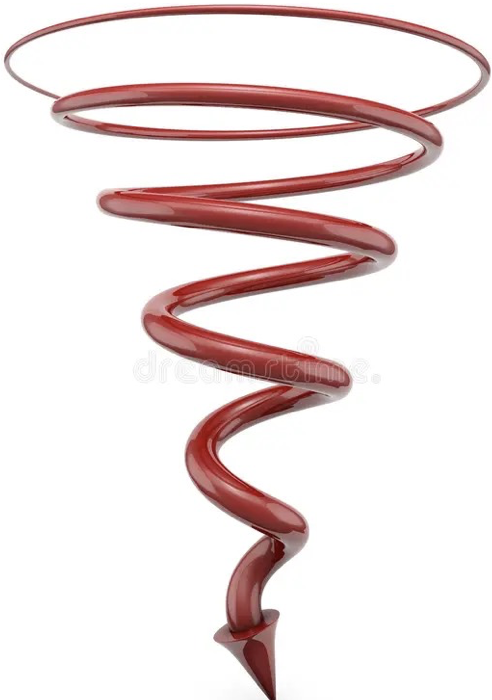 c. Obsession – about how using a substance will make life better
d. Actively using – engage in addictive activity
e. Frustration – dissatisfied that relief doesn’t last
f. Addiction – lose control over substance use
g. Shame – feelings of remorse & guilt re. bad behaviors
h. Promises – to self (& others), resolves to stop using, but can’t
“DRY DRUNKS”
If an alcoholic stops drinking, they’re not sober, mental-health-wise. But then it’s early days. AA says: “It takes a drunk 5 years just to get their brain out of hock!” Then they can start growing up.
OR maybe – the person is a narcissist who resists self-reflection & so can’t mature emotionally, which mainly shows up in personal relationships, even though their life may improve in many other ways.
• ANGRY
 Dry addicts are as angry after stopping, as when they were still drinking. But instead of directing it at the effects of the substance, they often aim it at whoever forced a change, whenf it comes from : a spouse threatening to leave, a boss to fire them, or a judge to jail them…. Resentment can surfaces after a few weeks into the ‘honeymoon period’ of abstinence. Unchecked, it can lead to a resumption of drinking. “The person I was – will drink again”.
• UNHAPPY
The ‘dry drunk’ may sink into depression when beginning to see their life with a little clarity. While drinking, they may have though everything was OK. But sobriety can bring an awareness of age, missed opportunities, health problems, & career & relationship failures.
IF Married : New expectations & demands are rarely welcomed, such as promising to be monogamous, to babysit the children, to attend church or family gatherings, to do well at work….. Pretending to be happy about these changes is waring & can’t be kept up
• IMPULSIVE
Not ‘using’ doesn’t change the alcoholic’s basic impulsiveness, which usually involves doing things against their best interest. Even if the addict did want to stop drinking, it’s common for them to switch substances. Irresponsible behaviors can be promiscuity, gambling, over-eating, over-spending…..
 AND unfortunately, poor judgement can be ‘encouraged’ by still hanging out with the old crowd of bad influences, OR the family’s attitude : “As long as they’re not drinking, we don’t care what they’re doing”
• IMMATURE
Newly dry alcoholics often miss many opportunities provided by psychological maturity – not being ready to handle a job, a healthy relationship, parenthood…
Unlike their ‘grown-up’ peers, they’re still acting like irresponsible teenagers.
They still demand immediate gratification, & when charm doesn’t get them what they want, they can become withdrawn, manipulative, passive-aggressive, complaining, attacking …..
NEXT: Alcoholism #2a
 HEAL & GROW for ACoAs