

«
PREVIOUS: Alcoholism INTRO #1b
SITEs : “What is Alcoholism?”
🧠 Alcohol-induced brain damage continues after alcohol use is stopped 🧠
📌 Addiction STAGES outline
a. EXPERIMENTAL : non-addicted
• Use a substance out of curiosity, peer pressure or rite of passage. No change in behavior or emotional reaction & is limited
b. SOCIAL : pre-addicted
• The ‘use‘ is part-of & acceptable-in their social environment. They still consider the amount normal, & keep it only to those events
c. INSTRUMENTAL : early-addicted
• Substance starts being needed to cope with personal, work & social problems, as a substitute for facing & correcting them directly
d. COMPULSIVE : fully-addicted
• The substance is the person’s main preoccupation – how / where they can get more. Shame develops, so there’s a need to hide its use, & their life is negatively affected, spinning out of control.
📌 4 Addiction LEVELS
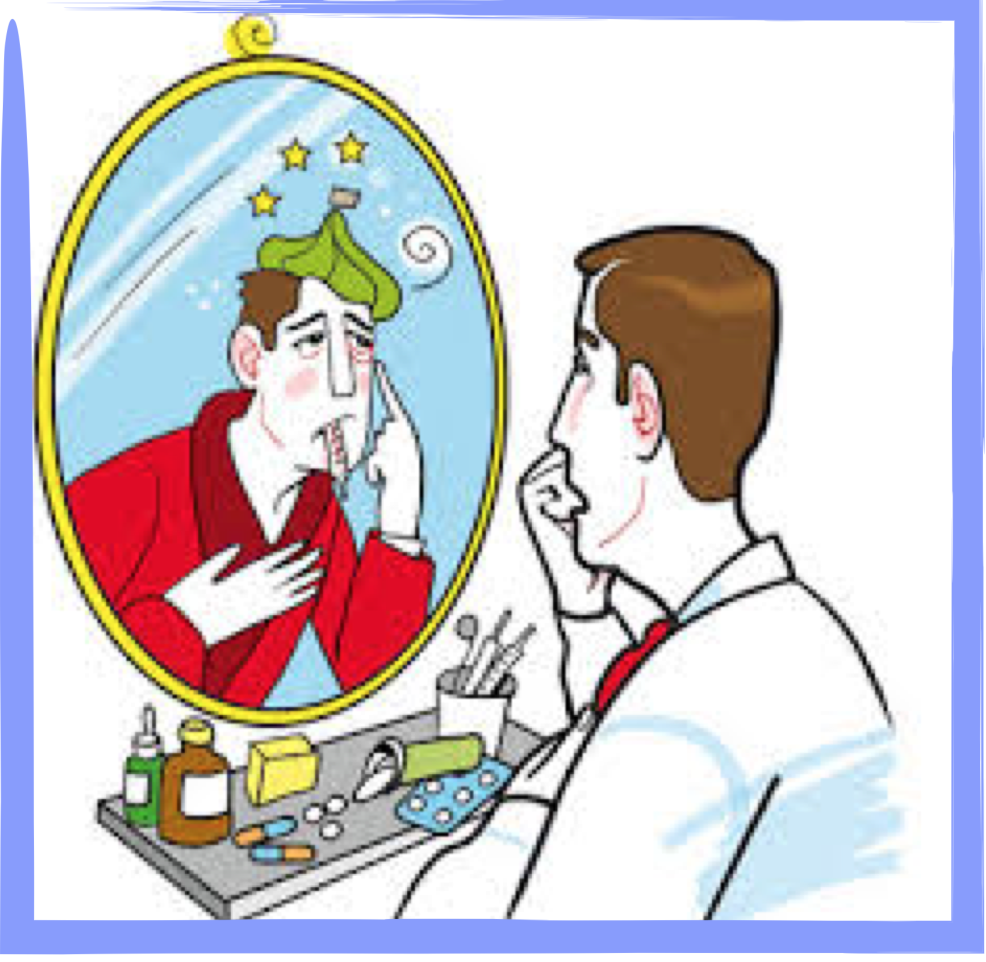 1. DENIAL – Adaptive – early stage symptoms (hangover denial)
• Occasional drinks taken to relieve stress or other problems – used as a crutch to cope with or escape reality. Alcohol becomes a way to take the edge off after a long day, & blur sharp outlines of life
• Gradual increase in drinking frequency & tolerance – rely more & more on alcohol to get through difficult times, so it’s less enjoyable & more of a habit. Now drinking either stays moderate – or progresses to the next stage. Tolerance is an indication that the brain has changed in response to the drug
• Thoughts become more focused on the next drink : “If I can just make it through these last 2 hours of work, I can head straight to the bar for some relief”
• Rationalizing alcohol over-use / abuse – telling oneself “I’m just having a rough few days, drinking isn’t that big a deal, or I’m not going out getting wasted every night, so I’m fine”
• The (now) addicted person is likely still unaware that alcohol is gradually becoming a controlling force in their life, & others have not yet seen that the person’s drinking habits are getting increasingly more dangerous
2. DEPENDENCE – Loss of control
 • Desire to drink is more intense – the body has become used to larger amounts with little or no effect. As it gains a tolerance, it expects the alcohol at a certain time, so drinking will start earlier in the day to compensate for the frustration that settles in during the afternoon. The drinker can still function, but becomes more & more focused on getting that next drink
• Loss of control over drinking habits – still easy to find excuses for needing one throughout the day in regular society, which makes it somewhat acceptable.
Consumption is more than the average person’s, but it can be explained away: “If you had the stresses I did, you’d drink too. / Everyone has a beer at lunch when we go out. There’s nothing wrong with it…. ”
• Alcohol-induced blackouts are common – the drinker can lose a lot of time (several hours, an entire day or longer….). They won’t remember where they went, what they did or who they were with, with obvious harmful physical, mental & financial consequences
• Withdrawal symptoms get more severe – when the effects of the alcohol wear off, 6 – 24 hrs after the last drink – dry mouth, painful headache, morning shakes, nausea, sweats & trouble sleeping. Hangovers are a regular event, but still ‘seem’ manageable.
• The drinker finally starts to realize there’s something abnormal about their drinking & others start to recognize it too. They still hiding it from others – spiking coffee or soda, stashing full bottles throughout the home & ones in the garbage away from home. Lying about where they were when out drinking…..
• Relationship problems & social isolation increases – late nights, drunken fights at home, falling down, car accidents….
May begin missing work or social obligations because of late-nite drinking or painful hangovers. Drink at inappropriate times, such as when caring for their children, when driving with family in car, & at work
✴︎ They may make several attempts to stop drinking, even attend support groups. However, many are not ready to face the rigors of Recovery, & resort to old habits.
NEXT: STAGES 3 & 4, + Recovery (#2b)

