Unrealistic Expectations – OVER (Part 1)

 I DEMAND MAGIC!
After all, reality bites, doesn’t it?

PREVIOUS: THEIR Attitudes – #5

See ACRONYM page for abbrev.

ACoA IRONY
POINT 1: Basically – ACoAs concluded that we can’t be anything, can’t have anything, can’t get anywhere! From years of suffering, a deep part of us gave up early in life: “What’s the use, I should be dead anyway”.

➼ A reminder about Abuse & Abandonment (A/A)
• Coming from THEM: A/A may or may not have been deliberate but was very real – not imagined, & the effects last a lifetime.  We got all sorts of abuse – things that no child should ever have to endure!

• For US to deal with: Because A/A happened on all 4 PMES levels – Physical, Emotional, Mental, Spiritual, & not just about someone going away, we have to work on healing each area, from going to the bathroom to our relationship with H.P.

POINT 2: As a result –  ACoAs want everything done for us – equally true for the Hero as for the Lost Child.
Experiencing so much hurt & loss as kids – we want it to be made up to us, one way or another. To compensate, we hang on to the magical thinking of a child, having ‘great expectations’ of life & people, which is not just wishful thinking but a raging need, including the absolute conviction / expectation / assumption – about how of a date, event, relationship, meeting… should turn out – or we’ll die!

• On the surface we say: “I don’t know how, I’m not allowed, it’s too hard …” but the real, real truth – deeply buried – is that we don’t want to take care of ourselves.  If our family didn’t do it for us, then we’re not going to do it for ourselves now!. So there! We’ve suffered enough so we’re understandably resentful & petulant. We want ours! (But we will do it for others)

What ACoAs SHOULD NOT expect…..
A.   …..of OURSELVES

While having wildly unrealistic expectations (U.E.) of others, we can start by seeing how off-center ours own are :
• Being the victim – that because we were abused as children, we don’t have to be responsible for ourselves or forge a life of our own

Our narcissism – that we have the power to always make things go our way, AND that who others victimare or what they want doesn’t really count – if it gets in the way of our needs!
Most ACoAs, especially Rescuers, would never admit this, at least not out loud

• “Fairness” – that if we make enough of an effort (perfect), we’ll definitely & automatically get a payoff!
• Instant gratification – that when we have to wait for anything – we’re confused. After all, we did our part. And if the wait is too long, we despair, assuming it means NO, never

1. Unrealistic Recovery beliefs:
a. WE WANT to be ‘better’ fast – as in NOW. Some want it to be magic – recovery without having to do the hard work

b
. We WANT magic: if we just work hard enough, we’ll overcome all damage – as if we were never wounded at all!  When that never seems to happen, or Recovery is soooo slow – we become discouraged & worse – defeated, then give up.
• Reality : some damage can heal completely, some things will be a lot less troubling & some things may never go away – but we can manage them, with self-compassion!

c. WE WANT to well enough so that :
• our character defects will vanish (I’ll never be angry again / I’ll never date that kind of person again / I’ll never feel that bad again”…..
• we’ll never again be hurt or effected by other people’s insensitivity & abuses, especially from our family – at all, ever again!

🎹 However – Health is a combination:
• Some unhealthy things which others do will bother us less, especially if we have a lot less self-hate & much better boundaries
• BUT many abuses or abandonments we were numb to or ignorant of before – will absolutely no longer be acceptable. Bad behavior & bad energy will become so uncomfortable to be around that we won’t tolerate it

NEXT: Unrealistic Expectations – OVER (Part 2)
WHY ACoAs LIE (Part 3)


PREVIOUS: Why ACoAs Lie (Part 2)

See ACRONYM page for abbrev.


3. UNTREATED ACoAs (cont)

MAIN problems about Lying
🔻You are not trustworthy, so no one can rely on you, cutting off your real connections with others
🔻You know you’re being fake, which reinforces both FoA (fear of abandonment) and S-H (not liking yourself)
🔻You’re reinforcing the Bad Parent & its Toxic Rules

NOTE: We have a right to our opinions & emotions about people & events, but it’s not always appropriate to blurt out whatever is whirling around in our head, especially without double-checking OUR motives for speaking

The 2 main keys for deciding what to say OR not – are :
🌱 what is our ultimate goal in a situation, which has to be decided by the Adult part of us, not the WIC! for it to be appropriate
🌱 what will get us what we legitimately need without hurting ourselves, or other people, whenever possible

4. PRESENT
aLying TO Ourselves
🔹 from SHAME & S-Hself-shame
• to deny what really happened to us at home, still believing we were the cause of all the trouble
• having a desperate need to not see the truth about our parents’ damage, mental illness, addiction…. & so maintain parental viewpoints about everything.
By staying loyal to the family (symbiotic), we continue to believe their lies & then perpetuate them
• to hide from our fear & pain, minimize our profound sense of loss, & run from feelings of hopelessness, so we can stay in denial
❣️AND deny our abilities & good qualities, in order to agree with the ‘bad voice’

b. Lying TO Others
🔹 from GRANDIOSITY (cover S-H)
• need to pretend we’re ‘normal’, so no one will know how ‘evil’ the PP & S-H says we are
• to present ourselves as wonderful, happy, smart, clever, rather than what we are – hurting, wounded, desperately lonely….
• use bravado to compensate for feeling stupid & worthless
• to hide the fact that we don’t know certain things, because our family never taught us (how the world actually works, what people conningexpect of us, how to connect…)

🔹 from PEOPLE-PLEASING
• to be a chameleon, changing ourselves into what we THINK you want
• to not say how we really feel about anything – or you’ll leave us
• to not hurt anyone else’s feelings, never admit to being hurt & angry, so whatever you do to us is OK, no matter how much we may hate it
• to not have to confront anyone or call them on their bad or abusive behavior, since we’re not sure we’re right, & don’t want to get anyone angry at us, so end up MUTE (silence can also be a lie)!

5. RECOVERY
Because most of us are NOT pathological liars, we can gradually give up this character defect, as we:
☆ Step 1 : Admit to having a problem – the hard part.
Figure out what pressured you to lie : learn how it all started & recognize that it was a defense mechanism which is no longer needed or useful

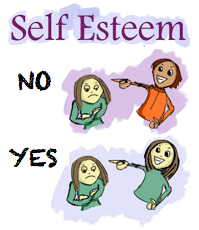
Sself-esteemStep 4 : List all the ways lying messes up your life.
You don’t have to let the WIC run your life – you’re an adult with options you didn’t have as a kid

Steps 5 & 10 : Tell someone when you lie.  Make sure whoever you ‘confess’ to – is not going to be judgmental, but also will not excuse or white-wash unhealthy behaviors

💛 Work on self-esteem
• learn to know who you are & be truthful about it
• develop boundaries from identifying & providing needs, wants, dreams & hopes
• choose healthier jobs, friends & lovers who want to know your real opinions & feelings
• practice telling the truth & notice that nothing bad happens to you!

• Be realistic about what you promise others
• Talk to others about their expectations of you
• Practice telling the truth, as often as possible

A good MOTTO: “Don’t justify yourself, but don’t lie”

NEXT: ACoAs & RISK #1

WHY ACoAs LIE (Part 2)

hide self
IT’S NOT SAFE
to let anyone know the real me!

PREVIOUS: Why ACoAs Lie (Part 1)

See ACRONYM page for abbrev.

2. Pathological Lying

3. UNTREATED ACoAs
FROM the ACoA LAUNDRY LIST :  “We lie when it would be just as easy to tell the truth”.
However, this does not imply that all of us are pathological liars, although some are.
a. UNDER-HONEST
Yes, everyone lies sometimes & occasionally it’s the only safe recourse, but ACoAs tend to lie when it’s not actually necessary, useful or wise.  We can lie by making up untruths OR by omitting important info at crucial times (may be considered passive-aggressive)

COMPULSION: Compulsive liars (CLs) do so as a reflexive way of responding to questions. They bend the truth about most things, important & unimportant, since honesty feels awkward & uncomfortable to them, while lying (hiding) feels right.

• Lying usually develops in early childhood, growing up in an environment where telling the truth was dangerous or unacceptable. For the most part, CLs are not overly manipulative or cunning (unlike sociopaths). They do know they’re not being honest, but it’s a hard pattern to break & one that takes its toll on every relationship

hiding childPAST: Lying was often the only way to protect ourselves & get some needs met in a stressful environment. We were constantly told our emotions & observations were wrong or crazy, so we learned to hide them from others & sometimes even from ourselves.  We understood very early that our parents really did not want to hear the truth, & so could save ourselves a lot of grief if we lied to them

EXP: Terry’s parents were restrictive & controlling, while being emotionally abusive & abandoning.  As a teen she fell in love with a man she knew they would be violently opposed to, so she came up with a plan to see him whenever their scheduled meshed.  From time to time she told her mother a few days ahead of a rendezvous – that ‘next Tuesday’ she’d be at the library after school to study (which she often did anyway).

Then every other day until then, she’d remind her mother about it so there would be no questions about her being late on that day. When Tue came Terry would get together with her guy. She was finally able to receive some desperately needed love & positive attention throughout her Senior year  – by lying!

b. OVER-HONEST – another ACoA irony is that while we found lying to be a survival mechanism in our dangerous & chaotic childhood, we also have a compulsion to over-disclose (TMI), by telling:
• every little detail of a situation      • the bald truth to everyone
• what we know about others (can’t keep a secret)
• everything that’s wrong with us (S-H)
• exactly what we think of someone, no matter how insensitive, inappropriate, cruel of self-destructive!

🔳 As children —> some of us tended to be quiet, trying to be invisible for safety, pretending we went along with the craziness.
— > Other of us just couldn’t tolerate being stifled, nor bear the constant hypocrisy. So we just said whatever we thought, without considering the consequences to ourself or others : “She fat, their food tastes bad, he’s ugly, why is she crying….”)

🔊 IN THE PRESENT : For the more ‘blatant’ ones of us, our Wounded Inner Child truly believes that to not tell someone what we know about them (their flaws, bad behavior, annoying ways…) or what we really think about a situation we’re upset about — is being untrue to ourselves! because:
• we want to letyour flaws them know that we know (to not be ignored & to cut thru their obvious denial)
• we want to rub their face in it (our rage at their deception)
• we want them to get the message & change! (as my dear mother used to say “Wake up & die right!”)

❇️  In the present, on one level, TMI really represents is lack of boundaries, lack of good judgment & letting the WIC run amok with its outrage!
BUT behind that is an attempt to compensate for all the lies, secrets, denial & ‘mind-fucking’ we were drowning in as kids.

NEXT: ACoAs – LYING #3

WHY ACoAs LIE (Part 1)

lying childYOU MEAN I’M NOT BEING HONEST
when I tell people how awful I am?

PREVIOUS: Adult Play Benefits – #2

IRONIC & Humorous article : How to Lie – 14 ways

See ACRONYM page for abbrev.

QUOTEs: “I’m not upset that you lied to me, I’m upset that from now on I can’t believe you.”  — Nietzsche
▪︎ “If you do not tell the truth about yourself you cannot tell it about other people.” — Virginia Woolf
▪︎ “Things come apart so easily when they have been held together with lies.”  — Dorothy Allison, Bastard Out of Carolina

1. GENERAL
Everyone lies, sometimes, in varying degrees – even knowing that it causes problems. This universal reaction is tied to self-esteem. People want to look good to themselves & to others. The higher the threat to ones self-image, the bigger the lies.
TO SELF
Many animals engage in deception, deliberately misleading another, but only humans are wired to deceive both themselves & others. Lying to oneself (denial), mostly unconscious, is used by anyone who believes they can’t bear to acknowledge (not accept) what they truly know about themselves or their loved ones
TO OTHERS
• to cover one’s butt when they’ve done something wrong & don’t have the courage to admit it
• to make themselves feel smarter & superior to everyone – a way to have the power to fool, or to make fools of others, who they disrespect for swallowing the lies
• to cover feeling inferior, because they believe others won’t accept them for who they are, so they “enhance / embellish / exaggerate” their accomplishments…. in conversation, on resumes, dating sites….lie to protect

SOMETIMES lying is necessary, IF —
• is saves you from more abuse (as a child / or by spouse)
• your reputation, your rights or your life are in danger
• it could save your job, your home, your community
• it protects your family from harm by another
• it’s the only way to protect your privacy
This is not an endorsement of lying, only acknowledging certain realities

2. PATHOLOGICAL
Pathological -grossly abnormal- liars (PLs) suffer from habitual dishonesty they can’t seem to control, which can be part of other ailments such as Manic-depression, Paranoia, Conduct Disorder, Antisocial Personality Disorder…… and can be a reaction to childhood incest, torture, constant beatings……They’ve created a fantasy world that’s ‘better’, so they may actually believe their own lies, not consciously realizing what they’re saying is mostly fiction. It’s a persistent & pervasive compulsion, motivated by survival rather than some kind of reward or other external factors (social pressure, family obligation, loss of job…)

• In some cases, an important factor in pathological lying is the difference in the brain. A study by Yang et al., published in the British Journal of Psychiatry in 2007, found that brain scans of PLs  showed structural differences in the prefrontal cortex. This area of the brain controls morality, honesty and remorse
compulsive liar
PLs show less gray matter, associated with the controls needed for moral behavior (less inhibiting factors) & more white matter, which is possibly associated with increased brain activity (more lying). (More…. )

• Some PLs may be Sociopaths – people who lie incessantly to get their way, are goal-oriented (lying is focused on self-gratification), having no regard or respect for the rights & feelings of others. They are often charming & charismatic, using their talented social skills in manipulative and self-centered ways, & have no remorse for their illegal or immoral activities

SITE:  Pathological Liar vs. Straight Shooter

NEXT: Why ACoAs Lie (Part 2)