Satir’s DISTRACTER Role

distracter

I ALWAYS KEEP THINGS LIGHT
so nobody can be upset with me!

PREVIOUS: COMPUTER Role

SITE: Communication Styles & Roles


4. DISTRACTERS
 (D) – a Twisted form of Spontaneity
STYLE: 0.5% of people will typically use this defense. THEY :
• are often unfocused, what they say or do is un-related to what’s actually going on
• at first they seem like a lot of fun, but gradually one notices that everything they do is not quite relevant, not quite to the point
• become easily confused when stressed, don’t know what to do, so grasp at straws instead of doing something positive
• can come across with a ‘who cares’ attitude, are hungry for attention & deflect responsibility from themself, other people & situations
THEY
• can be silly to talk to, funny or confusing, the way young kids act or when people flirt, so are not taken seriously
confused• distract themselves & others from painful emotions & events by getting attention, being amusing &/or a pain in the butt (EXP: pick fluff off a jacket, make ‘deep’ statements, throw objects, tap pencils….)
• ignore Qs or respond by changing the subject, or ask a different Q that’s off-topic. — Others’ reaction : “What’s that got to do with what I just said?”
THEY
• react to any kind of threat by going off on a tangent, investing all their energy in side-tracking, hoping it’ll go away if they tap-dance long enough
• they cycle thru the other 3 Roles when under pressure, to look for some relief – one minute Blaming someone for being rude, next Placate, then to Computer mode & then shut off
• use a range of emotions from anger to guilt to avoid an issue OR to manipulate how others feel
• when talking – they use generalizations, leave out important facts, shift focus unpredictably from present to past, reality to fantasy, physical to mental issues

Energetic Description (by Dr. Bulbrook)
• block Self out / others & current context, so the flow of energy is irrational & the circuitry can’t get wired up properly.  Not grounded, & not connect spiritually
Potential harm to receiver: they give up trying to relate to the D, unable to have a stable or a positive exchange of energy in the relationship. OR get tapped into trying to make it ‘all better’, or trying to make the the D make sense

D’s Statements: “If I break up their concentration, I’ll be safe. If I ignore it, it’ll go away. So, how’s the weather?  Why don’t we just put that aside now & look at something else? Du-du, du-du, du-du… the Martians are coming!” (Earth to Mary?!)

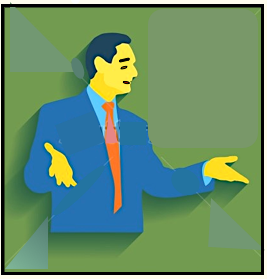
D. Stance: They use kinesthetic cues
• asymmetrical position, one hand up, one down, head cocked, maybe standing on one leg or leaning against the wall
• body in motion, tilting a little to various angles, uneven ‘balance’
• smile wryly, one eyebrow raised, implying “see if you can top this!”
change direction★ takes on body posture of the other 3 Roles when switching modes

Gain Power by : successfully diverting everyone’s attention from unpleasantness
Aim: to evoke a longing in others for fun so the D. will be tolerated

Reacting to a Distracter: (via NLP) You can also use the Computer stance with them until they switch, then recalibrate to Placater or Blamer. Be careful: using the ‘super reasonable’ attitude can also trigger a stronger Distracter response in them

Reality – THEY: • are convinced that nobody really wants them
• don’t believe they would be heard or respected if they said what they really thought & felt
• just want to evade any confrontation
• think this Role is a relief from stress, but actually leaves them feeling lonely & without meaning or purpose (useless)

funNegative :  • ironically – the pattern actually serves to create conflict with others
• their actions are inappropriate for serious situations
• it makes people change the focus of their communication
• it so confuses & annoys others who can’t understand what the Distracter is getting at, that they don’t know how to respond

Positive: • great for flirting & having fun
• can be a powerful strategy in negotiations if the other party is playing hardball, and –
• the D’s stance keeps the other person off balance – their unpredictability makes them worry that the D will grab the desired ‘object’ (person, situation….) without warning.

NEXT: Controlling & Abandonment
Satir’s LEVELER Role

leveler I’M ON THE LEVEL –
so you can believe me

PREVIOUS: C0-dep, & the False Self vs True Self

SITE: How to be Assertive without being Arrogant


Virginia Satir’s ROLES
All roles are learned in childhood. The 4 unhealthy ones are created as defense mechanisms but end up a threat to the personality – preventing us from being loved, trusted or being able to fully grow.
Satir gives 7 reasons why we use these patterns:
• I might make a mistake     • I might impose   • They might leave me
• Someone will criticize me      • Someone might not like it
• They’ll think I am no good    • I might be thought of as imperfect

The dysfunctional roles are: Blamer, Computer, Distracter &Placater
The Leveler is the only healthy role

1. LEVELERS
a. Style: Satir suggested that 4.5% of people will typically use this style, but many psychologists think this is optimistic. THEY :
• are comfortable with their emotions & can easily discuss them when appropriate
balanced• are dependable because they are trust & honor their observations & perceptions
• are emotionally balanced, assertive (not aggressive) & can relate to many types of people
• apologize when making a mistake – without shame – & can evaluate the situation fairly, without blaming others
THEY:
• deal with a threat rather than fighting it, sweeping it under the carpet or running away
• engage in honest, direct, clear communication – in real-time whenever possible
• establish rapport before trying to influence others, so can bring people together
• experience few threats to their self-esteem, accept average stress as normal, are comfortable with ambiguous & uncertain situations
THEY:
• have easy, free & honest relationships with reasonable people
• have conscious positive intentions behind everything they do
• hold strong positive but realistic beliefs about themself & others
• look for solutions, work out problems realistically & appropriately, so their communication style helps resolve conflicts
THEY:
• may talk intellectually (like the “Computer”), as when lecturing or explaining something, but their emotions are still available
• operate from strong personal values & a store of positive images
• respond to situations in a consistent but not rigid way – conducting their life with integrity, commitment & creativity
• ‘tell it like it is’, without exaggerating or minimizing situations

b. Energy Fuel (from Mary Jo Bulbrook)
• Levelers are able to hold their ground, clearly communicate their needs, set physical & emotional energetic boundaries
• All chakras are about equal, open & flowing, allowing energy to come in & go out easily
• Potential impact on receiver : Levelers help things grow, & enhance the flow of other people’s energy

c. Statements: “I’m relaxed & comfortable because I‘ve got nothing to hide”.  “I like you”.
An important aspect of leveling is the use of “I” statements, which express what they really mean, describe their feelings & wants, while recognizing the feelings & wants of others

d. Stance – if physically healthy
• body, voice & facial expressions all give the same message
• body faces directly toward others, head vertical, relaxed face, even eyebrows, shoulders & hips level, heels directly below the shoulders so that legs are slightly apart, feet facing forward
honest, fair• both palms face down, fingers out flat, slightly wider than the body – as if trying to level the situation

NOTE : Leveling is a psychological & emotionally healthy quality. It does not depend on physical health. Therefore – mental health is not diminished in people with physical disabilities or advanced age

e. Source of Power: from deep self-esteem, finding the most effective behavior for creative problem-solving & in cooperating with others

f. Negative: they consistently state facts, are straightforward & tell the truth, according to their understanding. This makes some people uncomfortable who may feel insulted & get angry at the Leveler –  arguing & justifying themself, or avoid altogether

g. Positive:  Re. SELF –  Satir found that when people start to level (be real), they connect to their body, heart, feelings & brains, which leads to finding their souls & their humanity.
Re. OTHERS – because Levelers are fair & trustworthy, others can depend on them, so they attract people who are also interested in transparency, & no drama.

NEXT: BLAMER Role

PLACATER Family Role (Part 1)

PlacaterI CAN’T STAND DISCORD –
I have to make nice

PREVIOUS: Hero Role

SITE: Conflict Styles


❧ PLACATER Role  – a Twisted form of Service.  A combination of the Satir & Wegscheider versions

Placater’s GOAL
Provide soothing to make others feel better in general & specifically about themself

PURPOSE

For Self: try to not keep getting abandoned, to feel safer = not get hurt & be loved – by calming everyone, preventing conflicts or any overt expression of anger
For Family:  When parents are impaired in some way, Placater becomes a surrogate. Born negotiators, they seem to have an uncanny ability to ‘read’ what others are feeling, but at their own expense. Learn early to smooth over potentially upsetting situations & take responsibility for everyone’s pain & emotional well-being

BIRTH ORDER: can be oldest child, usually the girl
IN SCHOOL : very compliant, well-liked, so-so student – preoccupied with other students’ problems rather than studying
FAMILY TREATMENT
Used as the family social worker, inappropriately told all the adult’s problems, ‘valued’ for not being any trouble

DEFICITS
Few self-protective boundaries, don’t have a clear identity of their own, are not in touch with their own emotions & needs, so can’t get them met, are ‘lost’ without someone to please or fix

BELIEFS:
FROM: “If I’m nice, everyone will like me”
“Don’t rock the boat”
“If I focus on someone else, it won’t be on me & that’s a good thing”
“If I take care of you, you won’t reject or leave me ”
“I’ll do whatever you tell me to do. I’m here to make you happy.”

TO: “It’s ok to have a focus of my own”
“I am likable without having to take care of others”
“I don’t have the power to keep someone with me, but if they stay it’ll be because of who I am, not what I do for them”
“I can do whatever suits me best, in all situations”

Placater’s Negative DEFENSES
• Actually believe they care so much about others, but that no one cares for them. Can be great listeners
• Main concern is all about how they’ll be perceived
• Develop a high tolerance for inappropriate behavior from others, will take the blame for things not their fault (ironically), thereby protecting others from taking responsibility for their choices & actions
THEY:
• Efface & belittle themself, while inflating others, to get brownie points & stop possible aggression
• React to stress or ‘uncomfortable truths’ by trying to ignore them, sometimes going to extraordinary lengths to avoid confrontations
• May sacrifice themself – willing to lose so others can win

EMOTIONS
Frustrated rage, fear, guilt, low self-esteem,  powerlessness. Express their shame via depression, perfectionism, victimization

COST TO SELF
Deep sense of not being good enough just as they are, nor have the right to get equal attention & caring from others.  Denying personal needs, they’re unable to receive, a great fear of conflict & anger, are hyper-vigilant with high anxiety, have ‘false’ guilt – blaming themself for circumstances outside their control.

AS ADULTSover-giving
They’re often in abusive & one-sided relationships (with spouse, children, friends, bosses…), constantly giving without getting anything back.  Are overly responsible so become excellent enablers, marring addicts or other ‘broken’ people.

Often choose careers as helping professionals, which can reinforce the tendency to ignore their own needs, such as social workers, nurses, therapists…. (more likely in ‘supportive’ positions, so are not often male doctors)

PARENTS HELPING a Sensitive CHILD
TO: Allow the child to focus on themself & not others, separate their personal worth from doing / care-taking, teach them to express emotions & playing

BY: Validating Placater’s intrinsic value (being vs doing), helping them develop ability to take care of & prioritize needs for themself, so when child IS helping another – ask them what he/she is feeling at the moment
• Parents talk about & act in ways that reinforce how adults take care of themselves & other family members well, so the child can relax.

NEXT: Placater #2

Family ROLES – Normal

fit in HOW DO I FIT IN,
& still be me?

PREVIOUS: ACoA Poem

See Inner Child MOVIE :
“If you believe


1. NORMAL HIERARCHY

• Most organizations still function is a hierarchical system, with clearly identified Roles** for their members, as in governments, corporations, sports, law enforcement, social groups, most religious congregations, schools (esp. if students are under-age) ….. and of course, families.
Yes, it is possible to have consensus or democratic rule in some of these, BUT ONLY when made up entirely of rational adults.

** Roles are ‘social expectations & norms held regarding an individual’s position & behavior within a group’ (Simon, Stierlin & Wynne, 1985)

• To function properly, family systems need to organize themselves to carry out daily challenges & responsibilities, as well as adjust to the developmental needs of its members.  But to understand the dynamics of any family unit, it takes more than just listing who the individuals are – we need to know how they come together & interact. The family system
exists √ in paradox : it has to be stable enough to provide continuity over time, while being able to adapt to fluctuations
√ as a balancing act : too much change – the system breaks down, too much stability – it atrophies & dies

• All families organize themselves into hierarchies & then into subsystems, which may be grouped by generation, age, gender…., to accomplish their tasks & goals. These smaller groupings can be grandparents, aunts & uncles, parents & children, males & females, the older & younger, the skilled & unskilled, the sick & well…… Naturally, individuals & the subsystems are influenced by & dependent on one another, so what happens to one affects the othergood fences

• Hierarchies need Boundaries, TO:
☞ have a line between subsystems
☞ control the flow of info – into, out from & about the family
influence the flow of people allowed in & out of the system

• According to Family Systems Theory, all families strive for a sense of homeostasis (balance), in an effort to find equilibrium between life’s challenges & the family’s resources to handle them.
New patterns of interacting with each other will have to show up to keep inevitable changes from getting out of hand.
When this doesn’t work, additional family rules or dynamics have to be added or adjusted to restore balance. This happens in both healthy & unhealthy systems, but the solutions will be very different!

• This balancing act has EITHER:
🕴morphostasisa system’s ability to hold its shape & structural stability – by trying to conform ‘perfectly’ to a situation, keeping strictly to its rituals, allowing only those changes that do not threaten the existence of the family…. in the face of all types of stressors
OR
🕴morphogenesis (creation of life) – a systems’ ability to change its form, grow systemically over time & adapt to the changing needs of the family
• To keep the group going & make things harmonious, each family member needs to have an age-appropriate role, which should be stable but not rigid. Ideally, members have specific jobs, governed by rules & strategies
parents provide✶ PARENTS are expected to fill a wide range of needs for themselves such as financial stability, mental stimulation, relaxation & hobbies, community participation, a satisfying sexual relationship….
.
ALSO  provide children with :
the Basics – Daily maintenance, provision of food, clothing, shelter & health care
Emotional needs
• a genuine feeling of safety & security, a sense of home, nurturing, warmth
• fulfilling the need for love & belonging, inclusion
• esteem, giving self-worth, personal value, support, encouragement

Mental & Social needs
• Age-appropriate discipline, correcting & guiding, setting boundaries
• Help with homework, how things are done, how to be social, handling finances, valid information
• Privacy, respect for each member’s autonomy & separateness
• Recreation, opportunities to have fun together
• Understanding, having the right to make mistakes & learn from them
Spiritual needs
• encouraged to have meaning & purpose in life, suited to the child
• gain a sense of the larger community & their place in it
• allowing development of a relationship with a Higher Powerchild obey

✶ CHILDREN are expected to learn from, cooperate with & respect their parents (must be age-appropriate) BY:
☞ attending school, keeping up with homework
☞  expressing their intellectual & artistic gifts
☞  helping with tasks around the house
-☞ trying out new & interesting skills, games & social settings

• People play many social roles,  such as — parent, sibling, worker, student, lover…. each with it’s own set of requirements & functions.
This is normal & healthy as long as they have a positive core identity to underpin their role, & are free to express many different aspects of themself.

NEXT: Toxic ROLES – #1