
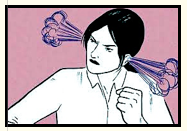
 THERE’S NO WAY
for me to win!
PREVIOUS: Anger & Co-D (#1)
1. Re. OUR Anger (cont.)
a. MISSING Emotions (cont.)
i. Numb
ii. Disconnected
And then there are the times we FEEL something – that punch in the gut or the stab in the heart, BUT don’t know where it came from.
Our body’s legitimate reaction to abuse is disconnected from our mental center (cortex) because of years of involuntary denial. So —
√ we blame ourself for the pain, thinking we’re making it up, over-reacting / too sensitive, it’s hormonal….
AND
√ if we do make a vague association between our discomfort & a particular person, we justify & excuse it by thinking “they didn’t mean anything by it, it’s just the way they are, she/he DOES love me….”
 It’s as if we’re wearing one of those animal medical collars: we can see over the top of the stabbers face, but can’t see the knife in their hand as they shove it in!
However, if we take the collar off, & ask the Inner Child how it feels around that unhealthy parent/ friend /boss/ lover….. & if the Child is willing to respond – we find out exactly what’s going on!
So when denial starts wearing off, we’re shocked – first by the pain, & then realizing that all this time our thinking has been way off!
That’s liberating but also very scary, seeing that we’ve built much of
our world on mental sand.
We have to revamp our whole concept of reality, which can leave us with a lot of anger, realizing how great the abuse really was.
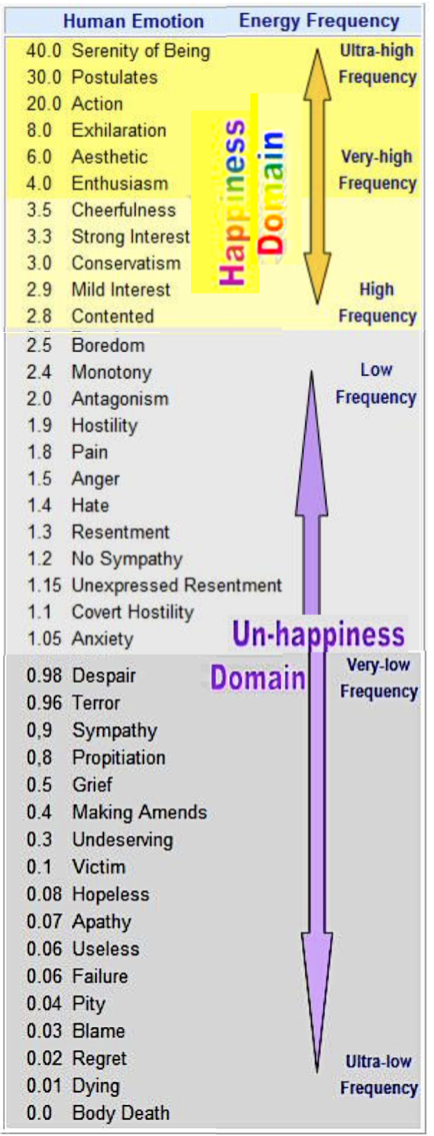 For a long time we may hate our parents, the rage coming in waves. We still want them to be what they can’t & never could be.
Eventually we can accept that we no longer need them to take care of us – we are our own parent NOW, so we can learn to deal with them realistically – whatever that means for each of us.
BOOK: “Coping w/ Codependency” ~ Kay Marie Porterfield
b. INAPPROPRIATE anger/rage
Self-Hate: As co-dependents (Co-Ds) we are brutally critical of our own imperfections, even when they are absolutely normal for being human – whether making a mistake, not knowing something or making an error in judgment.
We also rage at ourselves any time we don’t get a need met or feel hurt – taking on the responsibility for other people’s limitations or unhealthy behavior.
At the same time – we sabotage opportunities for getting those very needs met – to stay loyal to our early training. (“People should treat me better, but….“)
🔹Repressed
In Claudia Black’s book “Deceived”, she places Co-Dep anger on a continuum: Avoidance <– Sideways anger — Anger –> Rage
At the far left it’s sometimes described as feeling dazed & defeated, often part of low-grade chronic depression. For many people (more often women), avoidance is a learned response to stress over time, starting in childhood, along with long-term painful / abusive adult relationships.
🔹Boiled frog syndrome
If placed into a pot of boiling water, a frog will immediately jump to safety rather than burn to death. However, if the frog is placed in a pot filled with room-temperature water, which is then very slowly brought to a boil, it will happily do the backstroke until it’s cooked from the inside out.
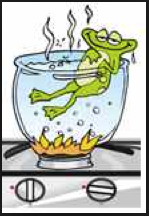 Co-Dep anger can be like that as well. In a volatile situation we may fight back or just leave. But if we let our emotions accumulate in the POT, we end up stewing in our own juices until it feels like we’re choking.
Then the anger (& all the pain underneath) bursts outward in harmful ways, or inward with silence, uncontrollable crying, anxiety, constant fidgeting, physical illness…..
🔹Sudden flashes
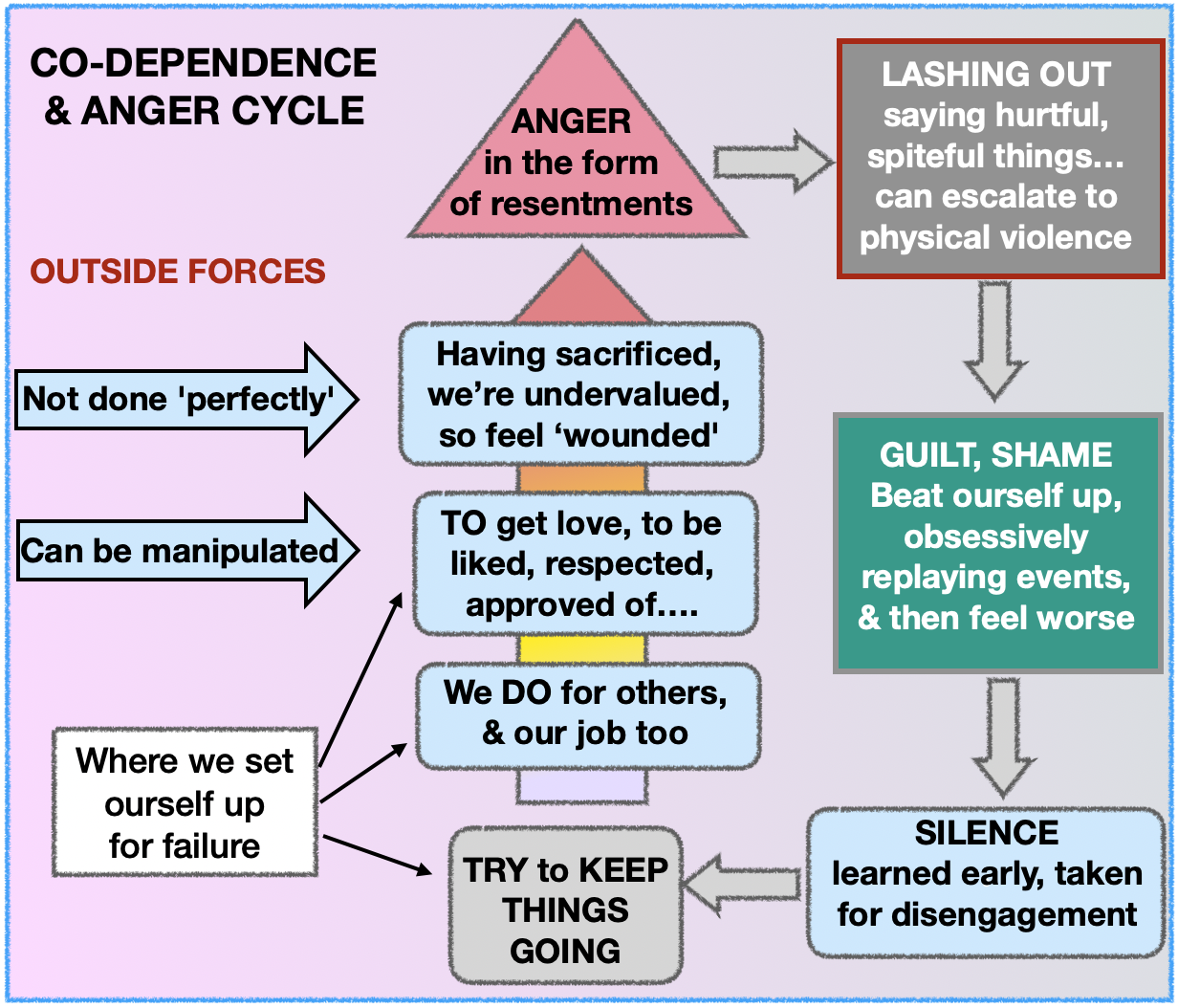
On the other hand, unexpected burst of anger at others can be a sure sign of co-dependency at its tipping point – in reaction TO:
• always considering what someone else needs AND they rarely / never reciprocate
• being constantly disappointed, but still depending on narcissists to come thru for us – against all evidence
• hearing a correction or suggestion as criticism, triggering S-H
AND / OR
• not being able to get thru to someone, no matter how often we try
• someone not reading our mind – about what we need or want (so we don’t have to ask)
• trying to force someone to be or do something they either don’t want to do, or simply are not able
• trying very hard to please someone who will never be pleased, but we keep trying
• wanting someone to take care of us, but they won’t (& shouldn’t)
NEXT: Anger & Co-D – #3
 HEAL & GROW for ACoAs
