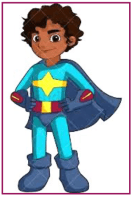
MASCOT Family Role

IF I’M ENTERTAINING ENOUGH –
they won’t feel the pain!

PREVIOUS: Lost Child Role

SITE: Mascot: Not all Fun & Games

❧ MASCOT’s (M) GOAL
Provide diversion from family’s problems, & make everyone feel better by being funny & zany

PURPOSE
For Self: act silly to try to interrupt their own physical & emotional tension & sense of danger – from feeling scared & powerless in the middle of the family mess.  Ms are genuinely ‘immature’, & play that up to draw attention away from the scary adults

For Family: use comic relief to lighten a ‘heavy’ atmosphere for everyone, creating a diversion to diffuse volatile situations.
May perform similar tasks to Caretakers when enlisted to soothe the Dependent’s feelings & needs. And –
• like the Hero, they may be the ‘face’ of the family to the community

• take responsibility for the family’s emotional well-being & become its ‘social director’, entertaining everyone to cover the depth of the family sickness by keeping the focus on themself

• using humor to communicate awareness of the dysfunction – their antics can actually hinder Recovery. They indirectly express family’s painful emotions such as anger, grief, hostility or fear BY satire, sarcasm, teasing…. rather than addressing it head on

BIRTH ORDER :  Usually the youngest, but not always
IN SCHOOL : Class clown or cut-up, admired by classmates for making school enjoyable.
Are hyper-active, have difficulty concentrating on studies, so may already have or develop learning deficits, & conclude they’re not intelligent (which is not true)

FAMILY TREATMENT : the M is the child everybody loves & prefers. They’re assumed to be happy-go-lucky but not smart or capable. May be seen as fragile, so over-protected & shielded from life’s problems

ACTIONS /STYLE
silly child• Personal : Spend little time at home, with lots of friends, attract constant attention, are exaggerated & dramatic, disruptive, may get into trouble but not the malicious kind like the Scapegoat.
Avoid angry confrontations, go “with the flow”; ignore practical responsibility.
Have a short attention span & incongruous emotional responses (laugh when things are serious or painful).

• Social: Their humor is not always innocent. There’re known to make mean or obnoxious jokes & humorous ‘dirty laundry’ stories about the family to express their own repressed anger.
Use fun to amuse their circle of friends but are rarely taken seriously, may be subjected to criticism & rejection for being silly & flaky

DEFENSES
Act dumb, be super-cute, exaggerate their immaturity,  make fun of self, do anything to get attention – clowning, humor, becoming an actor, addictions

DEFICITS
Attention seeking, distracting to others, difficulty focusing, poor decision-making ability, superficial, ‘in the dark’.
Afraid to look inside & be honest about emotions & actions, out of touch with ‘unpleasant’ feelings & spirituality
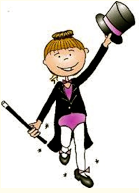
mascot dancerChange BELIEFS
FROM: “I must never point out any problems”
“ If I make people laugh, everyone will feel better”
“ I only have value as an entertainer”

TO: “I have value for who I am, without being entertaining”
“I can be comforted & loved even when I’m not ON”
“ I’m not responsible for others’ happiness”

EMOTIONS
Anxious, deeply insecure, embarrassed, feel inadequate & unimportant, lonely, sad, self-hating, terrified. Express shame by depression & addictions

COST TO SELF
• Rarely feel loved for themself, only for playing this role to keep family distracted
• ALSO not allowed to be clever, functional, show very real & serious accomplishments
• Not allowed to have sadness or any other painful emotions, & deny the right to know their True Self.  Ignore all their own suffering, which may later show up as illnesses
• Frenetic social activity is a defense against intense inner anxiety & tension. Trouble coping with that stress can make them think they’re going crazy. If not addressed, they can slip into addiction, mental illness or committing suicide

PARENTS CAN HELP CHILD 
TO:  express humor appropriately, learn to take care of themself, modify need for attention, find ways to be competent
BY: being consistent & firm. Don’t push, only remind, & reward by using natural & logical consequences to their actions. NEVER reinforce sick, sadistic or self-deprecating humor with laughter

AS ADULTS – may already have great social skills, but trouble with addressing conflict directly, & with identifying their own emotions
• give love, but don’t know how to accept it
• 
are at risk for getting involved in abusive relationships, & try to “save” their partners by being “nice” & “upbeat.”

RECOVERY NEEDS
good hostTo take responsibility, risk being serious & be taken seriously, learn assertiveness, study something in-depth, feel all emotions

STRENGTHS
With growth – can be valued for their best qualities. They:
• are flexible, generous, helpful, independent
• are charming people, & entertaining hosts
• have a big heart, & can be good listeners
 have an easy sense of humor, know how to play & enjoy.

NEXT: Roles & Co-dependence

LOST CHILD Family Role

invisible I’M INVISIBLE TO EVERYONE,
& they like it like that!

Previous:  The Scapegoat, #2

SITE: Lost Child –> Invisible Adult


❧ LOST CHILD’s GOAL
Provide relief for the family by being invisible – sacrificing their identity & desires to give parents one less thing to worry about

PURPOSE
For Self: hide from chaos, physical & emotional abuse (under a table, in a closet, their room, after-school  activities), avoid being responsible for anyone else….  withdraw into a fantasy world, making themself very small & quiet
For Family: relieve some tension by not being another burden, provide family’s privacy by not airing ‘dirty laundry’, help family avoid facing serious problems by never mentioning alcohol, toxic roles or Recovery

BIRTH ORDER: 3rd or middle child
IN SCHOOL : Lose themself in school work, get good grades, don’t want to participate, called ‘space cadet’, geek, nerd….

FAMILY TREATMENT : Generally ignored, or considered a ‘blessing’ for not expressing needs. Last child parents will think to get help for.

ACTIONS /STYLE
• Socially Acceptable :  Pleasant when spoken to, quiet & unassuming, won’t call attention to self, have opinions but don’t express them, never make waves or demands

• Socially Awkward:  Distant, ill at ease with others, especially uncomfortable when focused on, little or no expression of emotions.  Hide out to not be a bother. Strong attachments to animals & things – instead of people, sometimes with one close friend but often none. May be confused or conflicted about their sexual identity & functioning (or anorectic)

DEFENSES
• are day-dreamers – buried in books, internet, religion / spirituality, creative mental pursuits, keep a diary, draw, listen to music, watch TV
• become addicts – use chemicals, food, porn…. to dull the pain
• can be bulimic or anorectic, or overweight
• deny getting upset, super-independent but depressed 
THEY

• may drift through life with little or no ambition, be under-employed or obsessed with one ‘big’ goal (realistic or not, productive or not)
• easily feel rejected while always staying aloof, ‘invisible’
• may try to get attention indirectly by getting sick, having asthma, allergies, or by bed-wetting in childhood

DEFICITS
• give up self-needs & the possibility of asking for help or accept any offered, have poor communication skills
• follow without questioning, easily bullied & made fun of, avoid professional help
• unable or unwilling to initiate (passive), have hard time seeing choices / options, tend to lack direction, afraid of making decisions

Change BELIEFS:  
FROM: “Why should I feel? It’s better if I don’t”
“If I don’t get emotionally involved, I won’t get hurt”
“I can’t make a difference anyway”
“Don’t draw attention to yourself”

TO
: “I have a right to positive attention”
“I do make a difference, I am worthwhile & people will value me”
“I need to get emotionally involved to have meaningful connections”
“My emotions are an important part of my True Self”

EMOTIONS : depressed, fearful, hurt, lonely, rejected, sad, with suppressed anger. Express shame by procrastination, being the victim, feeling suicidal

COST TO SELF
Always feel different, the outsider, don’t know how to get their needs / wants met – including need for personal connections, have social phobia so stay ignored & unappreciated, hard to get credit for abilities

PARENTS can HELP CHILD
TO: be more social, use its creativity & imagination, express emotions, feel important, useful & valuable
BY: giving private encouragement & praise, including child in family process, not criticizing, providing opportunities to be successful, validating anything positive
sad manAS ADULTS

❎ Unsociable: the most obvious isolators, withdrawn from life to hide from whatever will hurt or make them uncomfortable – which is almost everything.
• terrified of intimacy, they often avoid connections all together
• are attracted to any solitary work or career where they don’t have to deal with people

✅ ’Sociable’: if in a relationship they’ll be noticeably unavailable in many ways, pick controlling Heroes or unpredictable chaotic Scapegoats or Mascots
• If artistic, will be excellent actors, studying their parts carefully, glad to hide behind a facade

• Generally: when needing to make a commitment based on logical thinking, believe they have few options – because growing up they just went along with whatever was happening, instead of thinking thru possibilities or what they may actually want
• Without help: indecisive, can’t say NO, show little or no passion, fun or zest, slow to change & grow, always alone or promiscuous, die early

Adult RECOVERY NEEDS – TO
work alone• become a team player, practice flexibility, take initiative, make decisions, notice & use available options
• reach out, deal with loneliness, face emotional pain, make a few deep relationships, give up victim role
• With help: become free to express talents, creativity & imagination. Can become assertive, resourceful & independent (not isolated)

STRENGTHS
• work well alone, self-reliant, quiet (writer, researcher, artist….)
• easy-going, understanding, patient, spiritually connected
• resourceful, creative, flexible, non-conformist, good of humor
• well-read, scholarly, good observer & listener

NEXT: Mascot Role

SCAPEGOAT Family Role (Part 1)

scapegoatIF I GET INTO ENOUGH TROUBLE,
they won’t have to!

PREVIOUS: The Placater #2

SITE:  The Scapegoat Who Changed Her Family Role


NOTE: This is not the same as the being scapegoated – where parents pick out one child to blame for all the family’s troubles which they themselves are causing.
HERE, the Scapegoat role seems ‘voluntary’, in the sense that this position is being held as a self-sacrifice.

SCAPEGOAT‘s GOAL
Provide a change of focus by allowing everyone to think they are the source of the family’s problems – instead of the addict

PURPOSE
For Self: their sacrifice given as a love-offering, taking on the ‘bad-guy’ role to protect the addict or other main trouble-maker from having to face his/her pain
IMP: An in-your-face refusal to comply with a parent’s direct or unspoken demand for perfection-ism 

defiant_girl-1For Family: serve as the “pressure valve” in the family when tensions build. They misbehave to draw attention away from the ‘problem’ parent so the family’s ‘issue’ is anything other than the addiction
• also to protect the family from any outside interference (cops, social workers, shrinks, social services….) who will cause shame
• try to show family what’s really going on, hoping they’ll learn from it & change BY acting out the tension & anger in the air that everyone ignores, & doing things the ‘wrong way’

BIRTH ORDER: Usually the second child, sometimes the first boy if an older sister is the Hero
IN SCHOOL
Academically borderline or failing, they drop out, get suspended or kicked out, may not graduate (but NOT stupid)

FAMILY TREATMENT
Family makes them the ‘black sheep’ who feel ashamed of the S. Because they’re the blunt ‘truth-tellers’, one or both parents may dole out harsher & harsher punishments, trying to ‘break’ them for not going along with the program (stay in denial).

They’re compared negatively to older, well-behaved / compliant siblings or cousins, sometimes considered ‘mentally ill’, & may be taken to therapy to get ‘fixed’.
Targeted to be Scapegoats, either because they’re:
a type: hyperactive or sick, so are easily bullied, and/OR
b type: the angry, rebellious, problem child who has the guts to say or do what no one else will, & so is easily ‘set off’ / reactive

ACTIONS /STYLE
IMP : Personal- IRONY
They are the most sensitive, caring & emotionally honest family member. Scapegoats are actually the strongest ones, since they carry the “sins” for the entire family.
Their sensitivity causes them intense pain when mistreated, making them self-hating & self-destructive. They are the romantics who becomes very cynical & distrustful from being the “target” of the family’s dysfunction. Will leave home as soon as they can

Family : Rebellious (constant trouble with authority, won’t follow directions), They make a lot of noise, diverting attention from the addict & his/her need for Recovery on to themself. They won’t go along with the Hero who pretends everything’s allright. For a while will try to compete with the Hero for status, but lose & then stop trying to please
Social:                         
As the grow up = Because they have thick walls built around them from fear & outrage, their relationships will often be superficial & inauthentic – except when they can bond with another equally angry, bitter peer or group.

Often act out in front of others, putting on a tough act. In reaction to the family chaos & abuse, they become the troublemaker – argumentative, attention seekers, blaming others, disruptive, intrusive,  negative leader
AND/OR secretive, sneaky, verbally dishonest, unwilling to take any personal responsibility

DEFENSES
Defiance, withdrawal, hostility, sullenness, acting out, ‘don’t care’ facade. Strong connection to their peer group (same type) or totally isolated

DEFICITS
Inappropriate expression & use of anger, intrusive, won’t follow directions, self-destructive, defiant, irresponsible, underachiever, social & legal problems at young age (truancy, teenage pregnancy, high school dropout, addiction, suicide attempts), can lead others into trouble.

NEXT: Scapegoat, #2

HERO Family Role

hero momI HAVE to TAKE CARE of EVERYTHING,
& of course I can!

PREVIOUS: Toxic Roles #4

Originally:
“IF ONLY MY FAMILY UNDERSTOOD ME”, by Don Wegscheider, 1979


❧ HERO’s
 GOAL
To provide the damaged family with some self-respect & a semblance of stability, shifting the focus from parental failures to the child’s successes

PURPOSE
For Self: to make order out of the chaos, feel useful, make the home bearable, keep anyone from killing themselves or going crazy. Believe if they’re helpful enough, the ‘sick’ parent will be cured

For Family
:  make the family look good & seem ‘normal’ to the outside world, by acting as if the rigid roles don’t exist, & prevent anyone seeing the severe dysfunctionality. Genuine desire to provide a measure of group esteem through their accomplishments

BIRTH ORDER: Usually the oldest child, or the oldest male or oldest female
IN SCHOOL : Gets superior grades, teacher’s pet, sports star, Valedictorian or Prom Queen. Classmates admire, envy or use them as help. Are involved in several extra-curricular activities

FAMILY TREATMENT
Highly regarded, expected to ‘do the right thing”, but may not be praised directly. Held up as a shining example to prove what good parents & good people they are, the one who other relatives dote on

ACTIONS / STYLE
Personal:  Main focus is perfectionism —-> leading to periodic times of dissociation
Inflexible, extreme need for control of everything, great fear of making mistakes, intellectualizes & disregards own emotions.

In the Family: Ignore the real issues.
Often forced to take on parental position & responsibilities at a young age, AND be self-sufficient, feel ‘old’ & burdened (“10 going on 40”). Keep household running. Compensate for sick, drunk, depressed, crazy or missing parent’s inability to cope

Social:
Can be highly successful, self-sufficient & seem well-adjusted. Seen by non-family adults as trustworthy, conscientious, mature & capable. Has good relationships with authority figures, volunteers often, over-involved in activities. Into everyone else’s business, a know-it-all, may have lots of friends, pets & ‘needy projects’controlling hero

DEFENSES – Main one: Denial
Overly serious, mature & responsible, high achiever.  Very dependent on outside approval & work hard to get it. Also, they feel special/ superior, don’t need anyone, compulsive @ cleaning, gathering info, appearance, career….

EMOTIONS
Confusion, loneliness, guilt, hurt, anger. Extreme shame, shown by compulsivity ‘helpfulness’
• Deny a wide range of emotions, intense sense of inadequacy – fear of being found out as a ‘fraud’, & an over-all sense of failure – mainly for not fixing family’s problems
DEFICITS
Trouble with
: being a follower, taking suggestions or advice, asking for help, relaxing, having fun, being spontaneous.  Not allowed to be weak, needy, scared, vulnerable, helpless

AS ADULTS – THEY:
• are extremely judgmental of others (but may have learned to be subtle about it), and super-critical of themself
hero responsibility • are driven to develop ‘better’ lifestyle than family, make lots of money, master a profession, totally invested in getting & keeping success at all cost, have lots of positive attention but don’t believe or value it
• marry an alcoholic or other ‘problem’ type they can continue to focus on & fix, in lieu of parent
THEY: 
• are cut off from inner emotional life & True Self
• secretly know something’s ‘rotten in Denmark’, but have the hardest time admitting anything needs healing
• will only get help to give up Hero role when emotionally overwhelmed & physically ill from years of stress, have severe substance abuse themselves or a tragedy breaks thru the denial

PARENTS CAN HELP HERO CHILD
TO: Be ok with making mistakes, & develop courage to be imperfect, decrease need to be responsible for everyone, learn to concentrate on self instead of accomplishments (Being vs Doing)
BY: Stressing the value & enjoyment of cooperation & sharing, learning to appreciate Self. Help them accept mistakes gracefully, since it’s never about their identity

CHANGE BELIEFS 
FROM: “I must stay in control of my feelings”.
“ If I don’t do it, no one will.”
“If I don’t do this, something bad will happen, or things will get worse.”
TO: “I am of value just for ‘being’, not only for ‘doing’
“If I don’t do it, someone else will & that’s OK”
“If I don’t do it a certain way,  it’ll be done differently & that’s OK”

Adult RECOVERY NEEDS
• learn to ask for & take what’s needed, accept occasional ‘failures’,  relax & just BE
• let go of perfectionism, need to control & rescuing
• develop ability to listen, follow, be flexible & have fun

STRENGTHS
• attentive, caring, good listener to others’ troubles, nurturing, thoughtful
• appropriately responsible, decisive, focused, goal oriented, organized, self-disciplined
• have leadership qualities, can be successful, initiator, loyal, good at motivating themself & others, study & work hard to achieve.

NEXT: Placater Role