
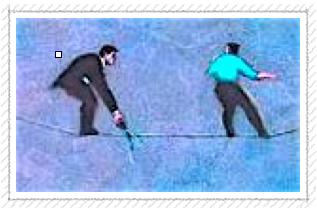
 I DON’T WANT TO BE ALONE
but I’m afraid to let anyone in
PREVIOUS:
Under-Trusting (#2)
See post: ”Lack of Trust”
QUOTES: “Our distrust is very expensive.” ~Ralph Waldo Emerson
“….but you will live in torment unless you trust enough.” ~Frank Crane
“He who does not trust enough, will not be trusted.” ~Lao Tzu
INFO
A perception of competence is the belief that when we need to cooperate with other people, we’re capable of giving each other what we need. In abusive situations, perhaps the most obvious violation of competence is the neglectful parent.
A perception of intentions – in a trusting relationship – is when we believe that everyone’s working towards a shared desire, & no one’s going to be exploited. However, we can’t / shouldn’t trust someone we think or know is trying to use us for their own benefit (MORE….)
🔶 WHY ACoAs DON’T Trust (Part 2)
🔶 RESULTS of UNDER-Trusting (UT)
EMOTIONAL
• we don’t experience the joys & challenges of intimacy because we never let our guard down, AND don’t find out what’s really going on w/ someone else
• it makes us bitter & cynical about others, because we miss out on great friendships & love – which can heal
• we miss out on fun, camaraderie, which alleviates some of our loneliness, AND provides relaxation
PERSONAL
• Keeps us isolated: we start out suspicious / paranoid from childhood, then the isolation makes us more so – because we don’t know what’s really going on around us
• Makes it hard to fulfill our potential, because we don’t trust genuine praise, OR helpful info from friends, bosses, teachers….
SOCIAL
• Don’t let others know who we are – really, not just our needs but our abilities, SO don’t get the mirroring, validation we need
• Lose respect & ‘street cred’ at work for not being more social or a team player
• Miss out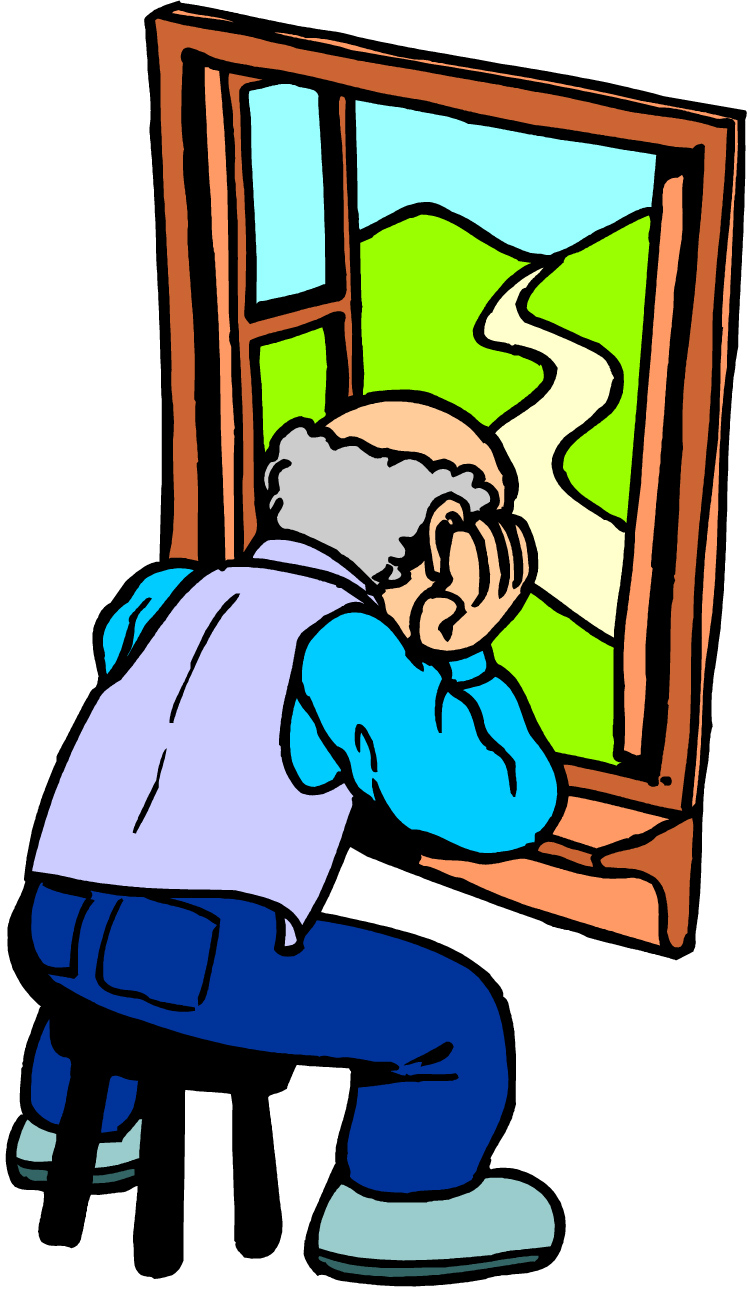 on available info, opportunities which could help us advance, or find a new direction in life we’d prefer
• People don’t easily come to us for our knowledge, expertise, help…SO we don’t always get the admiration & honors we’ve earned & wish for
• Possibly lose loved ones, friends, even jobs – by being stingy, suspicious, unfriendly, uncommunicative
BEHAVIORAL
• Deprivation – we end up having to do everything ourselves & what we can’t do alone gets left undone – even if it’s important
• Keeps us from risking (which takes a certain trust / faith in the possibility of good outcomes), because we don’t have help when needed (sick, moving, fired, divorce, kids…)
• On a broader scale, under-trusting separates us from the world at large. It can make us suspicious of anyone ‘not like us’, potentially leading to anti-social behavior
• UT makes it hard to have a spiritual connection, which prevents us from having a sense of belonging to the human race, leaving us ‘out in the cold’ just like we were in our family
* * * * *
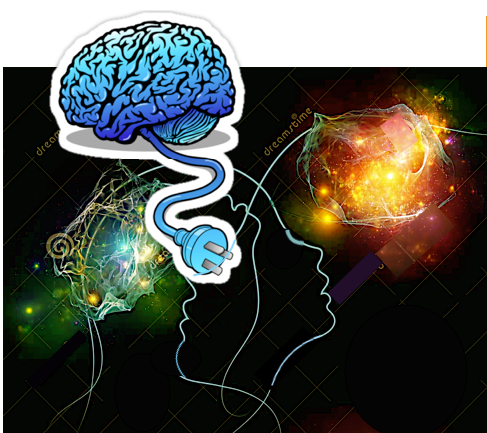
🟩 The BRAIN & Trusting
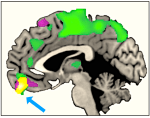 1. A recent study (2015) with 82 participants showed differences in brain structure according to how trusting people are of others.
The most important finding was that the ventral medial prefrontal cortex was larger in people who tended to be more trusting of others, the region that serves to evaluate social rewards.
Another finding was that the volume of the amygdala was greater in 2 groups – those who were most trusting & those who were least trusting of others. This brain structure helps code & remember things that are emotionally important to us.

2. Many decisions we make hinge on how much we trust others, built on past dealings with a person OR their reputation.
A study used MRI to brain-scan participants while playing a Trust Game with various partners who – by social reputation – were pre-labeled as fair, unfair & indifferent, in order to make trust-based decisions together.
Any activated part of the brain uses more oxygen, so the more oxygenated blood that flows into an area, the stronger the signal.
The images showed the brain area called the caudate (deals with decisions & responds to reputation) “lit up” most strongly in the ‘trusters’ when dealing with unfair or indifferent partners, but not with the fair ones.
NEXT: Patterns of Mistrust – #1




 HEAL & GROW for ACoAs